Quick summary
ASTM F963 is the U.S. consumer toy safety specification. It applies to products designed or intended primarily for children under 14. Drone soccer gear — the drone, ball cage and transmitter — may fall within scope if it is marketed to children as a toy-like product. Whether ASTM F963 applies depends on intended use, labeling and marketing, not only on the product’s electronics. Schools and clubs should confirm the manufacturer’s compliance documentation before purchase. Sports equipment used in organized competition may follow separate standards, so buyers must verify the exact product classification in writing.
Key Takeaways
- ASTM F963 is a U.S. toy safety standard for children’s products; it is not a drone-specific aviation rule.
- Drone soccer drones can fall within ASTM F963 scope when they are intended primarily for children under 14.
- Sports equipment may be evaluated under other standards, so labeling and marketing claims matter.
- Schools should request written confirmation of applicable standards, test reports and age grading before procurement.
- Battery shipping and export classification are separate compliance tracks that also need confirmation.
What Is ASTM F963?
ASTM F963, titled Standard Consumer Safety Specification for Toy Safety, is a voluntary consensus standard in the United States. It covers mechanical, physical, flammability and chemical requirements for toys. It is commonly referenced by U.S. consumer product safety rules for children’s toys. The standard is maintained by ASTM International, a standards development organization. It is not an FAA drone regulation and it does not replace aviation or radio equipment rules.
The U.S. Consumer Product Safety Commission (CPSC) administers federal toy safety requirements. Many children’s toys sold in the U.S. must be certified to applicable CPSC rules, which often include ASTM F963. Buyers should check the CPSC website for current requirements rather than relying on older summaries.
Does ASTM F963 Apply to Drone Soccer?
It may apply, but applicability is product-specific. The key question is whether a drone soccer product is designed or intended primarily for children under 14. If the product is marketed to schools as a youth activity and labeled for children, it is more likely to be treated as a children’s product. If the same hardware is sold only as adult sports equipment or as a training tool for older users, the classification may differ.
Drone soccer is played in organized leagues with rules, coaches and officials. That context can support a sports-equipment classification, but it does not automatically remove a product from toy safety scope. Regulators and buyers look at intended use, packaging, warnings and advertising. Schools should not assume either outcome without written documentation.
Factors Buyers Should Check
- Age grading on the product, packaging and manual.
- Marketing language: is it described as a toy, a youth training device or adult sports equipment?
- Whether the product is sold through toy channels or school sports channels.
- Presence of small parts, projectiles or other hazards relevant to children.
- Written statements from the manufacturer about applicable standards and test reports.
ASTM F963 vs Sports Equipment Standards
Sports equipment is often evaluated under standards specific to the sport or equipment type. ASTM F963 is written for toys, not for competitive sports gear. A product can be both a children’s product and sports equipment, and the applicable rules can overlap. The table below summarizes general differences; it is guidance only and not legal advice.
| Aspect | ASTM F963 (toy safety) | Sports equipment standards |
|---|---|---|
| Primary focus | Children’s toys under 14 | Performance and safety of sport-specific gear |
| Typical hazards | Small parts, sharp edges, flammability, chemicals | Impact, structural integrity, field safety |
| Age grading | Central to applicability | Often defined by league or sport rules |
| U.S. regulatory link | Referenced in CPSC children’s toy requirements | Depends on product and claims |
| Documentation | Test reports and children’s product certificate where required | Varies by standard and market |
For export markets, the classification can change. The EU has its own toy safety and UAS requirements. Readers can review the EU UAS requirements for drone-specific obligations that sit alongside toy rules.
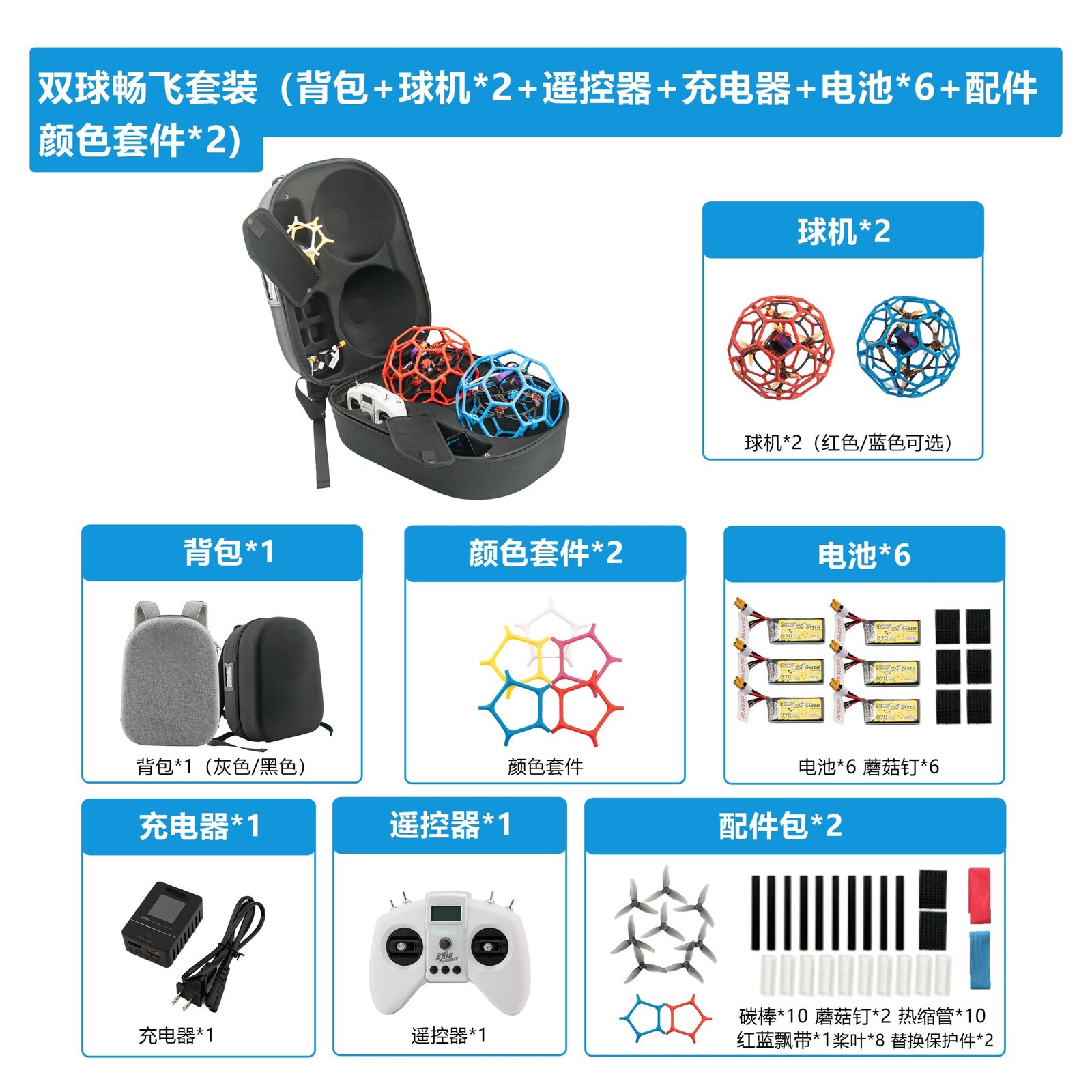
Why Schools and Clubs Should Care
Schools and youth programs have duty-of-care obligations. A product intended for children may require specific safety documentation before it can be used in a classroom or club. Procurement teams may also need to show funders and insurers that equipment was selected with safety in mind. Confirming the product’s compliance status reduces the risk of a program being paused after purchase.
Distributors and event organizers face similar questions. If a product is marketed to minors, the distributor may be asked for test reports or certificates. Having a clear compliance file helps answer those requests quickly.
What About Batteries and Shipping?
Drone soccer involves lithium batteries. Battery transport is a separate compliance area from toy safety. The U.S. Federal Aviation Administration (FAA) explains that lithium batteries are capable of thermal runaway and must be protected from damage and short circuit during air transport. Spare lithium ion batteries are limited to 100 watt hours (Wh) per battery for passengers, with some exceptions requiring airline approval. See the FAA guidance at FAA lithium batteries.
For commercial shipments, battery shipping rules differ from passenger carry-on rules. The FAA page notes that batteries carried for further sale or distribution are not permitted as passenger spare batteries. Schools and distributors should confirm shipping classification and documentation with the supplier. More detail is available in the battery shipping compliance section.
Common Mistakes in Drone Soccer Procurement
- Assuming all drones are exempt from toy rules because they fly.
- Assuming all drones are toys because children use them.
- Accepting verbal assurances without written test reports or certificates.
- Ignoring age grading and marketing language in tender documents.
- Confusing toy safety with radio, aviation or battery shipping rules.
- Failing to check whether standards changed since the supplier’s last test date.
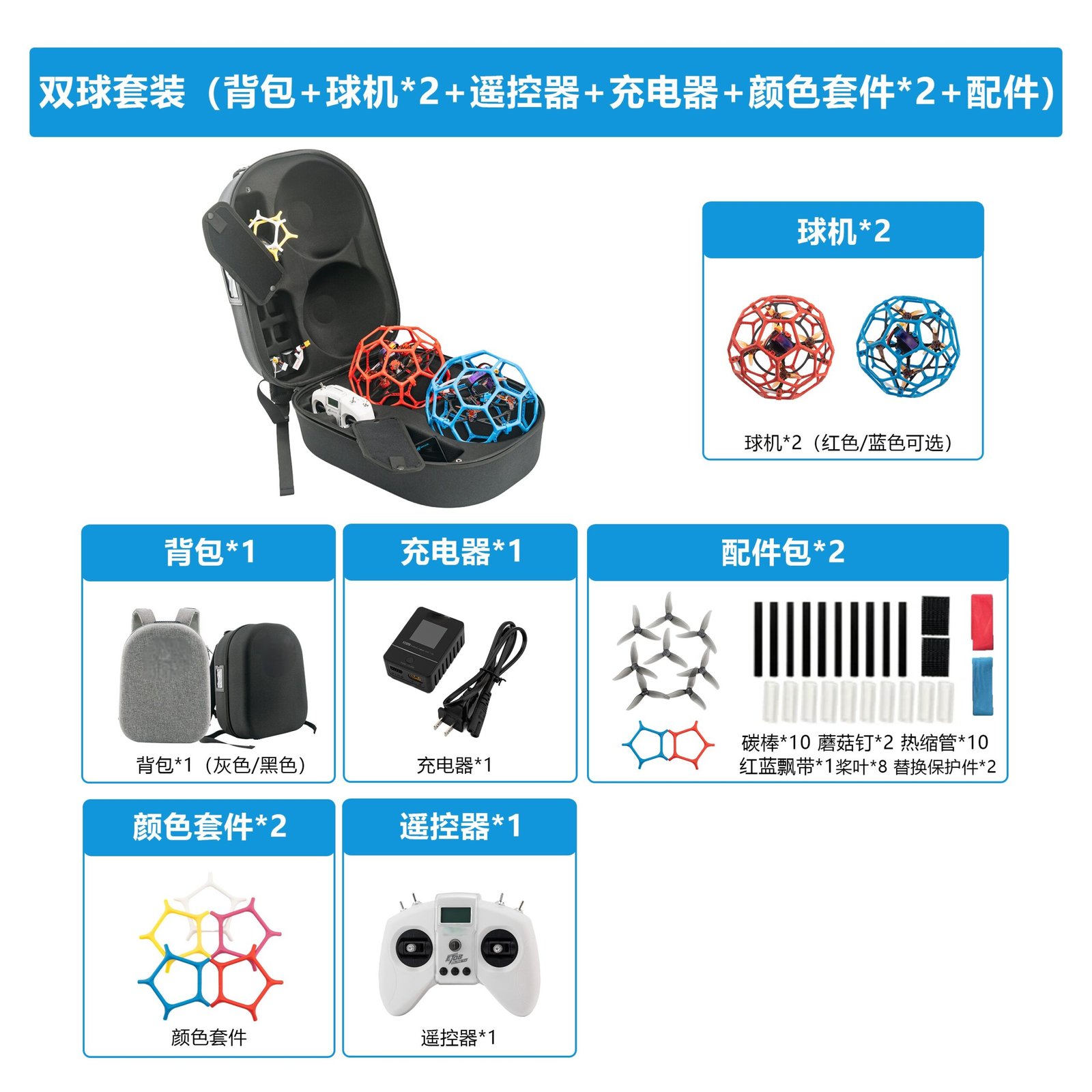
Practical Procurement Checklist
Use this checklist when evaluating drone soccer equipment for a school or youth program. Ask the supplier to confirm each item in writing.
- Intended age range and age grading on product and packaging.
- Written statement of applicable standards, including whether ASTM F963 is claimed.
- Copies of test reports and certificates, with dates and testing laboratory names.
- Children’s product certificate if the product is classified as a children’s product for the U.S. market.
- Battery type, Wh rating and shipping documentation.
- Export classification and any radio equipment approvals for your market.
- Warranty, spare parts and support terms in the purchase contract.
For a broader view of how these topics fit together, see the compliance center overview.
Planning a school drone soccer program? Request a School Program Quote and tell us your age group, market and documentation needs.
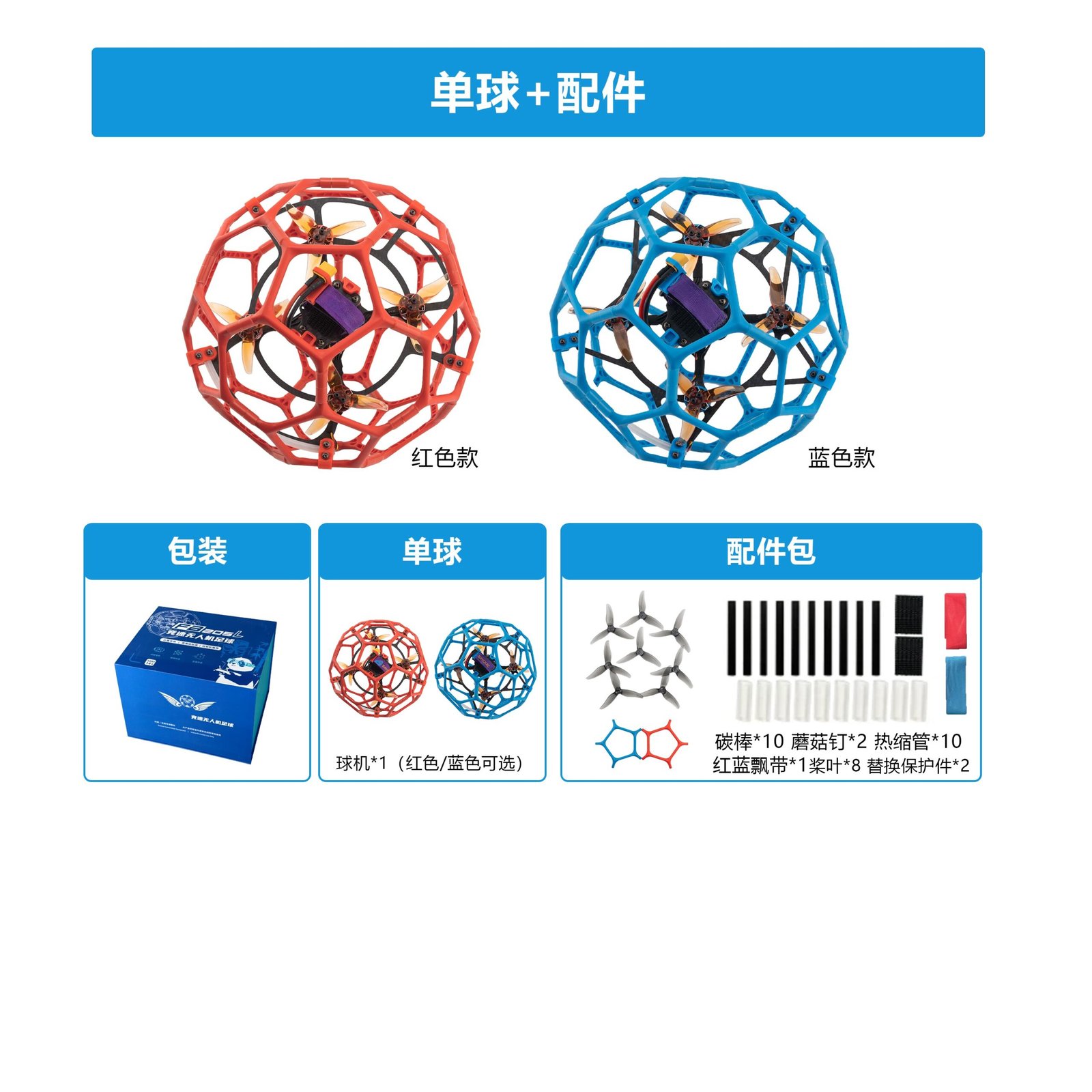
How DPF Can Support Your Compliance Questions
Drone Parts Factory supplies drone soccer equipment and components. We can discuss your program’s age group, market and documentation requirements. For product classification and export questions, see export control and product classification. Any specific certification, testing or labeling claim must be confirmed in your quotation and contract. We do not publish unverified warranty periods, MOQs or lead times; please request current terms in writing.
Frequently Asked Questions
1. Is ASTM F963 mandatory in the United States?
ASTM F963 is a voluntary consensus standard, but it is referenced by U.S. federal children’s toy safety requirements. Many children’s toys must be certified to applicable CPSC rules that include ASTM F963. Check the CPSC for current requirements.
2. Does ASTM F963 apply to all drones used by children?
No. Applicability depends on whether the product is designed or intended primarily for children under 14. Age grading, marketing and labeling are important. A drone sold as adult sports equipment is treated differently from a toy drone.
3. Is drone soccer a sport or a toy?
It can be either or both. Organized drone soccer is a sport with rules and competition. But if the product is marketed to children as a play product, toy safety rules may still apply. Buyers should seek written clarification from the manufacturer.
4. What documents should a school request from a supplier?
Request age grading, a written list of applicable standards, test reports with dates, any required children’s product certificate, battery documentation and shipping classification. Ask for these in writing before placing an order.
5. Do lithium battery rules affect drone soccer purchases?
Yes. Battery shipping and handling rules differ from toy safety rules. The FAA provides passenger guidance on lithium batteries, including Wh limits and terminal protection. Commercial shipping rules should be confirmed with the supplier and carrier.
6. Does ASTM F963 apply outside the United States?
ASTM F963 is a U.S. standard. Other markets have their own toy safety and drone rules. For the EU, check toy safety directives and UAS requirements. Always confirm the rules for the country where the product will be used.
7. Can a supplier claim ASTM F963 compliance without test reports?
A claim without supporting documentation is difficult to verify. Ask for test reports and certificates that identify the product and the standard. Confirm that the documents match the exact model and market you are buying.
Conclusion
ASTM F963 can apply to drone soccer products when they are intended primarily for children under 14, but applicability is not automatic. Schools, clubs and distributors should ask suppliers for written confirmation of the product’s classification, age grading and test documentation. Battery shipping, radio approvals and export classification are separate checks that should also be confirmed. When in doubt, request the documents before you buy.
Next step: Request a School Program Quote and include your age group, destination market and required compliance documents so our team can respond accurately.