Quick summary
For a class of 30 students, a practical starting point is 15–20 student drone soccer sets if students work in pairs or small teams, or 30+ if every student flies individually. Add 20–30% spare drones and at least one full spare parts set. The right number depends on class format, flight time per student, storage, and budget rather than a single universal rule. Use this guide to calculate quantities, then confirm pricing, lead times, warranty, and customization in writing with your supplier.
Key Takeaways
- Base kit quantity on how many students fly at once, not just total enrollment.
- Pair or team flying usually means 15–20 student sets for 30 learners; individual flying can require 30 or more.
- Plan 20–30% spare drones plus spare propellers, motors, batteries, and balls to keep a class running.
- Confirm MOQs, lead times, warranty, and spare-part availability in writing before committing to bulk procurement by schools and governments.
- Ask for a pilot sample and a written quotation that separates drones, spares, and optional customization.
Why kit quantity is not a simple headcount
Drone soccer is typically played with teams, and most school programs rotate students through short flights. That means the number of drones you need is driven by simultaneous flyers and session length, not by class size alone. A class of 30 can run with fewer drones if students share, or need more if every student must fly in one session.
Before requesting a quote, define four things: students per flight group, minutes of flight per student, session length, and whether the program is curricular or an after-school club. These four inputs turn a vague headcount into a defensible quantity.
How many drone soccer kits for 30 students?
Use the table below as a planning starting point. It reflects common school formats, not a fixed formula. Adjust for your own timetable and equipment-sharing policy.
| Class format | Students flying at once | Suggested student sets | Spare drones | Notes |
|---|---|---|---|---|
| Pairs, 1 drone per pair | 15 | 15–18 | 3–5 | Fewer batteries needed; more sharing time |
| Small teams of 3 | 10 | 10–12 | 2–4 | Good for teamwork and rotation |
| Individual flying | 30 | 30–36 | 6–10 | Highest cost; shortest waiting time |
| Club or competition squad | 6–12 | 12–18 | 4–6 | More spares for intensive use |
If your program runs multiple classes per week, treat the largest single class as the minimum and add spares for wear. If equipment is shared across grades, a slightly larger pool reduces scheduling conflicts.
How session length changes the count
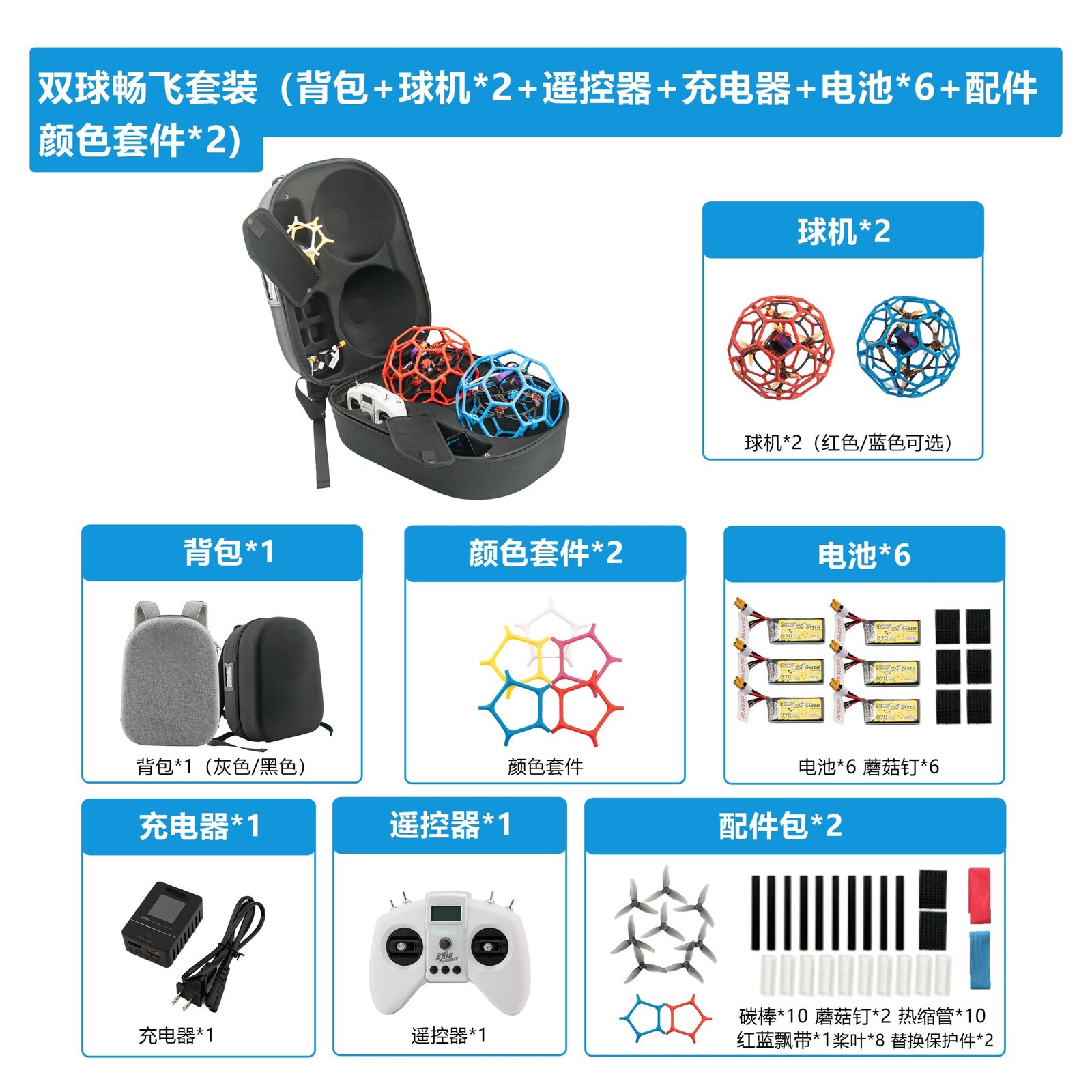
A 60-minute session with 30 students gives roughly two minutes per student if everyone flies once on a single drone. Sharing in pairs effectively doubles that. If your learning goals require more stick time, either add drones or extend the session across multiple weeks. Write down the target flight minutes per student before you size the order.
Spare ratio: the number schools underplan
Student equipment gets dropped, bumped, and mischarged. A common planning range is 20–30% spare drones, plus consumables. Spares are not waste; they are what keeps a 30-student class running when one aircraft is grounded. Ask your supplier which spare parts are field-replaceable and which require a technician.
What to include in each student set
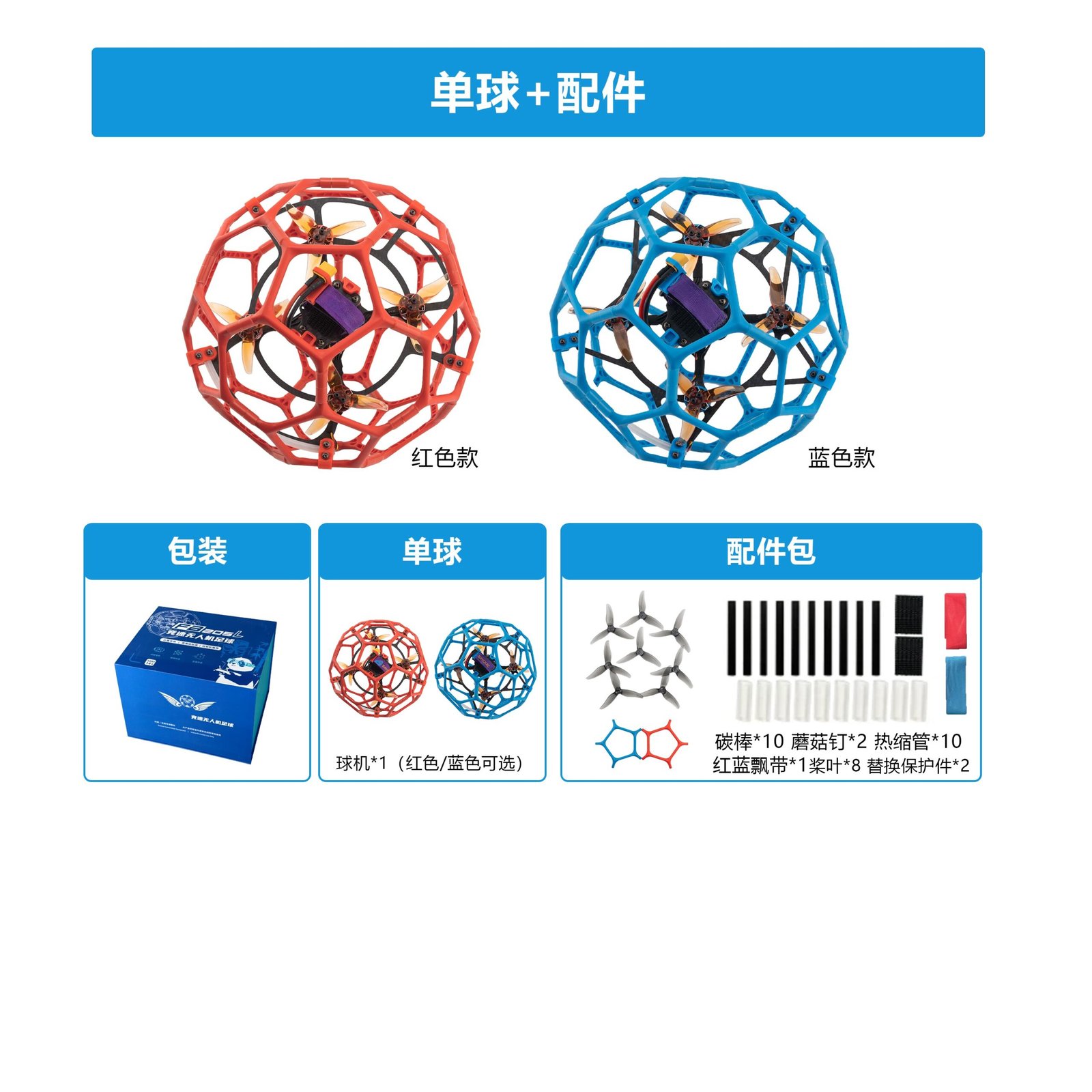
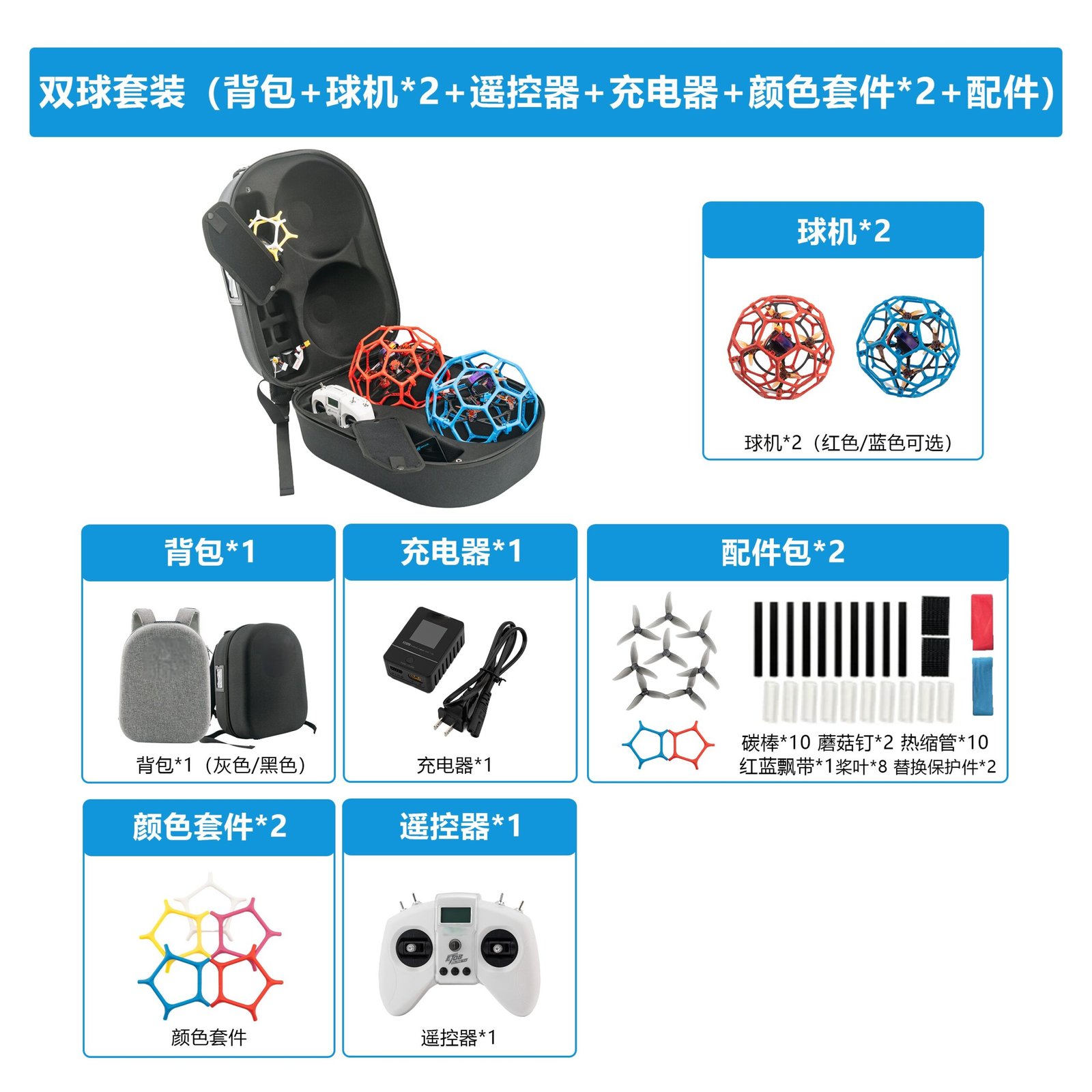
A usable student set goes beyond the aircraft. When comparing quotations, list every item so suppliers quote the same scope. Typical items include:
- Drone soccer aircraft suitable for the program level
- Protective cage or ball assembly
- Batteries and a safe charging method
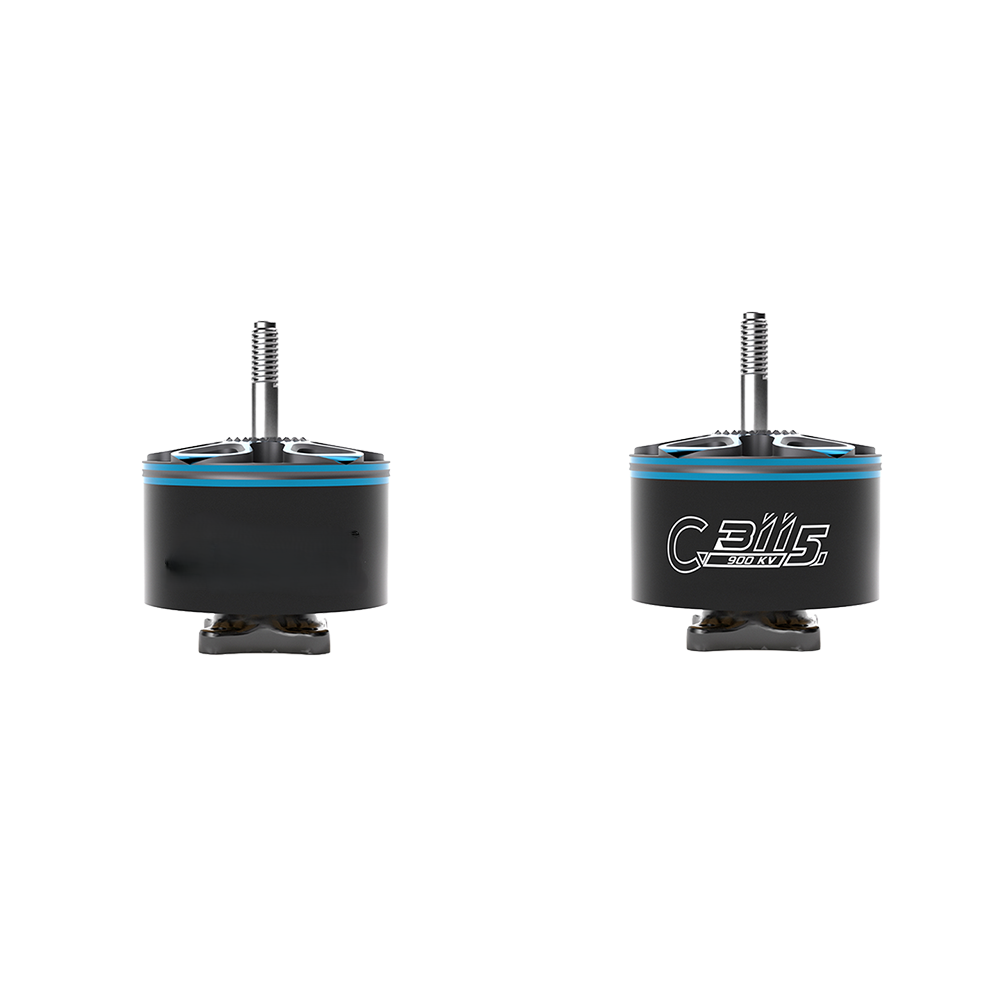
- Propellers and basic hand tools
- Controller/transmitter if not bundled
- Storage case or rack for classroom use
Ask whether the set is ready-to-fly or requires assembly. Assembly can be a learning activity, but it changes how many sets you can prepare before the first lesson.
Bulk procurement by schools and governments: budget and compliance questions
Public institutions often need documentation that private buyers do not. The exact requirements vary by jurisdiction, so confirm them with your procurement office before you request quotations. Questions worth asking your supplier in writing include:
- Can you provide an itemized quotation with part numbers and unit pricing?
- What is the minimum order quantity, and does it change with customization?
- What lead time applies to a first order versus repeat orders?
- What warranty terms apply, and who handles claims?
- Are spare parts available for a defined period after purchase?
- Can you support a pilot order before a full rollout?
For a broader view of how custom manufacturing relationships work, review the OEM/ODM service overview. If your program needs school branding on equipment or packaging, ask about logo and packaging customization early, because it can affect quantities and timelines.
Standard kits vs. customized bulk orders
Schools and government buyers usually choose between off-the-shelf kits and a customized bulk order. The table below outlines typical trade-offs. Treat the entries as general guidance and verify specifics with your supplier.
| Factor | Standard kits | Customized bulk order |
|---|---|---|
| Order size | Flexible, often smaller | Usually larger; MOQ may apply |
| Branding | Limited or none | Logo, colors, packaging possible |
| Lead time | Often shorter | Usually longer; confirm in writing |
| Spare parts | Standard catalog items | May be specified in the agreement |
| Budget predictability | Easier for small programs | Better unit economics at scale |
| Best for | Pilot classes, clubs | District rollouts, tenders |
If you are ordering for multiple schools, ask about bulk production scheduling so deliveries match your term dates. For step-by-step purchasing, see how to place an order.
Ready to size your program? Request a School Program Quote with your class format and session length, and ask for itemized pricing and spare-part availability.
Common mistakes in school drone soccer procurement
These mistakes show up repeatedly in education purchasing. Avoiding them saves budget and classroom time.
- Buying exactly one drone per student without spare capacity, then losing lessons to grounded aircraft.
- Ignoring consumables such as propellers, batteries, and balls that wear out during a term.
- Forgetting storage and charging requirements, which can limit how many drones a classroom can safely manage.
- Comparing quotes with different scopes, leading to false savings.
- Skipping the pilot order before a district-wide commitment.
- Not confirming warranty and spare-part terms in writing.
Buyer checklist before you commit
- Define students per flight group and target flight minutes per student.
- Calculate base sets using the table above.
- Add 20–30% spare drones and a consumables allowance.
- List every item you expect in a student set and request it in writing.
- Ask for an itemized quotation with part numbers, unit prices, MOQ, lead time, and warranty.
- Confirm spare-part availability and field-replaceable components.
- Request a sample or pilot order before full rollout.
- Check whether your procurement office requires specific documentation.
- Confirm delivery schedule against your school term dates.
Frequently asked questions
1. Is 30 drone soccer kits enough for 30 students?
Only if every student flies individually and you accept almost no spare capacity. Most schools use 15–20 sets for paired or team flying and add spares. Match the count to your session design, not the enrollment number.
2. How many spare drones should a school buy?
A common planning range is 20–30% of the active fleet, plus additional consumables. Confirm which spares are field-replaceable so staff can handle routine repairs.
3. Can we start with a small order and scale later?
Yes, many programs begin with a pilot class and expand. Ask your supplier how pricing and lead times change at higher volumes, and whether the same parts remain available for repeat orders. See private label drone parts if you need branded components later.
4. What information should we give a supplier for a quotation?
Provide class size, students per flight group, session length, number of classes per week, spare ratio, and any branding or documentation requirements. An itemized request makes comparisons fair.
5. Do government buyers need different documentation?
Requirements vary by jurisdiction and institution. Ask your procurement office which documents are mandatory, then confirm with the supplier in writing. Do not assume a standard package meets local rules.
6. How long does a bulk order take?
Lead time depends on quantity, customization, and component availability. Ask for a written lead time for your specific configuration and build in buffer before term start.
7. Can drones be branded for our school or district?
Branding options such as logo and packaging customization may be available depending on quantity and supplier capability. Request samples and confirm what can be customized in writing.
Conclusion and next step
For a class of 30, plan around 15–20 student sets for paired or team formats, or 30+ for individual flying, then add 20–30% spare drones and consumables. The exact number depends on your session design, budget, and storage. Before committing to bulk procurement by schools and governments, request an itemized quotation, confirm spare-part availability, and agree lead times and warranty terms in writing. Start with a pilot order if you can.
Request a School Program Quote with your class format and target flight minutes, and ask us to separate drones, spares, and optional customization in the response.