Quick summary
Bulk procurement by schools and governments usually follows a formal purchasing cycle: needs assessment, specification writing, budget approval, a quotation or tender process, compliance and safety review, then staged delivery and inspection. Because public and education buyers often must follow documented procedures, the parts supplier must provide clear specifications, consistent batch quality, and documentation the buyer can defend. For drone soccer (a team sport using rounded, guarded drones and a ball), the equipment must also survive repeated student use, fit training and competition formats, and be serviceable across multiple school sites.
Key Takeaways
- Public and school buying teams care as much about process and documentation as about unit price.
- Specifications should describe safety, durability, serviceability and compatibility, not just model numbers.
- Ask suppliers for batch consistency checks, spare-part availability and repair instructions in writing.
- Tenders usually reward bidders who can supply spares, training materials and staged delivery.
- Confirm compliance, warranty, lead time and MOQ in a signed document before any purchase order.
Who is actually buying?
Different public buyers have different rules, and the equipment package changes accordingly. Understanding the buyer type helps a supplier respond with the right documentation.
- Individual schools and school districts may buy directly or through a purchasing cooperative. They often need small starter sets, spare parts and teacher training.
- Municipal or regional youth programs may run leagues across several sites, so they need consistent equipment, shared rules and a repair pipeline.
- National or state education bodies may issue a tender or framework agreement covering many schools, with strict delivery and reporting requirements.
- Event organizers and clubs may need temporary or permanent competition sets, plus replacement stock for tournaments.
In practice, the same drone soccer (BKZ) equipment may be bought through several routes. Suppliers should be ready to quote the same specification in different formats.
What is the typical procurement process?
Most public-sector purchases move through a repeatable sequence, even when the buyer is a single school.
Step 1: Needs assessment
The school or program defines how many teams, how many sites, and what training or competition level the equipment must support. This turns into quantities and a rough budget.
Step 2: Specification writing
The buyer writes a specification that may include drone size class, guard and ball design, battery type, transmitter requirements, spare-part list and safety features. Vague specifications invite disputes later, so this stage matters.
Step 3: Budget approval
Public funds usually require an approved budget line before a purchase order can be issued. Suppliers may be asked for an indicative quote to support this step.
Step 4: Quotation or tender
Depending on value and jurisdiction, the buyer may request three quotes, run a request for quotation, or publish a formal tender. Evaluation criteria often include price, technical compliance, delivery schedule and after-sales support.
Step 5: Compliance and safety review
The buyer checks that the equipment and supplier meet local rules. These rules vary by country, state and even school district. The supplier should provide what the buyer asks for, and the buyer should confirm the exact requirements with their own legal or procurement office.
Step 6: Delivery, inspection and payment
Large orders are often delivered in stages. Each stage may be inspected against the agreed specification before payment is released.
For suppliers, the practical lesson is to prepare a “procurement pack”: specification sheet, spare-part list, packing list, compliance documents the buyer requests, and a clear quotation with validity period. Our how to place an order page explains the ordering steps from the supplier side.
Government vs school procurement: key differences
The table below compares typical patterns. It is general guidance, not a legal rule, because purchasing thresholds and rules differ by jurisdiction.
| Factor | School / district | Government body |
|---|---|---|
| Decision speed | Often faster, smaller committees | Usually slower, multiple approval layers |
| Process formality | Quotes or cooperative purchasing | Formal tenders or framework agreements |
| Specification detail | Practical, teaching-focused | Detailed, compliance-focused |
| Typical quantities | Class sets or a few teams | Multi-site or national rollouts |
| Documentation | Invoice, packing list, basic safety info | Full compliance file, reporting, audit trail |
| Payment terms | Often shorter cycles | May be milestone or staged payments |
What should a drone soccer specification include?
A good specification reduces returns and disputes. It should describe function and durability, not just a product name.
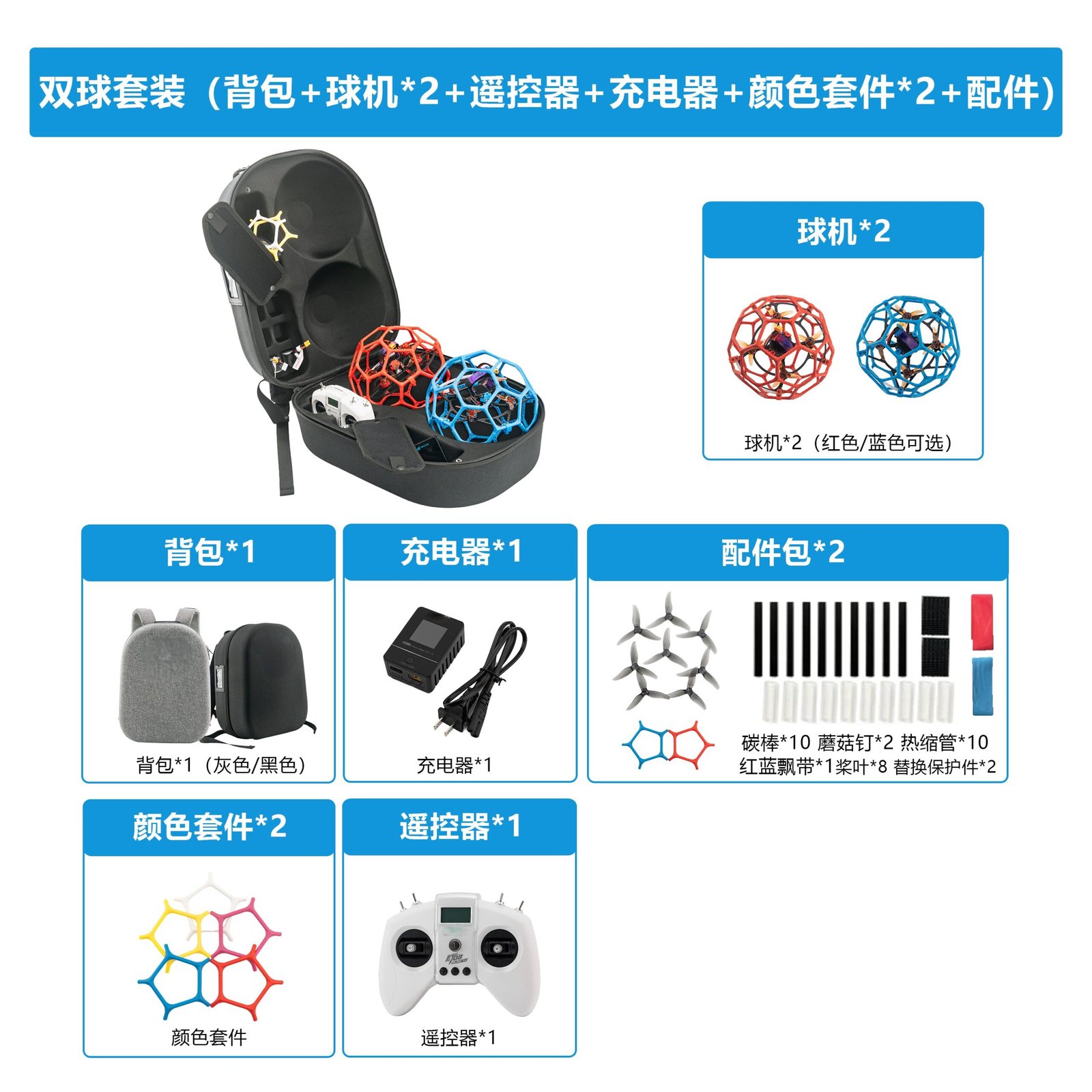
- Drone class and format: team size, ball type (single or double), and whether the equipment is for training or competition.
- Safety features: propeller guards, rounded outer shell, battery handling instructions and charging safety.
- Durability: expected crash resistance, replacement parts available, and how the frame or guard is repaired.
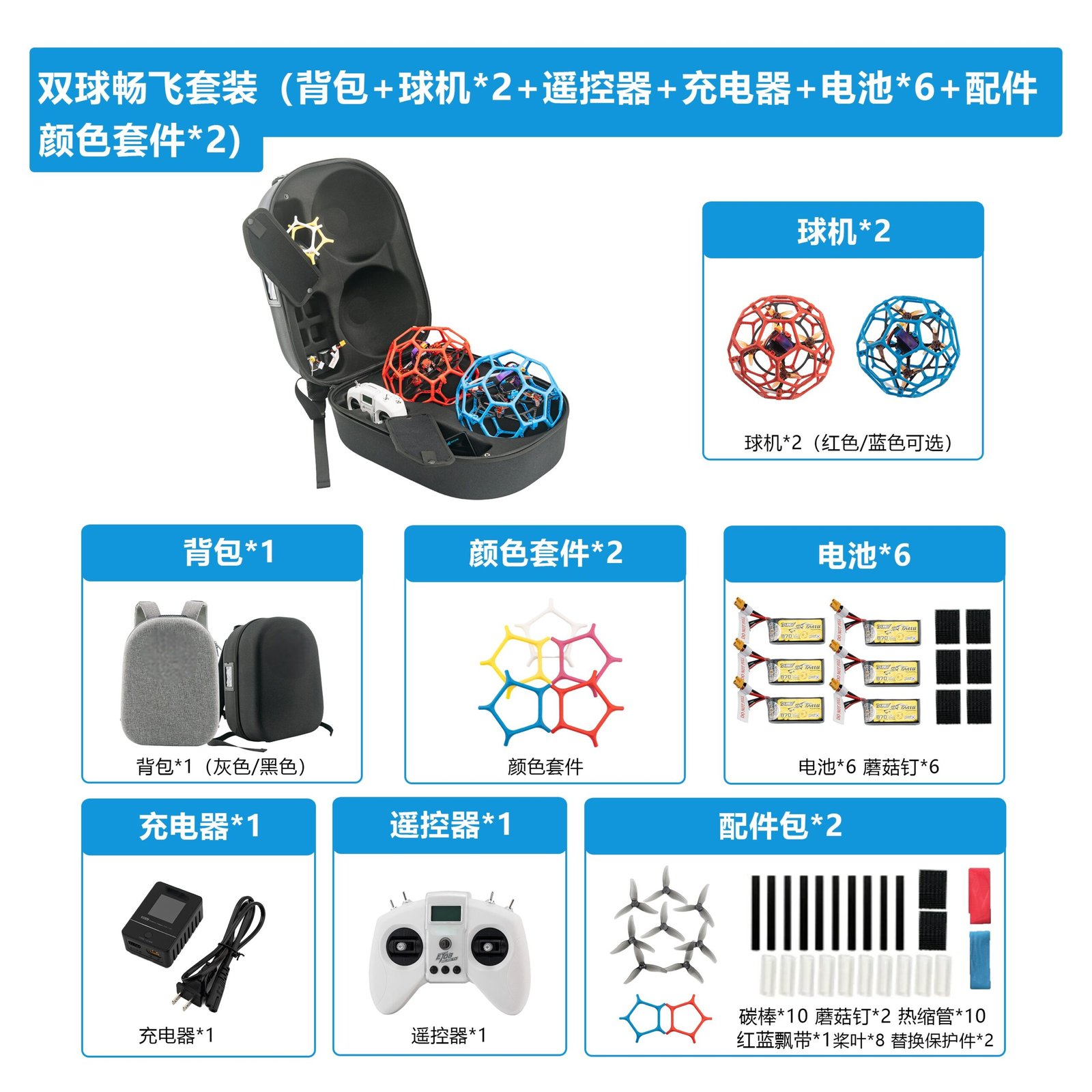
- Power system: battery type and connector, charger requirements, and spare battery plan.
- Control system: transmitter compatibility, binding procedure, and frequency rules for the buyer’s country.
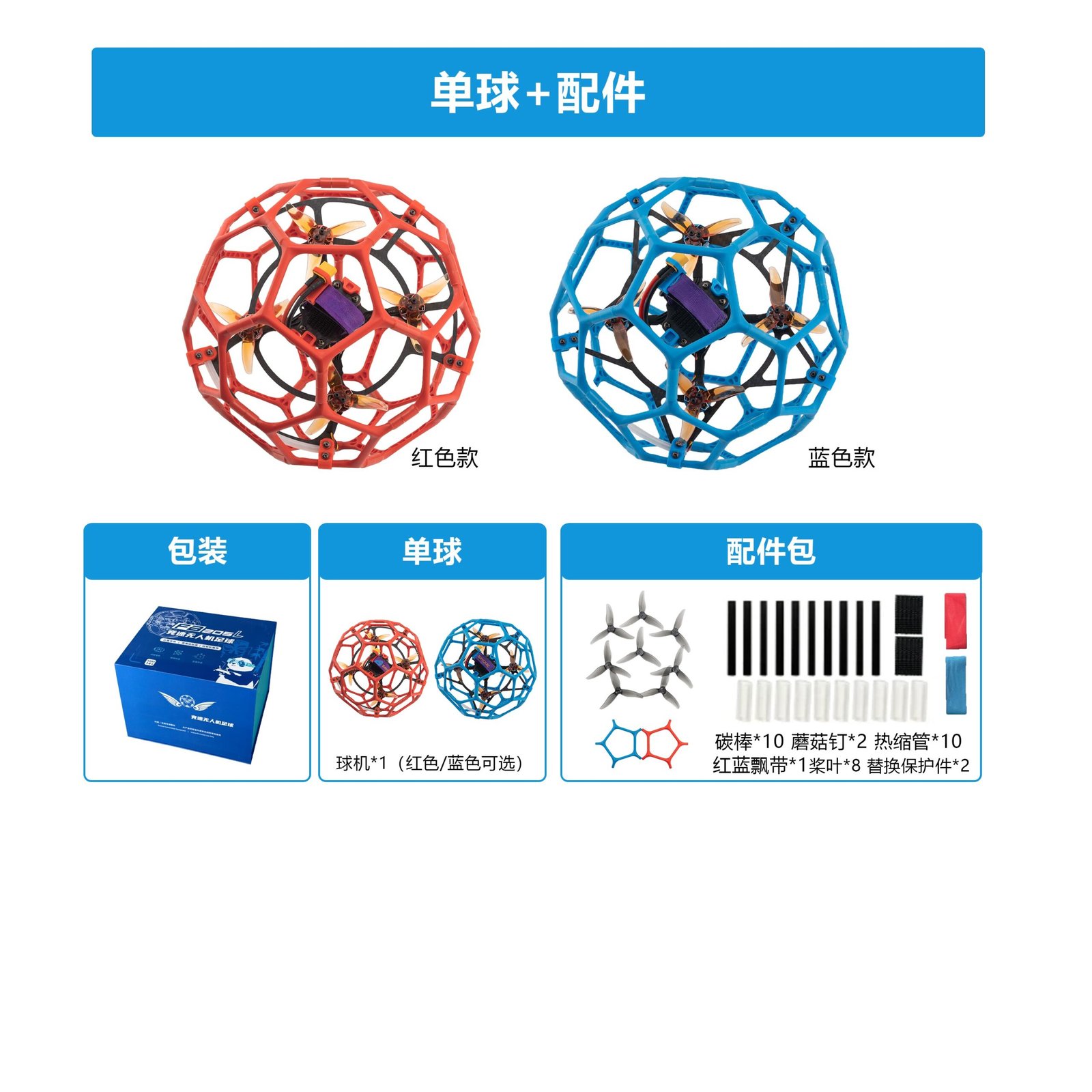
- Serviceability: availability of motors, propellers, guards, balls and electronic speed controllers.
- Packaging: case or carton that protects equipment during shipping and storage.
Where a supplier can support custom branding for school or program identity, that should be described separately from technical specs. See logo and packaging customization for how branding and packing options are usually handled.
Why spare parts decide whether a program survives
Drone soccer is a contact sport for machines. Guards, propellers, motors and balls wear out. A program with no spare-parts plan becomes a program with grounded drones.
For public buyers, spares are also a budget question. It is usually easier to approve one order that includes a spare-parts allowance than to request new funds every term. Suppliers should therefore quote a recommended spares ratio and explain which parts fail most often.
Ask the supplier to confirm in writing: which parts are user-replaceable, which need soldering or specialist tools, and whether repair guides are available. If a supplier cannot answer, that is useful information for the evaluation.
A practical spares list to discuss
- Propellers and propeller guards
- Motors and motor mounts
- Electronic speed controllers (ESCs), the boards that control motor speed
- Batteries and charging equipment
- Balls and ball mounting hardware
- Transmitters and receivers
- Frames, fasteners and landing parts
Compare the main purchasing routes
Buyers rarely have unlimited options, but it helps to see the trade-offs.
| Route | Best for | Watch-outs |
|---|---|---|
| Direct from manufacturer / OEM | Custom specs, larger volumes, branded kits | Longer lead time; buyer must manage compliance checks |
| Local reseller | Fast delivery, local support, smaller orders | Higher unit price; limited customization |
| Purchasing cooperative | Schools that want pre-negotiated terms | Product range may be fixed |
| Formal public tender | Government multi-site programs | High documentation burden; longer cycle |
Many successful programs combine routes: a tender or OEM order for the main fleet, plus a local reseller for urgent spares. If customization matters, the OEM/ODM service overview explains the general options.
Common mistakes in public and school drone purchases
- Buying drones without spares. The fleet shrinks after the first term.
- Ignoring frequency and local rules. Radio equipment must comply with the buyer’s country, and rules change.
- Specifying a brand instead of a function. This can exclude suitable suppliers and raise prices.
- Skipping the training plan. Teachers and coaches need time and materials to run a program safely.
- No acceptance criteria. Without them, inspection becomes subjective.
- Assuming one delivery works. Multi-site programs often need staged shipping.
Buyer checklist before issuing a purchase order
- Written specification covering safety, durability and compatibility.
- Quotation with clear validity period, Incoterms and currency.
- Confirmed spare-parts list and recommended quantities.
- Packing list and labeling requirements for each site.
- Compliance documents requested by your procurement or legal team.
- Warranty terms, return process and repair options in writing.
- Lead time, shipping method and staged delivery plan.
- Training or setup instructions for teachers and coaches.
- Payment milestones and inspection criteria.
- Named contact for after-sales and spare-part reorders.
If your organization needs custom components or private-label kits, discuss private label drone parts and bulk production early, because customization can affect lead time and minimum order quantities.
Planning a school or public program? Request a School Program Quote and tell us your team count, site count and spare-parts needs.
Frequently asked questions
1. Do governments buy drone sports equipment through the same process as office supplies?
Not always. High-value or specialized purchases may require a tender or framework agreement, while small orders may use a simpler quotation process. Thresholds and rules vary by jurisdiction. Your procurement office is the authority on which route applies.
2. What documents should a supplier provide for a school purchase?
Typically a specification sheet, quotation, packing list, invoice and the safety or compliance documents your school requires. Ask for the exact list in writing before ordering, and confirm which documents the supplier can actually provide.
3. How many spare parts should a program order?
It depends on team size, practice frequency and skill level. There is no universal ratio. Ask the supplier for a recommended spares package and compare it with your own experience, then confirm quantities in writing.
4. Can drone soccer equipment be customized with a school or program logo?
Many suppliers offer branding and packaging options. The scope, minimum quantity and lead-time impact must be confirmed in writing. Review logo and packaging customization for the general process.
5. What are the typical payment and delivery terms?
These vary by supplier, order size and destination. Public buyers often need terms that match their own payment cycles. Request the supplier’s standard terms, then negotiate and document any changes before the purchase order is issued.
6. How do we verify safety and compliance claims?
Ask for the specific document that supports each claim, check whether it applies to your country and use case, and verify with your own compliance or legal advisor. Do not rely on marketing statements alone.
7. What is the biggest risk in a large drone sports order?
Unexpected downtime from missing spares and unclear repair procedures. A written spares and service plan mitigates this more than a lower unit price.
Conclusion
Bulk procurement by schools and governments is a process problem as much as a product problem. Buyers who write functional specifications, plan for spares and confirm documentation in writing get programs that last. Suppliers who understand tender rules, offer consistent batch quality and support serviceability become long-term partners rather than one-off vendors.
Start with a clear specification and a written quotation. Then verify compliance, warranty, lead time, minimum order quantity and spare-part availability directly with the supplier before any purchase order is issued.
Next step: Request a School Program Quote with your quantities, sites and training goals, and ask for a sample or pilot batch before committing to a full rollout.