Quick summary
There is no single global certificate that lets a school or government agency buy any drone. Requirements come from the buyer’s own procurement rules, the intended use, and local airspace or safety law. For bulk procurement by schools and governments, treat certification as a documented evidence package that the supplier must provide and that the buyer must verify against its own written solicitation. DPF can supply product-level documents and support conformity files, but the buyer’s tender documents define what is mandatory. Always confirm the exact list in writing before awarding.
Key Takeaways
- Buyers usually specify requirements, not a universal certificate; the request for quotation or tender is the controlling document.
- Common evidence categories include product safety, electromagnetic compatibility, battery transport, radio equipment, and factory quality management.
- Certificates are valid only for the exact model, factory, and standard stated; model or factory changes can invalidate them.
- Schools often need simpler documentation than government agencies, but youth programs may still face insurance or safeguarding checks.
- For any unverified commercial term, ask the supplier for written confirmation and keep it in the procurement file.
Why certification requirements differ between schools and government agencies
Schools and government agencies rarely buy drones under the same rules. A school club may purchase against an internal budget policy, while a municipal or national agency may purchase through a formal tender with mandatory compliance clauses. That difference explains why two buyers can ask for very different paperwork for the same drone soccer (BKZ) parts.
For schools, the practical question is usually whether the product can be used safely on campus and whether it fits the institution’s insurance and risk policy. For governments, the question is usually whether the supplier can prove conformity with defined standards and trace the product to a controlled manufacturing process.
Because these rules are local and change, no article can list every requirement for every country. The reliable approach is to ask the buyer for its written specification and match supplier documents to that specification line by line.
Certification categories public buyers commonly request
Most public-sector requests fall into a small number of document categories. The exact standard, version, and issuing body must come from the buyer’s specification, not from a generic list.
Product safety and electrical compliance
Buyers may ask for evidence that a product meets a named safety standard for electrical or electronic equipment. For battery-powered drones and chargers, this often overlaps with battery and charging safety requirements. Ask which standard and edition the buyer requires, and whether the certificate must name the exact model and factory.
Electromagnetic compatibility
Electromagnetic compatibility (EMC) evidence shows that a device does not cause or suffer harmful interference under defined conditions. Agencies that operate radio equipment in shared spaces often request this. Confirm whether the report covers the frequency bands and power levels actually used in the delivered configuration.
Radio equipment and spectrum approval
Because drones use radio links, some buyers require radio equipment approval or a spectrum authorization for the country of use. This is highly jurisdiction-specific. A supplier can provide what it holds, but the buyer should confirm with its own regulator whether that document is accepted locally.
Battery transport and shipping documents
Lithium batteries are regulated for transport. Buyers may require transport test summaries or shipping declarations. These documents relate to transport rules rather than to product performance, and they are usually issued per cell or pack specification. Ask the supplier what it can provide and verify the requirement with the freight forwarder.
Factory quality management
Government tenders sometimes require the manufacturer to hold a quality management system certificate. This is a factory-level document, not a product certificate. If the buyer requires it, confirm the certificate scope covers the relevant production line and that it is current.
Material and restricted-substance declarations
Some public buyers request declarations on restricted substances or material content. These are typically supplier declarations rather than third-party certificates. Ask whether the buyer accepts a supplier declaration or requires independent testing.
Comparison table: typical school vs government verification focus
The table below is general guidance, not a regulatory list. Use it to prepare questions, then replace each row with the buyer’s actual written requirement.
| Verification area | School or youth program focus | Government agency focus | What to ask in writing |
|---|---|---|---|
| Product safety evidence | Often required by internal risk policy | Often mandatory in tender | Which standard and edition, and must the certificate name this model? |
| EMC / radio approval | Sometimes requested | Commonly requested | Is the document valid for the country of use and the delivered frequency configuration? |
| Battery transport documents | Needed for shipping, not usually for use | Often required by logistics clause | Who issues the document and does it match the shipped pack? |
| Factory quality certificate | Rarely requested | Sometimes requested | Does the certificate scope include the production line? |
| Traceability and batch records | Basic invoice and model record | May require batch or serial traceability | What traceability level is acceptable? |
| Sample approval before bulk | Common and recommended | Often a formal gate | Is a pre-production sample required and who signs it off? |
How certification interacts with bulk procurement by schools and governments
In bulk orders, certification questions multiply because more units, more spare parts, and more shipping movements are involved. A certificate that covers a single demo unit may not cover a later production batch if components or the factory change.
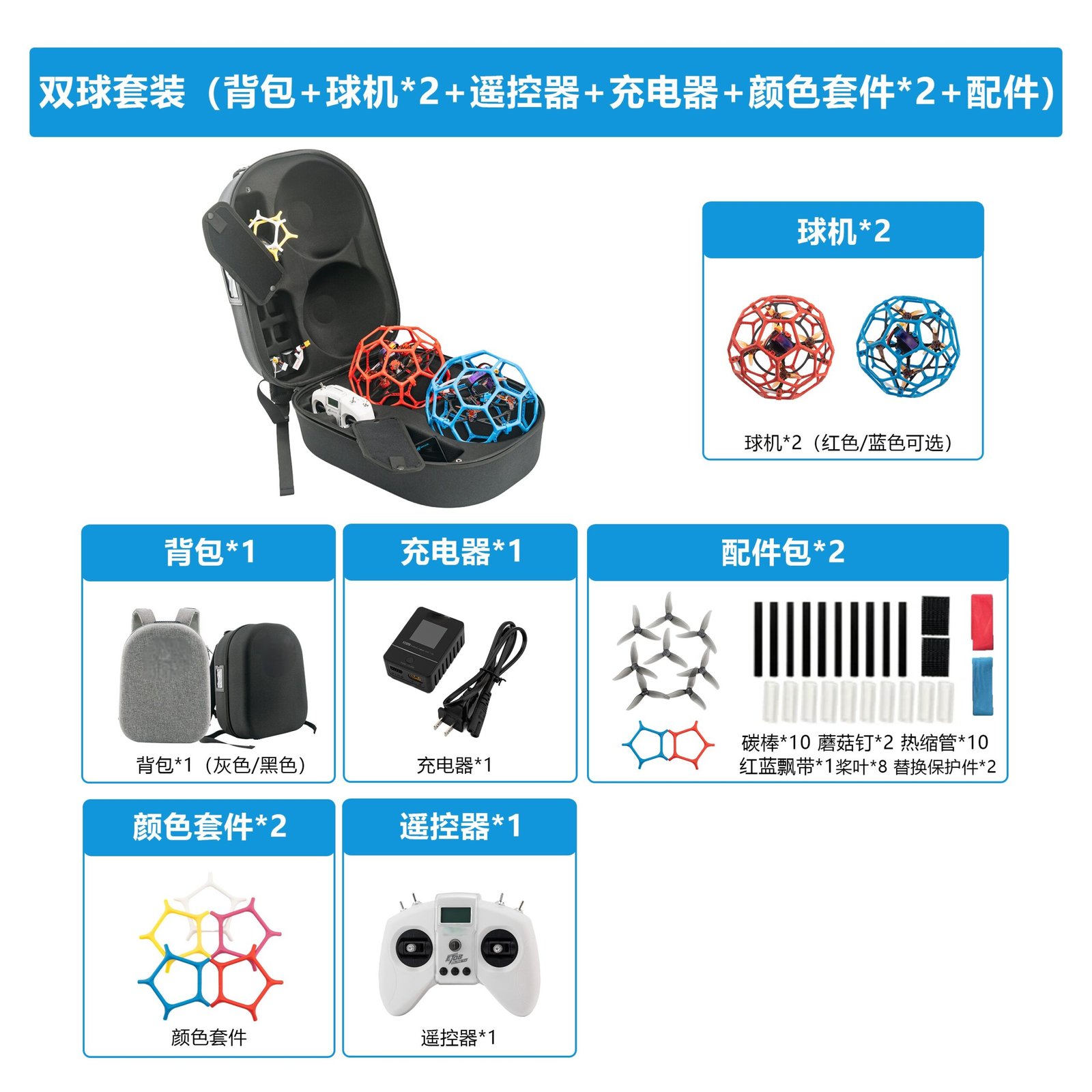
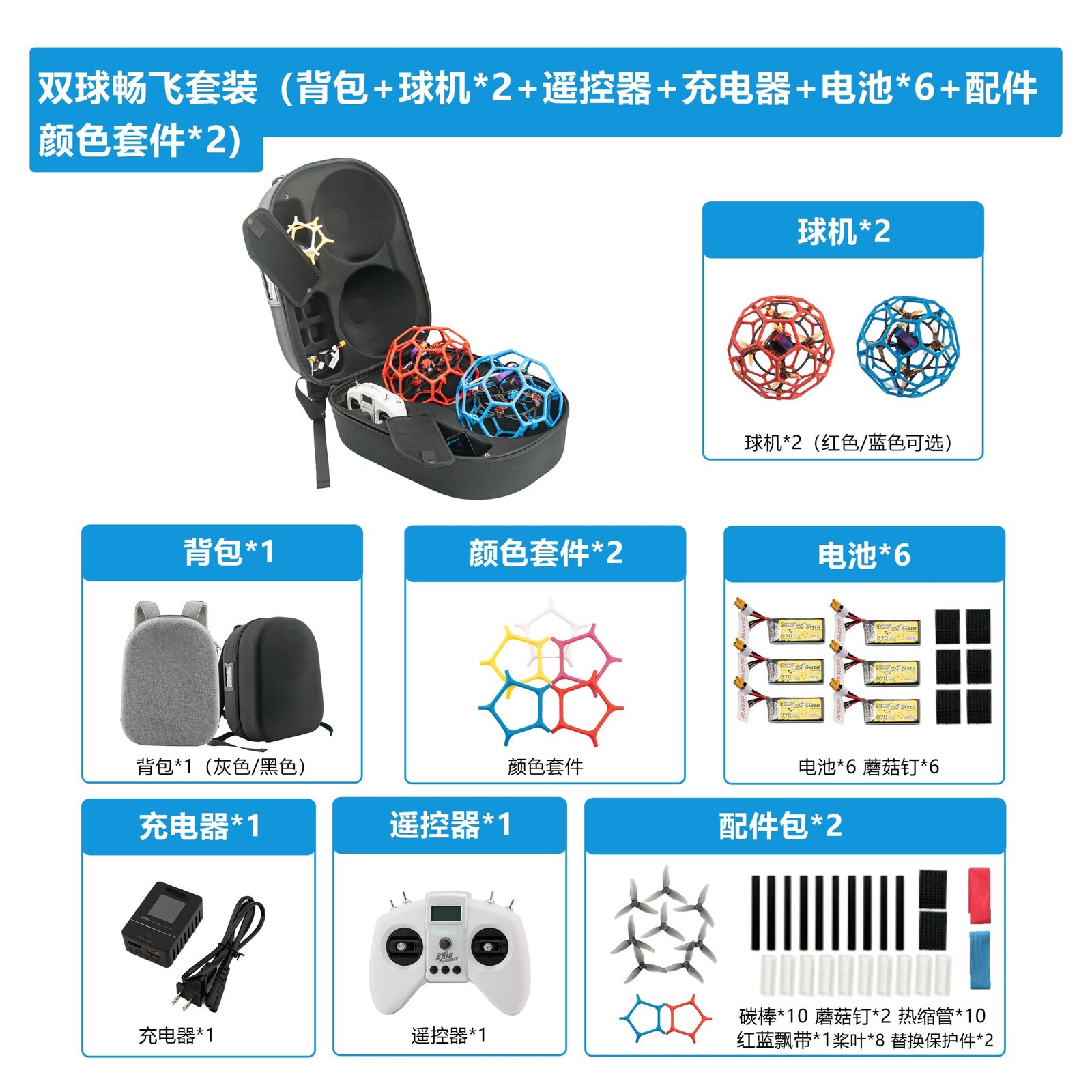
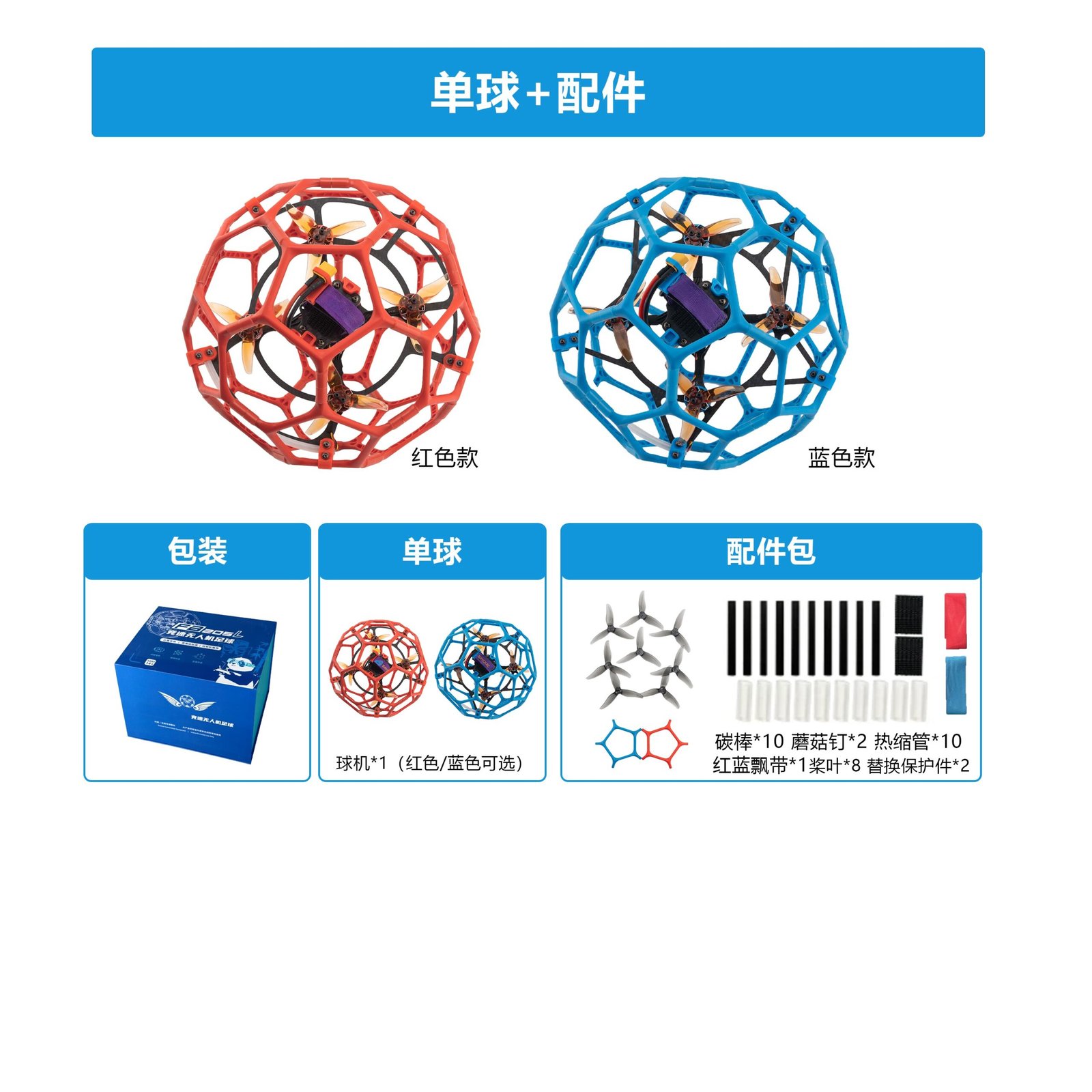
For drone soccer programs, bulk orders often include airframes, propellers, guards, balls, and spare components. Each item may fall under a different documentation category. The buyer should list every line item and map required documents to each one rather than treating the order as a single product.
This is also where OEM/ODM planning matters. If a school district or agency wants private-label parts, the certification question becomes part of the customization discussion. See our private label drone parts page for how branding changes can affect product documentation.
Common mistakes in public-sector drone procurement
Most problems come from assumptions rather than from missing products. The following mistakes appear often in education and government purchasing.
- Assuming a supplier certificate automatically satisfies the tender without checking the model, factory, and standard.
- Accepting an expired or out-of-scope certificate because it looks official.
- Forgetting that a private-label or customized version may need its own documentation.
- Leaving certification evidence until after the order, when changes are costly.
- Not recording who approved the evidence and when, which weakens the audit trail.
- Mixing general guidance from articles with the buyer’s actual legal requirements.
Practical procurement checklist for schools and agencies
Use this checklist as a working document. Add a column for the buyer’s exact clause reference and a column for the supplier’s evidence file name.
- Obtain the written specification or tender clause that lists required documents.
- List every product line item, including spares, balls, and accessories.
- For each item, record the required standard, edition, and issuing body.
- Confirm whether the certificate must name the exact model and manufacturing site.
- Ask whether a supplier declaration is accepted where a third-party certificate is not available.
- Request sample approval before bulk production and agree who signs it off.
- Confirm shipping documents for batteries with the freight forwarder.
- Record validity dates and set a renewal reminder before they expire.
- Keep all confirmations in the procurement file for audit.
Where DPF fits and what to confirm with us
DPF supports OEM/ODM manufacturing for drone soccer (BKZ) programs, distributors, event organizers, and procurement teams. Our role is to provide product documentation we hold and to support the conformity files a buyer needs.
What we cannot do is define your legal requirements. Those come from your jurisdiction and your tender. For that reason, we ask buyers to share the written requirement before quotation so the correct documents can be prepared.
If your project includes customized branding or packaging, review the process early. Our logo and packaging customization page explains how customization steps interact with production planning. For a wider view of our manufacturing scope, see the OEM/ODM service overview.
Trade-offs buyers should weigh
Certification and procurement choices involve trade-offs. Naming them early prevents later disputes.
- Cost vs. evidence depth: additional testing or documentation adds cost and time, but may be mandatory for public funding.
- Speed vs. customization: private-label changes can extend the documentation and approval path.
- Standard parts vs. bespoke parts: standard drone soccer components are usually easier to document than new designs.
- Single supplier vs. multiple suppliers: one supplier simplifies traceability but may limit competition.
- Local stock vs. direct import: local stock can shorten delivery but may not match the exact required configuration.
Illustrative example: preparing a school district inquiry
The following example is illustrative only and does not describe a real client or confirmed DPF terms. A school district planning a drone soccer league might send a request that lists: number of complete sets, spare propellers and guards, spare balls, expected delivery window, and any internal safety documentation required by the district.
The supplier response should separate what it can provide from what the buyer must verify. For example, the supplier may state that it holds certain product documents for a given model, while the district must confirm with its own risk office whether those documents satisfy district policy. This separation keeps the inquiry honest and makes evaluation easier.
Before placing a large order, districts often request a sample set to test with students and coaches. You can start that conversation through our how to place an order guide, which outlines the inquiry-to-production flow.
Frequently asked questions
Is there one certificate that covers all public-sector drone purchases?
No. Requirements come from the buyer’s procurement rules and local law. The buyer’s written specification is the controlling document, and suppliers should be asked to match it.
Do schools need the same certifications as government agencies?
Not necessarily. Schools often follow internal risk and insurance policy, while agencies may follow formal tender rules. Some overlap exists, but the exact list should come from each buyer.
Does a private-label version keep the original certification?
Not automatically. Changing branding, packaging, components, or the manufacturing site can affect the validity of a document. Ask the supplier and, where required, the issuing body for written confirmation.
How long are certificates valid?
Validity depends on the standard and issuing body. Buyers should record expiry dates and require updated documents before they lapse. Do not assume a fixed number of years.
Can DPF tell us exactly which certificates we need?
No. DPF can provide documents it holds and support conformity files, but legal requirements depend on your jurisdiction and procurement rules. Share your written requirement so we can respond accurately.
What should we do if a required document is not available?
Ask whether the buyer accepts an alternative form of evidence, such as a supplier declaration, and get that acceptance in writing before proceeding. If not, reassess the product or supplier.
How does certification relate to bulk production timelines?
Documentation review usually runs alongside sampling and production planning. Start the evidence discussion before bulk release so missing documents do not delay delivery. Confirm actual timelines with the supplier in writing.
Conclusion and next step
For bulk procurement by schools and governments, certification is a verification process, not a single paper. Start with the buyer’s written requirement, map every line item to its required evidence, and confirm each document’s scope, model, factory, and validity. Use a sample approval stage before bulk production, and keep all confirmations in the procurement file.
If you are planning a school drone soccer program or a government-funded youth initiative, share your requirement list with us. We can tell you what documentation we hold and what must be verified on your side, then prepare an accurate quotation. Request a School Program Quote to begin, or review bulk production planning if your order includes multiple sets and spares.