Quick summary
A Children’s Product Certificate (CPC) is a document, required under US Consumer Product Safety Commission (CPSC) rules, in which the manufacturer or importer certifies that a children’s product complies with applicable safety standards. For drone kits sold to schools, whether a CPC is required depends on whether the kit is classified as a children’s product, typically intended for children 12 or younger. Drone soccer equipment may also fall under sports equipment rules. Schools should confirm certification status in writing before purchase, as requirements vary by product design, age grading, and jurisdiction.
Key Takeaways
- A CPC is a self-issued certificate based on third-party testing, not a government-issued approval.
- Whether a drone kit needs a CPC depends on its intended user age; kits for older students or adults may not be classified as children’s products.
- Sports equipment rules can apply separately, especially for protective gear or balls used in drone soccer.
- Schools should ask suppliers for a copy of the CPC, test reports, and a written statement of compliance before purchase.
- For international shipments, battery transport rules and export classification add separate compliance layers.
What is a Children’s Product Certificate?
A Children’s Product Certificate (CPC) is a written document required by the US Consumer Product Safety Commission (CPSC) for certain products intended for children. It states that the product has been tested by a CPSC-accepted third-party laboratory and complies with applicable children’s product safety rules. The certificate is issued by the manufacturer or importer, not by the government.
The CPC must list the product, the applicable standards, the testing laboratory, and contact information for the responsible party. It is not a mark or logo on the product itself; it is a document that supports compliance. Schools and procurement teams should request a copy and verify that it matches the exact product being purchased.
How do children’s product and sports equipment rules apply to drone soccer kits?
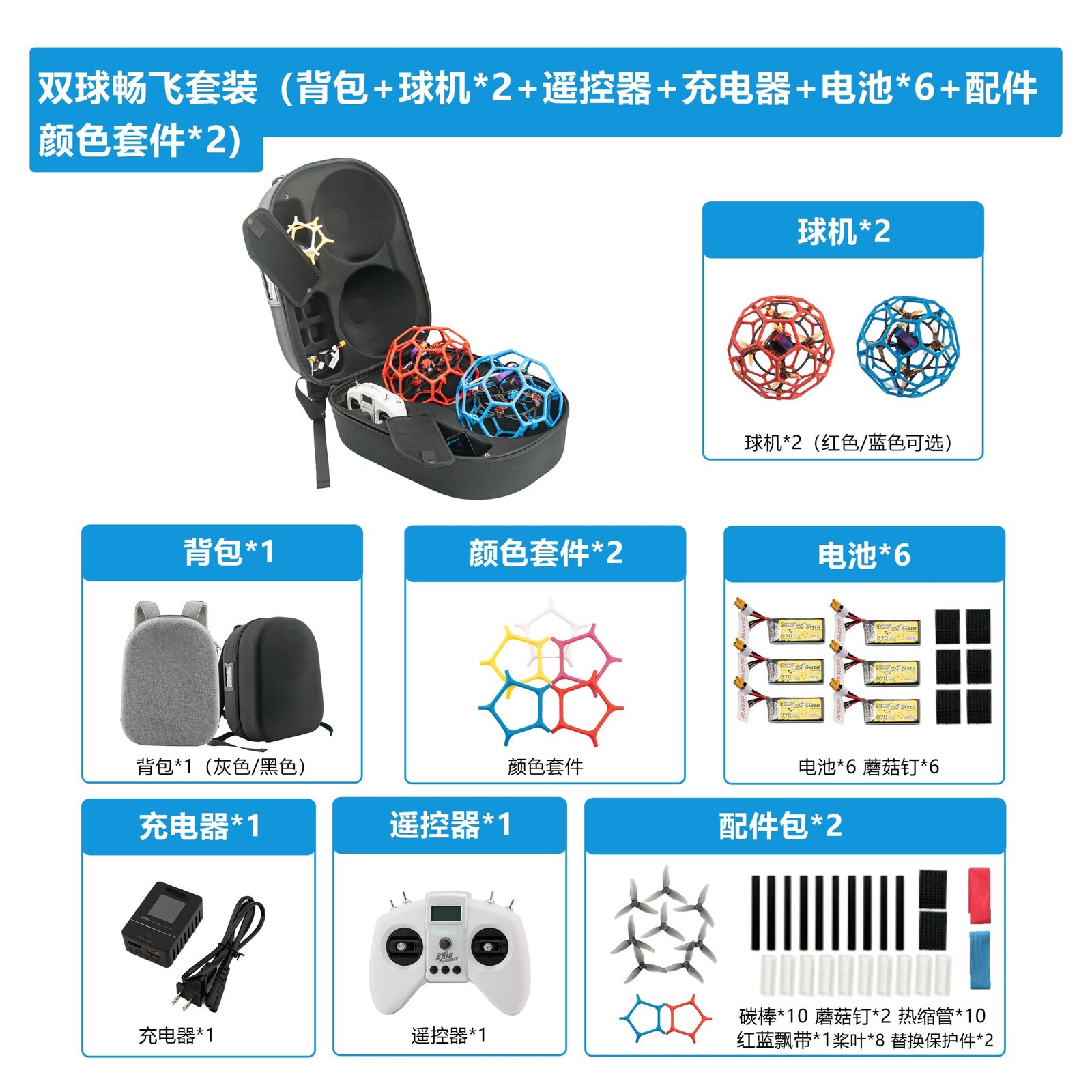
Drone soccer is a team sport where players fly drones through hoops and score goals. Kits include drones, balls, hoops, and sometimes protective gear. Whether these items are children’s products depends on how they are marketed and their intended age group. The CPSC generally considers a children’s product to be one designed or intended primarily for children 12 years of age or younger.
If a drone kit is marketed for use by children in that age range, it likely qualifies as a children’s product and may require a CPC. If the kit is intended for older students, such as high school teams or adult hobbyists, it may not be classified as a children’s product. However, other rules, such as sports equipment standards, may still apply.
Sports equipment rules can cover items like protective eyewear, helmets, or balls used in drone soccer. These rules may require testing and certification under separate standards. Schools should ask suppliers which standards apply to each component of the kit.
Comparison: Children’s product vs. sports equipment vs. general consumer product
| Category | Typical age group | Possible certification | Examples in drone soccer |
|---|---|---|---|
| Children’s product | 12 years or younger | CPC required | Drone kits marketed for elementary or middle school |
| Sports equipment | Varies | May require separate testing (e.g., ASTM standards) | Protective gear, balls, hoops |
| General consumer product | 13+ or adults | General safety rules may apply, but not CPC | Advanced drone kits for high school teams |
Note: This table is a general guide. Actual classification depends on product labeling, marketing, and intended use. Always confirm with the supplier and, if needed, a compliance specialist.
Why schools should care about CPC and sports equipment rules
Schools have a duty of care to students and staff. Using equipment that lacks proper certification can create safety risks and liability exposure. A CPC provides evidence that the product has been tested to relevant safety standards. For sports equipment, compliance with standards can reduce the risk of injury.
Additionally, many school procurement policies require documentation of compliance before purchase. Without a CPC or equivalent, a purchase order may be delayed or rejected. Understanding these rules helps schools ask the right questions and avoid disruptions.
What should procurement teams request from suppliers?
When sourcing drone kits for schools, ask for documentation that supports compliance. This includes the CPC if applicable, test reports from a CPSC-accepted laboratory, and a written statement of compliance for sports equipment standards. Also request information on battery safety and shipping compliance.
For international shipments, confirm that the supplier understands export regulations and battery transport rules. For example, lithium batteries must be protected from short circuit during transport, and spare batteries are subject to quantity limits in carry-on baggage under US rules (49 CFR 175.10(a)(18)). See battery shipping compliance for more details.
Ask the supplier to provide a sample CPC and test report for a similar product, and confirm that the documents will be updated for the specific model you are purchasing. Do not accept generic certificates that do not name the product.
Common mistakes when evaluating compliance for school drone programs
- Assuming all drone kits need a CPC. Age grading is key; kits for older students may not require one.
- Accepting a certificate without checking the product name and model. The CPC must match the exact product.
- Ignoring sports equipment standards. Balls, hoops, and protective gear may have separate requirements.
- Overlooking battery transport rules. Lithium batteries are regulated for shipping; see FAA lithium battery guidance.
- Failing to confirm jurisdiction. US CPSC rules do not automatically apply in other countries; check local regulations.
Buyer checklist for drone kits sold to schools
- ☐ Confirm the intended age group for the drone kit.
- ☐ Request a copy of the CPC if the kit is a children’s product.
- ☐ Verify that test reports come from a CPSC-accepted laboratory.
- ☐ Ask which sports equipment standards apply to balls, hoops, and protective gear.
- ☐ Request a written statement of compliance for all components.
- ☐ Confirm battery shipping compliance and documentation.
- ☐ Check if the supplier has experience with school procurement.
- ☐ Review the compliance center overview for general guidance.
- ☐ For EU purchases, review EU UAS requirements.
Need help navigating compliance for your school drone program? Our team can provide guidance on documentation and certification. Request a School Program Quote to discuss your needs.
How does export control relate to drone kits?
Drone kits may be subject to export control regulations depending on their capabilities and destination. For example, certain drones with advanced features may require an export license. Schools purchasing from international suppliers should confirm that the supplier complies with export laws. See export control and product classification for more information.
Additionally, if the drone kit includes radio equipment, it may be subject to radio frequency regulations in the destination country. Ask the supplier for documentation on radio compliance.
Frequently Asked Questions
Does every drone kit sold to schools require a CPC?
No. A CPC is required only if the product is classified as a children’s product, generally intended for children 12 or younger. Kits for older students may not require a CPC, but other rules may apply.
Who issues a CPC?
The manufacturer or importer issues the CPC based on third-party testing. It is not issued by the government.
Are sports equipment rules the same as children’s product rules?
No. Sports equipment rules are separate standards that may apply regardless of the user’s age. For example, protective eyewear may need to meet impact resistance standards.
What if the supplier cannot provide a CPC?
If a CPC is required and the supplier cannot provide one, the product may not be compliant. Schools should consider alternative suppliers or request additional testing.
Do I need a CPC for drone kits used in after-school programs?
If the program is for children 12 or younger, the kit may be considered a children’s product and require a CPC. Confirm with the supplier and your legal team.
How do battery shipping rules affect school purchases?
Lithium batteries are regulated for transport. Spare batteries must be protected from short circuit and may be subject to quantity limits. See the FAA guidance for details.
Can a CPC from one country be used in another?
No. CPCs are specific to US CPSC rules. Other countries have their own certification requirements. Check local regulations.
Conclusion
Understanding the Children’s Product Certificate and how it applies to drone kits sold to schools is essential for safe and compliant procurement. Schools should verify age grading, request CPCs and test reports, and confirm sports equipment standards. For international purchases, consider battery shipping and export control rules. By asking the right questions, schools can ensure a smooth and safe drone soccer program.
Next step: Request a School Program Quote to discuss your specific requirements with our team.