Quick summary
In short, consumer and educational-use compliance differ mainly in product-safety classification, intended-user assumptions, and documentation depth. Consumer drones are treated as general consumer electronics, while educational-use systems such as drone soccer (BKZ) kits often fall under children’s product and sports equipment rules when intended for youth and schools. Batteries add transport rules; EU users face UAS requirements. For procurement, confirm scope, documentation, and labeling per destination, not general assumptions.
Key Takeaways
- Consumer compliance focuses on general electronics and radio safety; educational compliance adds children’s product and sports equipment rules when youth are the intended users.
- Battery packs dominate shipping compliance, regardless of end use.
- EU UAS requirements apply to operation and product placement, independent of school vs consumer framing.
- Schools should request a written compliance matrix per product and destination before purchase.
- Do not assume consumer warranty or return rules transfer to institutional B2B purchases.
Why this distinction matters for schools, clubs, and distributors
Educational buyers often assume that if a drone is sold to consumers, it is automatically fine for schools. That is not always true. The intended user changes the compliance profile: children’s product rules may be triggered when items are designed or marketed for children, and sports equipment rules may apply to protective gear and competition hardware. Distributors and event organizers also need this information to avoid customs delays or liability gaps. For a structured view, see our compliance center overview.
What is the difference between consumer and educational-use compliance?
Consumer compliance generally covers electrical safety, radio spectrum, and general product safety for adult users. Educational-use compliance often adds documentation and labeling related to children’s product safety and sports equipment rules when the product is intended for youth training. The exact requirements depend on your jurisdiction and the product’s intended user. This is not a simple binary: a single drone soccer kit can be a consumer electronic, a children’s product, and a sports accessory at the same time.
Children’s product and sports equipment rules explained
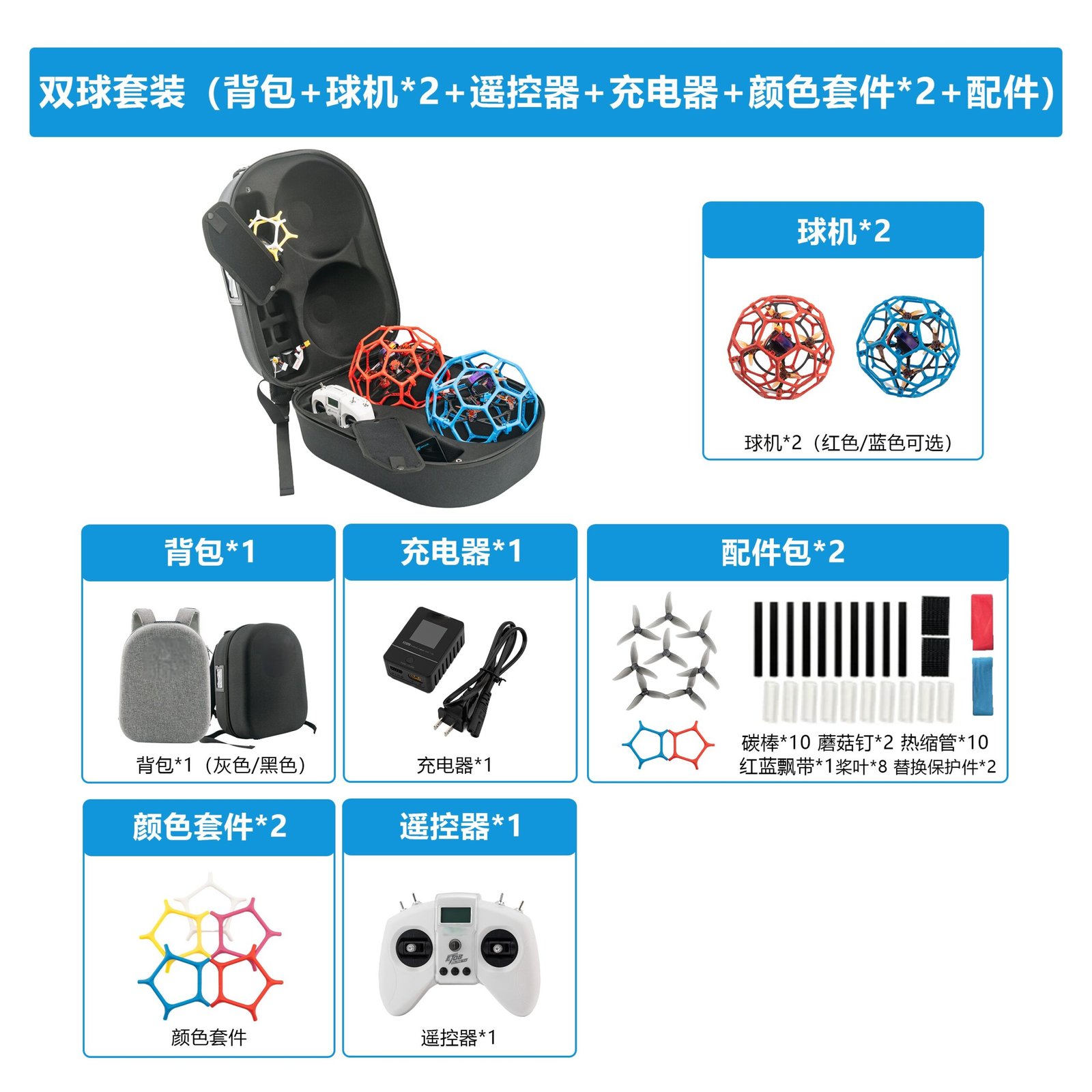
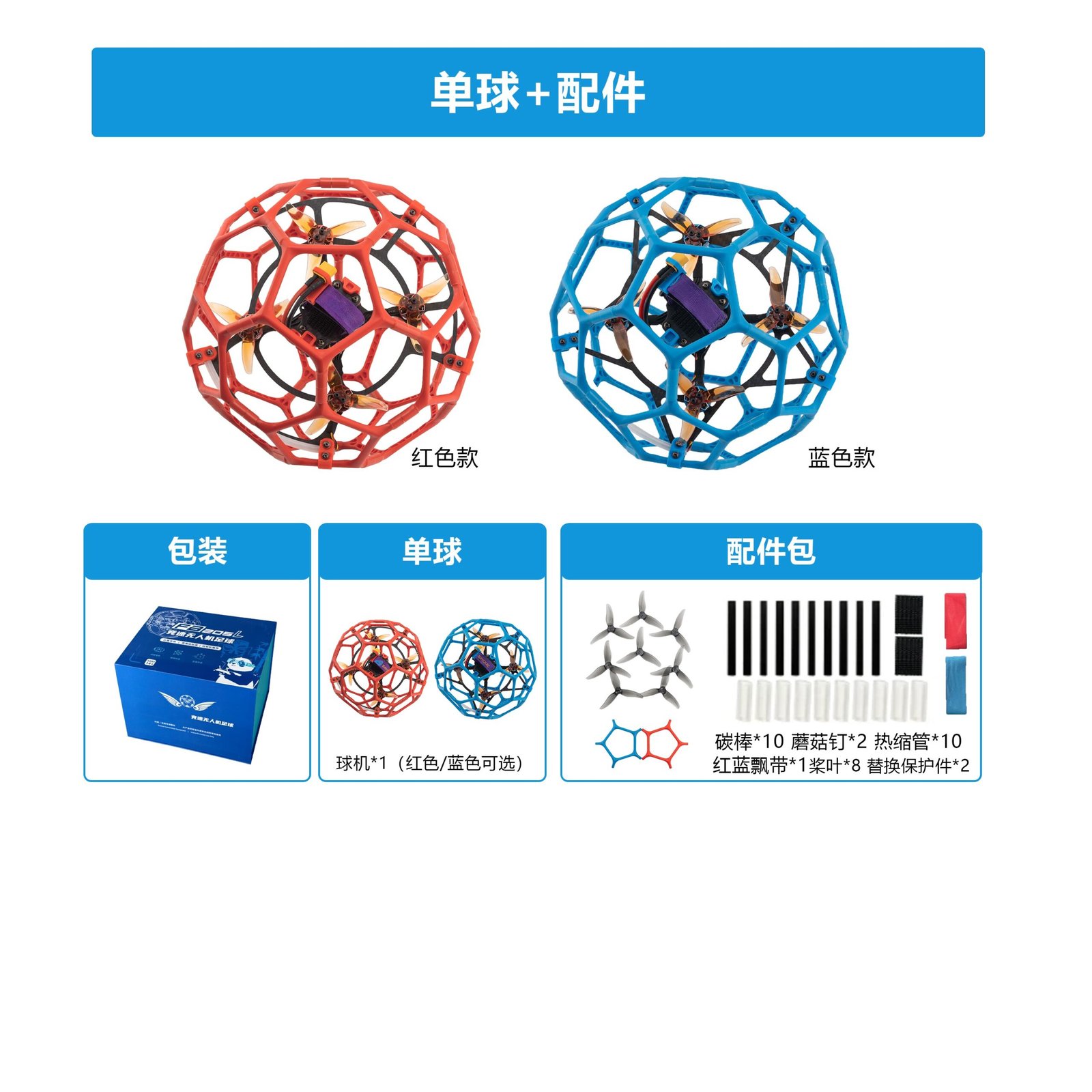
Children’s product rules typically require tighter limits on small parts, sharp edges, and chemical content, plus warnings and age grading. Sports equipment rules may cover impact protection, field safety, and performance labeling. For drone soccer, the ball, protective cage, and transmitter accessories are the components most likely to fall under one or both rule sets. Speak with your compliance team or a qualified testing lab to determine classification for your exact SKU and destination.

How battery shipping compliance applies to both
Battery transport rules apply regardless of whether the drone is sold to a consumer or a school. The FAA notes that lithium batteries are required to undergo safety testing, and that spare lithium batteries must be carried in carry-on baggage only, with terminals protected from short circuit. It also states that batteries carried for further sale or distribution are prohibited in passenger baggage. For a deeper dive, see our battery shipping compliance page. Always check with your carrier and freight forwarder for specific restrictions.
EU UAS requirements for educational programs
EU UAS requirements apply to drone operation and product placement in the European Union, including educational flights. Schools and clubs should verify class markings, remote ID, and operator registration rules. These requirements exist independent of the consumer vs educational framing. See our EU UAS requirements section for a starting point, then confirm with your national aviation authority.
Consumer vs educational-use compliance: side-by-side comparison
The table below summarizes typical differences. It is general guidance, not a legal determination for your product.
| Aspect | Consumer use | Educational use |
|---|---|---|
| Primary safety focus | Electrical, radio, general product safety | Adds children’s product and sports equipment rules |
| Intended user | General adult consumer | Youth, students, supervised training |
| Documentation | Declaration of conformity, basic warnings | May require age grading, small-parts testing, sports safety labeling |
| Battery transport | Same lithium battery rules apply | Same lithium battery rules apply |
| Warranty/returns | Consumer protection laws may apply (jurisdiction-specific) | Typically governed by B2B contract terms |
| EU operation | Open category UAS rules | Same UAS rules plus institutional policies |
Note: This table is illustrative. Confirm exact requirements with your compliance advisor and the destination authority.
Common mistakes in educational drone procurement
- Assuming consumer approval automatically covers school use with minors.
- Overlooking sports equipment rules for protective cages and competition balls.
- Shipping spare batteries in checked baggage or without terminal protection.
- Using consumer warranty expectations for institutional purchases without a written contract.
- Ignoring EU UAS registration and class marking for school flights.
Buyer checklist for schools and distributors
Use this checklist before finalizing any drone soccer (BKZ) order for an educational program.
- Confirm intended user age range and whether children’s product rules apply in your destination.
- Request test reports and declarations of conformity for the exact SKU.
- Verify sports equipment compliance for balls, cages, and protective gear.
- Review battery shipping documentation, including UN 38.3 test summaries and carrier requirements.
- Check EU UAS class marking and remote ID if operating in the EU.
- Clarify warranty, spare parts, and return terms in writing for B2B purchases.
- Ask for a compliance matrix per product and destination.
If you need help interpreting product classification, our export control and product classification resource is a useful starting point.
Middle CTA
Planning a school drone soccer program? Request a School Program Quote to discuss your compliance and procurement needs.
Trade-offs and practical considerations
Stricter compliance can increase cost and lead time, but it reduces risk of customs seizure, liability, and program shutdown. For some schools, a consumer-grade kit with added supervision may be acceptable; for others, a fully documented educational SKU is required. Distributors should weigh market access against documentation burden. Always separate general guidance from supplier-specific commitments. Request written confirmation of any compliance claims.
Frequently asked questions
1. Is a consumer drone automatically allowed in schools?
No. Schools may need additional documentation for children’s product and sports equipment rules. Check with your institution and local authority.
2. Do educational drones need different battery shipping labels?
Battery shipping rules are generally the same regardless of end use. Follow carrier and regulatory requirements for lithium batteries.
3. What are children’s product and sports equipment rules?
Children’s product rules address safety for users under a certain age, while sports equipment rules cover performance and protection for athletic gear. Exact definitions vary by jurisdiction.
4. Do EU UAS requirements apply to school drone soccer?
Yes, EU UAS rules apply to operation in the EU, including educational flights. Verify class markings and registration.
5. Can I use consumer warranty for a school purchase?
Consumer warranty laws may not apply to institutional B2B purchases. Confirm warranty terms in your contract.
6. How do I verify compliance for a drone soccer kit?
Request test reports, declarations, and a compliance matrix from your supplier. Confirm with a qualified lab or advisor.
7. Are there special rules for drone soccer balls?
Balls and cages may fall under sports equipment or toy safety rules depending on design and intended user. Confirm classification.
Conclusion and next step
Consumer and educational-use compliance differ mainly in intended-user rules and documentation depth. For schools, clubs, and distributors, the safest path is to verify children’s product and sports equipment rules, battery shipping, and EU UAS requirements for your specific destination. Do not rely on general assumptions. To discuss your program and get a tailored quote, Request a School Program Quote today.