Quick summary
Students should report a LiPo (lithium polymer) battery immediately if they see swelling or a puffy, rounded case; a punctured, cut or crushed cell; leaking fluid or a sweet chemical smell; scorch marks, melted shrink wrap or blackened connectors; a cell that stays hot after charging; a cell voltage that will not balance; or any hissing, popping or smoke. Any one of these signs means the pack should be taken out of service and handed to a supervising adult — never charged, flown or stored in a bag with other packs.
Key Takeaways
- Swelling, punctures, leaks, heat, smoke and balance failures are the highest-priority signs students must report.
- Students should never attempt to repair, discharge or dispose of a suspect LiPo themselves — reporting and quarantine are adult tasks.
- A simple “stop, don’t touch, tell an adult” rule is easier for young learners to remember than a long technical checklist.
- Schools should pair battery inspection training with a written reporting log and a fire-resistant charging and storage routine.
- In drone soccer, prop strikes and hard landings make physical battery damage more likely, so pre- and post-flight checks matter every session.
Why LiPo batteries need a student-facing reporting rule
LiPo packs store a lot of energy in a small, soft pouch. That is what makes them ideal for small drones and drone soccer balls, and also what makes mechanical damage and overheating worth taking seriously. A swollen or punctured pack can fail suddenly, and a failure can produce heat, smoke or fire.
Young pilots are often the first people to notice a problem — they handle the pack when swapping batteries between rounds. Giving them a short, clear list of signs to report turns them into an early-warning system instead of a risk. This is a core part of STEM drone education and training: teach the hardware, and teach the care of the hardware.
What makes this different from adult FPV safety guidance
Adult hobbyists and professional pilots can be trusted to make judgment calls on a suspect pack. Students should not be asked to make those calls. The student’s job is to recognize a sign and report it. The adult’s job is to decide whether the pack is retired, isolated or safely discharged according to local rules and the battery manufacturer’s instructions.
The signs students should report: a tiered checklist
Teach the signs in two tiers. Tier 1 signs mean stop flying and report now. Tier 2 signs mean flag the pack for adult inspection before the next charge. Keeping the list short helps retention.
Tier 1 — stop, don’t touch, tell an adult
- Swelling or puffiness: the pack looks rounded, feels squishy, or no longer sits flat on the table.
- Puncture, cut or crush damage: a prop strike, a crash, a dropped tool or a battery squeezed in a carry case.
- Leak or smell: any fluid, residue, or a sweet, solvent-like smell near the pack.
- Heat: the pack is noticeably hot to the touch when it was not just used, or stays warm long after a flight.
- Smoke, hissing, popping or sparks: evacuate the immediate area and alert the adult in charge; do not handle the pack.
- Scorch marks, melted wrap or blackened connectors: visible burn marks or deformed plugs.
Tier 2 — flag for adult inspection
- One cell reads noticeably different from the others on a balance checker.
- The charger refuses to start, stops early, or reports a balance error.
- The pack’s outer wrap is torn or peeling, exposing the inner foil.
- Connector pins are bent, loose or corroded.
- The pack has been dropped, sat in a hot vehicle, or got wet.
Note that voltage numbers and balance readings are only meaningful with the right tool and the right training. For younger students, it is enough to report “the charger showed an error” rather than to interpret cell voltages.
Where damage usually happens in a school or drone soccer program
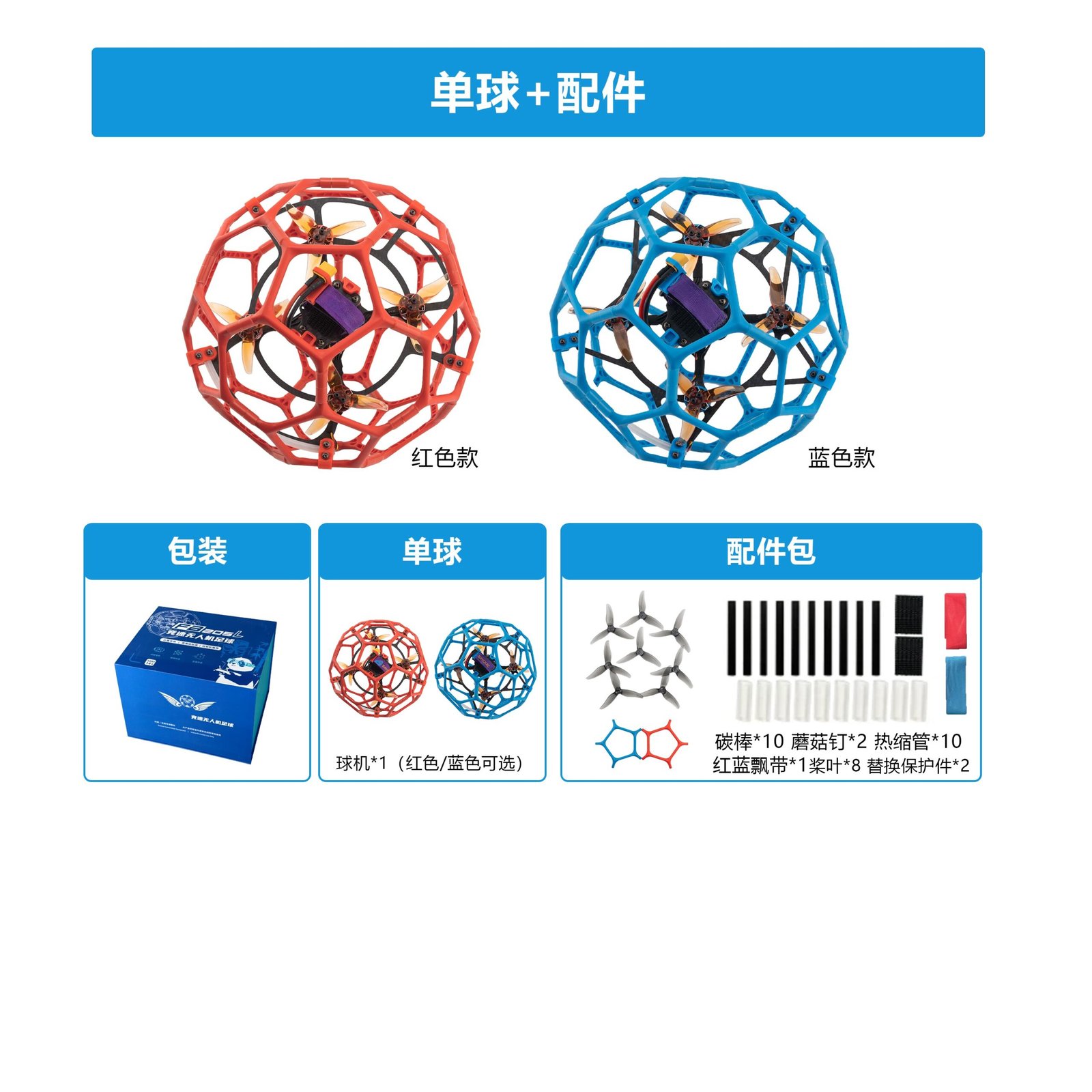
Damage rarely appears out of nowhere. In youth programs it clusters around a few predictable moments: battery swaps between drone soccer rounds, crashes into goals and nets, packs stored loose in a shared box, and charging areas where leads get tangled. Knowing the hot spots lets coaches put checks in the right place.
High-risk moments to build checks around
- Battery swaps: connectors get forced, packs get dropped, and the wrong pack goes into the wrong drone.
- Impact events: in drone soccer competitions, collisions and net impacts are part of the game; a post-impact battery check should be routine.
- Storage: packs piled together, stored at full charge for weeks, or left in a hot car or kit bag.
- Charging: unsupervised charging, charging on a wooden bench, or charging a pack that was just involved in a crash.
A simple session flow that catches problems early
Before the first flight, every pilot shows their pack to a coach or team captain and confirms it is not swollen and the wrap is intact. After every crash or hard impact, the pack is inspected before re-use. At the end of the session, packs are counted, checked once more, and returned to a fire-resistant storage location.

What students should do — and not do — after spotting a sign
The reporting action should be as simple as a fire drill. Students stop the activity, avoid handling the pack beyond what is safe, and notify the adult in charge. They should not put a suspect pack back in a shared bag, try to “test” it in a drone, or attempt to cool it in water unless an adult directs them.
Student reporting script
Give students a fixed sentence to use: “I have a battery that looks [swollen / damaged / hot / smelly]. I have stopped using it and put it in the quarantine area. Please check it.” A script removes hesitation and makes the report consistent across age groups.
What the adult should do next
The adult isolates the pack in a designated quarantine container away from combustible materials, records the incident, and follows the battery manufacturer’s guidance and the school’s safety policy for assessment and disposal. Local fire authorities and battery recycling services can advise on disposal; rules vary by country and region, so confirm locally rather than assuming a single global procedure.
Comparison: normal wear vs. reportable damage
Students need to know the difference between a battery that is simply old and one that is unsafe. Use the table below as a classroom handout or a laminated checklist at the charging station.
| Observation | Likely normal wear | Report to an adult | Stop use immediately |
|---|---|---|---|
| Case shape | Flat, firm, sits level | Slightly soft edge | Swollen, rounded, squishy |
| Outer wrap | Minor scuffs | Small tear not exposing foil | Torn wrap exposing inner foil |
| Temperature | Warm right after a flight | Warm long after use | Hot, smoking, hissing |
| Connectors | Firm fit | Loose or bent pins | Blackened, melted or sparking |
| Charging | Charges normally | Occasional balance warning | Repeated errors or refusal to charge |
| Smell | None | Faint unusual odor | Strong solvent or sweet smell, leak |
This table is general guidance for training purposes. Always follow the battery manufacturer’s instructions and your school’s safety policy where they are stricter.
Building a battery safety culture in a youth program
Rules only work when they are practiced. Short, repeated drills beat long lectures. A five-minute battery check at the start of every session, a visible quarantine box, and a named adult responsible for charging will do more than any poster.
Practical steps for coaches and teachers
- Assign a numbered ID to each pack so incident reports reference a specific battery.
- Keep a simple paper or digital log: pack ID, date, sign observed, action taken, adult initials.
- Use fire-resistant LiPo bags and a non-flammable charging surface.
- Train one or two older students per team as battery marshals; peer-to-peer reminders often land better than adult instructions.
- Review the log each month to spot repeat offenders — a pack that keeps flagging is a pack to retire.
For programs running multiple teams or drone soccer clubs, standardizing your battery handling across sites prevents the situation where one coach’s routine is much looser than another’s.
What to look for when buying batteries for a school program
Procurement decisions made at the start of a program shape safety for years. Ask suppliers specific questions in writing rather than relying on a product page. Whether a given pack is a good fit depends on your drones, your charger and your supervision model.
Buyer checklist
- Request the battery’s technical datasheet, including cell chemistry, capacity, voltage and connector type.
- Ask for the manufacturer’s handling, charging and disposal instructions in writing.
- Confirm the connector type matches your drone soccer systems and chargers.
- Ask whether the pack’s outer wrap and connector are designed for frequent swapping by younger users.
- Request storage and charging recommendations, including recommended storage voltage.
- Confirm whether replacement wraps, connectors or spare packs are available as accessories.
- Ask how to report a quality issue and what documentation is required.
For unverified commercial details such as warranty terms, minimum order quantities or lead times, ask the supplier to confirm in writing before you order. Do not assume that a term offered in one market applies in yours.
Common mistakes that let damaged packs slip through
- “It still works, so it’s fine.”: a swollen pack can still power a drone briefly. Function is not a safety test.
- Charging a pack that was just crashed: always inspect after an impact before the next charge.
- Storing suspect packs with good ones: quarantine should be physically separate.
- Assuming students will “know” what to do: without a script and a drill, students hesitate.
- No paper trail: without a log, repeated issues with the same pack go unnoticed.
- Relying on memory for voltage rules: put the storage and charging rules on a laminated card at the charging station.
Linking battery safety to regulation and program design
Battery handling is one safety layer; airspace and operating rules are another. In the United States, the FAA notes that drones flown for educational purposes are regulated either under the Exception for Limited Recreational Operations of Unmanned Aircraft (49 U.S.C. § 44809) or under the Small Unmanned Aircraft Systems Rule (Part 107), and that qualifying educational organizations may be able to operate under § 44809. Organizations that do not qualify may need to operate under Part 107. See the FAA’s guidance for educational users for details.
For schools setting up a program, that regulatory layer is a useful reminder to write battery procedures into the same safety plan as flight rules and site permissions. If you are planning a full program, the resources for schools and training organizations can help you structure equipment, training and competition needs together.
Frequently asked questions
1. Is a slightly puffy LiPo battery safe to use?
No. Any swelling is a sign the pack has been damaged or has degraded internally. Report it and retire it from flight use. Do not “fly it until it fails.”
2. Should students dispose of a damaged battery themselves?
No. Disposal requires adult supervision and should follow the battery manufacturer’s instructions and local rules for lithium battery recycling. Students should only isolate and report.
3. How hot is too hot to touch?
Students should not try to judge temperature with their hands for long. If a pack feels noticeably warmer than the ambient room well after a flight, or is hot to the touch at any time, report it.
4. Can a damaged pack be repaired with new tape or shrink wrap?
Cosmetic wrap repair by an adult is different from repairing a damaged cell. Any pack with a punctured or crushed cell should be taken out of service, not re-wrapped and returned to use.
5. What should be in a classroom quarantine kit?
A non-combustible container with a lid, away from flammable materials, plus a log sheet. The exact container type and location should follow your school’s safety policy and local fire guidance.
6. How often should batteries be checked in a drone soccer program?
At minimum before and after every session, and after every crash or hard impact. More frequent checks are reasonable in high-use programs with shared packs.
7. Do drone soccer balls use LiPo batteries too?
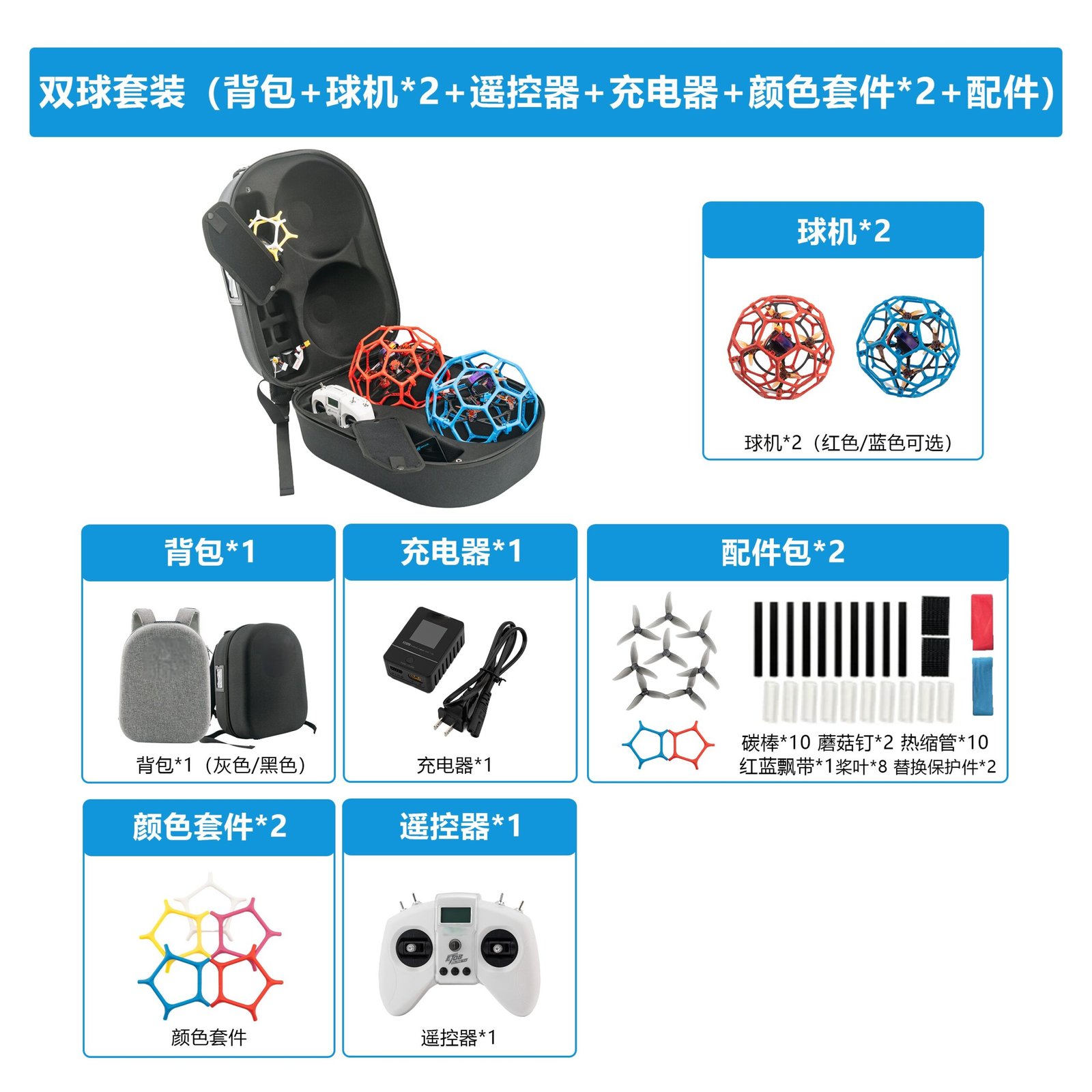
Many small drone soccer balls are powered by small LiPo packs. The same reporting rules apply: swelling, heat, smell and impact damage should all be reported to the coach before the ball is re-used.
Conclusion and next step
Teaching students to spot and report a damaged LiPo battery is one of the highest-value safety lessons in any youth drone program. Keep the list short, practice it every session, and back it up with a written log and a clear adult response. When your program is ready to equip teams, review your battery, accessory and drone soccer needs together so that safety routines and hardware are designed to match.