Quick summary
The difference between racing and freestyle builds comes down to one core trade-off: how much of your performance budget goes to outright speed and lap times versus durability, control feel, and crash resilience. Racing builds prioritize light weight, low drag, and a predictable throttle band; freestyle builds prioritize structural durability, prop protection, and forgiving motor and ESC headroom for repeated impacts. Both are flight-controller-based FPV quadcopters, but the airframe, motors, props, battery, and tuning choices diverge sharply when you equip a team for FPV racing and training.
Key Takeaways
- Racing builds optimize for speed, low drag, and repeatable lap pace; freestyle builds optimize for durability, control feel, and impact survival.
- Frames, motors, prop pitch, battery capacity, and tuning targets all change depending on which use case you are equipping for.
- Flight controller firmware such as Betaflight runs on both types of aircraft, so the electronics platform is often shared even when the rest of the build is not (Betaflight documentation).
- For clubs, the smartest approach is a shared electronics and battery standard plus distinct airframe and motor packages for race and freestyle roles.
- Confirm all commercial terms — MOQs, lead times, warranty, sample policy, and OEM/ODM scope — in writing before committing a team budget.
If you want to compare component options before committing, start with the FPV electronics range and the frames and power combos category (BKJ), then narrow by role.
What is the difference between racing and freestyle builds?
A racing build is designed to complete a defined course as fast as possible without unnecessarily sacrificing reliability. A freestyle build is designed to perform expressive maneuvers, tolerate hard landings and impacts, and keep flying after mistakes. The differences show up in weight, prop pitch, motor KV, frame geometry, and tuning philosophy rather than in a single component.
Betaflight, the most widely used FPV flight controller firmware, explicitly supports both use cases from the same software base: it “flies everything from tiny whoops, racing and freestyle quads to cinematic rigs, long range craft, tri/hex/octocopters and wings” (Betaflight documentation). That means your team can standardize on one firmware and setup workflow even when race and freestyle airframes differ.
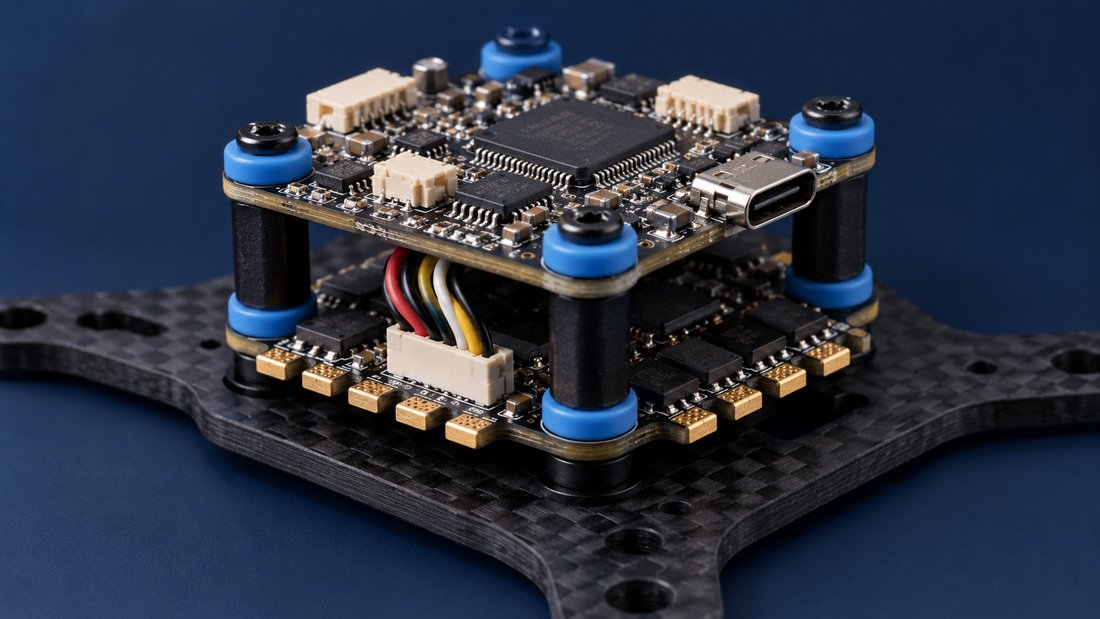
Where the two build types diverge
Racing prioritizes acceleration, top speed, and a narrow, predictable power band so the pilot can hit the same line repeatedly. Freestyle prioritizes smooth throttle resolution, strong mid-range torque, and a frame that flexes or absorbs energy instead of cracking. Neither is “better” — they are different answers to different mission profiles.
Where they overlap
Both use a flight controller, a four-in-one or individual electronic speed controller (ESC) set, a video transmitter and receiver link, motors, props, and a battery. Both can run the same firmware family, the same on-screen display (OSD) features, and the same receiver protocols such as CRSF, FPort, or SBUS (Betaflight documentation). Shared electronics is what makes mixed-role team fleets practical.
Racing vs freestyle: side-by-side comparison
The table below is general industry guidance, not a specification for any single product. Use it to frame requirements before you request quotes.
| Attribute | Racing build | Freestyle build |
|---|---|---|
| Primary goal | Lower lap times and repeatable pace | Expressive flying, control feel, crash survival |
| Frame priority | Light weight, low drag, stiff geometry | Thicker arms, replaceable parts, prop protection |
| Motor emphasis | High KV for top speed | Moderate KV and torque for smooth power |
| Prop choice | Higher pitch, tuned for speed | Lower pitch, tuned for grip and recovery |
| Battery emphasis | Light packs for sprint races | Slightly larger packs for flight time and sag control |
| ESC priority | Current headroom for short bursts | Thermal resilience for repeated mid-throttle |
| Flight controller setup | Sharp rates, low latency targets | Smoother rates, stability and filter emphasis |
| Tuning philosophy | Narrow, repetitive, consistent | Forgiving, recovery-friendly |
| Repair profile | Fast part swaps for race days | Durable components that survive repeated crashes |
| Typical team use | Timed competition and training drills | Skills development, demos, club sessions |
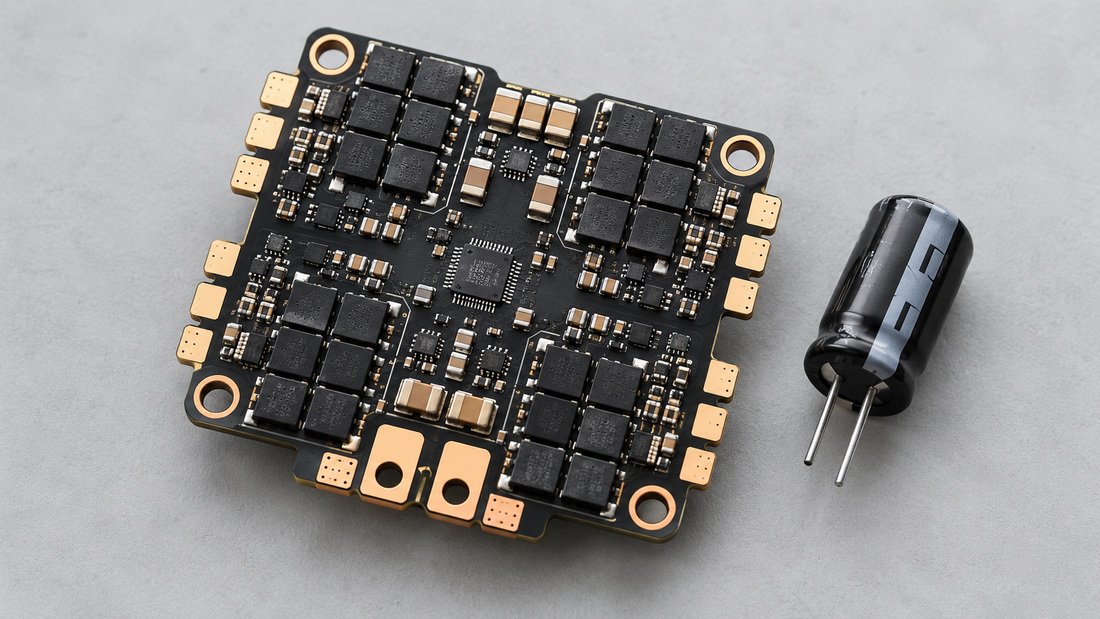
Frame and airframe differences
A racing frame usually favors a low-drag silhouette and stiff, light arms so the quad tracks cleanly at speed. A freestyle frame usually accepts more material in the arms and offers easier arm replacement, because the aircraft is expected to hit gates, poles, and ground frequently.
For schools and clubs, frame repairability matters more than marginal weight savings. Ask suppliers which parts are user-replaceable and whether arm sets can be purchased separately. Frames and power combos (BKJ) are a natural starting point because they bundle airframe and power system decisions that must be matched anyway.
Questions to ask about frames
- Are arms individually replaceable, and are spares stocked?
- Is the frame designed around a standard flight controller and ESC mounting pattern?
- Are prop guards or bumpers available for beginner sessions?
- Is the frame suitable for both analog and digital video systems?
Motor and propeller differences
Motor KV (the RPM per volt characteristic) is the headline difference. Racing builds typically run higher KV to chase top-end speed, accepting more current draw and heat. Freestyle builds typically run moderate KV for smoother torque delivery across the throttle range.
Prop pitch follows the same logic: higher pitch for speed, lower pitch for grip and predictable recovery. Neither choice is universal, and the right motor set depends on the frame, battery voltage, and the pilot skill level you are supporting.
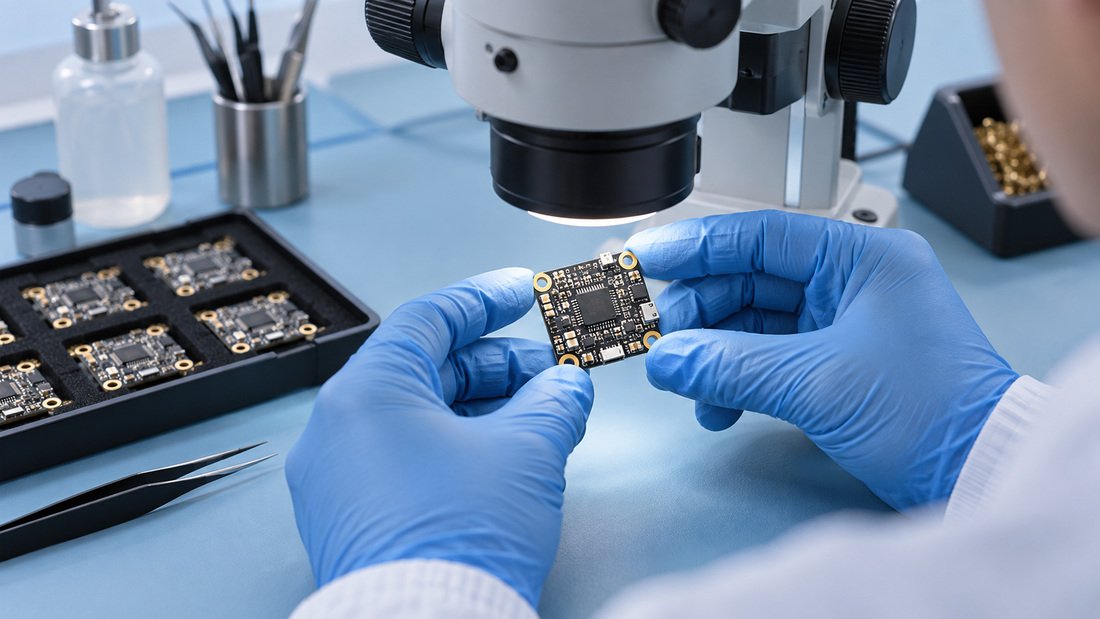
Electronics: ESC, flight controller, and video
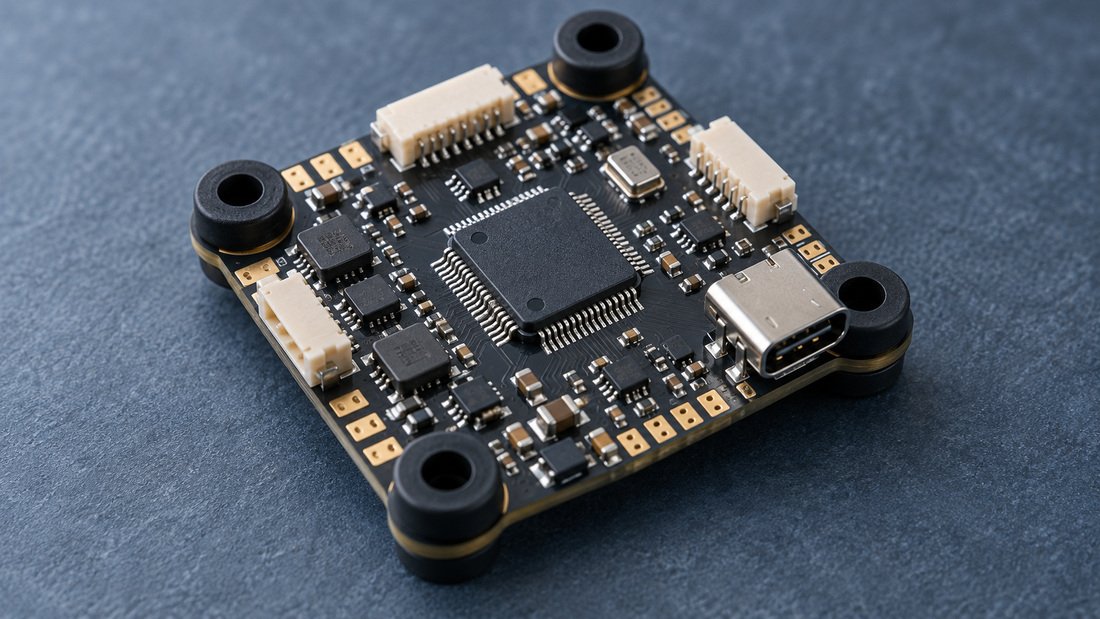
The electronics layer is where race and freestyle builds overlap most. Both need an ESC that can handle peak current and a flight controller that supports modern protocols such as DShot, as well as a video system that gives clear, low-latency feedback to the pilot.
Betaflight supports a wide range of ESC protocols, with DShot as the main modern option, plus Oneshot, Multishot, and PWM for legacy needs (Betaflight documentation). It also supports on-screen display across analog and digital video systems, including battery voltage, current draw, timers, and artificial horizons (Betaflight documentation). That matters for training because instructors and team managers can standardize the information their pilots see.
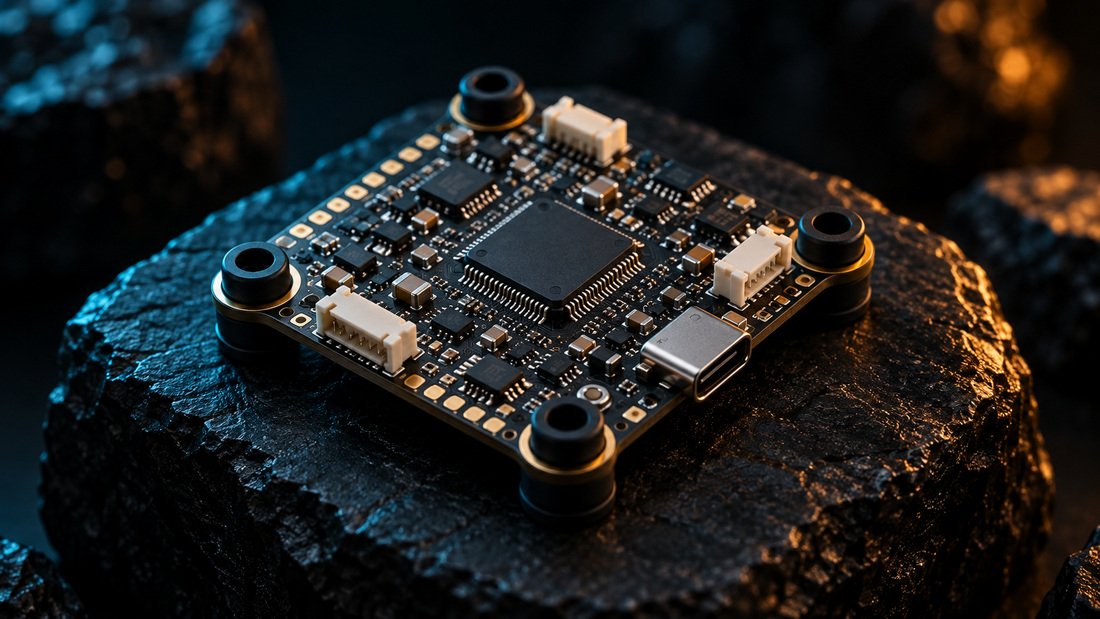
Compare flight controllers and electronic speed controllers against your team’s voltage, motor, and firmware requirements before ordering in volume.
On the video side, FPV video receivers and FPV DVR units are useful for training review, race verification, and incident analysis. Recording footage also helps coaches give specific feedback rather than vague impressions.
Why shared electronics helps a club
When every team member runs the same flight controller family and firmware setup, troubleshooting becomes much faster. Spare parts are interchangeable, setup presets transfer between aircraft, and volunteers do not need to learn five different toolchains.
Planning a full team order? Request a Team Kit Quote and specify how many race and freestyle airframes you need.
Battery, weight, and flight-time trade-offs
Racing builds generally accept shorter flight times in exchange for lighter weight. Freestyle builds often use slightly larger packs to manage voltage sag during repeated mid-throttle maneuvers. These are tendencies, not rules, and the correct choice depends on your event format and session length.
For youth programs, longer and gentler sessions often matter more than peak speed. A slower, more forgiving freestyle-style setup frequently keeps beginners flying longer and crashing less, while a race setup suits timed drills and competition preparation.
Weight vs. durability trade-offs
- Lighter builds accelerate faster but tolerate impacts less well.
- Heavier builds absorb crashes better but consume more current.
- Prop protection adds weight but dramatically reduces damage in beginner sessions.
- Larger batteries add flight time but reduce agility.
Common mistakes when equipping a team
- Buying one “best” build for everyone instead of matching aircraft to role and skill level.
- Mixing incompatible motor KV, prop pitch, and battery voltage across a fleet.
- Neglecting spare arms, props, and ESCs, then losing practice time to repairs.
- Assuming firmware presets transfer perfectly between different airframes.
- Ignoring how video latency and OSD layout affect beginner confidence.
- Ordering without confirming warranty, returns, and support terms in writing.
Buyer checklist: what to confirm before ordering
This checklist is general guidance. Treat every commercial term below as something to request and confirm in writing with your supplier.
- Airframe role split: how many race builds versus freestyle builds do you need?
- Voltage and battery standard across the fleet.
- Motor KV and prop pitch compatibility confirmed against frame and battery.
- ESC current rating and protocol support (for example DShot) verified against your flight controller choice.
- Flight controller firmware and preset strategy for your coaches.
- Video system choice (analog or digital) and receiver compatibility.
- Spares package: arms, props, ESCs, motors, and mounting hardware.
- Documentation and setup guides for volunteers and coaches.
- Written confirmation of MOQs, lead times, warranty terms, and sample policy.
- OEM/ODM scope if you need custom kits or team branding.
FAQ
Can one FPV quad be used for both racing and freestyle?
Yes, to a degree. A moderately powered quad can be tuned for either role, but it will not excel at both. Dedicated builds usually perform better because frame, motor, prop, and tuning choices pull in different directions.
Is freestyle easier for beginners than racing?
Often, yes. Freestyle-style setups tend to be more forgiving, use lower pitch, and tolerate impacts better. Many youth programs start with freestyle fundamentals before introducing timed racing drills.
Do racing and freestyle builds use the same flight controller firmware?
They often do. Betaflight, for example, supports racing, freestyle, cinematic, long-range, micro, and wing aircraft from the same software project (Betaflight documentation). Setup and tuning still differ by aircraft.
Which ESC protocol should a team standardize on?
DShot is the main modern protocol supported by Betaflight, though Oneshot, Multishot, and PWM remain available for legacy hardware (Betaflight documentation). Standardizing reduces training and spare-parts complexity.
How many spare parts should a club keep?
There is no universal number. Clubs commonly track failure rates per session and stock spares accordingly. Ask your supplier what spare bundles they offer and confirm availability in writing.
Can DPF supply matching motors, ESCs, flight controllers, and frames for a team?
DPF publishes product ranges including frames and power combos (BKJ), motors (BKM), ESC (BKE), and flight controller (BKF) lines. Specific combinations, MOQs, and lead times should be confirmed directly with DPF in writing.
Do we need OEM/ODM support for a school program?
Only if you need custom kits, labeling, or packaging. For standard club fleets, off-the-shelf components with a documented setup workflow are usually sufficient. Discuss OEM/ODM requirements directly with the supplier.
Conclusion and procurement next step
Racing and freestyle builds are not competing standards; they are two configurations of the same FPV platform, optimized for different outcomes. Racing builds chase speed and repeatable lap pace. Freestyle builds chase durability and control feel. For schools, clubs, and teams, the practical answer is to standardize the electronics and battery layer, then split the airframe and motor packages by role.
Before you commit a team budget, write down your race-to-freestyle ratio, your voltage and battery standard, your spare-parts plan, and the commercial terms you need confirmed. Then take that brief to a supplier.
Ready to equip your club or school program? Request a Team Kit Quote and include your race versus freestyle mix, fleet size, and spare-parts expectations.