Quick summary
Under EU rules, a drone soccer ball is generally treated as sports equipment rather than a toy when it is designed and marketed for organised drone soccer practice and competition, including school and youth training. That is because the Toy Safety Directive applies to products designed or intended, whether or not exclusively, for use in play by children under 14, while sports equipment is excluded. Most drone soccer balls are aimed at teams, clubs, schools and training programs, not at children’s play, so the toy classification usually does not apply. However, manufacturers can lose that exclusion if the product is specifically marketed to children, packaged in a child-appealing way, or sold with claims that invite play.
Key Takeaways
- A drone soccer ball is normally classified as sports equipment, not a toy, when it is intended for organised drone soccer competition and training.
- The Toy Safety Directive applies to products designed or intended for use in play by children under 14; sports equipment is explicitly excluded.
- Marketing, packaging and intended user age drive classification more than the product’s shape or materials.
- The EU General Product Safety Regulation (GPSR) still applies to the product as a consumer product or as part of a product system, and the drone itself may fall under EU UAS rules.
- Schools and clubs should obtain written classification and compliance information from suppliers before purchasing.
Why the Toy vs Sports Equipment Question Matters
The classification determines which safety rules apply, what documentation suppliers must provide, and what liability schools and event organisers carry. If a drone soccer ball is treated as a toy, it must meet the Toy Safety Directive’s essential safety requirements, usually via harmonised standards such as EN 71. If it is sports equipment, those toy-specific requirements are not the primary route, but general product safety rules still apply.
For schools, youth programs and clubs, this is not an abstract legal debate. It affects procurement checklists, insurance, age suitability decisions, and whether a supplier can legally place the product on the EU market for the intended use.
What Makes a Product a Toy Under EU Rules
The Toy Safety Directive 2009/48/EC defines a toy as a product designed or intended, whether or not exclusively, for use in play by children under 14 years of age. The definition is broad, but it is not unlimited. The Directive excludes certain categories, including sports equipment.
The sports equipment exclusion
Sports equipment is not a toy under the Directive. The exclusion exists because sports equipment is designed for a specific athletic or training activity, not for unstructured play. A drone soccer ball used in a defined sport, with rules, teams and competition, is much more likely to sit in this category.
Why marketing and intended user matter
Classification is not decided by materials or shape alone. It is decided by the product’s intended purpose as presented to the user. If a manufacturer markets the same ball to children as a fun play item, with cartoon characters, bright child-focused packaging and “ages 6+” messaging, the toy classification becomes much harder to avoid. If it is marketed to clubs, schools and federations as training and competition equipment, the sports equipment exclusion is stronger.
How Drone Soccer Balls Differ From Toys and From Drones
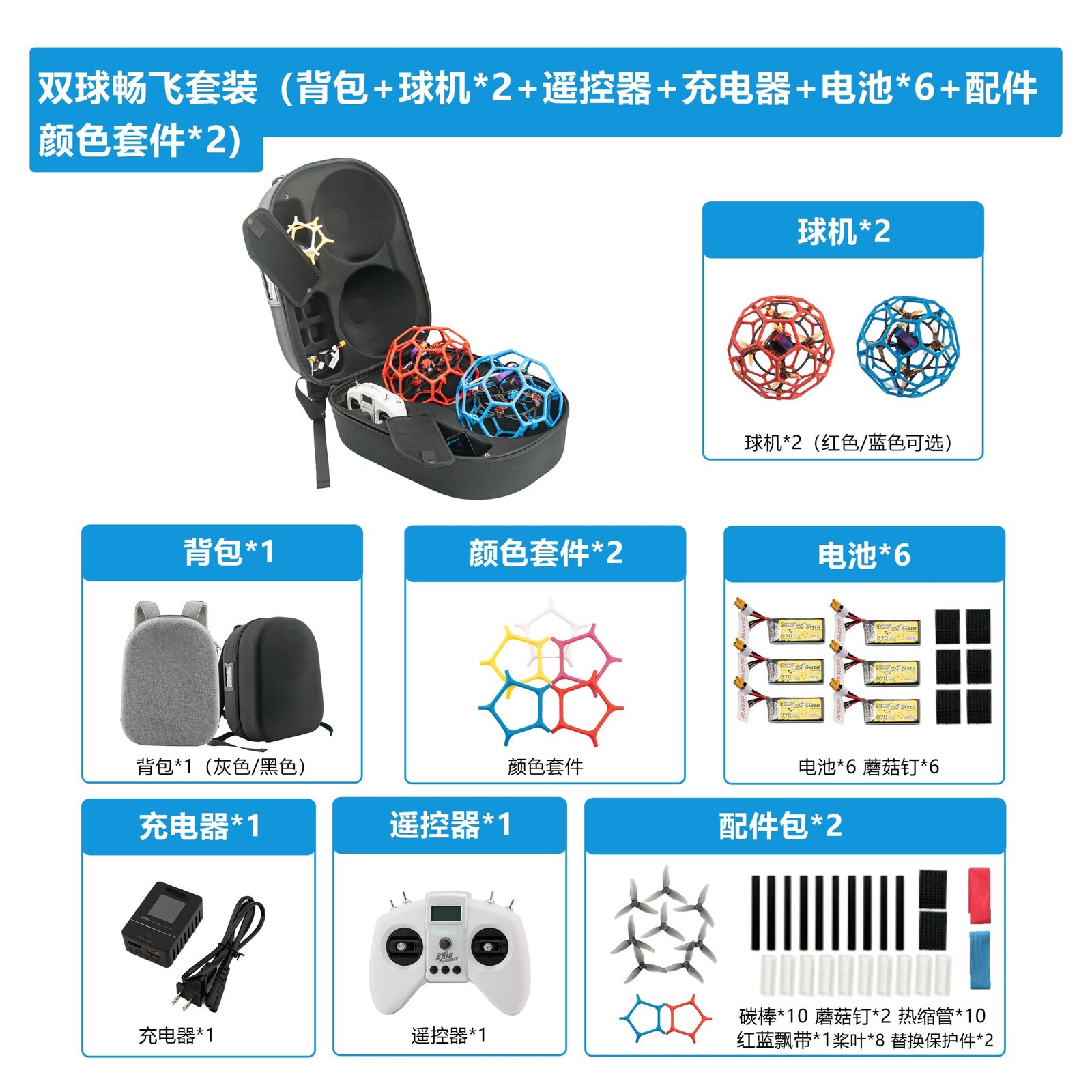
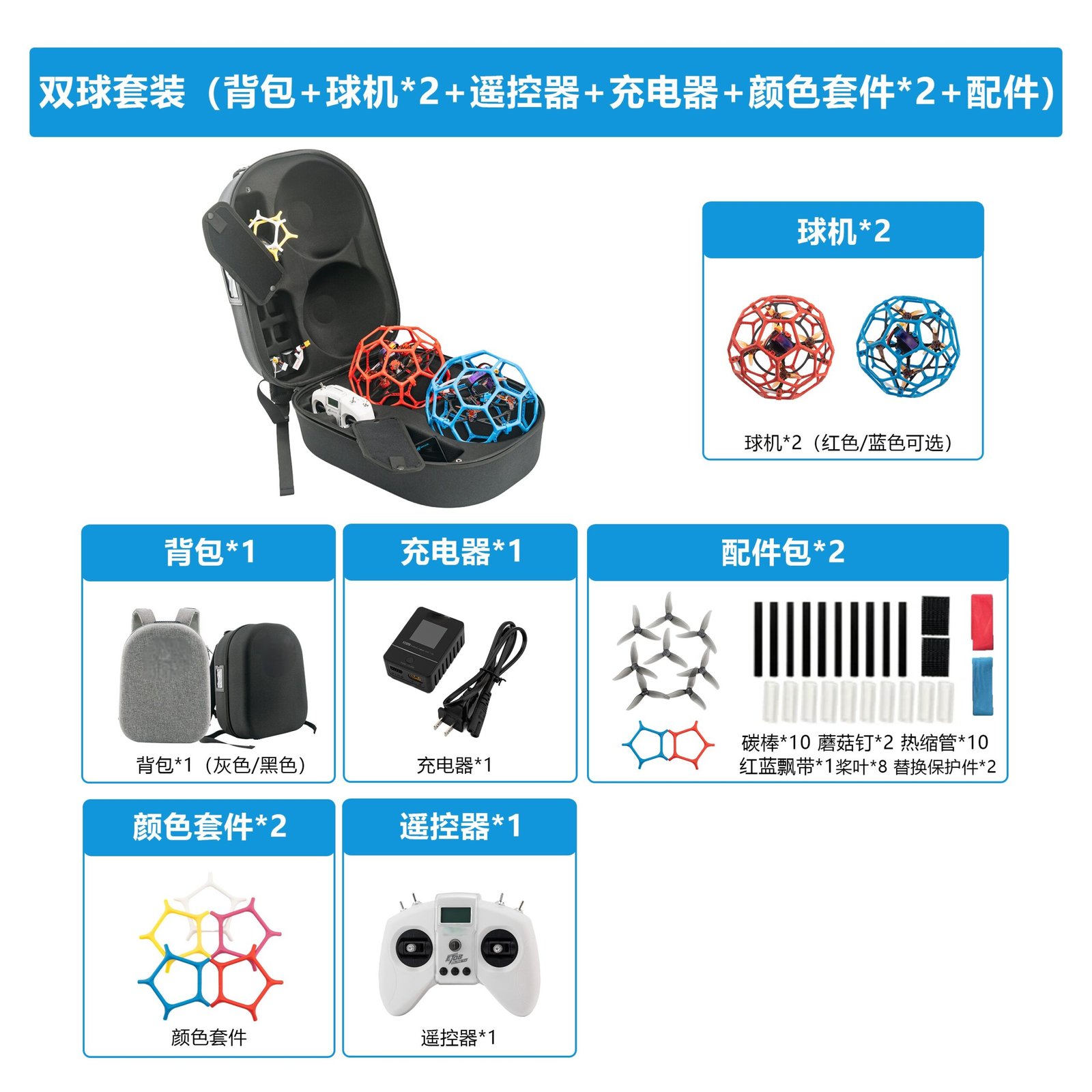
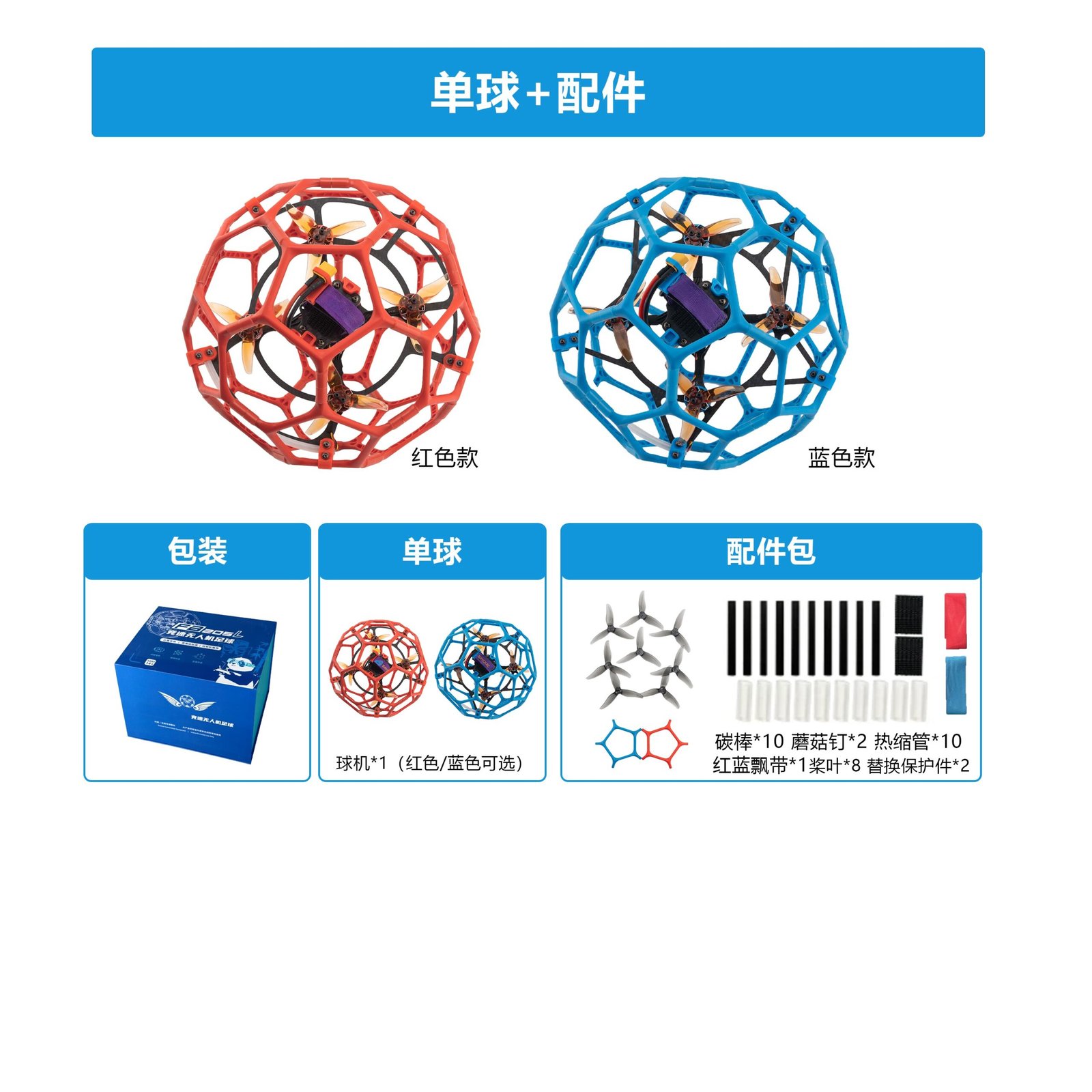
A drone soccer ball is a physical component in a drone soccer system. It is not a standalone flying toy, and it is not the drone itself. That distinction matters because different EU rules can apply to different parts of the system. The ball is usually a passive or semi-passive component, while the drone is an unmanned aircraft system (UAS) component subject to EU UAS requirements.
Component vs complete product
Schools and distributors should ask whether the supplier places the ball on the market as a standalone product or as part of a kit. Under the General Product Safety Regulation (GPSR), a product can be a standalone item, a component, or a system. Classification of the ball does not automatically classify the drone, and vice versa.
Drone soccer BKZ context
Drone soccer programs, including the BKZ format, use a ball and protective cage with drones built for indoor team competition. The ball is part of the sport’s equipment. That intended use supports the sports equipment classification, but it does not remove the need for correct documentation, age guidance and safe-use instructions.
EU Rules That Apply Even When It Is Not a Toy
Even if the drone soccer ball is classified as sports equipment, other EU rules still apply. Schools and procurement teams should not confuse “not a toy” with “unregulated.”
General Product Safety Regulation (GPSR)
The GPSR applies to consumer products placed on the EU market. It requires products to be safe under normal or reasonably foreseeable conditions of use, and it places obligations on manufacturers, importers and distributors. Sports equipment intended for consumers is generally within scope. Schools buying for educational use should still confirm that the supplier has the required economic operator information and traceability in place.
EU UAS requirements
The drone element of a drone soccer system may fall under EU UAS rules, depending on weight, class and operating conditions. These rules can affect registration, remote identification, operator obligations and training. Schools should confirm which UAS category applies to the drone they intend to buy. Our EU UAS requirements overview explains the main categories and operator duties.
Battery shipping and handling
Drone soccer systems typically include lithium batteries. Lithium batteries are regulated for transport and can overheat or enter thermal runaway if damaged, overheated, exposed to water, overcharged or improperly packed. The US Federal Aviation Administration notes that lithium ion batteries are limited to 100 watt hours (Wh) per battery for passenger carry-on, with some larger batteries allowed only with airline approval, and that spare batteries must be carried in carry-on baggage only, with terminals protected from short circuit. These are US passenger rules, not EU B2B shipping rules, but they illustrate why battery documentation and packaging matter when you ship equipment to events or between schools. DPF’s battery shipping compliance page covers the practical side for drone hardware.
Comparison: Toy vs Sports Equipment Classification
| Factor | Toy classification | Sports equipment classification |
|---|---|---|
| Intended user | Children under 14 | Players, teams, schools, clubs, training programs |
| Primary EU safety route | Toy Safety Directive, often EN 71 standards | General Product Safety Regulation; toy-specific standards not the primary route |
| Marketing signals | Child-focused packaging, play language, cartoon characters | Sport, training, competition, team and federation language |
| Age labelling | Usually age-graded for children | Usually age guidance for safe participation, not toy age grading |
| Documentation focus | Declaration of Conformity, test reports to toy standards | GPSR safety information, UAS and battery documentation where applicable |
| Risk if misclassified | Product may be non-compliant; market withdrawal risk | If actually a toy, toy rules may still apply and must be met |
This table is general guidance, not legal advice. Classification can differ by product, packaging, claims and member state enforcement practice.
Common Mistakes Schools and Clubs Make
- Assuming that because the drone soccer ball looks like a ball, it must be a toy under EU rules. Shape is not the deciding factor; intended use and marketing are.
- Assuming that “sports equipment” means no safety obligations. GPSR, UAS rules and battery rules can still apply.
- Buying without asking for written classification and compliance documents, then discovering at insurance or audit stage that the paperwork is missing.
- Using toy-focused marketing photos with young children for a product that is intended for organised sport, which can weaken the sports equipment position.
- Treating US passenger battery rules or US consumer warranty rules as if they were EU B2B rules. They are not automatically transferable.
Procurement Checklist for Schools and Youth Programs
Use this checklist before you buy drone soccer equipment for an EU-based school, club or youth program. Confirm each item in writing with the supplier.
- Intended use statement: Does the supplier describe the ball as sports equipment for drone soccer training and competition?
- Classification position: Does the supplier have a documented position on toy vs sports equipment classification for the EU market?
- GPSR information: Is the manufacturer or importer identified, with contact details and traceability information?
- UAS documentation: For the drone element, which EU UAS category applies, and what operator and training obligations follow?
- Battery documentation: What battery type and watt-hour rating are used, and what transport and handling instructions are provided?
- Age and supervision guidance: What age and supervision conditions does the supplier recommend for safe use in schools?
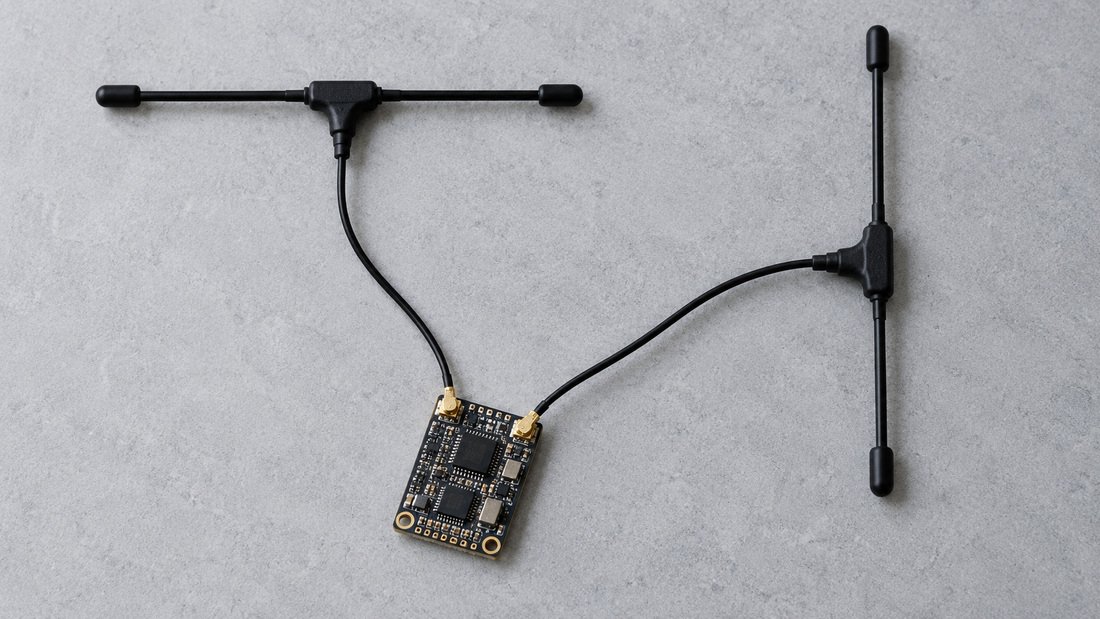
- Spare parts and repair: Are balls, cages, propellers and receivers available as spares, and what is the ordering process?
- Warranty and returns: What warranty applies in your jurisdiction, and what is the returns process for defective equipment?
- Insurance and liability: What documents can the supplier provide for your insurer or risk assessment?
- Packaging and labelling: Does the packaging and labelling match the sports equipment positioning rather than child play positioning?
If a supplier cannot answer these questions, treat that as a procurement risk. Ask for the documents in writing and confirm the terms that matter to your program.
Planning a drone soccer program for your school or club? Our team can help you review equipment options and compliance documentation for your region. Request a School Program Quote to start the conversation.
What DPF Can Confirm and What You Should Verify
Drone Parts Factory supplies drone soccer equipment, including balls and related components, to schools, clubs, distributors and event organisers. For any specific claim about classification, certification, warranty, lead time or minimum order quantity, ask DPF in writing for the current position. We do not publish invented certifications or test results. Our compliance center overview explains how we structure product compliance information, and our export control and product classification page covers related classification topics for international buyers.
Trade-offs: Sports Equipment Positioning vs Child Appeal
There is a real tension between two goals. Schools and youth programs often want equipment that looks fun and engaging for students. Suppliers often want packaging that appeals to young players. But child-focused marketing can push a product toward toy classification under EU rules, which brings additional safety testing and labelling obligations.
A practical approach is to keep the product positioning focused on sport: team use, training, competition and skill development. Age guidance can still be provided for safe participation without using toy-style play claims. If you want to market the same product to younger children as a play item, get specific compliance advice for that use case.
Frequently Asked Questions
Is a drone soccer ball a toy under EU law?
Usually no, if it is designed and marketed for organised drone soccer practice and competition rather than for children’s play. The Toy Safety Directive covers products intended for use in play by children under 14, and sports equipment is excluded. But marketing and packaging can change the outcome, so confirm the supplier’s position.
Does the Toy Safety Directive apply to drone soccer equipment?
It applies to products that meet the toy definition. If a drone soccer ball is positioned as sports equipment, the Directive’s toy-specific requirements are not the primary route. General product safety rules, and where relevant UAS and battery rules, still apply.
Can a product be both a toy and sports equipment?
Not in the sense of avoiding one set of rules by claiming the other. A product intended for play by children under 14 can fall within the toy definition even if it is also used in sport. The safest approach is to match the product design and marketing to a single intended use and meet the rules for that use.
Who decides the classification in the EU?
The manufacturer or importer places the product on the market with a stated intended purpose, but market surveillance authorities in EU member states can challenge that position. Enforcement practice can vary, so documentation matters.
What should schools request from a supplier?
Request a written intended use statement, GPSR information, UAS category guidance for the drone, battery documentation, age and supervision guidance, warranty terms and spare parts availability. Confirm these in writing before purchase.
Are US battery rules relevant to EU schools?
US passenger carry-on rules, such as the FAA’s 100 Wh limit for lithium ion batteries and the requirement to carry spare batteries in the cabin with protected terminals, are US aviation rules. They are not EU B2B shipping rules. Use them as a reference for safe handling, but confirm the actual transport rules for your route and mode.
Does compliance affect insurance for school drone soccer programs?
It can. Insurers and risk assessors may ask how the equipment is classified and what safety documentation exists. Having clear supplier documentation can make the process smoother. Discuss your specific requirements with your insurer.
Conclusion and Next Step
For most school and club drone soccer programs, the drone soccer ball is best treated as sports equipment rather than a toy under EU rules. That classification depends on intended use, marketing and packaging, not shape alone. It does not remove safety obligations: GPSR, EU UAS requirements and battery rules can still apply to different parts of the system.
The practical next step is to ask your supplier for written classification and compliance information, then match it to your school or program requirements. DPF can support schools, clubs, distributors and event organisers with drone soccer equipment and compliance information. To discuss your program and request a quote, Request a School Program Quote.