Quick summary
Drone soccer is a fast-paced team sport where pilots fly small, protective-caged drones through a circular goal to score. The basic rules are straightforward: two teams compete, each with active strikers and a goalkeeper, aiming to pass a drone through the opponent’s goal. Matches are typically played in a enclosed arena, with safety protocols and standardized equipment. This guide covers the fundamental rules, field layout, scoring, and practical tips for clubs, schools, and teams.
Key Takeaways
- Drone soccer is played 3v3 (or 5v5) with one goalkeeper per team; strikers score by flying through the goal.
- Matches are usually 3 periods of 3 minutes each, with a 5-minute halftime.
- Drones are enclosed in protective cages to protect players and equipment.
- Safety is paramount: eye protection is mandatory for all participants and spectators near the field.
- Equipment standardization ensures fair play and simplifies event organization.
What is drone soccer?
Drone soccer is an indoor team sport that combines drone piloting with soccer strategy. Two teams of drones compete to score goals by flying through a circular hoop. The sport was developed in South Korea and has gained global popularity, especially in educational settings. It promotes STEM skills, teamwork, and hand-eye coordination. For a broader overview of the sport and its applications, see our guide to drone soccer competitions.
Basic rules of drone soccer
While specific tournament rules may vary, the core rules are consistent. Here are the fundamental rules that govern most drone soccer matches:
Team composition and roles
Each team typically fields three to five drones. One drone is designated as the goalkeeper, which defends the team’s goal. The other drones are strikers, whose objective is to fly through the opponent’s goal. Teams can substitute players between periods or during stoppages, depending on the event rules.
Match duration and periods
Standard matches are divided into three periods of three minutes each, with a five-minute break between periods. Some youth or beginner leagues may use shorter periods. The team with the most goals at the end of the match wins. If tied, overtime or a shootout may be used, as specified by the tournament organizer.
Scoring
A goal is scored when a drone passes completely through the opponent’s goal ring. The drone must be in active flight; carrying or throwing the drone is not allowed. After a goal, play restarts with a kickoff from the center of the field.
Starting and restarting play
Play begins with the drones on the ground at their respective starting positions. At the referee’s signal, drones take off and attempt to gain possession. After a goal or a stoppage, play restarts with a kickoff. The referee may also stop play for safety violations or equipment issues.
Fouls and penalties
Common fouls include flying outside the field boundaries, aggressive collisions, and unsportsmanlike conduct. Penalties may include a free flight for the opposing team, temporary removal of a player, or a penalty shot. The referee has discretion to enforce rules and ensure safety.
Field and equipment
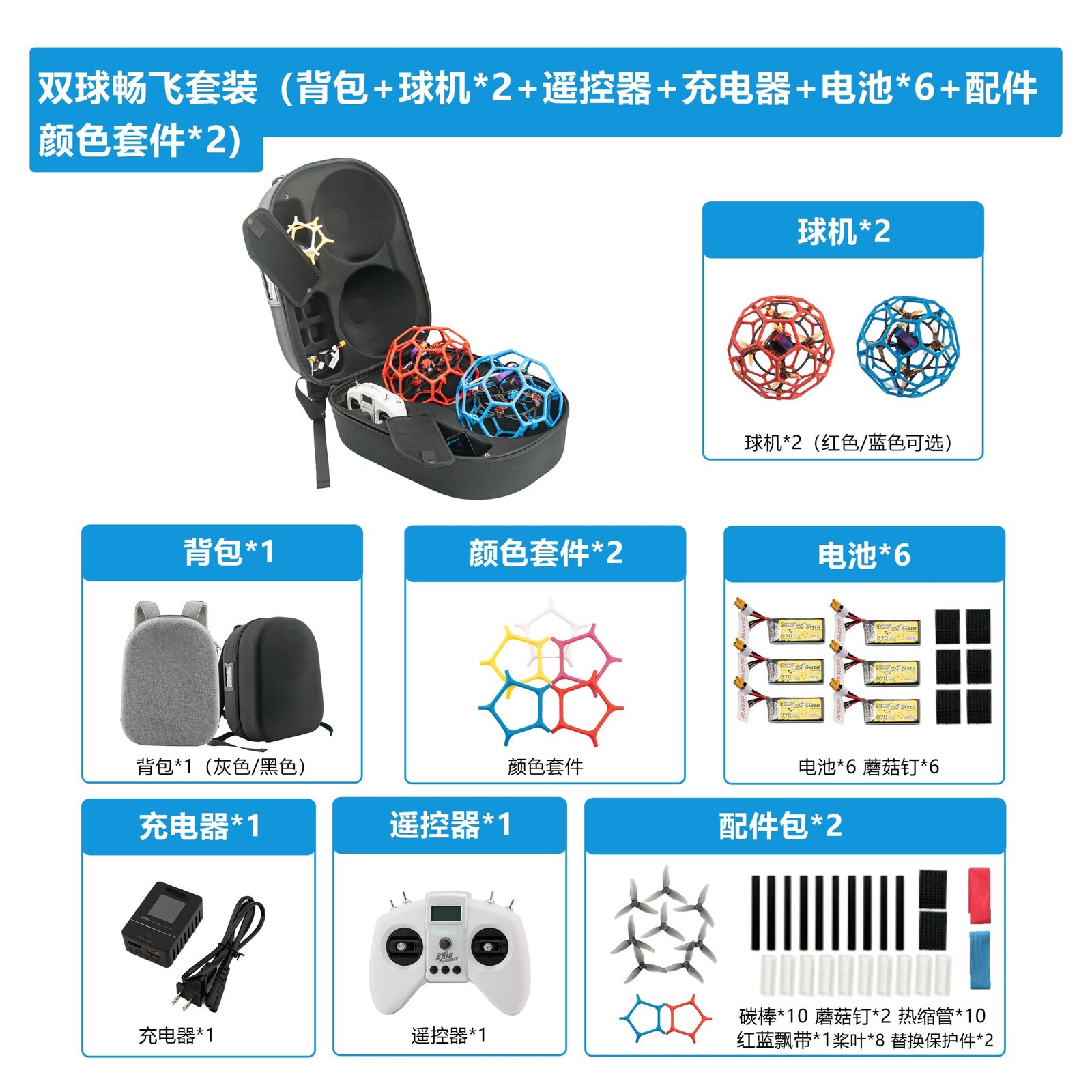
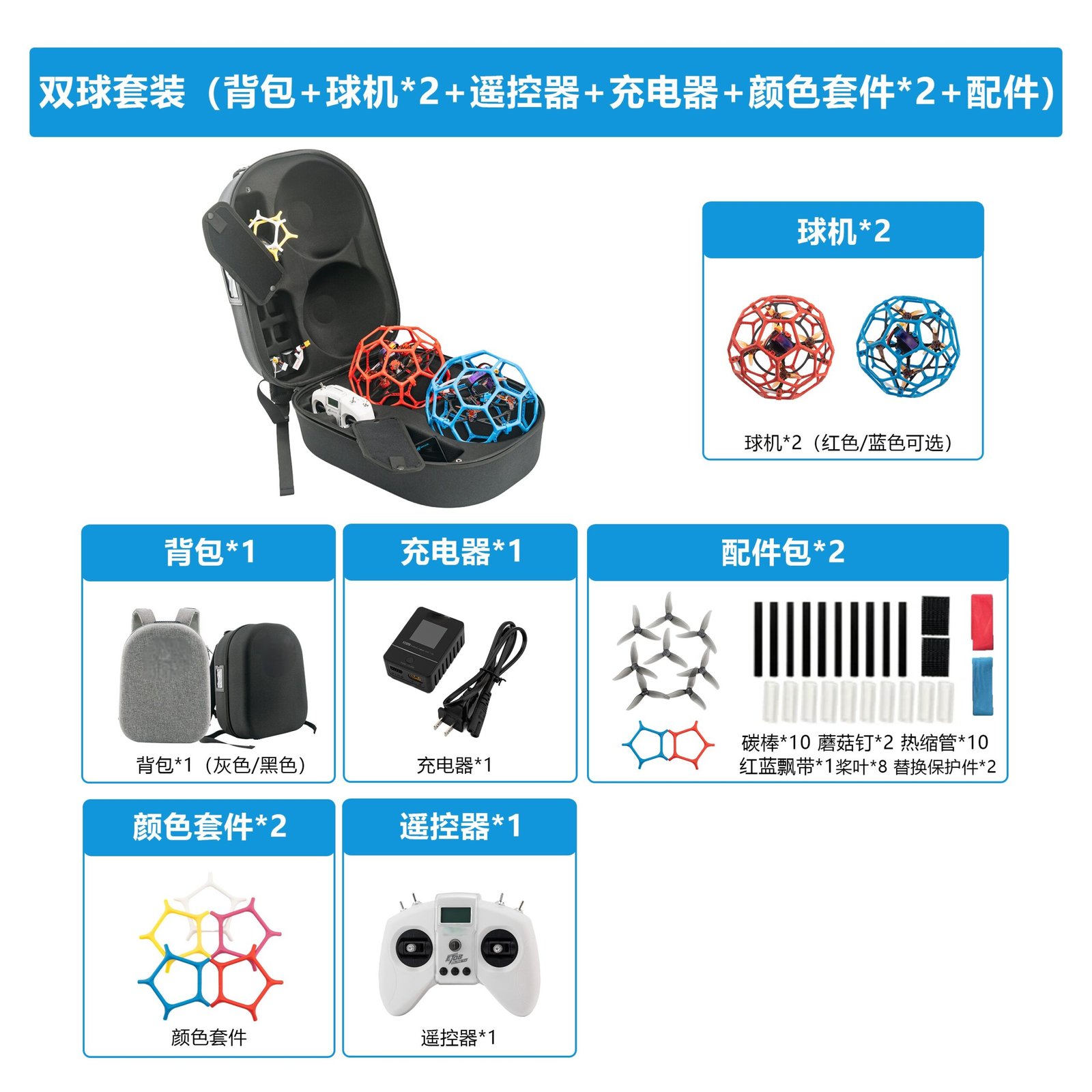
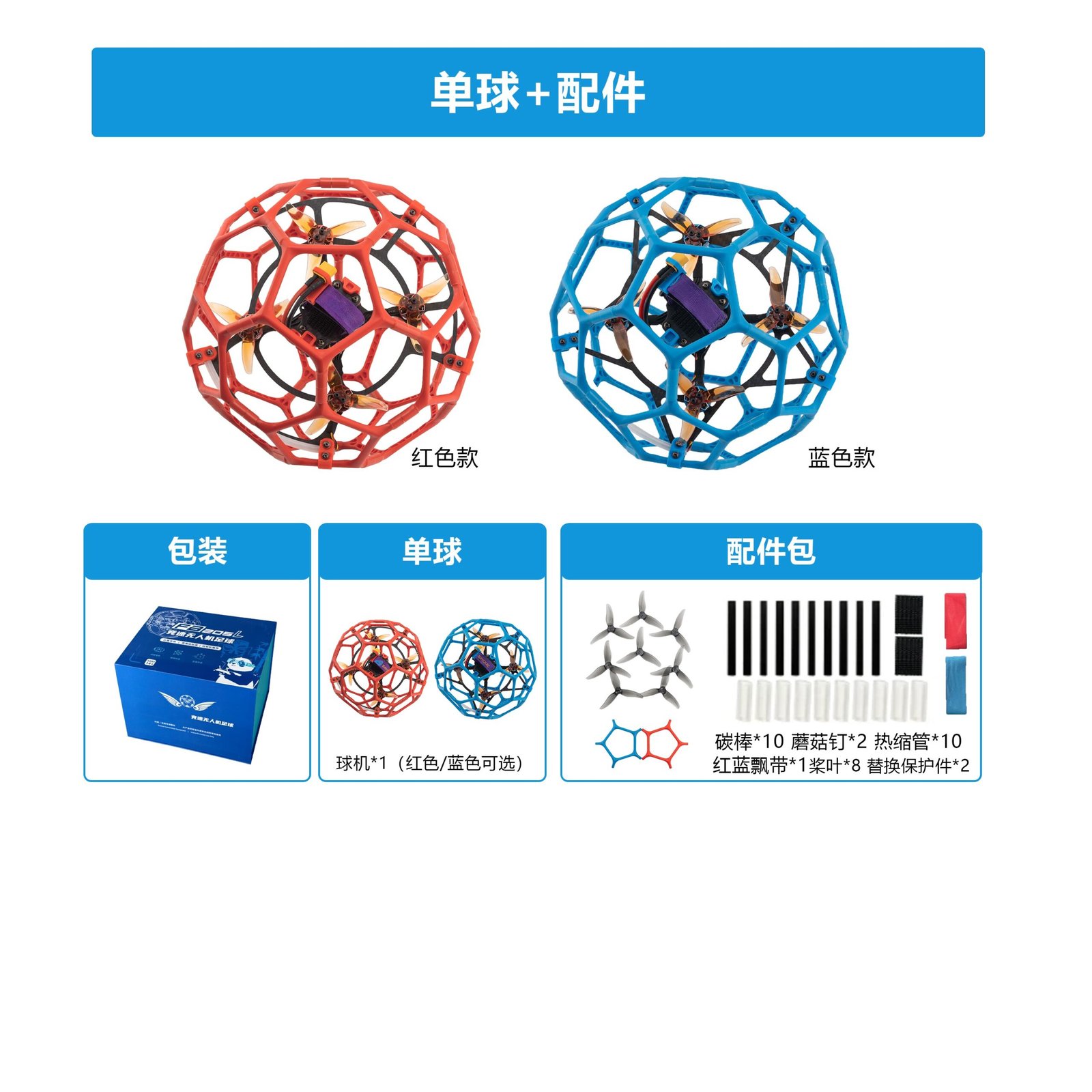
A standard drone soccer field is a rectangular area, often enclosed by a net or barrier. The goal is a circular hoop mounted vertically. Drones used in competition are typically standardized to ensure fairness. They feature a protective cage that surrounds the propellers, reducing damage and injury risk. For details on equipment options, visit our drone soccer systems page.
Drone specifications
Competition drones are usually limited in size, weight, and power to ensure consistent performance. They must have a protective cage and be capable of flying for the duration of a period. Battery swapping is common between periods. The exact specifications should be confirmed with the event organizer or league.
Safety equipment
Eye protection is mandatory for all players, officials, and anyone near the field. The field enclosure should be sturdy enough to contain drones. A first-aid kit and fire extinguisher should be on-site. For educational settings, follow the guidelines provided by your local aviation authority, such as the FAA’s educational users page for US-based programs.
Common mistakes and how to avoid them
- Ignoring safety protocols: Always enforce eye protection and field boundaries. Never allow drones to fly outside the enclosure.
- Using non-standard equipment: Check with the league or event organizer for approved drone models and specifications.
- Inadequate practice: Teams should practice takeoff, landing, and passing drills before competing.
- Poor communication: Establish clear roles and signals among team members.
Ready to equip your team? Request a Team Kit Quote to get started with standardized drone soccer equipment.
Procurement checklist for clubs and schools
Before purchasing equipment, consider the following checklist to ensure you get the right gear for your program:
| Item | Considerations | Questions to ask |
|---|---|---|
| Drones | Standardized models with protective cages; sufficient quantity for team size and spares. | Are these approved for league play? What is the expected flight time? |
| Batteries | Spare batteries for each drone; charging equipment. | How many batteries per drone are recommended for a match day? |
| Goals and field | Portable or permanent goal rings; netting or barriers. | What are the dimensions required for our age group? |
| Safety gear | Eye protection for all participants; first-aid kit. | Are there specific safety standards we must meet? |
| Training resources | Manuals, lesson plans, and support for coaches. | Do you offer training for instructors? |
| Warranty and support | Service and repair options. | What is the warranty period and process for repairs? |
For schools and training organizations, see our resources for schools and training organizations to integrate drone soccer into your curriculum.
Frequently asked questions
How many players are on a drone soccer team?
Typically, a team consists of three to five active drones, with one designated as goalkeeper. Substitutions are allowed depending on event rules.
How long is a drone soccer match?
A standard match has three periods of three minutes each, with a halftime break. Some youth leagues may use shorter periods.
What equipment is needed to start a drone soccer program?
You need drones with protective cages, batteries, chargers, goal rings, field netting, eye protection, and a first-aid kit. Standardized equipment ensures fair play and safety.
Is drone soccer safe for children?
Yes, when played with proper safety measures. Drones are enclosed in cages, and eye protection is mandatory. Adult supervision and adherence to safety rules are essential.
How do I start a drone soccer club at my school?
Begin by securing a space, obtaining necessary approvals, and purchasing equipment. You can find guidance on our drone soccer clubs page. Also, check local aviation regulations; in the US, the FAA provides resources for educational users.
What are the basic rules for scoring in drone soccer?
A goal is scored when a drone passes completely through the opponent’s goal ring. The drone must be in flight; carrying or throwing it is not allowed.
Can drone soccer be played outdoors?
Drone soccer is typically played indoors or in enclosed arenas to control the environment and ensure safety. Outdoor play may be possible with proper netting and weather considerations.
Conclusion
Drone soccer is an exciting and educational sport that teaches STEM skills and teamwork. By understanding the basic rules and investing in standardized equipment, clubs, schools, and teams can create safe and enjoyable programs. For a tailored quote on team kits, request a team kit quote today.