Quick summary
Scoring a goal in drone soccer happens when a team’s striker drone passes through the opponent’s goal ring from the front and then exits through the back of the ring within the time allowed. The goal ring is a circular hoop mounted vertically in the air; the striker must pilot the drone through it without touching the ring or the surrounding net. Most points come from this single action, and the team with the most valid goals at the end of the match wins. Understanding the ring, the striker’s role, and the match structure is the foundation of drone soccer rules and basics.
Key Takeaways
- A goal is scored when the striker drone flies through the opponent’s goal ring from front to back; touching the ring or net usually cancels the goal.
- Each team typically has one striker (the scoring drone) and several defenders; the striker is the only drone allowed to score.
- Matches are played in timed periods, and the team with the most goals at the end wins; ties may go to overtime depending on the event rules.
- Drone soccer rules can vary by league and age group, so always confirm the specific rulebook used at your event.
- Reliable, repairable drone soccer systems and spare parts matter as much as pilot skill for consistent scoring.
What is drone soccer and how is it played?
Drone soccer is a team sport where pilots fly small, enclosed quadcopters inside a netted arena and try to score by flying through a suspended goal ring. It is often used in schools and youth programs because it combines hands-on engineering with teamwork and competition. The basic format has two teams, each with a striker and defenders, competing in timed periods. The sport is governed by different organizations depending on the country or league, so the exact rules and field dimensions can differ from event to event.
For a broader overview of the equipment and competition formats, see drone soccer competitions.
How do you score a goal in drone soccer?
A goal is scored when the striker drone passes through the opponent’s goal ring in the correct direction—entering from the front and exiting the back—without touching the ring or the net. The drone must be under control and within the match rules. If the striker touches the ring, the net, or the ground during the attempt, the goal is typically disallowed. The referee or scoring system confirms the goal, and play restarts according to the league’s rules.
The goal ring: the target
The goal ring is a circular hoop, usually made of a rigid frame with a net or mesh, mounted vertically at a set height. Its diameter and height are defined by the league. The ring is oriented so that the front face is accessible to the attacking striker and the back face leads to a safe exit area. Some leagues use a single ring per team; others may use different configurations. Always check the event rulebook for ring dimensions and mounting height.
The striker’s role
The striker is the only drone on a team that can score. It is usually designed to be lightweight and agile to pass through the ring precisely. Defenders try to block the striker, protect the ring, and clear the ball. The striker must avoid contact with the ring and net; many leagues also restrict how defenders can contact the striker. The exact contact rules vary, so confirm them with your league.
What counts as a valid goal
A valid goal generally requires the entire drone to pass through the ring from front to back. Touching the ring, the net, or the ground during the attempt usually invalidates the goal. The referee’s decision is final, and some events use electronic sensors to confirm passage. Because rules differ, teams should review the specific competition rulebook before each event.
Drone soccer rules and basics: match structure
A typical drone soccer match is divided into periods, with a halftime break. Teams field one striker and several defenders. The match starts with the drones on their respective sides, and play begins on the referee’s signal. Goals are scored by the striker, and the team with the most goals at the end of regulation wins. If tied, some leagues use overtime or a shootout. Substitutions, timeouts, and penalties are defined by the league rulebook.
Players and positions
Each team usually has a striker and multiple defenders. The striker is the primary scorer; defenders block and support. The number of defenders and substitution rules vary by league and age group. Coaches should confirm position limits and substitution procedures in the event rules.
Timing and periods
Matches are played in timed periods, often with a halftime. The exact period length depends on the league and age category. Some youth events use shorter periods. Always check the tournament schedule and rulebook for period length, overtime, and tie-breaking procedures.
Fouls and penalties
Fouls can include illegal contact, entering restricted areas, or unsafe flying. Penalties may include warnings, point deductions, or ejection. The referee enforces the rules. Because foul definitions vary, teams should study the specific league rulebook and ask officials for clarification before the event.
Drone soccer equipment basics
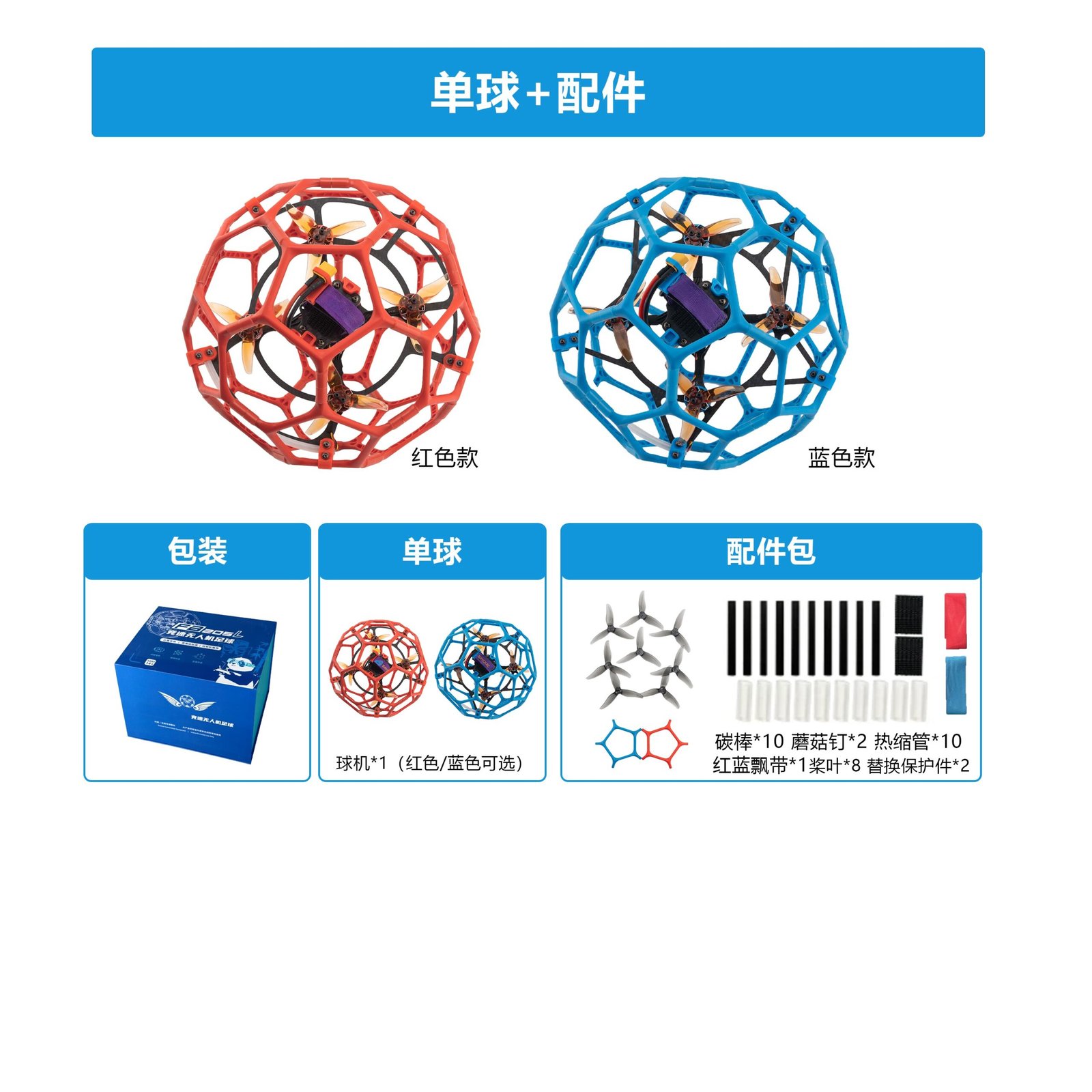
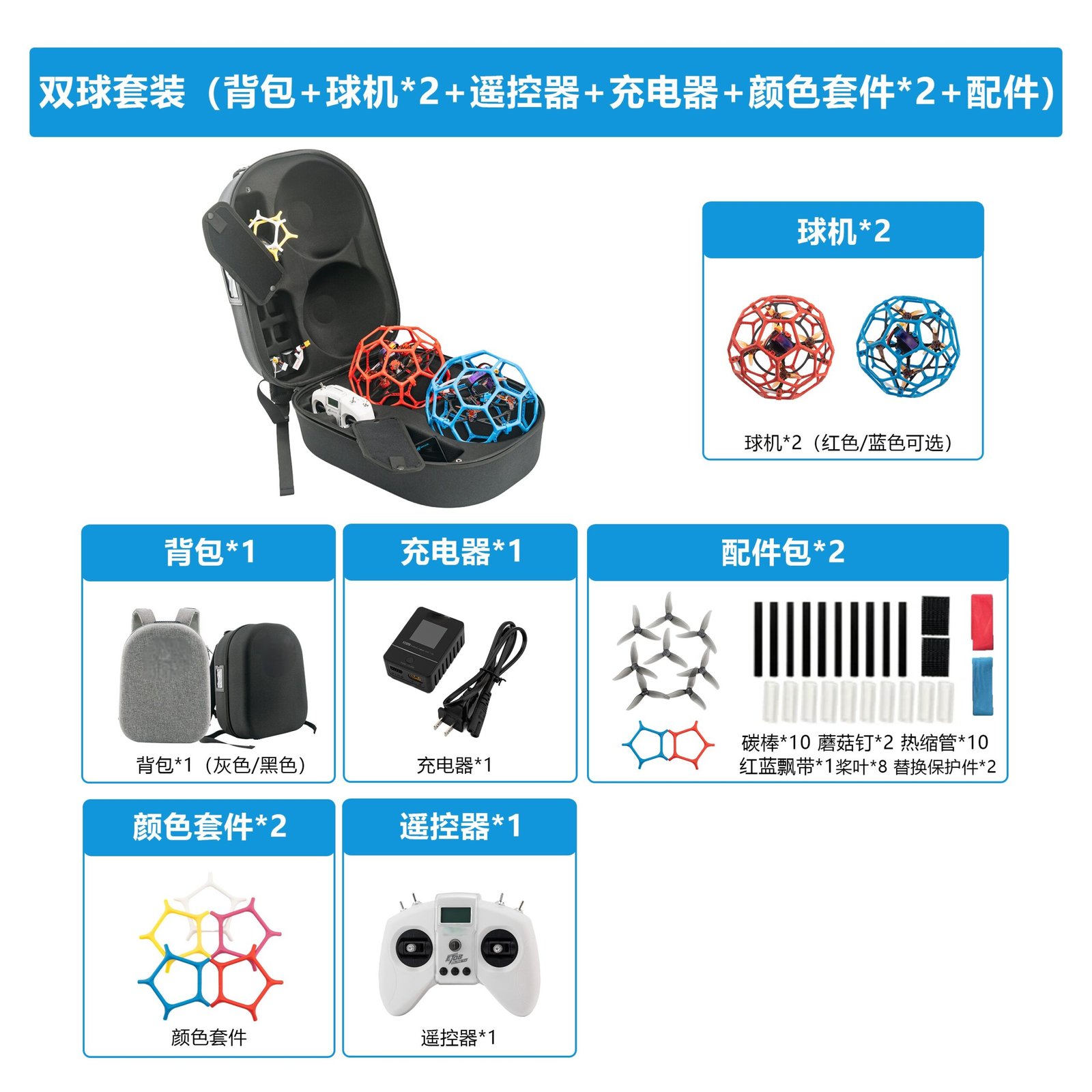
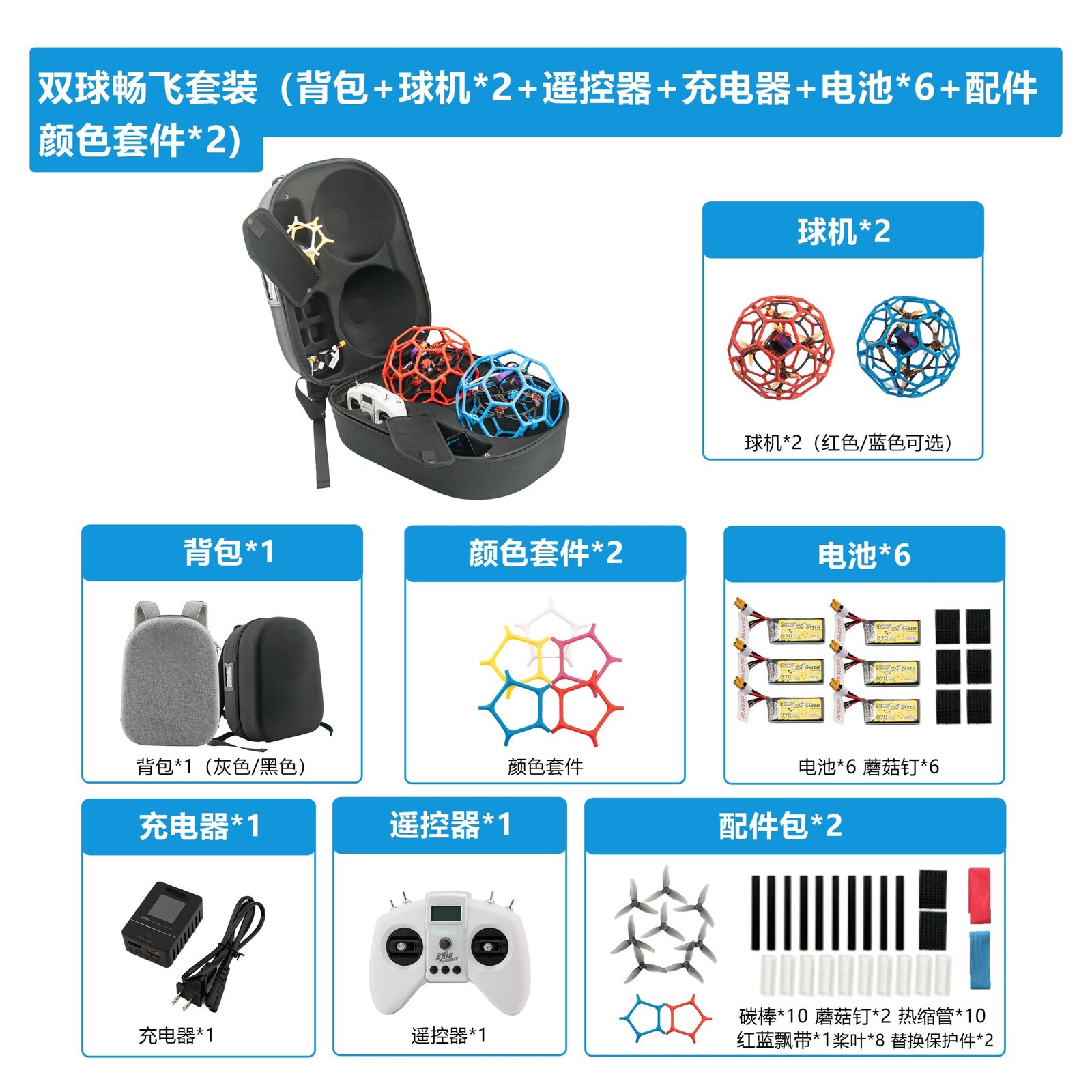
Drone soccer equipment includes the striker drone, defender drones, the goal ring, the netted arena, and safety gear. The drones are typically small, enclosed quadcopters designed to withstand collisions. The ball (the drone’s protective shell) and ring are standardized by the league. Teams need spare parts, batteries, and tools to keep drones flying. For a full range of equipment, see drone soccer systems.
Striker vs defender drones
Striker drones are often optimized for speed and precision, while defender drones may be built for durability and blocking. Some leagues allow different motor or propeller configurations. Teams should confirm the technical specifications allowed in their league before modifying drones.
Goal ring and arena
The goal ring and netted arena are critical for safe play. The ring must be mounted securely at the correct height. The arena net protects spectators and keeps drones inside. Event organizers should follow the league’s safety guidelines for setup and inspection.
Comparison: scoring-related equipment considerations
| Item | What it affects | What to confirm with your supplier or league |
|---|---|---|
| Goal ring diameter and height | Difficulty of scoring | League-specified dimensions and mounting method |
| Striker drone weight and agility | Ability to pass through ring | Allowed specifications and spare parts availability |
| Ball/protective shell design | Durability and safety | Compatibility with league rules and replacement parts |
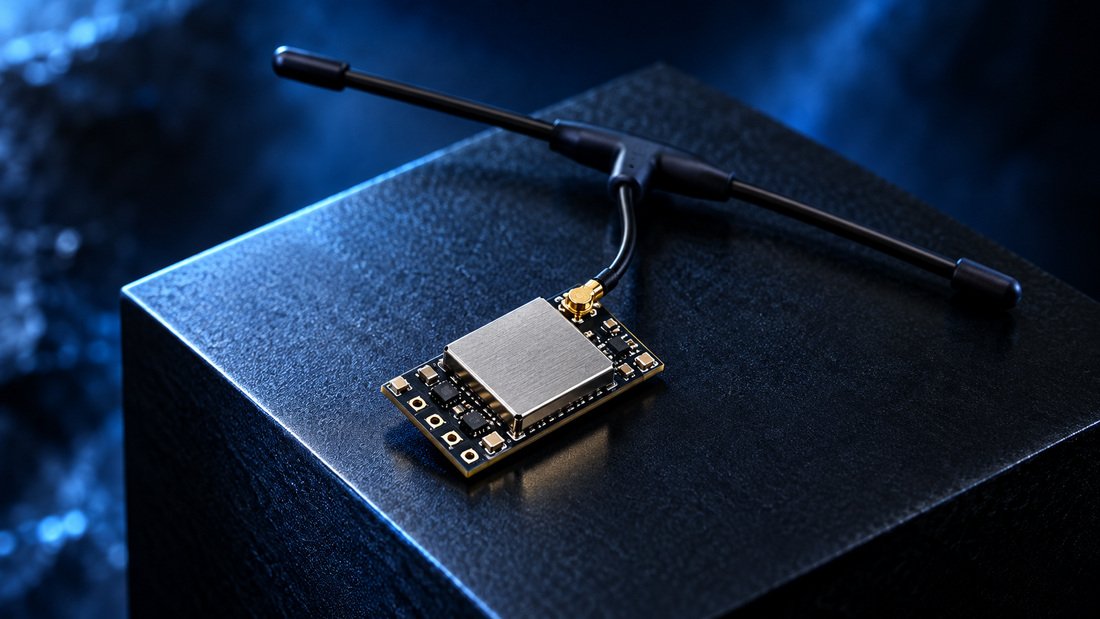
| Radio receiver and control link | Control reliability | Frequency and protocol allowed by league |
| Batteries and chargers | Flight time and turnaround | Safety certifications and charging procedures |
This table is general guidance; actual requirements are set by your league and event organizer.
Need help equipping a team? Contact our team to discuss your drone soccer program and get a tailored quote.
Common mistakes that stop teams from scoring
- Approaching the ring at an angle: The striker must enter from the front; angled approaches often lead to contact with the ring.
- Ignoring ring height: Teams that don’t practice at the correct height struggle to align the drone.
- Using a drone that is too heavy: Extra weight reduces agility and makes precise passes harder.
- Poor battery management: Low power mid-attempt can cause crashes or missed goals.
- Not knowing the league’s contact rules: Illegal contact can disallow a goal or lead to penalties.
Buyer checklist for schools, clubs, and distributors
- Confirm the league rulebook for goal ring dimensions, drone specifications, and match format.
- Request a complete equipment list: striker drones, defender drones, goal rings, arena nets, and spare parts.
- Ask about spare parts availability and typical repair turnaround.
- Verify safety features and compliance with local regulations for educational use.
- Request a sample or demonstration before bulk purchase.
- Clarify warranty, shipping, and support terms in writing.
- For distributors, confirm OEM/ODM options and minimum order quantities in writing.
For schools and training organizations, see schools and training organizations and STEM drone education and training.
Regulatory and safety basics for educational programs
In the United States, educational drone flights are regulated by the FAA. According to the FAA, drones flown for educational purposes are regulated under the Exception for Limited Recreational Operations (49 U.S.C. § 44809) or under Part 107. Qualifying educational organizations include institutions of higher education, JROTC programs, and educational programs chartered by an FAA-recognized Community Based Organization. Others must operate under Part 107. Always check the FAA’s educational users page for current rules: https://www.faa.gov/uas/educational_users. For outdoor flying in the US, a FRIA (FAA-Recognized Identification Area) may allow flights without Remote ID; educational institutions are eligible to request one. Rules outside the US vary; consult your local aviation authority.
Frequently asked questions
1. Can any drone score a goal in drone soccer?
No. Typically only the designated striker drone can score. Defenders may block and support but cannot score. Check your league rules for exact position rules.
2. What happens if the striker touches the goal ring?
In most leagues, touching the ring or net during an attempt invalidates the goal. The referee may also award a penalty depending on the rules. Confirm with your event rulebook.
3. How long is a drone soccer match?
Match length varies by league and age group. Matches are usually divided into periods with a halftime. Check the specific tournament rules for period length and overtime.
4. Do drone soccer rules differ between countries?
Yes. Different leagues and national organizations may have different field dimensions, drone specifications, and match formats. Always use the rulebook for your specific competition.
5. What equipment do we need to start a team?
You typically need striker and defender drones, a goal ring, a netted arena, spare parts, batteries, and safety gear. Request a complete equipment list from your supplier and confirm league requirements.
6. How do we ensure safety during matches?
Follow league safety guidelines, use netted arenas, inspect equipment before flights, and ensure pilots understand the rules. For educational programs, comply with local aviation regulations.
7. Can we customize drones for our team?
Some suppliers offer OEM/ODM options, but league rules may restrict modifications. Confirm allowed specifications with your league before customizing.
Conclusion and next step
Scoring in drone soccer comes down to flying the striker through the goal ring cleanly from front to back. Understanding the ring, the striker’s role, and your league’s specific rules is essential for consistent goals. Whether you are equipping a school program, a club, or a distributor, the right equipment and spare parts make the game safer and more enjoyable. To discuss your team’s needs and request pricing, Request a Team Kit Quote.