Quick summary
In drone soccer, a team typically fields five players, each with a distinct role: a striker who scores, two midfielders who control the ball, and two defenders who protect the goal. These roles are defined by the sport’s rules and basics, which specify player positions, drone specifications, and match procedures. Understanding these roles helps teams organize, coach, and compete effectively.
Key Takeaways
- Drone soccer teams usually have five players: one striker, two midfielders, and two defenders, each with specific responsibilities.
- Roles are governed by official drone soccer rules and basics, including drone size, weight, and match format.
- Teams can rotate players between roles to build versatility and adapt to opponents.
- Schools and clubs should consider role-specific training and equipment needs when forming a team.
- Procuring the right drone soccer systems and spare parts supports effective role execution and safety.
What are the standard player roles in drone soccer?
Drone soccer is a team sport where players pilot drones in a enclosed arena to score goals. According to standard drone soccer rules and basics, each team has five active players on the field, each assigned a specific role. The roles are designed to balance offense, defense, and ball control.
Striker
The striker is the primary scorer. This player pilots a drone designed to push or carry the ball through the opponent’s goal. The striker must have excellent precision and timing, often operating near the opponent’s goal. In many rule sets, the striker’s drone may be equipped with a specialized frame to maneuver the ball.
Midfielders
Two midfielders support both attack and defense. They control the ball in the middle of the arena, pass to the striker, and disrupt opponent plays. Midfielders need strong spatial awareness and quick reflexes to transition between offense and defense.
Defenders
Two defenders guard the team’s goal. Their primary job is to block opponent shots and clear the ball away from the defensive zone. Defenders often pilot drones with reinforced frames for durability. They must coordinate closely with the goalkeeper, if one is designated.
Some variations of drone soccer may include a goalkeeper role, but in the standard five-player format, defenders share goalkeeping duties. Always confirm the specific role definitions in the competition rules you are using.
How do drone soccer rules and basics define player roles?
Drone soccer rules and basics provide the framework for player roles by specifying the number of players, drone specifications, and match procedures. These rules ensure fair play and safety. Key rule aspects that affect roles include:
- Number of players: Typically five per team on the field, with substitutions allowed.
- Drone specifications: Drones must meet size, weight, and propulsion limits. For example, many leagues use drones with a maximum weight of 200 grams and a frame diameter of 20 cm. These specifications influence role-specific drone setups.
- Match format: Matches are usually played in two halves, with a halftime break. The scoring and restart procedures affect how roles are executed during different phases.
- Safety rules: Players must follow safety protocols, such as keeping a safe distance and not interfering with opponents’ drones.
For a comprehensive overview of drone soccer rules and basics, refer to official rulebooks from your governing body. Additionally, organizations like the FAA provide guidance on educational drone use, which can apply to school-based teams. For instance, the FAA explains that educational organizations may operate under specific rules such as the Exception for Limited Recreational Operations (49 U.S.C. § 44809) or Part 107, depending on their status. FAA educational users page offers detailed information.
How do roles differ in strategy and gameplay?
Each role requires a different strategic approach. The striker focuses on offensive plays, often coordinating with midfielders to create scoring opportunities. Midfielders act as playmakers, linking defense and attack. Defenders prioritize positioning and interception. Teams may adjust role assignments based on opponent strengths and match situations.
In advanced play, teams might use formations such as a 1-2-1 (striker, two midfielders, one defender, and a goalkeeper) or a 2-2 (two strikers, two defenders). However, the standard five-player format with one striker, two midfielders, and two defenders is common. Coaches should teach players multiple roles to increase team flexibility.
Role rotation and versatility
Many teams rotate players between roles during practice to develop all-around skills. This approach helps players understand the entire game and prepares them for substitutions. It also reduces reliance on a single star player.
Comparison of player roles
| Role | Primary Responsibility | Key Skills | Typical Drone Features |
|---|---|---|---|
| Striker | Score goals | Precision, timing, offensive awareness | Lightweight, maneuverable, ball-handling frame |
| Midfielder | Control ball, support attack and defense | Speed, agility, passing | Balanced weight and durability |
| Defender | Protect goal, clear ball | Defensive positioning, blocking | Reinforced frame, stability |
Note: Drone features may vary by league rules. Always check your competition’s specifications.
Common mistakes when assigning roles
- Ignoring player strengths: Assigning roles without considering a player’s piloting skills can lead to poor performance.
- Lack of role clarity: Players may not understand their responsibilities, causing confusion during matches.
- Insufficient training: Each role requires specific practice; neglecting role-specific drills hampers team development.
- Overlooking rule specifics: Failing to adhere to drone soccer rules and basics, such as drone weight limits, can result in penalties or disqualification.
Buyer checklist for team equipment
When equipping a drone soccer team, consider the following items. Confirm specifications and terms with suppliers.
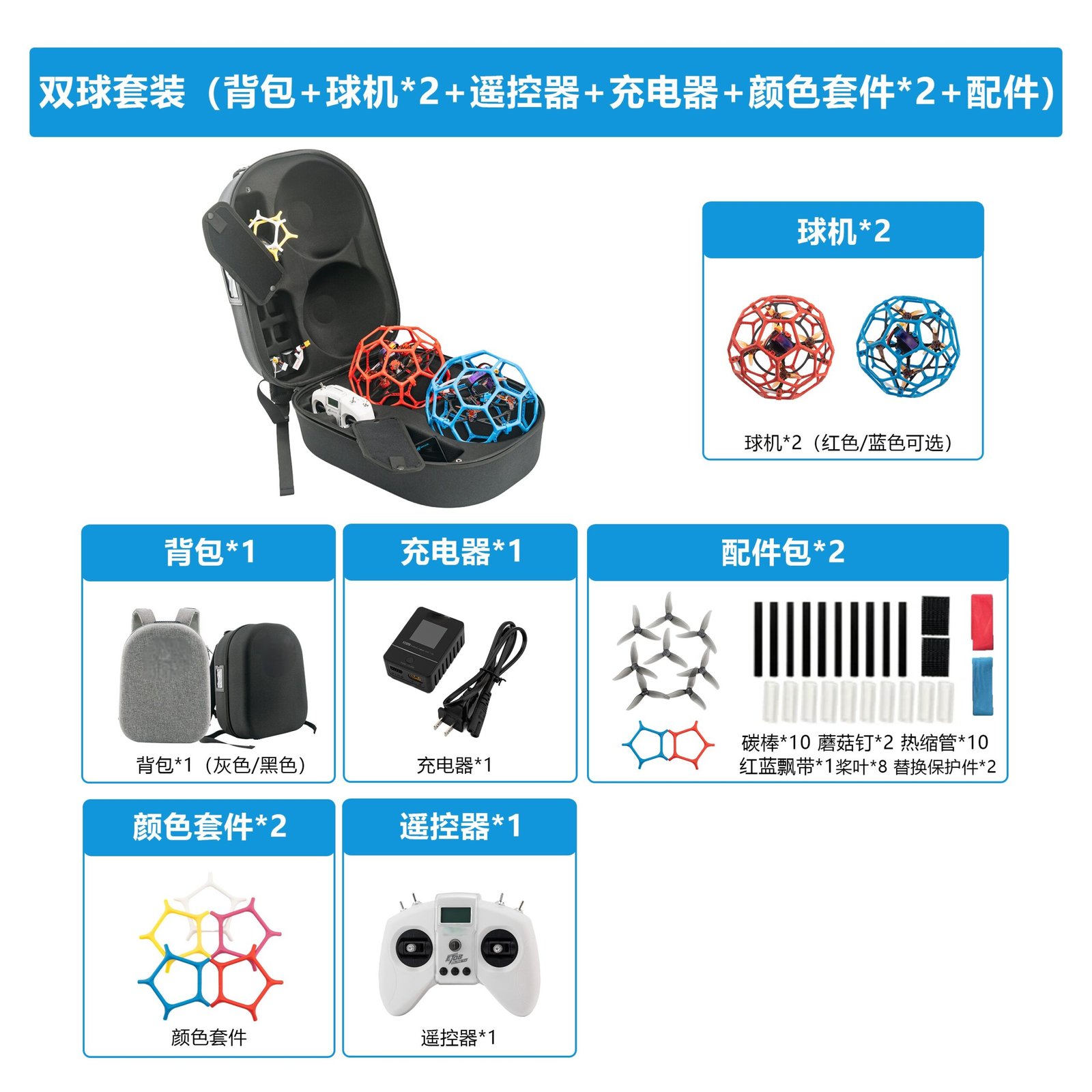
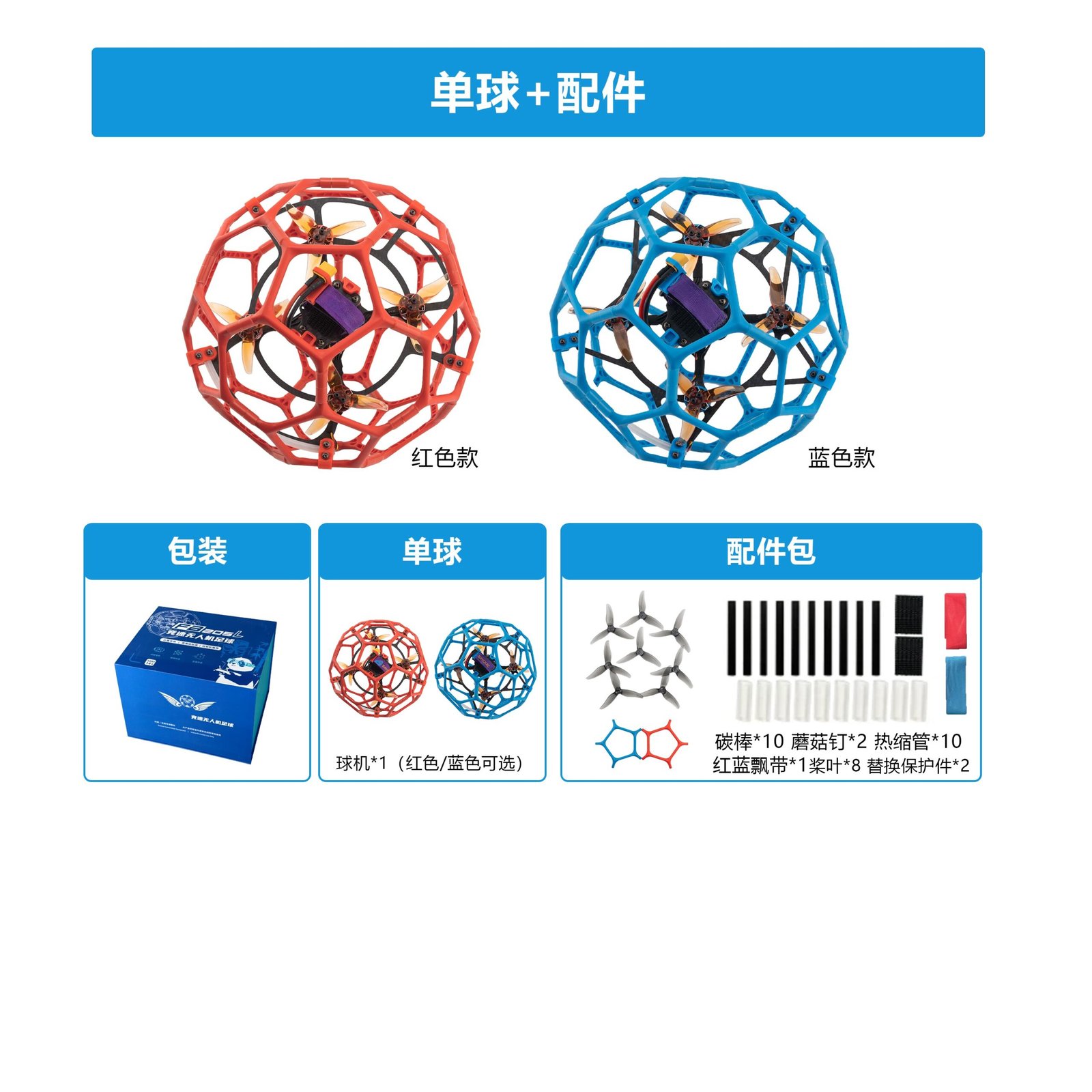
- Drones: Ensure drones meet league specifications for size, weight, and safety features. Request test reports or compliance certificates if available.
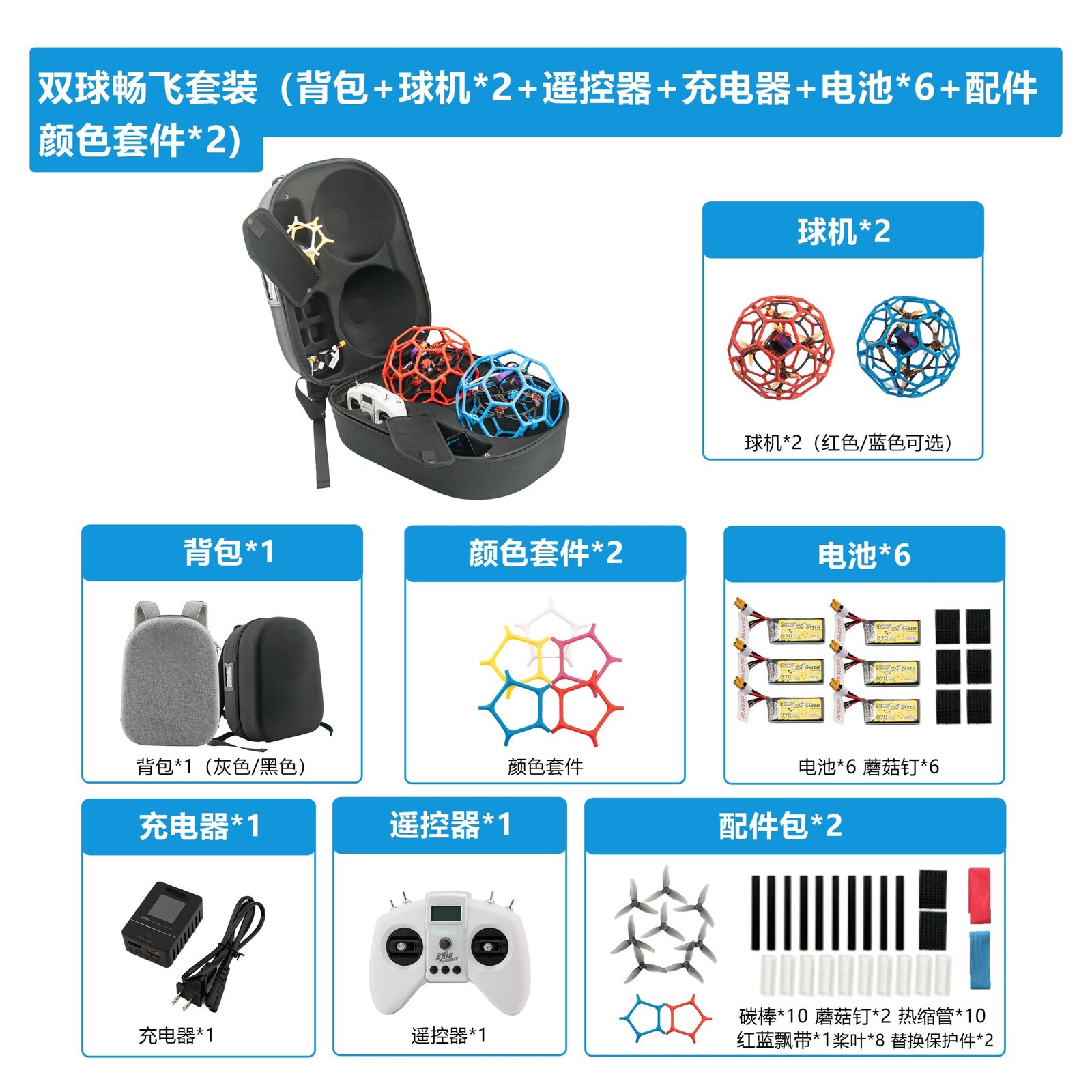
- Spare parts: Stock propellers, frames, motors, and batteries for quick repairs during practice and matches.
- Safety gear: Protective eyewear, gloves, and barriers for players and spectators.
- Training resources: Rulebooks, coaching guides, and instructional videos.
- Storage and transport: Cases or bags to protect drones and accessories.
For drone soccer systems and parts, explore our drone soccer systems and drone soccer competitions resources. Schools and training organizations can find tailored solutions at schools and training organizations.
Frequently asked questions
1. How many players are on a drone soccer team?
Standard drone soccer teams have five players on the field: one striker, two midfielders, and two defenders. Substitutions are allowed.
2. Can players switch roles during a match?
Yes, players can switch roles during substitutions or as strategic adjustments, provided the team maintains the required number of players in each position as per the rules.
3. What are the drone specifications for each role?
Drone specifications are generally uniform across roles, but teams may choose different models or configurations within the rules. For example, strikers might use lighter drones for speed, while defenders use reinforced frames. Always verify with your league’s rulebook.
4. Is there a goalkeeper in drone soccer?
In the standard five-player format, there is no dedicated goalkeeper; defenders share goalkeeping duties. Some variations may include a goalkeeper role.
5. How can schools start a drone soccer team?
Schools can start by familiarizing themselves with drone soccer rules and basics, securing appropriate equipment, and training coaches. They should also review relevant regulations, such as those outlined by the FAA for educational drone use. The STEM drone education and training programs can provide guidance.
6. What safety precautions are required for drone soccer?
Safety precautions include flying in enclosed arenas, using protective barriers, ensuring drones meet safety standards, and following league safety protocols. Players should receive proper training.
7. How can I procure drone soccer equipment for my club?
Contact suppliers to request product catalogs, specifications, and pricing. Confirm warranty, lead times, and MOQs in writing. For customized needs, discuss OEM/ODM options. Visit our drone soccer clubs page for more information.
Conclusion
Understanding player roles is essential for building a successful drone soccer team. By mastering drone soccer rules and basics, teams can assign roles effectively, train players, and compete with confidence. Whether you are a school, club, or distributor, proper equipment and preparation are key.
Next step: Ready to equip your team? Request a Team Kit Quote to discuss your needs.