Quick summary
A team spares kit should cover the parts that actually stop a session: props, motors, ESCs, flight controllers, receivers, antennas, batteries, screws and the tools to swap them. For FPV racing and training, pack by failure frequency and by repair time, not by catalogue size. Carry enough for the number of pilots and airframes you fly, keep consumables separate from electronics, and confirm compatibility and commercial terms in writing with your supplier before ordering.
Key Takeaways
- Stock spare parts by failure rate and repair time: props and motors first, then ESCs, flight controllers and receivers.
- A flight controller is the computer that reads sensors, computes corrections and commands the ESC to drive the motors; keep at least one compatible spare per active airframe type. Betaflight’s getting-started guide explains this control chain in plain language.
- Betaflight is free, open-source flight control software, and hardware support for each board comes from its manufacturer, so record board targets and firmware versions in your team log.
- Separate “consume every session” items from “replace when broken” electronics to avoid over-buying.
- Ask suppliers for written compatibility, packing, lead-time and support terms rather than relying on verbal assurances.
Why teams need a structured FPV spares kit
A structured kit keeps practice and race days running. In FPV racing and training, small crashes are normal, and a single failed component can ground an airframe for the rest of the session. The goal is not to carry every part ever made, but to cover the failures your team can realistically repair at the field or in the workshop.
For schools and youth programs, the kit also protects budgets and safeguarding time: fewer aborted sessions, clearer inventory, and easier handover between coaches. For clubs and associations, a shared kit standard reduces arguments about whose fault a failure was and makes purchasing predictable.
Start with the parts that fail most often
Begin with consumables and mechanically stressed parts. These are cheap relative to electronics and stop flights immediately when they fail.
Props, nuts and mounting hardware
Props are the highest-consumption item in any training program. Carry matched sets for each airframe size your team flies, plus spare prop nuts, motor screws and standoffs. Loose or missing screws cause vibration and sudden failures that look like electronics faults.
Motors
Motors take impact damage and bearing wear. Keep a small stock of the exact motor model used on each active frame, because mixed motor sets create tuning and handling differences. For club fleets, standardising on one or two motor sizes simplifies spares, though it may reduce performance choice. DPF’s FPV electronics range shows how accessory categories fit together, but always confirm the exact motor specification with your supplier.
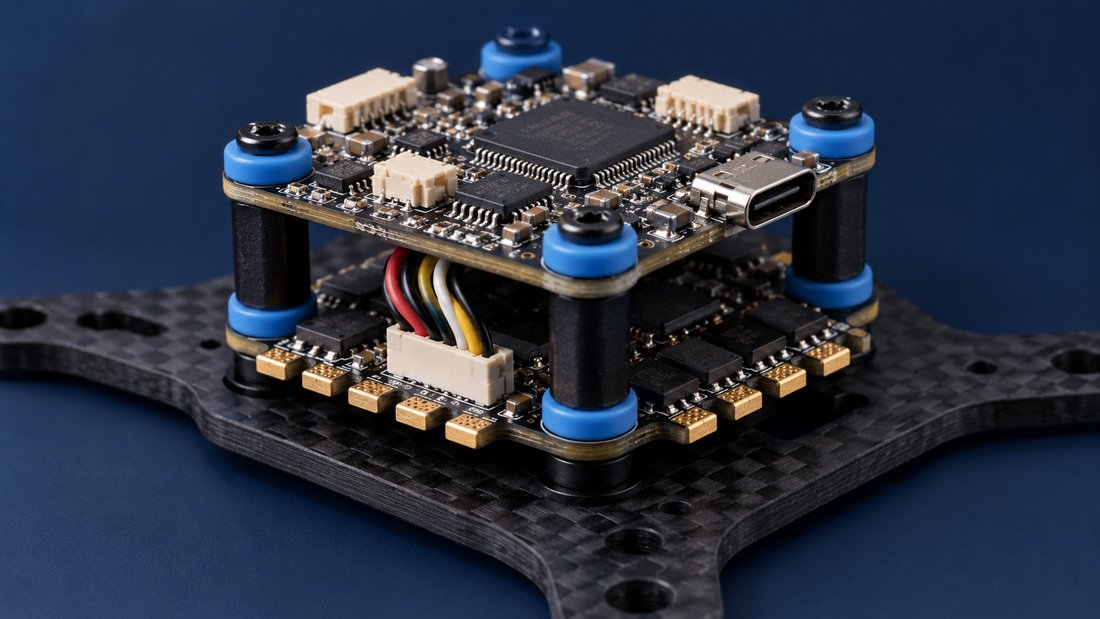
FPV electronics spares: ESCs, flight controllers and receivers
Electronics are less frequently replaced than props, but when they fail they take longer to diagnose and repair. Stock them per airframe type, not per pilot.
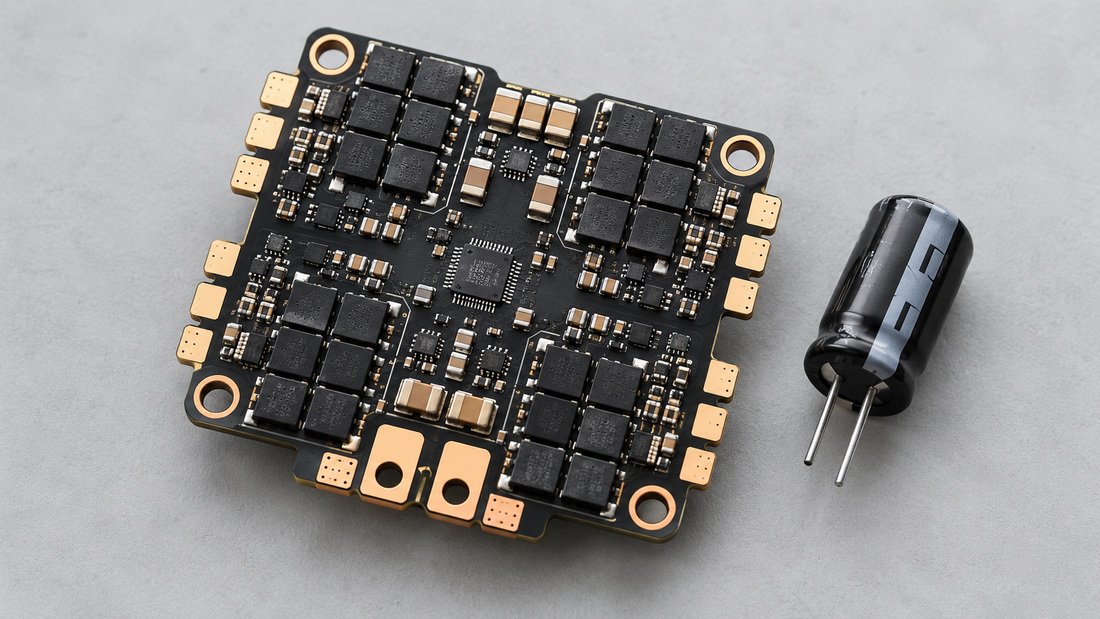
Electronic speed controllers (ESCs)
An ESC converts the flight controller’s commands into motor drive. Four-in-one boards are common, but a single failed channel can mean replacing the whole board. Keep one compatible spare per active frame type. Note the ESC protocol your team uses; Betaflight documents support for DShot as the main protocol used on nearly everything, alongside Oneshot, Multishot and PWM. See electronic speed controllers for product context, and confirm current ratings and firmware compatibility in writing.
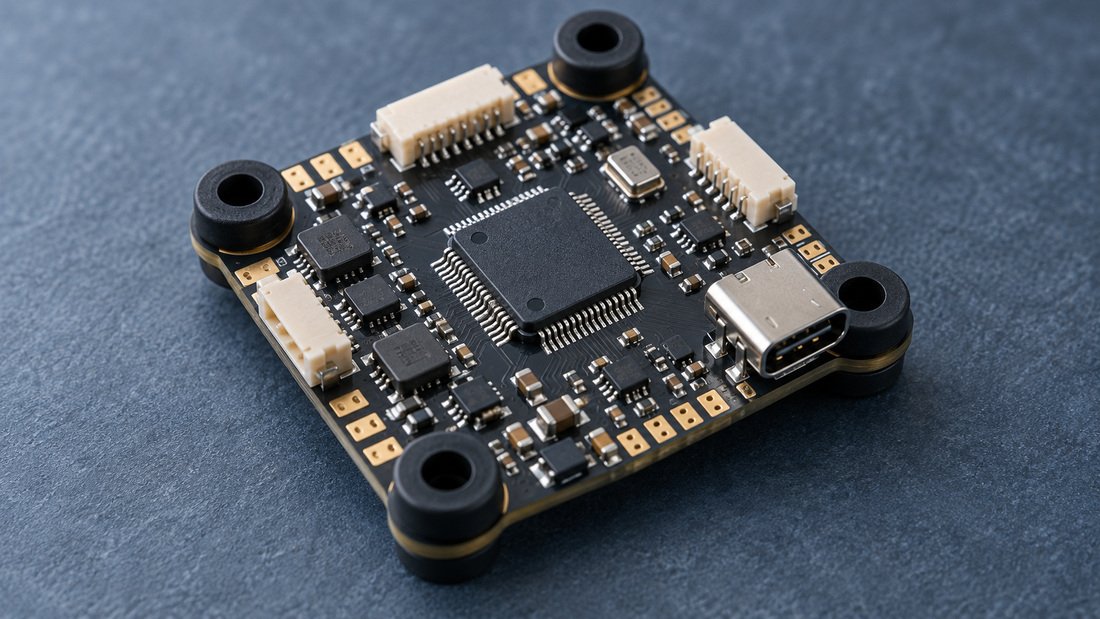
Flight controllers
The flight controller (FC) reads the gyro and other sensors, computes corrections and sends commands to the ESC. It may also control peripherals such as the video transmitter, radio telemetry and LEDs, as described in Betaflight’s overview. Keep at least one spare FC per airframe type, plus spare mounting grommets and cables.
Receivers, antennas and video equipment
Receivers and antennas are vulnerable in crashes. Carry spare receiver units compatible with your team’s radio protocol, plus spare antennas and pigtails. If your program records flights for coaching, keep a spare FPV DVR or recording device. Betaflight supports a wide variety of receiver protocols, including CRSF, Ghost, FPort, SBUS and Spektrum, so record which protocol each airframe uses.
Comparison: what to stock by role and repair time
The table below is general guidance for planning, not a fixed DPF package. Quantities depend on fleet size, session length and how often you can reorder.
| Spare category | Typical role | Field-replaceable? | Priority for FPV racing and training | What to confirm with supplier |
|---|---|---|---|---|
| Props, nuts, screws | Consumable | Yes | Highest | Pack sizes, material, fit |
| Motors | Mechanical/electrical | Yes, with tools | High | Exact model, KV, mounting pattern |
| ESCs | Electronics | Workshop or skilled field repair | High | Current rating, protocol, firmware |
| Flight controllers | Electronics | Workshop | Medium-high | Board target, firmware support, connector layout |
| Receivers/antennas | Electronics/consumable | Yes | High | Protocol compatibility, connector type |
| Batteries and straps | Consumable/power | Yes | High | Connector, capacity, storage and shipping terms |
| Tools and test gear | Support | n/a | Essential | Voltage range, spare tips, calibration |
Power, batteries and charging safety
Power problems end sessions quickly. Carry spare battery straps, connectors and a way to check voltage. Battery chemistry, storage and transport rules vary by location and event, so confirm venue and carrier requirements before travelling. Do not assume a supplier’s shipping terms cover every competition destination.
For team purchasing, ask for written guidance on connector types, battery storage and charging supervision expectations. For schools, link this to your risk assessment rather than treating it as a product feature.
Tools, software and field repair workflow
Spares are useless without the means to fit and test them. Betaflight is free, open-source flight control software for every kind of drone, and each board’s hardware support comes from its manufacturer. That matters for spares planning: two boards that look similar may need different firmware targets and support channels.
Keep a team log of board target names, firmware versions, ESC protocols, receiver protocols and tuning notes. A spare FC that cannot be flashed to a supported target is not really a spare. Betaflight also provides tune and filter presets as a starting point, but verify what applies to your hardware.
Common mistakes in team spares planning
- Buying one big mixed box: parts that do not match any airframe create clutter, not readiness.
- Ignoring firmware compatibility: a spare flight controller or ESC that cannot run your team’s target and protocol adds repair time.
- Over-stocking electronics, under-stocking consumables: props and screws stop more sessions than rare board failures.
- No inventory owner: shared kits drift; assign a named person and a simple check-in/check-out sheet.
- Assuming verbal terms: commercial terms for schools and clubs should be confirmed in writing, including what is and is not covered.
Procurement checklist for clubs, schools and distributors
Use this checklist before placing a team order. It separates general guidance from what must be confirmed with DPF or any supplier.
Technical fit
- List each active airframe type, frame size and motor model.
- Record FC board target, firmware version and ESC protocol.
- Record receiver protocol and connector types.
- Confirm spare parts are compatible with those exact configurations in writing.
Quantity and budget
- Estimate parts consumed per session and per term.
- Separate consumables budget from electronics capital budget.
- Ask for current pricing, packing quantities and any minimum order terms rather than assuming them.
Support and logistics
- Request written lead times and shipping terms for your destination.
- Ask who provides hardware support for each board and how firmware updates are handled.
- Confirm what documentation, labelling or training materials are included.
- For schools, confirm data, safety and safeguarding information you need for approval.
Build a team kit without over-buying
A practical approach is a three-tier kit. Tier one is field consumables: props, nuts, screws, straps and antennas. Tier two is quick-swap electronics: motors and receivers. Tier three is workshop electronics: ESCs and flight controllers, one spare per active airframe type.
Review the kit after each term using your failure log. If a part never fails, reduce the standing stock; if a part fails repeatedly, investigate tuning, mounting or pilot training before buying more. For OEM/ODM procurement teams, ask for sample evaluation and written specification confirmation before committing to a fleet order.
Ready to plan a team order? Request a Team Kit Quote and include your airframe list, protocols and quantities so the discussion starts from real requirements.
FAQ
How many spare motors should a small team carry?
There is no universal number. Base it on fleet size, session frequency and how quickly you can reorder. A practical starting point is one spare motor per active airframe, then adjust using your failure log.
Is a spare flight controller worth carrying?
Yes for teams that cannot afford long downtime, provided it matches your board target and firmware. Confirm target and connector layout with the supplier in writing.
Do we need spare ESCs if we use four-in-one boards?
Often yes, because one failed channel can require replacing the board. Stock per active frame type and confirm current rating and protocol compatibility.
Can we mix flight controller brands across a club fleet?
You can, but it complicates spares, firmware and support. Standardising reduces training and inventory overhead; diversity may offer performance or budget benefits. Decide deliberately.
What should schools confirm before buying FPV spares?
Confirm compatibility, safety documentation, support arrangements, lead times and commercial terms in writing. Also align purchases with your internal risk assessment and procurement rules.
How should we store and track spares?
Use labelled compartments, a check-out sheet and a named inventory owner. Keep firmware and configuration records with the spares so replacements can be restored quickly.
Does Betaflight support affect which spares we choose?
Yes. Betaflight runs on boards from many manufacturers, and support for each board comes from its manufacturer. Choose spares your team can flash and support, and record target names in your log. See the Betaflight getting-started guide for context.
Conclusion and next step
A good FPV spares kit is deliberately small, compatible and owned by someone. Start with props and fasteners, add motors and receivers, then stock ESCs and flight controllers per active airframe type. Keep firmware records, confirm compatibility and commercial terms in writing, and review the kit each term.
To move from checklist to order, Request a Team Kit Quote. Include your airframes, protocols and quantities so the quote reflects your actual FPV racing and training program.