Quick summary
For most school drone soccer programs, the practical answer is not one or the other: use a hard case for the airframes, batteries and high-value spares you cannot afford to lose, and soft bags for props, tools, jerseys and the many small items you repack every session. Hard cases win on impact and crush protection; soft bags win on weight, cost, packability and daily convenience. The right split depends on how often your team travels, who carries the gear, and whether your budget is better spent on more airframes or on stronger transport.
Key Takeaways
- Hard cases are generally the safer choice for airframes, battery packs, goggles and fragile spares; soft bags suit low-risk items like tools, spares pouches and team kit.
- Soft bags are typically lighter, cheaper and easier to stash in a school van or bus, but they offer limited crush protection when gear is stacked.
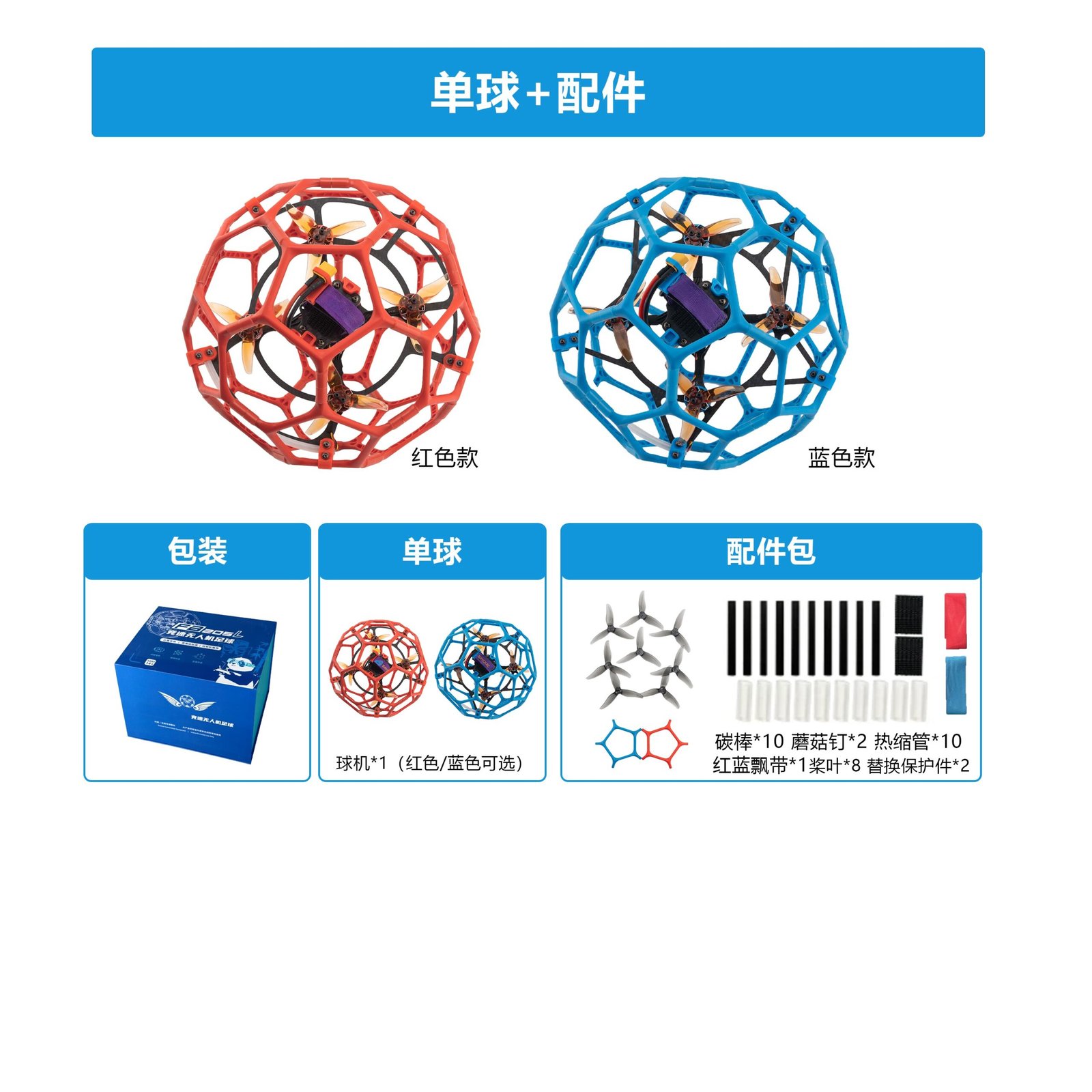
- Protective parts such as drone soccer protective shells reduce damage risk, but they do not replace sensible transport.
- The most useful procurement step is to write down your real travel pattern and packing workflow, then ask suppliers to quote against those facts in writing.
- Spending less on the bag and more on drone soccer replacement parts is often the better trade for a training-heavy school program.
What Is the Core Trade-Off Between a Hard Case and a Soft Bag?
Directly: a hard case protects against crushing, drops and stacking; a soft bag protects against scratches, light rain and organisation problems. You choose based on what is inside, how it travels, and who handles it.
An impact-resistant case uses a rigid shell, foam inserts and, usually, a pressure or purge valve for air travel. A soft bag uses fabric, padding and pockets. That structural difference drives every other difference: weight, price, packability and how quickly students can find what they need between matches.
For schools, the decision is rarely about one premium product. It is about allocating a limited budget across protection, spare capacity and replacement parts.
Protection Realities
Hard cases resist crushing when gear is stacked in a vehicle. Soft bags may dent, fold or compress. Neither category is automatically waterproof or dust-proof; those claims belong to specific models and should be checked per product. Ask for the manufacturer’s load and water-resistance information rather than assuming a category-level guarantee.
Where Weight and Size Change the Decision
A hard case can be heavy before you put anything in it. That matters when one coach, teacher or parent must move the whole team kit alone. A soft bag is easier to carry and easier to store in a cupboard between sessions, but it offers less protection if the vehicle is packed tightly.
Daily Packing Workflow
Training twice a week means pack-and-unpack happens far more often than air travel. In that routine, a soft bag with clearly labelled compartments is often faster for students to use. A hard case with cut foam can slow a hurried group if every item has exactly one slot and no one put it back correctly.
Comparison Table: Hard Case vs Soft Bag for Team Equipment
| Factor | Hard case | Soft bag |
|---|---|---|
| Impact and crush protection | High; rigid shell resists stacking and drops | Low to moderate; depends on padding |
| Weight (empty) | Heavier | Lighter |
| Cost per unit | Typically higher | Typically lower |
| Packability in a school vehicle | Occupies fixed space | Flexible, can be folded or squeezed |
| Grab-and-go for students | Slower if foam is custom-cut | Faster if compartments are labelled |
| Best suited contents | Airframes, batteries, goggles, cameras, chargers | Props, tools, jerseys, spare parts, cables |
| Air travel | Commonly preferred when li-ion batteries and regulations are involved | Sometimes accepted, but check the specific model |
| Repairability | Shell damage may be terminal; hinges and latches may be replaceable | Zips and straps may be repairable or replaceable |
How Should a School Program Decide?
Start from the journey, not the product. Ask three questions: what is inside, who carries it, and what happens if it fails. Then choose the lightest protection that still manages the worst realistic scenario.
Match the Container to the Contents
Airframes, batteries and goggles are the costly items. A damaged airframe can take a team out of an event; a lost battery can stall a session. These belong in a case with fit-for-purpose foam. Props, cables, tools and spares are cheap and replaceable, so a soft bag or organiser is usually sufficient.
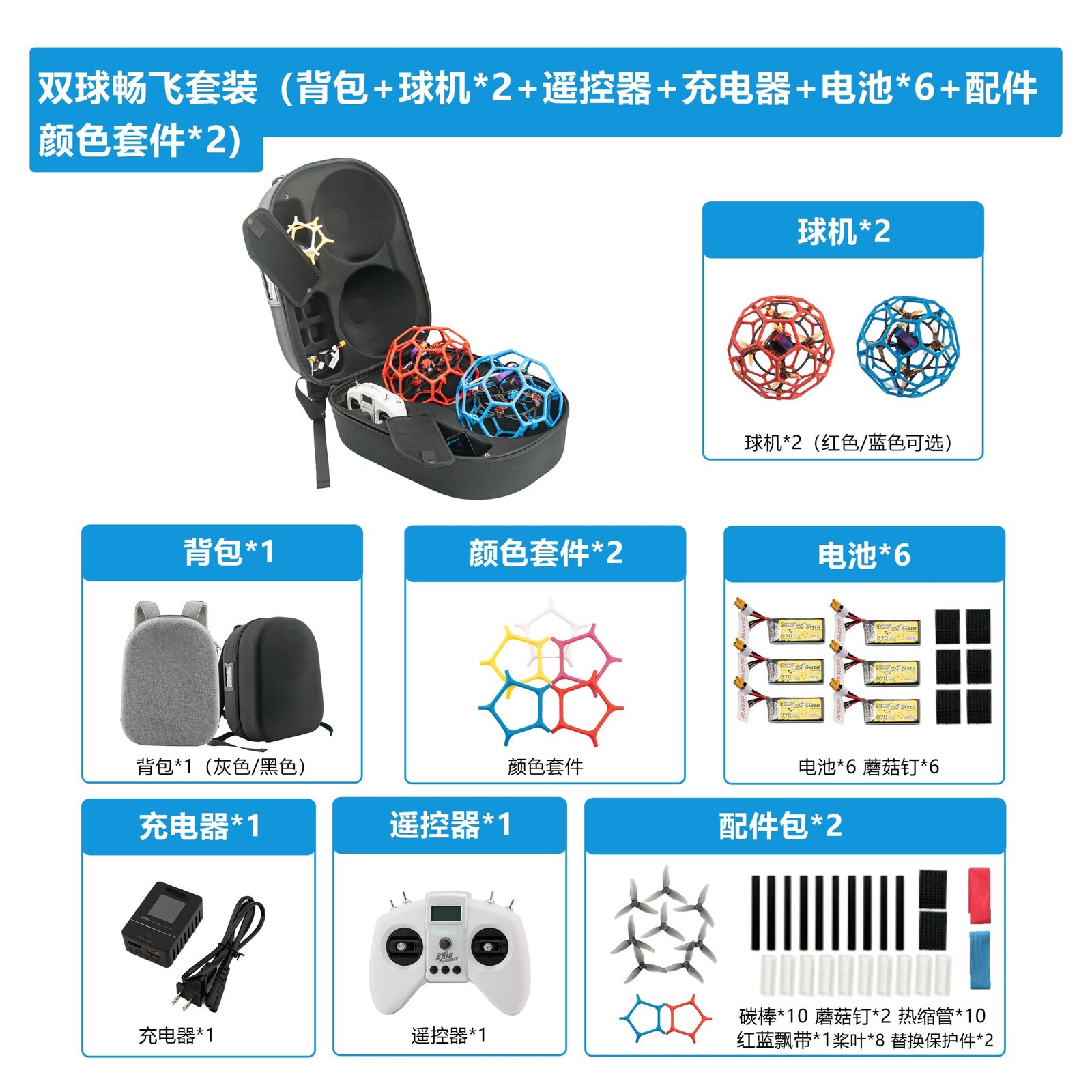
In drone soccer, the ball and the protective dome on the airframe are exposed during play. That is a playing risk, not a transport risk, but it is worth noting that protective shells and spare domes change how much transport protection you actually need. If your airframes are already well protected for play, the transport case can focus on the frame, electronics and batteries.
Consider Who Moves It
If students carry their own bags between classrooms and the gym, a soft bag encourages independence. If a single teacher moves a whole club kit in a car, a wheeled hard case may reduce strain. If the kit travels by coach with other luggage, hard cases protect against being crushed by unrelated bags.
Budget Allocation
A simple split many programs adopt: hard protection for the items that cost the most to replace, soft bags for the items that cost the least. That keeps more of the budget available for airframes and drone frames, which directly affect how many students can fly.
What Equipment Actually Needs Protecting?
Directly: protect what is expensive, fragile or safety-critical; bag what is cheap, robust or easily replaced. Most kits contain a mix, and treating everything the same wastes money or leaves gaps.
High-Priority Items for Hard Protection
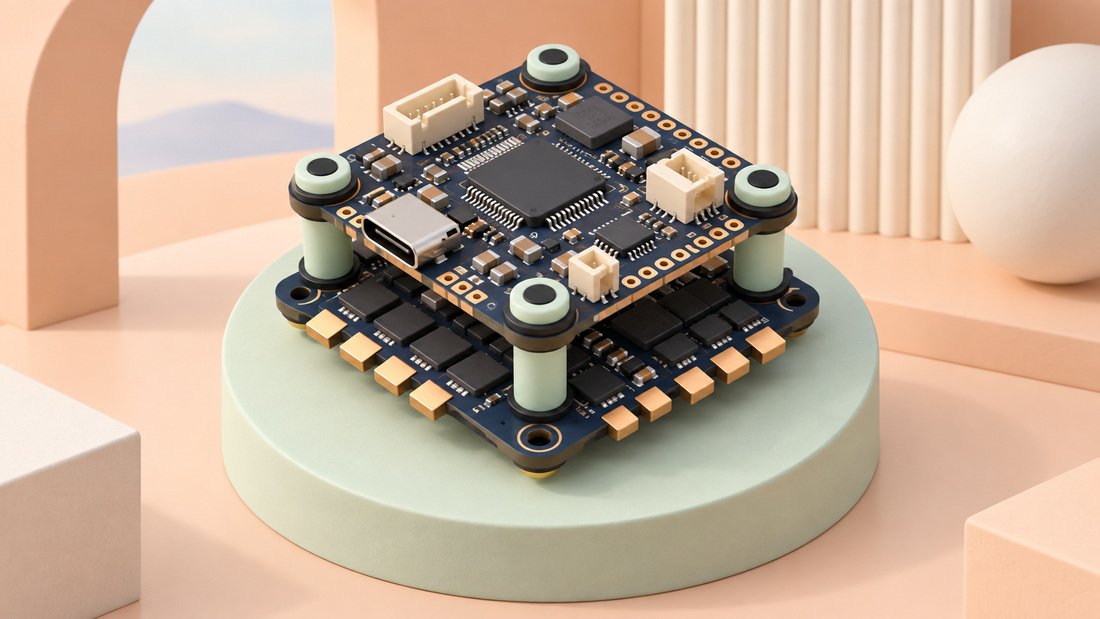
- Airframes and flight controllers. A flight controller reads the gyroscope and accelerometer, computes commands and sends them to the ESC (electronic speed controller) to control the motors; it is the core of the aircraft and is not useful if crushed.
- Battery packs, which are also subject to carrier rules and should be stored and transported carefully.
- Goggles, radios and cameras.
- Chargers and power supplies, which are heavy and benefit from rigid separation.
Reasonable Items for Soft Bags
- Propellers, which are consumables and should be inspected and replaced regularly.
- Tools, tape, cable ties and small spares.
- Team jerseys, bibs and signage.
- Laptop and paperwork, if a padded sleeve is available.
Where Firmware Knowledge Fits
Transport is not only physical. If a flight controller is damaged or replaced, setup may involve reflashing firmware. Betaflight, an open-source flight control firmware, supports a wide range of receiver protocols including CRSF, Ghost, FPort and SBUS, and ESC protocols such as DShot, according to the Betaflight getting-started documentation. That matters for schools because a replacement board may need configuration before the next session, so keeping a documented setup file alongside the kit is part of good transport practice.
If you are sourcing airframes, spares and transport together, the fastest way to get a like-for-like answer is to describe your program and ask for a written recommendation. Request a School Program Quote and include class size, travel pattern and the age group you teach.
Common Mistakes Schools Make With Cases, Bags and Transport
Directly: most mistakes come from buying containers before mapping the kit, then discovering the fit is wrong or the weight is unmanageable.
- Buying cases before the airframes are finalised, so the foam layout is wrong within a term.
- Choosing the largest case available instead of the lightest case that fits the team kit.
- Assuming any bag is waterproof, impact-proof or approved for air travel without checking the specific model.
- Storing batteries loose with metal tools, which risks short circuits.
- Leaving no room for spares, so the case is overfull on competition day.
- Ignoring that students, not staff, will do most of the packing.
Buyer Checklist for Cases, Bags and Transport
Directly: use this list to compare quotes fairly and to avoid paying for features your program will not use.
- List every item, including batteries and chargers, with approximate dimensions and weights.
- Decide how many people must be able to carry the kit independently.
- Confirm whether the kit will travel by car, bus, plane or courier.
- Check carrier rules for lithium batteries before choosing a case for air travel.
- Ask whether foam is custom-cut, pluckable or replaceable.
- Ask how hinges, latches, wheels, zips and straps are replaced if they fail.
- Request the actual dimensions, empty weight and material specification in writing.
- For OEM or distributor orders, request samples and confirm the specification in writing before production.
- Decide whether spare capacity is needed for a second team or future growth.
Frequently Asked Questions
Is a hard case always better than a soft bag?
No. A hard case offers more impact and crush protection, but it is heavier and generally more expensive. A soft bag is often the better choice for tools, spares and team kit that do not need rigid protection.
Can I use one soft bag for a whole drone soccer team?
It is possible for small training groups, but a single bag offers limited protection for multiple airframes and batteries. Many programs combine one or two hard cases for airframes and batteries with soft bags for everything else.
Are hard cases allowed on planes?
Carrier rules vary by airline and route, and lithium batteries are often regulated separately from the case itself. Check the specific carrier’s current rules before travel and confirm case dimensions and battery handling requirements directly.
Do protective shells and domes reduce transport damage?
Protective parts are designed for play and impact during matches. They can reduce some transport risk, but they do not replace suitable packing, foam and a properly sized container.
How should batteries be stored and transported?
Keep batteries protected from impact, heat and short circuits, and separate them from loose metal objects. Ask your supplier for their storage recommendations and confirm any local or carrier requirements in writing.
What should I confirm in writing before ordering?
Ask for exact dimensions, empty weight, material, foam type, replacement-part availability, warranty terms, minimum order quantity and lead time. These commercial terms vary by supplier and should be confirmed rather than assumed.
Is it better to spend more on cases or on spare parts?
For training-heavy programs, a balanced approach usually works best. Enough protection to keep the fleet flying, and enough spare parts and airframes to keep students in the air. Compare total cost per flying session, not just the price of the case.
Conclusion and Next Step
There is no universal winner between a hard case and a soft bag. For most school and youth drone soccer programs, the practical answer is a layered kit: hard protection for airframes, batteries and goggles, and soft bags for props, tools and team kit. Buy transport that matches your real travel pattern, then put the remaining budget into the parts that keep students flying.
To move from general guidance to a specific plan, prepare the list above and Request a School Program Quote. Include your group size, travel pattern, storage situation and the BKZ drone soccer equipment you currently use, and ask for a written recommendation covering cases, bags and transport alongside your airframes and spares.