Quick summary
Drone clubs and teams find sponsors by treating sponsorship as a value exchange, not a donation request. Start with a one-page sponsor package that lists who you are, how many students or members you serve, where you compete, and what visibility or engagement you can offer. Then build a warm list of local businesses, STEM employers, aviation and engineering firms, parent networks, and community organizations. Approach them with a specific ask, a clear budget line, and a simple way to say yes.
Key Takeaways
- Sponsorship is easier when you can show a clear audience, a specific use of funds, and a measurable benefit for the sponsor.
- Most successful drone club sponsorship comes from local and regional relationships, not cold national pitches.
- A sponsor-ready package should include team profile, audience size, competition calendar, sponsorship tiers, and a named contact.
- Keep sponsorship money separate from general club funds and report back with photos, results, and thank-you notes.
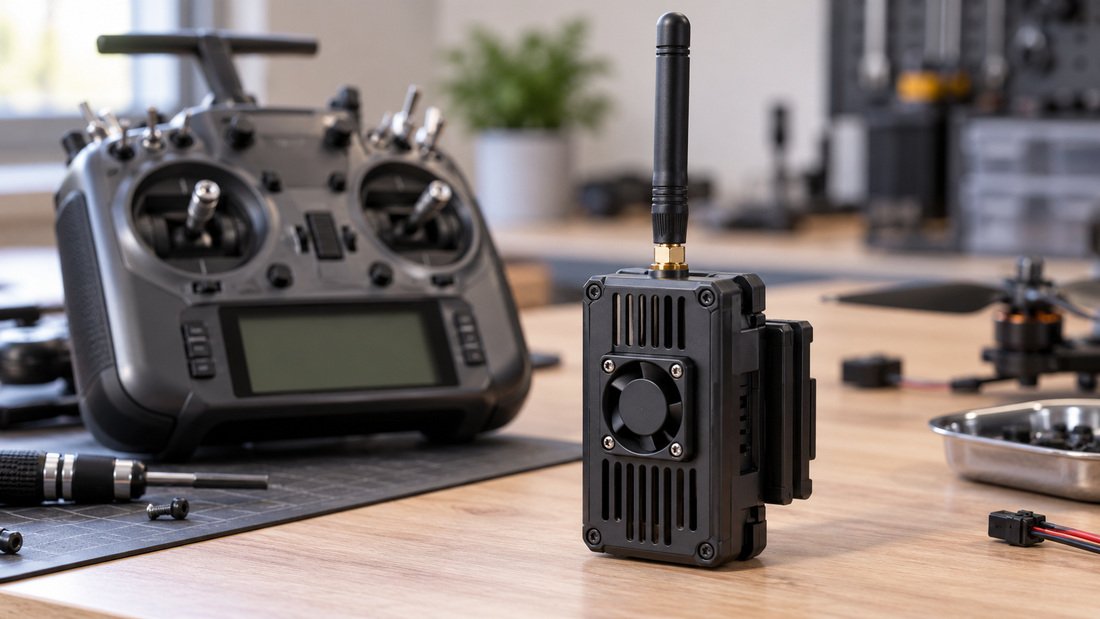
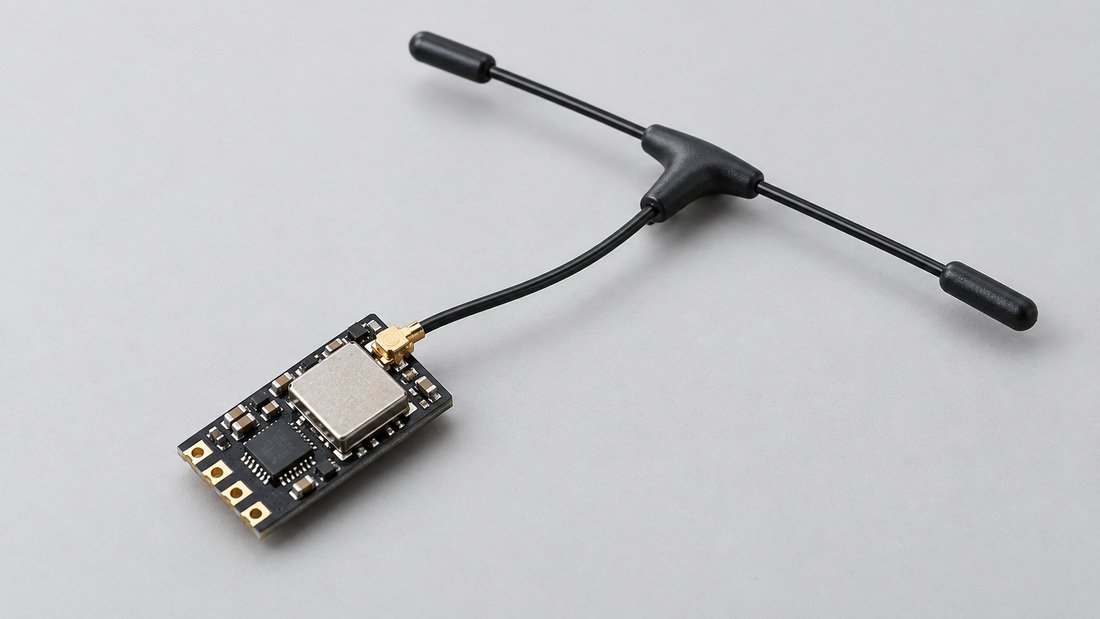
- Equipment sponsors often prefer in-kind support, such as drone soccer systems or ELRS receivers, over cash.
Start with a Sponsor-Ready Club Profile
Before you approach anyone, write down the facts a sponsor will ask for. This is your club profile. It does not need to be long, but it should be accurate and easy to update each season.
A sponsor wants to know four things: who you reach, what you do, why it matters, and what they get. If you cannot answer those clearly, the conversation will stall. Many small clubs lose sponsorship simply because they cannot describe their audience or their season.
What to include in your club profile
- Club or team name, location, and founding year.
- Number of active members, age range, and how many are new this season.
- Coaches, volunteers, and any school or community partner.
- Competition calendar, including drone soccer competitions and local events.
- What the club needs: airframes, receivers, batteries, travel, venue fees, or coaching time.
- A named contact with an email and phone number.
Keep this profile on one page. You can attach a longer appendix for larger sponsors, but the one-pager is what gets read first.
Separate your needs from your wants
Sponsors respond better to specific needs than to open-ended requests. Instead of saying you need funding, say you need six replacement airframes for the upcoming season. Specific needs are easier to approve and easier to report on later.
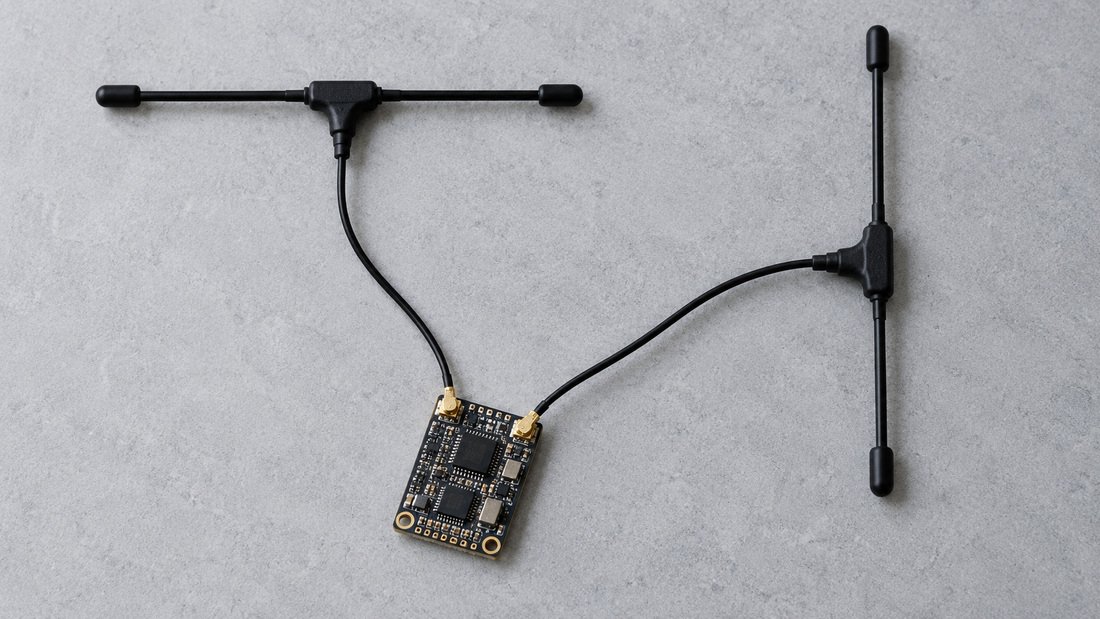
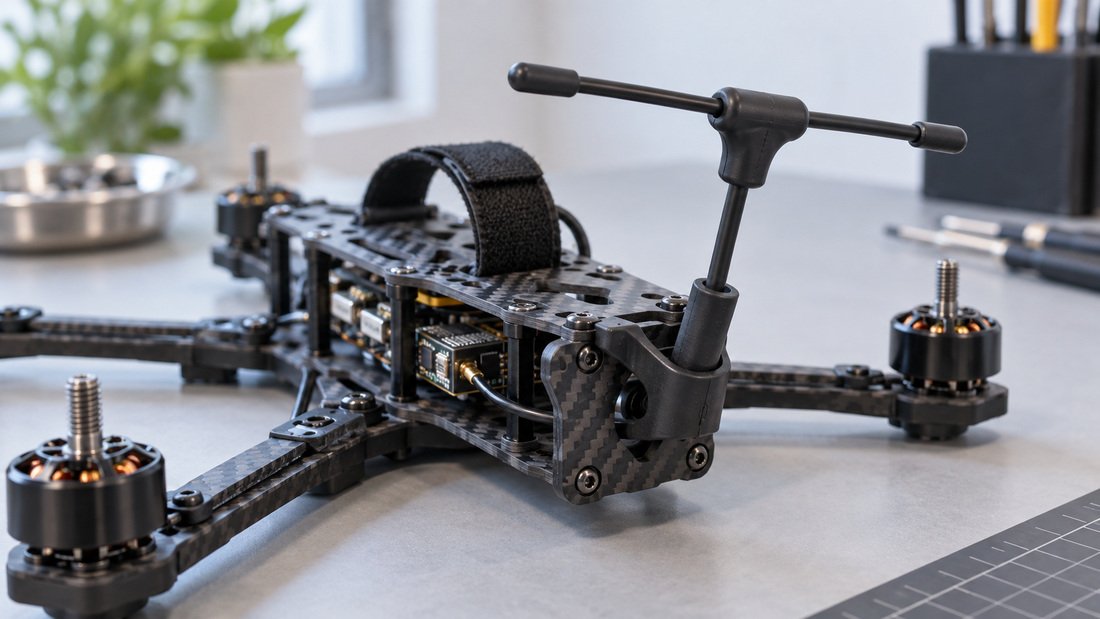
If your club uses drone soccer systems, list the parts that wear out most often. Airframes, propellers, receivers, and batteries are common replacement items. A sponsor can often fund one category more easily than an entire program.
Where Do Club Teams Actually Find Sponsors?
Most sponsors come from a short list of categories that already care about youth, technology, education, or local visibility. Start with people who already know your club. Warm introductions convert far better than cold emails.
Local businesses and community organizations
Local businesses often sponsor youth sports because their customers are local. Drone clubs fit the same model. Hardware stores, restaurants, auto dealers, banks, and family-owned businesses may sponsor a team for a modest amount and a logo placement. Community organizations, rotary clubs, and parent-teacher associations can also help.
STEM employers and engineering firms
Companies in aerospace, engineering, software, manufacturing, and energy often have community investment budgets. They may prefer to sponsor STEM drone education and training because it aligns with their workforce pipeline. These sponsors may also offer mentors, facility tours, or internship pathways.
Universities, colleges, and technical schools
Higher education partners can provide access to equipment, coaching, and student volunteers. In the United States, the FAA notes that qualifying educational organizations, including institutions of higher education and Junior Reserve Officers’ Training Corps (JROTC) programs, may operate under the recreational exception in certain cases (FAA educational users guidance). This matters for sponsorship because it affects where and how you can fly.
Parent networks and alumni
Parents and alumni are often the fastest path to a first sponsor. A parent who works at a local company can make an introduction that a cold email never will. Ask them directly and make it easy for them to forward your one-pager.
Distributors and equipment brands
Equipment suppliers sometimes sponsor teams with product rather than cash. If your club already uses drone soccer clubs equipment, ask whether a distributor can support you with receivers, frames, or replacement airframes. Product sponsorship can stretch a cash budget further.
How to Build a Sponsorship Package
A sponsorship package is a short document that explains what you offer at each level. It should be simple enough for a small business owner to understand in two minutes.
Create three tiers if you are new to sponsorship. Keep the lowest tier affordable for a local business and the highest tier meaningful for a larger company. Do not promise things you cannot deliver, such as national media coverage or guaranteed event attendance.
| Sponsorship tier | Typical ask | What you can offer | Best fit |
|---|---|---|---|
| Team supporter | Small cash or product donation | Logo on team banner, social media thank-you | Local small business, parent employer |
| Season partner | Mid-level cash or equipment | Logo on jerseys or airframes, event recognition, progress updates | Regional business, STEM employer |
| Program partner | Larger cash or multi-year support | Named program element, event hosting, recruiting access, impact report | Larger company, university, distributor |
Adjust these tiers to your actual audience and capacity. A club with 12 members should not promise the same reach as a club with 120 members.
Outreach That Works: A Simple Sequence
Sponsorship outreach is a process, not a single email. Most successful clubs contact a prospect several times before getting a yes or a clear no.
Step 1: Build a list of 20 to 30 prospects
Include local businesses, STEM employers, alumni employers, and equipment suppliers. For each one, write down why they might care about your club. If you cannot explain the connection, deprioritize them.
Step 2: Send a short introduction
Keep the first email under 150 words. Say who you are, what your club does, and ask whether they would like to see a one-page sponsorship overview. Do not attach a large file to the first email.
Step 3: Follow up with the package
If they reply, send the one-pager and the tier table. If they do not reply, follow up once after one to two weeks. Then move on. Do not pressure a prospect who is not responding.
Step 4: Meet in person or online
A short meeting lets you answer questions and adjust the ask. Bring a student or coach if possible. A student explaining what the club has taught them is often more persuasive than an adult reading a script.
Step 5: Confirm in writing
Once a sponsor agrees, send a simple confirmation email or letter. Include the sponsorship amount or product, what you will provide, the timeline, and who to contact. If the sponsor needs an invoice or a receipt, ask what format they require.
Step 6: Deliver and report
After the season, send a short impact report with photos, competition results, and a thank-you note. Sponsors who receive a good report are far more likely to renew. This is also where you can mention your team’s use of schools and training organizations resources and events.
Common Mistakes Drone Clubs Make with Sponsors
Most sponsorship problems come from unclear asks, poor follow-up, or unrealistic promises. Avoiding these mistakes will save you time and protect your club’s reputation.
- Asking for too much too soon. A first-time sponsor is unlikely to fund an entire program. Start with a smaller, specific ask.
- Not naming a contact. Sponsors need one person to talk to. A group email address is easy to ignore.
- Promising visibility you cannot deliver. Do not claim media coverage or attendance numbers you cannot verify.
- Mixing sponsorship money with general funds. Keep records so you can report back accurately.
- Forgetting the follow-up. A thank-you report is the single best way to get a renewal.
- Ignoring in-kind sponsorship. Equipment, venue space, and coaching time can be as valuable as cash.
If your club is new, consider starting with in-kind support. A local business may donate a venue or printing services before it donates cash. That relationship can grow into a cash sponsorship later.
Mid-article CTA
If you are building a sponsor package around equipment needs, it helps to know what your team actually uses. You can review current options or contact our team to discuss what a club kit might include.
What Sponsors Want in Return
Sponsors are not only buying visibility. They are buying a relationship with your community. Understanding what they value helps you make a stronger offer.
| Sponsor priority | What you can offer | How to prove it |
|---|---|---|
| Local visibility | Logo on banners, jerseys, or equipment | Photos from events and competitions |
| Community goodwill | Support for youth STEM education | Student stories and participation numbers |
| Workforce pipeline | Access to students interested in engineering and aviation | Event hosting, mentorship, or internship pathway |
| Employee engagement | Volunteer opportunities for staff | Photos of volunteer days and coaching sessions |
| Brand alignment | Association with drone sports and technology | Competition results and media mentions you can verify |
Match your offer to the sponsor’s priority. A bank may care most about local visibility. An engineering firm may care most about workforce pipeline. A distributor may care most about product visibility among teams.
Buyer Checklist: Before You Sign a Sponsorship Agreement
Use this checklist to make sure both sides understand the agreement. It is written for club organizers, but sponsors may also find it useful.
- Is the sponsorship cash, in-kind, or both?
- What exactly is the sponsor providing, and when?
- What is your club providing in return, and by what date?
- Who is the named contact on each side?
- How will the sponsorship be recognized in writing?
- What reporting will you provide after the season?
- Are there any restrictions on how the funds or equipment can be used?
- Is there a renewal option or a preferred timeline for next season?
- Do you need an invoice, receipt, or tax documentation? If so, confirm the required format with the sponsor.
- Have you confirmed any safety or regulatory requirements for events where the sponsor’s logo will appear?
For U.S. clubs, flight rules may depend on whether your program qualifies as an educational organization. The FAA states that qualifying educational organizations include institutions of higher education, JROTC programs, and educational programs chartered by an FAA-recognized Community Based Organization, and that other educational organizations must operate under Part 107 (FAA educational users guidance). Sponsors do not change these rules, but they may ask how you comply. Keep your documentation ready.
Frequently Asked Questions
How much should a drone club ask a sponsor for?
There is no universal amount. Start with a specific need, such as the cost of replacement airframes or a season’s travel. A smaller, well-explained ask is easier to approve than a large, vague one. Confirm any amount in writing before you commit to spending it.
Do sponsors prefer cash or equipment?
It depends on the sponsor. Retail and service businesses often prefer cash because it is simple. Equipment brands and distributors may prefer in-kind product support because it fits their business. Ask the sponsor which they prefer.
Can a drone club get sponsorship from a drone parts supplier?
Some suppliers support teams with product, discounts, or event sponsorship. The best approach is to ask directly and explain how your club uses their products. Be specific about what you need and how you will recognize the support.
How long does sponsorship outreach take?
Timelines vary. Some local sponsors decide in a few weeks, while larger companies may have annual budget cycles. Start your outreach several months before the season begins. Do not assume a quick yes, and do not stop after one email.
Do we need a formal sponsorship contract?
A short written agreement is strongly recommended. It can be an email or a one-page document, but it should state what each side provides, the timeline, and the named contacts. For large or multi-year sponsorships, ask whether a formal agreement is required.
What if a sponsor wants to see our competition results?
Share verified results and photos. Do not invent results or exaggerate attendance. If you are a new club, focus on participation, learning outcomes, and community impact rather than trophies.
How do we keep sponsors for more than one season?
Report back after the season with photos, results, and a thank-you note. Invite sponsors to events. Ask whether they would like to renew. Renewal is usually easier than finding a new sponsor, so treat reporting as part of the sponsorship, not an afterthought.
Conclusion: Turn Sponsorship into a Repeatable Process
Drone clubs and teams find sponsors by building a clear profile, approaching warm contacts, offering specific benefits, and reporting back after the season. The process is repeatable. Start small, keep your promises, and treat every sponsor as a long-term relationship rather than a one-time transaction.
If your sponsorship ask includes equipment, it helps to know what a team kit could include before you make promises to a sponsor. When you are ready to price out airframes, receivers, or replacement parts for your club, Request a Team Kit Quote and we will help you build a clear, sponsor-friendly equipment list.