Quick summary
Battery safety testing in drone kits is not one test but a chain of checks across cell supply, pack assembly, charging hardware and final kit inspection. Suppliers typically combine incoming cell screening, pack-level electrical and mechanical checks, charger verification and documentation review. Because requirements vary by country and by buyer, schools should not assume a kit is tested to a single global standard. Instead, ask which tests were performed, on which components, by whom, and request the supporting records in writing before ordering classroom quantities.
Key Takeaways
- Battery risk in drone kits comes from three places: the cells, the assembled pack, and the charger or power path. Each needs its own verification.
- Vocational and youth programs are usually most exposed to charging and storage behaviour, not flight itself, so charger quality and student training matter as much as pack testing.
- Ask for a test list with component scope, pass/fail criteria and record formats rather than a blanket claim that batteries are “safe” or “certified”.
- Confirm documentation, labelling and shipping classification in writing, since these differ by destination and carrier.
- A documented quality control process and a clear warranty and after-sales program reduce the operational risk schools face after purchase.
What does battery safety testing actually cover in a drone kit?
It covers the battery itself, the way it connects to the drone, and the equipment used to charge it. A credible supplier can separate these three areas and describe what was checked in each.
Cell-level checks
Before cells are assembled into a pack, suppliers may screen voltage, internal resistance and physical condition, and reject cells that fall outside agreed limits. Ask whether screening happens at all, whether it is sampling or 100% of a batch, and how rejected cells are handled. The answers tell you more than the word “tested”.
Pack-level checks
An assembled pack can be checked for correct wiring and polarity, connector integrity, insulation and shrink-wrap condition, balance-lead continuity, and stable voltage across cells. Mechanical checks such as drop or vibration exposure are sometimes performed, but the methods and severity levels are supplier-specific. Request the actual procedure if mechanical testing matters to your program.
Charger and power-path checks
The charger is part of the safety system. Relevant questions include whether charging current and cut-off behaviour are verified, whether the charger is checked with the pack it ships with, and whether connectors are keyed to prevent reversed connection. Many classroom incidents involve charging practice rather than flight, so this area deserves explicit attention during procurement.

Which tests are commonly requested, and what do they tell a school?
Different tests answer different questions. The table below maps common battery-related checks to the risk they address and what a buyer should ask for as evidence. It describes general industry practice, not a claim about any specific supplier.
| Check | Risk addressed | What to request as evidence |
|---|---|---|
| Incoming cell screening (voltage, internal resistance) | Weak or mismatched cells causing imbalance or shortened life | Sampling plan, acceptance limits, rejection records |
| Pack wiring and polarity check | Short circuits, reversed connections, damaged electronics | Inspection checklist with pass/fail fields |
| Insulation and connector integrity | Exposed conductors, intermittent power loss | Visual inspection criteria and photo records |
| Charger output and cut-off verification | Overcharge, overheating during classroom charging | Charger test method and equipment used |
| Capacity or discharge check | Under-performing packs and false flight-time expectations | Test conditions and tolerance range |
| Mechanical exposure (drop, vibration) | Damage from drone soccer impacts and handling | Procedure description and severity levels |
| Documentation and labelling review | Unclear instructions, missing warnings, shipping problems | Samples of labels, manuals and safety sheets |
Two practical cautions. First, a test name alone is not evidence; the method and acceptance criteria matter. Second, tests performed on a sample batch do not automatically apply to every future order, so ask how consistency is maintained between production runs.
How should schools evaluate battery safety claims from a supplier?
Treat every safety claim as a question about scope, method and records. Vague assurances are common in B2B conversations, and a short written clarification usually resolves them.
Separate general guidance from supplier-specific facts
This article offers general guidance on what to ask. It does not assert that any particular factory, including Drone Parts Factory, performs specific tests to specific standards. DPF’s testing and inspection and safety and compliance support pages describe service categories; the exact test list, standards referenced and record formats for your order must be confirmed in writing.
Ask for the record, not the adjective
Request a sample inspection report, a label mock-up, and the safety section of the manual. If a supplier cannot share a redacted example, that itself is useful information. Redaction of customer names and prices is normal and should not be treated as evasion.
What makes drone soccer batteries different from general drone batteries?
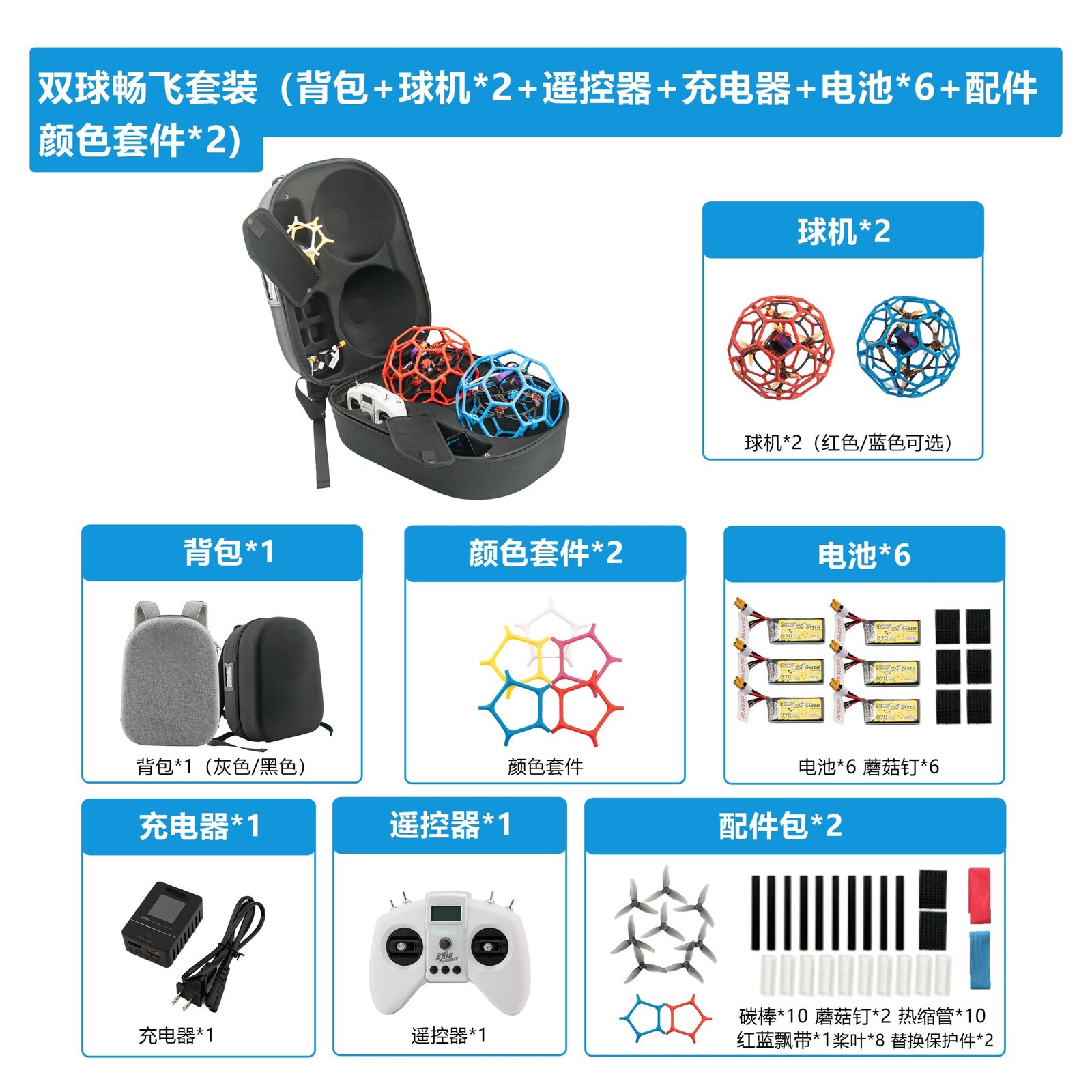
Drone soccer, played with protective ball-shaped frames, involves repeated short flights, frequent contact and rapid turnaround between matches. Those conditions change what “safety testing” needs to address.
Impact exposure is higher than in free-flight training, so frame and battery mounting integrity matter alongside the pack itself. Fast swap cycles mean connectors are handled many times per session, which raises the value of connector strain relief and keyed connections. Charging happens in bursts between matches, often in shared spaces, so charger throughput and supervision rules become operational safety controls. When specifying kits for a quality control review, ask the supplier how these use patterns are reflected in inspection criteria.
What should a buyer checklist include before ordering classroom quantities?
Use a short written checklist and ask the supplier to respond point by point. This converts a sales conversation into a comparable record you can share with administrators.
Procurement checklist
- Test scope: which components are tested (cells, packs, chargers, complete kits) and which are not.
- Method and criteria: the procedure and pass/fail limits for each test described.
- Sampling vs 100%: whether checks apply to every unit or to samples, and how consistency is maintained.
- Records: the format of inspection reports and whether copies accompany each shipment.
- Labelling and manual: language, warning content and clarity for student and teacher audiences.
- Shipping classification: how the battery is declared for transport and what documentation accompanies it.
- Spare parts: availability of replacement packs, connectors and chargers to reduce field repairs.
- After-sales: how a failed pack is handled, and what the warranty and replacement process covers.
- Commercial terms: pricing, MOQ, lead time and payment terms — request all of these in writing rather than relying on verbal estimates.
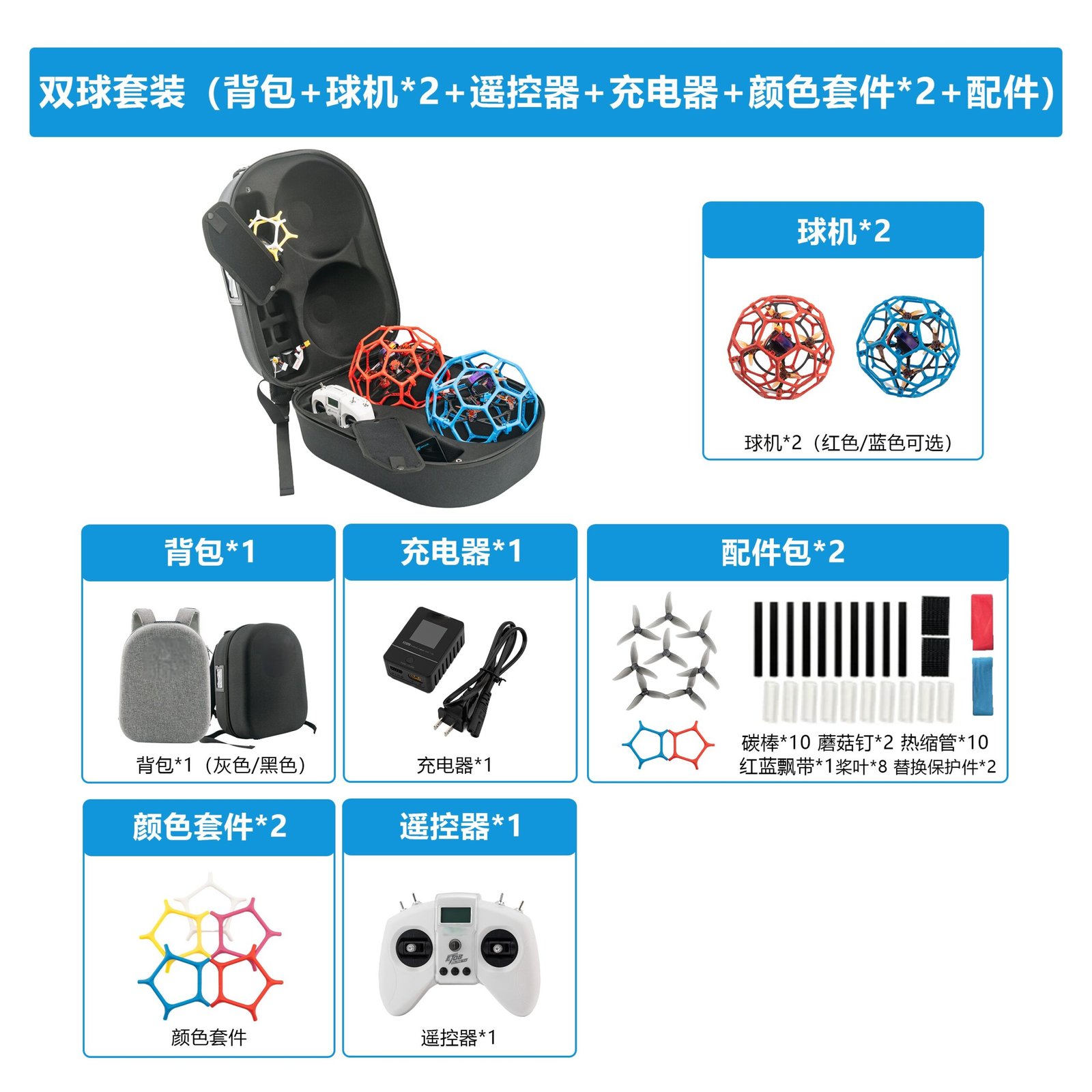
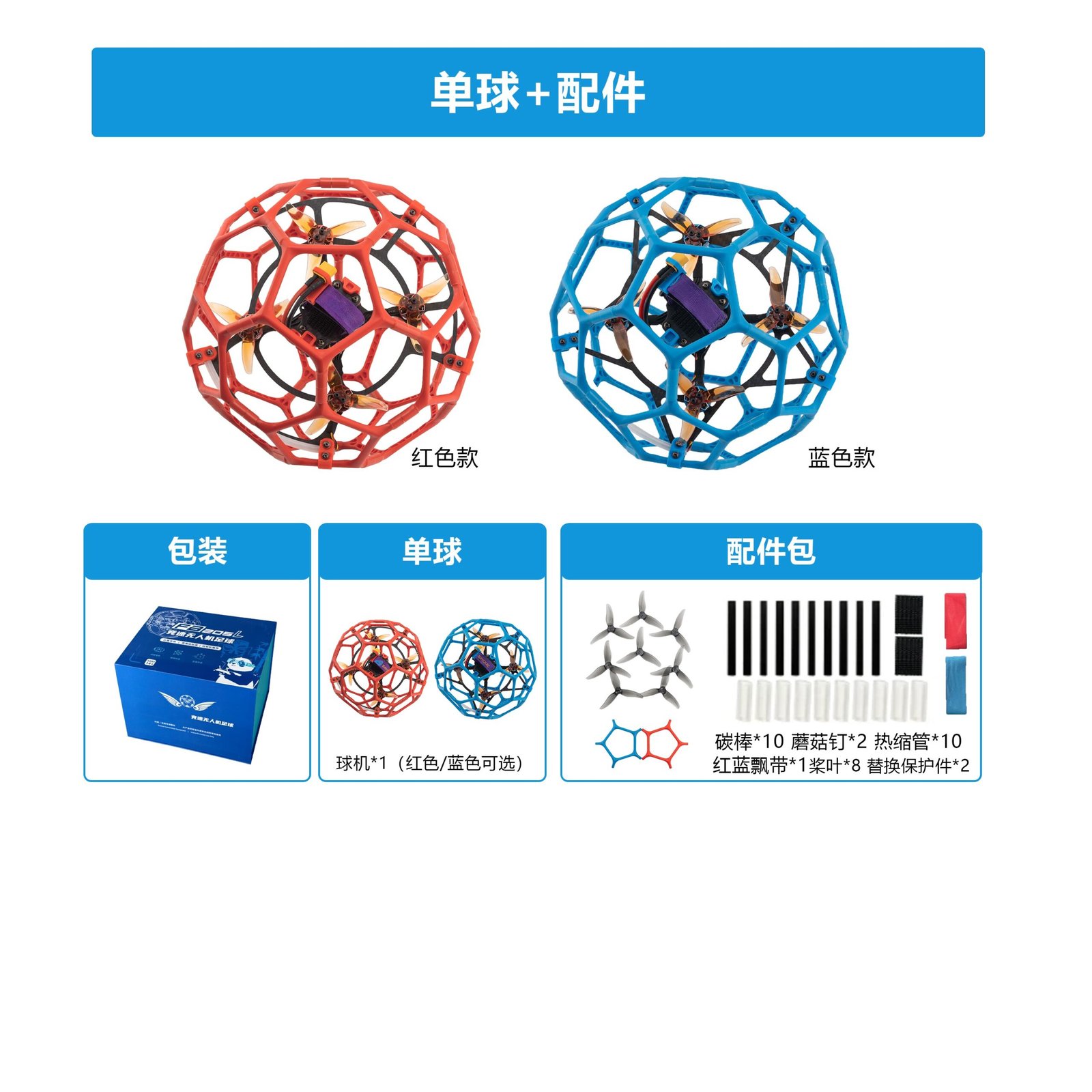
For programs comparing kit options, our overview of drone soccer ball options and accessories can help frame the parts that interact with the battery mounting. See this example of single ball accessories for how protective structures and internal components fit together.
Where do most battery safety failures actually occur in schools?
In practice, operational mistakes around charging, storage and handling cause more problems than factory defects. That makes training and supervision part of safety testing’s real-world outcome.
Common mistakes to avoid
- Charging packs unattended or on flammable surfaces, or charging more packs than the space and supervision allow.
- Mixing chargers, adapters and packs from different suppliers without confirming compatibility.
- Storing packs fully charged for long periods, or storing them where temperature swings are large.
- Using damaged packs after impact without inspection, because the damage is not externally obvious.
- Treating a supplier’s “passed testing” statement as a substitute for a charging protocol and student briefing.
Ask the supplier what storage voltage and charging guidance they recommend, and build it into your program rules. If your team needs help matching a charging and storage routine to the kits you buy, talk to our team about your program.
What about documentation, labelling and compliance?
Documentation is the part of safety testing a school can actually audit. Ask for the manual, label artwork and inspection report before placing a large order, and check they are consistent with each other.
Compliance obligations differ by country and by how the kit is used in an educational setting. Rather than assuming a universal certificate, ask the supplier which regulations they believe apply to your destination and what evidence they can provide. Then verify with your own authorities or a qualified adviser. DPF’s safety and compliance support page explains the kinds of documentation questions suppliers typically field; the applicable requirements for your order must still be confirmed in writing.
Frequently asked questions
Does every battery in a drone kit get individually tested?
Not necessarily. Some checks may be applied to every unit, while others rely on batch sampling. Ask which is which for your order, and how consistency is maintained between batches.
Is a certificate the same as battery safety testing?
No. A certificate usually reflects a conformity assessment for a defined scope, while testing refers to specific checks with methods and criteria. Ask for both, and ask what scope each covers.
What should a school request before its first order?
Request the test list with component scope, a redacted sample inspection report, label and manual samples, shipping documentation details, and written commercial terms including pricing, MOQ and lead time.
How can we check that later orders are consistent?
Agree the acceptance criteria up front, ask for inspection records with each shipment, and periodically compare incoming packs against the agreed specification.
Are drone soccer batteries tested differently from other drone batteries?
Use patterns differ because of impacts and rapid swap cycles, so inspection criteria may emphasise connector integrity and mounting. Confirm with the supplier how their process reflects this.
Who is responsible for safety in a school program?
Responsibility is shared. Suppliers control product and documentation; schools control storage, charging supervision and student training. Written guidance from both sides reduces gaps.
Can DPF confirm specific test standards for our order?
Any specific test list, standard or record format should be requested and confirmed in writing for your exact order. This article intentionally avoids quoting unverified test results or certifications.
Conclusion and next step
Battery safety testing in drone kits is best understood as a documented chain: cell screening, pack assembly checks, charger verification, labelling and shipping documentation, plus the storage and charging habits your program enforces. For schools and youth programs, the practical move is to ask suppliers a short, specific set of questions and keep the answers on file. Compare responses side by side rather than relying on a single reassuring sentence.
To plan kits for a school or drone soccer program and confirm the safety documentation, testing records and commercial terms available for your order, Request a School Program Quote.