Quick summary
A standard drone soccer match is usually played in three periods of three minutes each, with a short break between periods, so the flying time is about nine minutes and the full match-day slot is typically 15–20 minutes including setup and resets. Exact period length, half-time and overtime rules vary by competition and age group, so always confirm the current rulebook for the league or event you are entering.
Key Takeaways
- Expect roughly three 3-minute periods in many drone soccer formats, with the real match-day commitment closer to 15–20 minutes per fixture once setup and resets are included.
- Rules are set by the governing body or event organizer, not by the drone supplier, and can change by age category and competition level.
- Match length is only one variable: team size, drone class, pitch layout and scoring rules all shape how a match feels in practice.
- For schools and clubs, planning should include charging, repair and reset time, not just the official period clock.
- Always request the current rulebook, event schedule and equipment list in writing before buying team kits.
What Is Drone Soccer? A Quick Definition
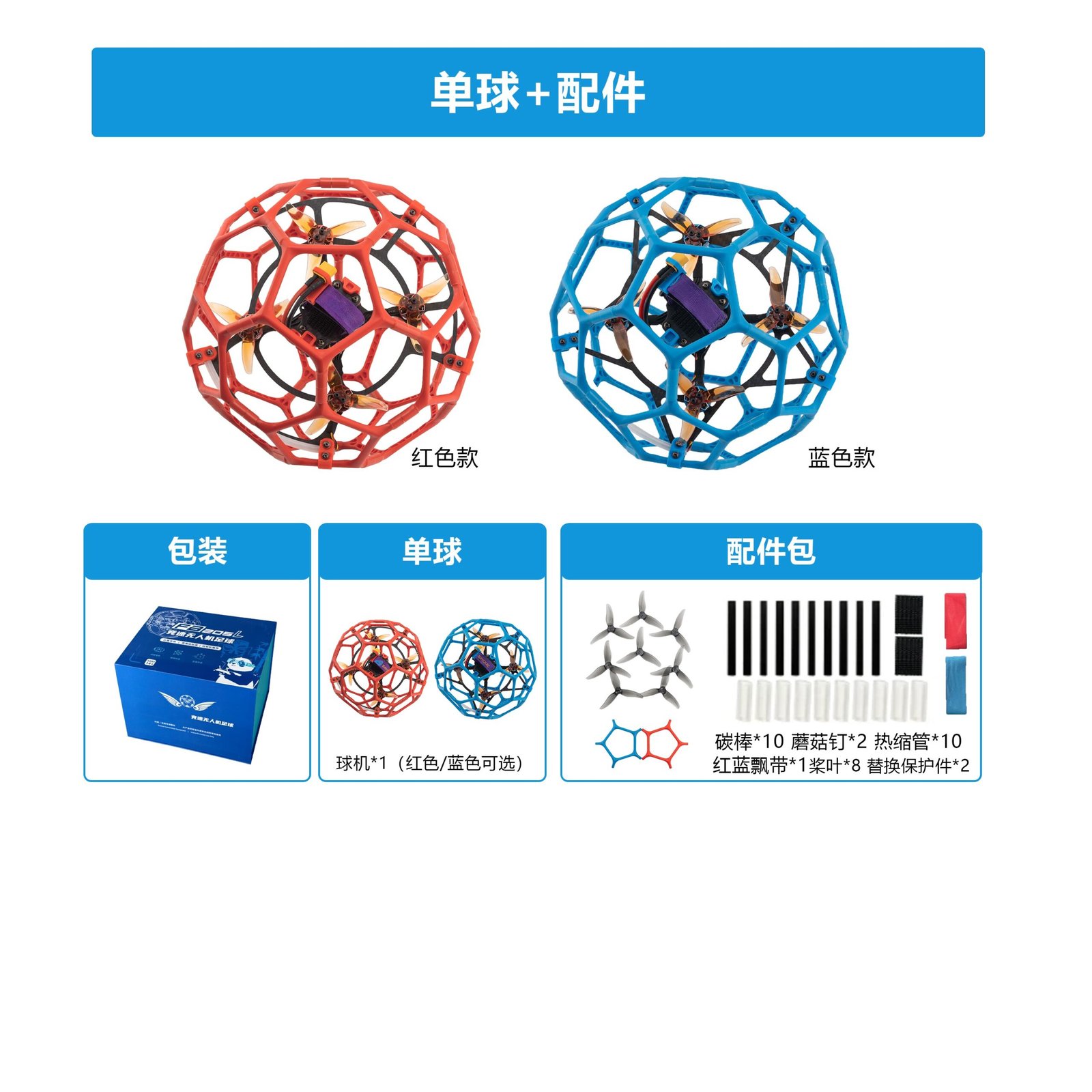
Drone soccer is a team sport in which remote-controlled drones enclosed in protective spherical cages fly inside a netted arena and attempt to score by passing through a goal ring. It is often used as a hands-on entry point for STEM (science, technology, engineering and mathematics) learning, because students build, repair and fly the aircraft rather than only watching.
The sport is commonly organized around standardized drone classes so that teams compete with comparable equipment. Exact class names, cage sizes and motor specifications are defined by the governing body or event organizer, so the class list you see at one event may not match another. If you are new to the format, our overview of drone soccer systems explains the typical components of a team set.
How Long Is a Drone Soccer Match?
In many drone soccer rule sets, a match consists of three periods of three minutes each. That gives about nine minutes of official flying time. Between periods there is a short break, and the referee may stop the clock for equipment issues, safety or scoring resets.
Period structure in practice
Coaches usually plan for more than the official clock. A three-period match with breaks, drone swaps and referee checks often occupies 15–20 minutes of a match-day schedule. Tournament organizers may run fixtures back-to-back on multiple arenas, so the published schedule is the best guide to how long your team will actually be on site.
Why the length can differ between events
Period length, number of periods and overtime rules are set by the competition organizer or governing body. Age categories, skill divisions and event formats can all change the timing. There is no universal global standard that applies to every school league and club tournament, so treat any single figure as a typical example rather than a guarantee.
What about overtime and tie-breaks?
Many competitions include a tie-break or overtime procedure when scores are level. The format might be extra periods, a sudden-death goal or a different scoring rule. Confirm the tie-break procedure before the event, because it changes how long a team should expect to stay on the pitch.
Drone Soccer Rules and Basics Every Team Should Know
The core principle is simple: score by flying your drone through the opponent’s goal ring while defending your own. The details below summarize common elements of drone soccer rules and basics. They are general guidance, not an official rulebook.
Common match rules
- Team structure: teams field multiple drones with designated attacking and defending roles, depending on the format.
- Scoring: points are awarded when a drone passes through the goal ring in the required direction and manner defined by the rulebook.
- Referee authority: referees manage safety, restarts and penalties, and may stop the clock.
- Safety boundaries: drones must remain inside the netted arena, and flying outside the boundary or into restricted areas triggers penalties.
- Equipment classes: the drone class determines cage size, motor specification and permitted modifications.
Equipment basics
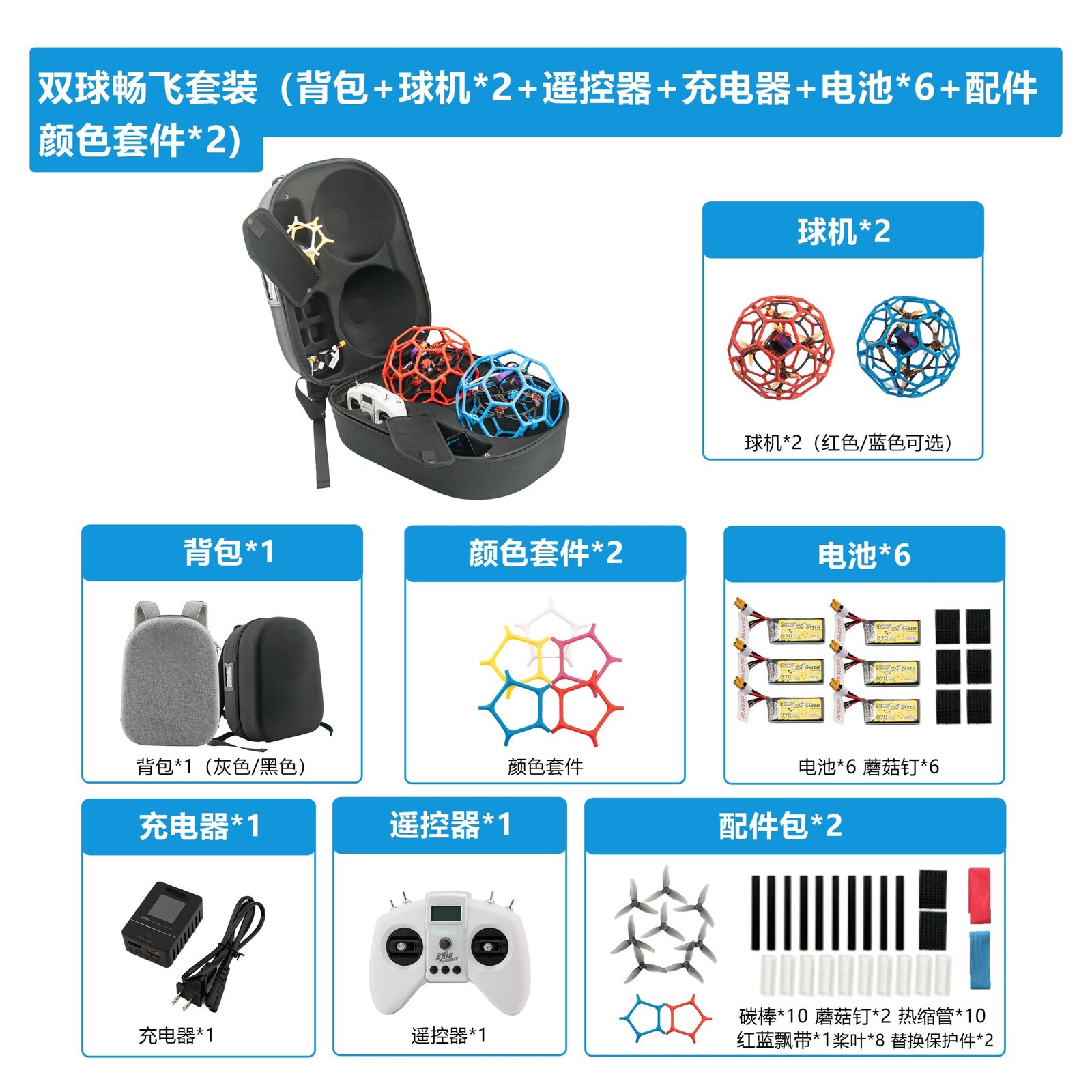
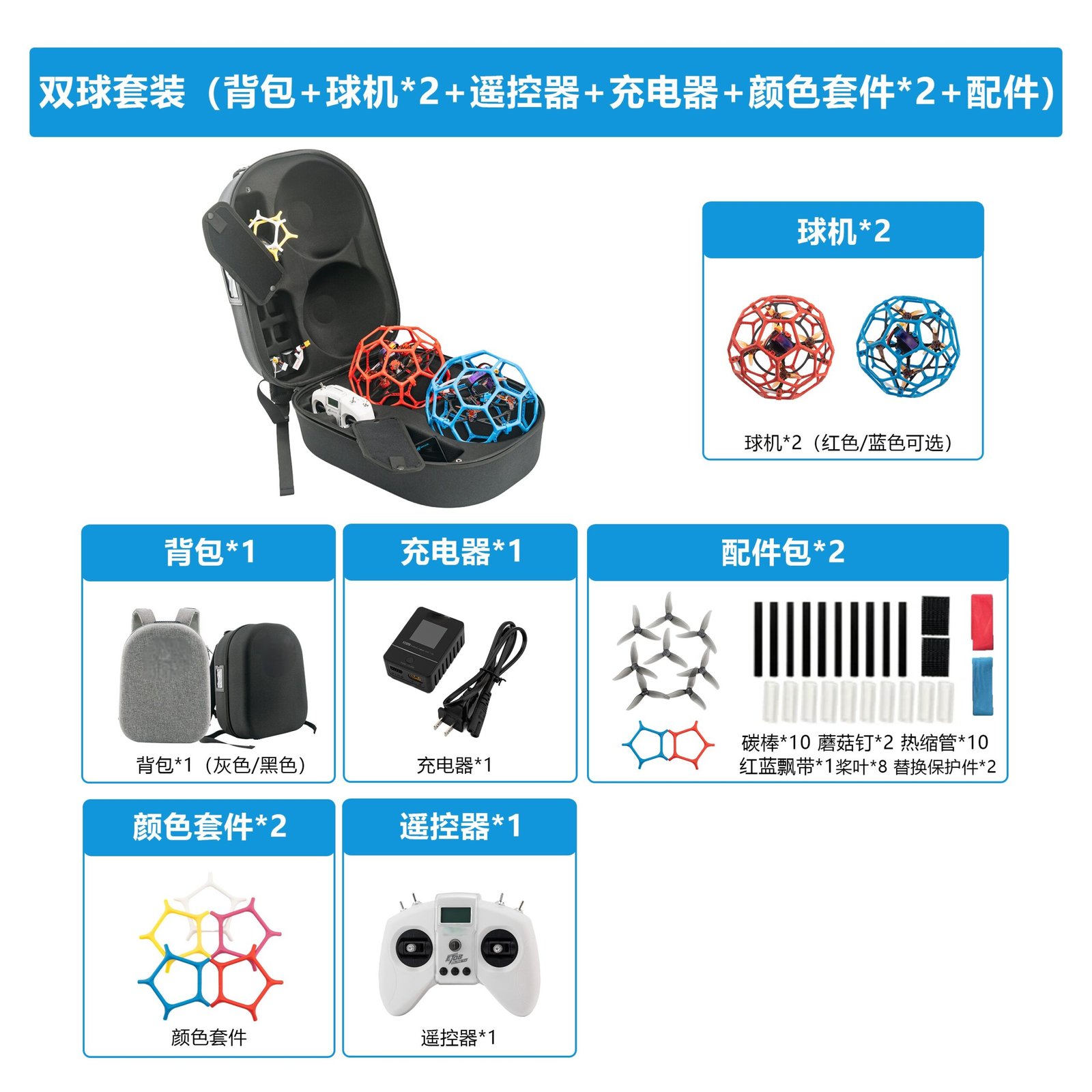
A typical team setup includes drones in protective cages, spare propellers and motors, batteries and chargers, a goal ring and net, and basic tools for field repairs. Our guide to drone soccer clubs covers the operational side of running a team and maintaining equipment.
How long does a match feel like for players?
Three-minute periods are short and intense. Teams often rotate players and drones between periods, which is why a roster and a swap plan matter as much as flight skill. If your team is new, practice short scrimmages with the same period length you expect at your event so the rhythm feels familiar.
Comparing Typical Drone Soccer Match Formats
The table below compares common format patterns as general guidance. Exact values are set by your governing body or event organizer. Always confirm against the current rulebook.
| Format element | Typical example | What to confirm |
|---|---|---|
| Number of periods | Three periods | Whether your league uses two, three or another structure |
| Period length | About three minutes | Exact clock rules and stoppages |
| Break length | Short break between periods | Half-time length and reset procedures |
| Overtime | Tie-break procedure if scores are level | Sudden death vs extra period |
| Match-day slot | Roughly 15–20 minutes per fixture | Published event schedule |
| Drone class | Organizer-defined classes | Permitted specifications and modifications |
Planning Match-Day Time for Schools and Clubs
The official clock is only part of the story. Schools and clubs should budget time for arrival, equipment checks, battery management and repairs. A realistic schedule often includes at least an hour on site before the first match for a team new to competition.
Practical time checklist
- Confirm arrival and registration time with the organizer.
- Plan battery charging and inspection before the first period.
- Allow time for a practice flight in the arena if the organizer permits it.
- Prepare a repair station with spare props, tools and tape.
- Assign a coach or volunteer to manage the clock and substitutions.
What about practice sessions?
Practice is not governed by match timing, but many coaches run scrimmages using the same period length as competition. That helps players adjust to the pace. For school programs, our overview of STEM drone education and training covers how drone soccer fits into a curriculum.
Regulatory Context for School and Club Programs
Match rules and aviation regulations are separate topics. In the United States, the FAA explains that drones flown for educational purposes are regulated either under the Exception for Limited Recreational Operations of Unmanned Aircraft (49 U.S.C. § 44809) or under the Small Unmanned Aircraft Systems Rule (14 CFR Part 107). Qualifying educational organizations may operate under § 44809 under certain conditions. Organizations that do not qualify must operate under Part 107. See the FAA’s educational users page for details: https://www.faa.gov/uas/educational_users.
The FAA also notes that educational institutions can request a FAA-Recognized Identification Area (FRIA), a location where drones can be flown without Remote ID. Rules differ outside the United States, so schools should confirm local requirements with their civil aviation authority before hosting events. Indoor drone soccer may have different considerations than outdoor flying, and organizers should verify this with local authorities.
Common Mistakes When Planning Drone Soccer Matches
- Assuming one universal match length. Period length and overtime rules vary by organizer.
- Ignoring the match-day slot. The official clock is shorter than the full time a team is on site.
- Skipping equipment checks. Battery health and propeller condition affect safety and performance.
- Not confirming the rulebook version. Rules can be updated between seasons.
- Confusing aviation regulation with sport rules. Both matter, but they are managed by different bodies.
- Buying equipment before confirming class specifications. Always check the permitted drone class for your event.
Procurement Checklist for Teams, Schools and Distributors
Before ordering team kits or spare parts, confirm the following in writing with your event organizer and supplier. Items marked as questions should be answered by the organizer or the DPF sales team, not assumed.
- Which drone class and specifications does my league or event require?
- What is the current rulebook version and where is it published?
- What exactly is included in a team kit, and what must be purchased separately?
- What spare parts are recommended for a full season?
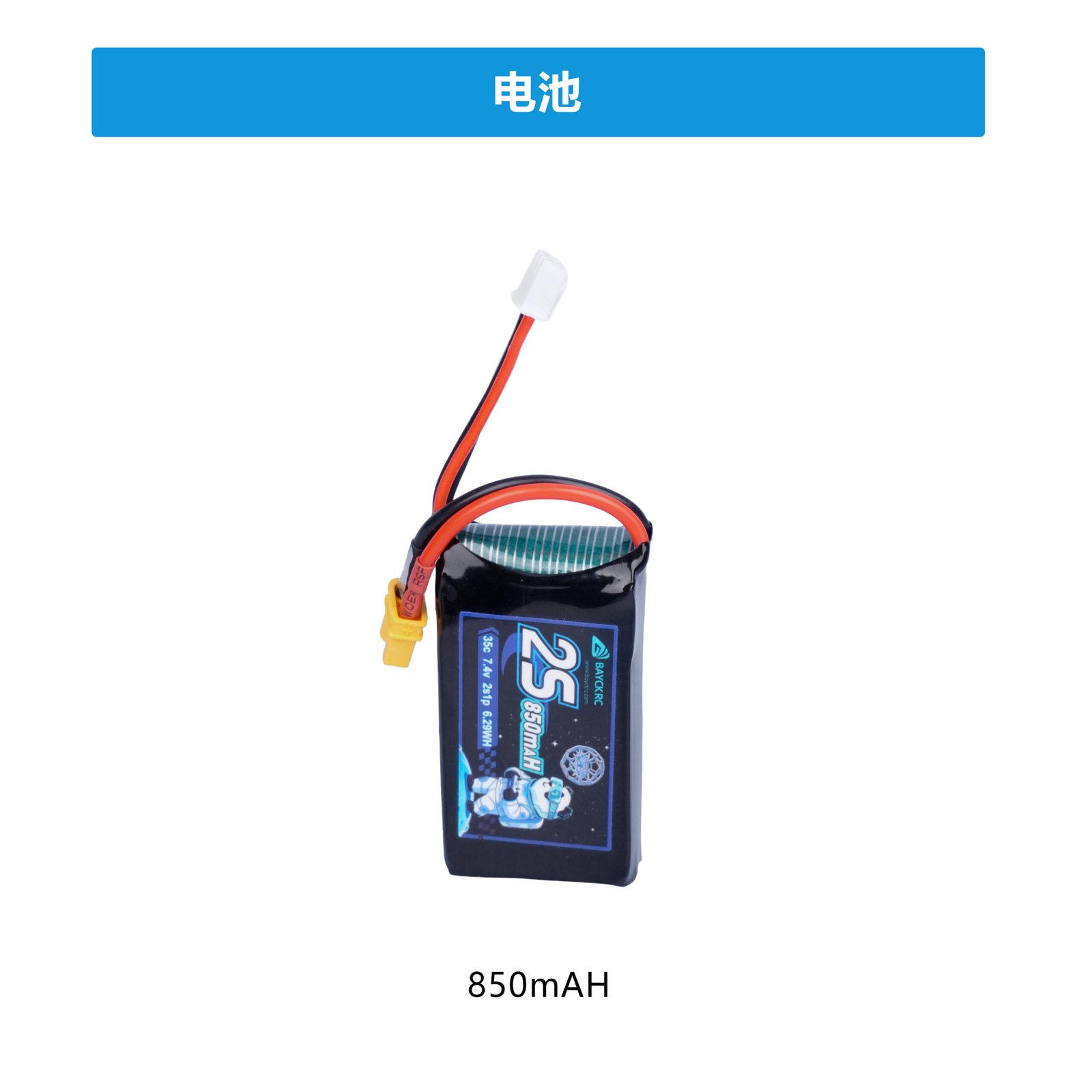
- What battery and charger specifications are compatible with the kit?
- What are the confirmed lead times, MOQs and warranty terms? Request these in writing.
- Does the supplier provide technical documentation, maintenance guides or training support?
- For distributors and OEM/ODM buyers, what customization options are available and how are they quoted?
For procurement teams comparing suppliers, it also helps to ask how the supplier supports schools and training organizations, including documentation and after-sales processes.
Where to Learn More About Drone Soccer Competitions
If you are organizing an event or entering a league, review the event format, field layout and referee requirements before finalizing your equipment list. Our page on drone soccer competitions covers how competitions are typically structured. For clubs deciding on kit quantities, request a written quote and confirm what is included in each kit.
FAQ: Drone Soccer Match Length and Rules
How long is a drone soccer match usually?
Many formats use three periods of about three minutes each, for roughly nine minutes of official flying time. The full match-day slot is often 15–20 minutes. Confirm the exact format with your event organizer.
Is there a half-time in drone soccer?
Many competitions include a short break between periods. Whether there is a formal half-time and how long it lasts depends on the organizer’s rulebook. Ask before the event.
What happens if a drone soccer match is tied?
Tie-break rules vary. Some competitions use overtime periods, others use a sudden-death goal. Confirm the procedure in the rulebook so your team can prepare.
Do drone soccer rules differ for schools and clubs?
Rules are typically set by the league or event organizer, which may run separate divisions for schools, clubs and age groups. The match structure can differ between divisions.
Does the drone supplier decide the match length?
No. Match timing is defined by the governing body or event organizer. Suppliers provide equipment, not sport rules. Ask for the current rulebook from your organizer.
What equipment should a team bring to a match?
Bring your drones, spare propellers and motors, charged batteries, chargers, basic tools and any equipment specified by the organizer. Confirm the permitted class and any restrictions in writing.
Are there regulations for flying drones at school events?
In the United States, the FAA regulates educational drone flights under § 44809 or Part 107 depending on the organization. The FAA educational users page provides details: https://www.faa.gov/uas/educational_users. Confirm local rules outside the US.
Conclusion
A drone soccer match is short on the clock but demanding on preparation. Typical formats use three periods of about three minutes, with a match-day slot of 15–20 minutes. The exact rules, overtime and equipment classes are defined by your event organizer, so confirm them in writing before you buy or travel. For teams and schools, the practical next step is to align your equipment list with the current rulebook.
Ready to equip your team? Request a Team Kit Quote and confirm kit contents, spare parts and commercial terms in writing.