Quick summary
Most drone soccer teams need more balls than they first expect: a common planning baseline is 2–3 balls per active player, or 10–15 balls for a 5-player team, plus spares for damage and charging. The exact number depends on team size, practice frequency, competition rules, and whether the team shares equipment with other groups. Start with enough balls for everyone to fly, then add a spare pool equal to 20–30% of your active fleet so one damaged ball does not stop a session.
Key Takeaways
- A practical starting point is 2–3 balls per active player; a 5-player team typically needs 10–15 balls including spares.
- Spare balls, batteries and propellers matter more than total count because damage and charge cycles interrupt practice.
- Competition rules and league formats set minimum equipment requirements; confirm these in writing with your league before ordering.
- Shared school programs often need more balls per player than single-club teams because multiple classes use the same kit.
- Always request a written quotation that lists ball specifications, spare parts, warranty terms and lead times before you commit.
What counts as “drone soccer equipment”?
For quantity planning, drone soccer equipment usually falls into four groups: the balls themselves, the ground control and safety gear, the batteries and charging infrastructure, and the spare parts that keep balls flying. Each group has a different replacement rate, so you should plan quantities separately rather than treating everything as one kit.
- Balls (the aircraft): the protected spherical drones players fly.
- Control and safety: transmitters, goggles or monitors, goal rings, netting, first-aid and safety cones.
- Power: flight batteries, chargers, power supply units and storage bags.
- Spares: propellers, motors, ESCs, frames, fasteners and ball shells.
If you are new to the format, our overview of drone soccer systems explains the typical components. This article focuses on quantities, not on specific models.
How many balls does a drone soccer team need?
There is no universal number. The honest answer is that the right quantity depends on five variables: team size, practice frequency, competition format, sharing arrangements, and your tolerance for downtime.
A simple quantity formula
Use this as a starting point: balls needed = active players × 2, then add a spare pool of 20–30% of the active fleet. For a 5-player team, that is 10 active balls plus 2–3 spares, for a total of 12–13. For a 10-player squad, that is 20 active plus 4–6 spares, for a total of 24–26. Round up rather than down.
Why 2 per player? Because a single ball per player assumes zero damage, zero charging downtime and zero simultaneous use by reserves. In practice, balls get knocked, batteries need charging, and players rotate. The second ball per player keeps the session moving.
Team-size reference table
| Team size (active players) | Active balls | Suggested spares (20–30%) | Planning total |
|---|---|---|---|
| 3–5 | 6–10 | 2–3 | 8–13 |
| 6–10 | 12–20 | 3–6 | 15–26 |
| 11–15 | 22–30 | 5–9 | 27–39 |
| School program with 2–3 classes | 20–30 | 6–10 | 26–40 |
These are planning ranges, not a guarantee. A single team that trains twice a week with careful handling may sit at the low end; a club sharing balls across several groups will sit at the high end.
Why spare parts change your ball count
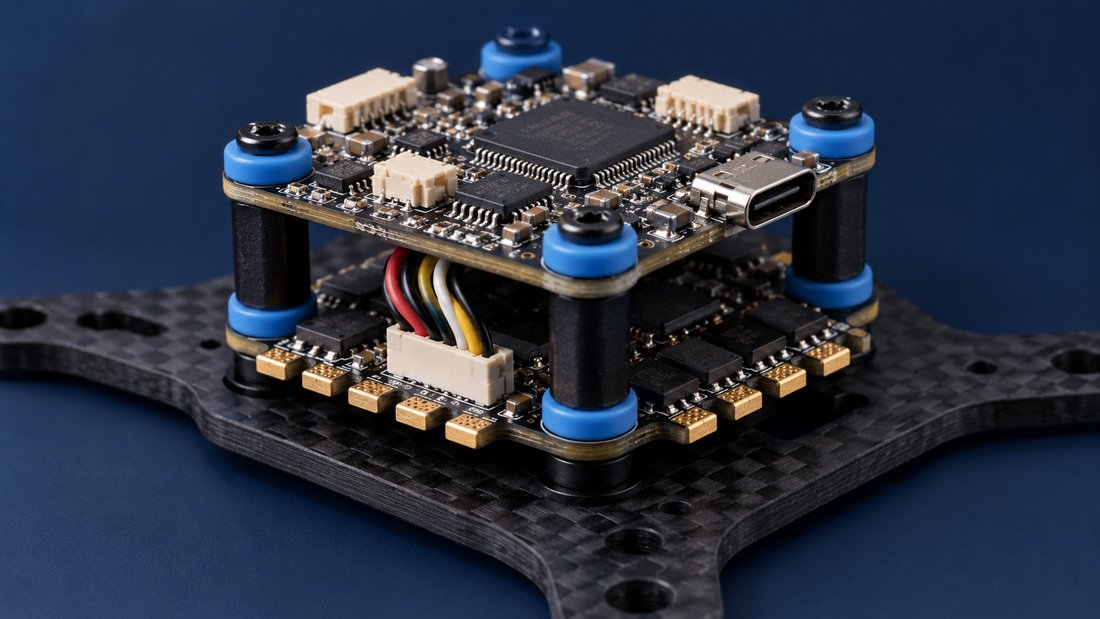
A ball that is grounded for a broken propeller or a damaged shell is effectively out of your fleet. That is why experienced teams budget spares by component, not just by ball count. If you keep two spare propellers and one spare motor per ball, a single failure rarely ends a practice.
Typical spare-parts ratio
A commonly used planning ratio is 1 spare propeller set and 0.25–0.5 spare motors or ESCs per active ball, held in a shared parts bin. For a 10-ball team, that means roughly 10 spare propeller sets and 3–5 spare motors or ESCs. Treat this as a starting point and adjust based on how hard your team flies.
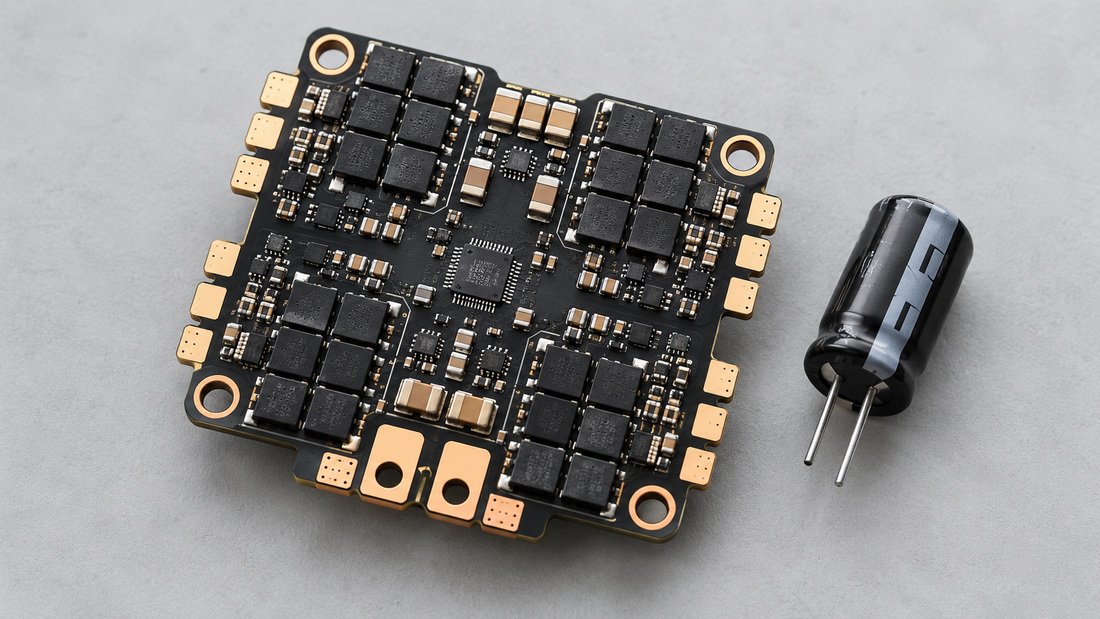
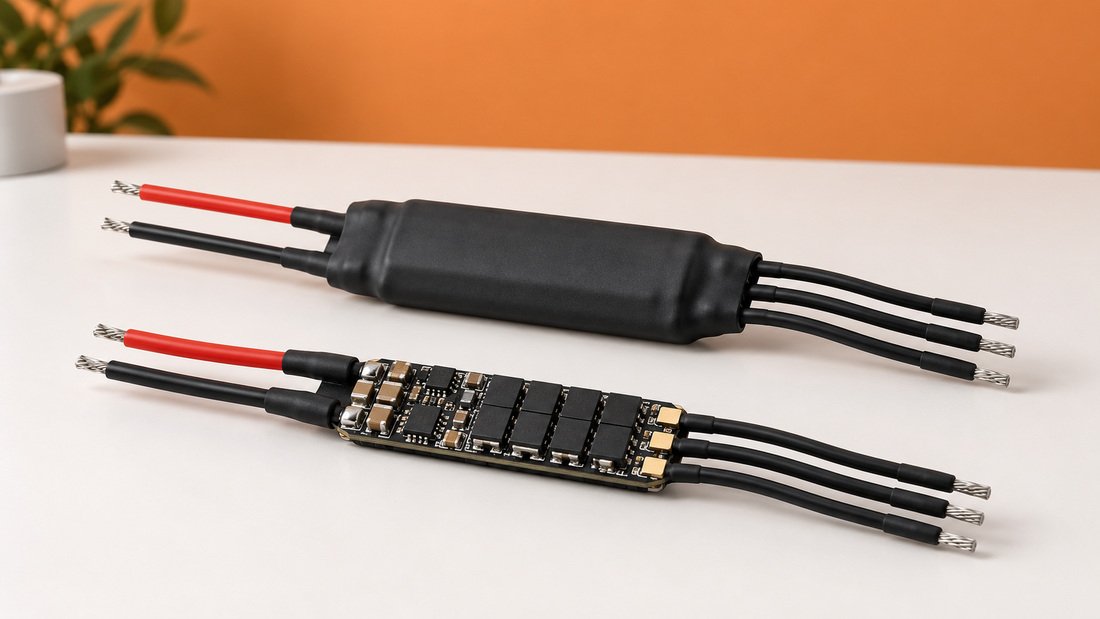
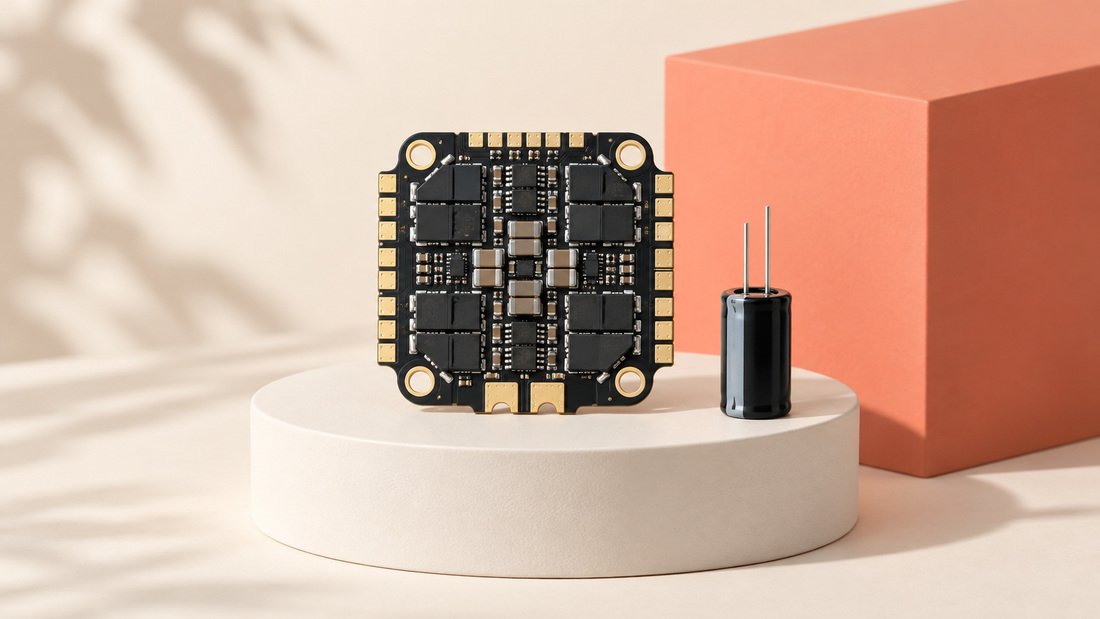
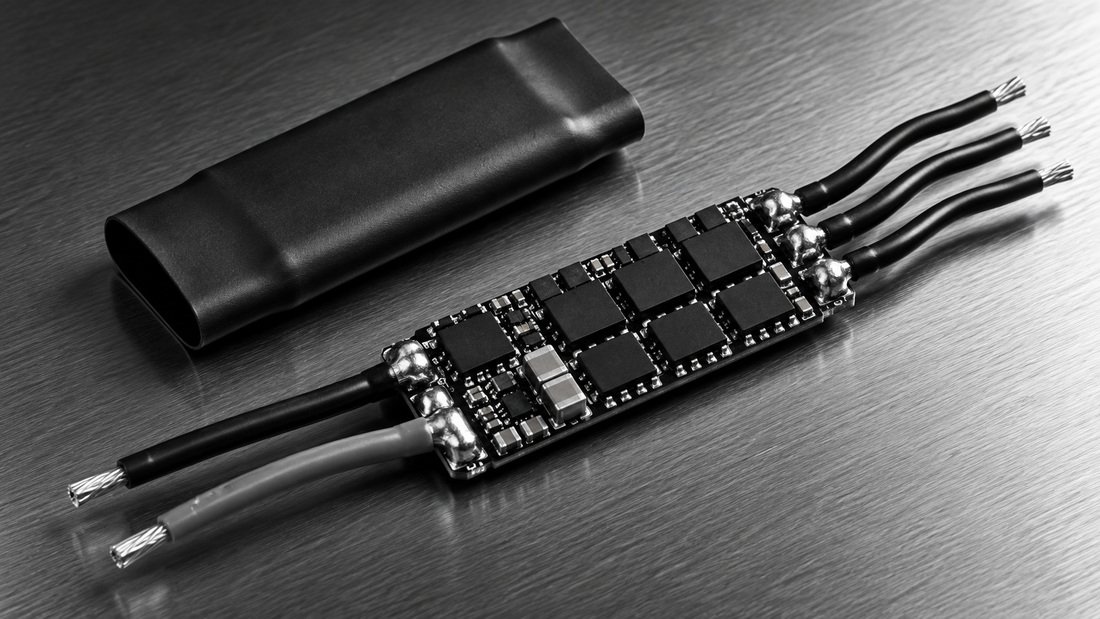
Because drone soccer balls use small brushless motors and electronic speed controllers (ESCs), it helps to understand which parts fail first. Our notes on drone soccer clubs cover how clubs usually organize spares. For component-level detail, see the motor and ESC pages in our catalog when you are ready to specify replacements.
Batteries and charging: the real bottleneck
Many teams own enough balls but not enough charged batteries. A practical rule is 2–3 batteries per active ball, plus enough chargers to charge at least half the fleet at once. If a session is 90 minutes and each battery lasts a few minutes, you will cycle through packs quickly.
- Plan 2–3 batteries per active ball.
- Plan one charger channel per 1–2 balls, or a multi-channel charger sized to your fleet.
- Label batteries and rotate them so wear is even.
- Store and transport batteries in fire-resistant bags, following the manufacturer’s instructions.
Battery chemistry, voltage and connector types vary by product. Confirm the exact specification with your supplier before mixing packs, and never assume that packs from different suppliers are interchangeable.
School programs and shared equipment
Schools, youth programs and training organizations often need more balls per player than a single club because the same kit is used by multiple classes, after-school groups or age brackets. A kit that serves 10 players in one club session may need to serve 30 students across a school week.
If you are equipping a school, start by mapping the weekly timetable: how many classes, how many students per class, and how long each session lasts. Then apply the 2-balls-per-player rule to the largest simultaneous group, and add spares. Our guidance for schools and training organizations covers planning considerations such as storage, supervision and safety.
Regulatory and safety context for educational programs
In the United States, educational drone operations are regulated under either the Exception for Limited Recreational Operations of Unmanned Aircraft (49 U.S.C. § 44809) or the Small Unmanned Aircraft Systems Rule (14 CFR Part 107), depending on the organization and the purpose of flight. The FAA notes that qualifying educational organizations include institutions of higher education, Junior Reserve Officers’ Training Corps (JROTC) programs, and educational programs chartered by an FAA-recognized Community Based Organization; organizations that do not qualify must operate under Part 107. See the FAA’s educational users page for details.
Educational institutions may also be eligible to request a FAA-Recognized Identification Area (FRIA), a location where drones can be flown without Remote ID. Safety equipment planning should reflect your local rules, venue and supervision requirements. Confirm your obligations with your national aviation authority or legal adviser; this article is general guidance, not legal advice, and rules differ by country.
Common mistakes when sizing a drone soccer kit
- Buying balls only. Without spare propellers, motors and ESCs, one failure can end a session.
- Underestimating batteries. A fleet without enough charged packs spends more time waiting than flying.
- Ignoring competition rules. Leagues may set ball specifications or minimum equipment; confirm before ordering.
- Assuming one kit fits all. A club kit and a school kit have different sharing patterns and duty cycles.
- Mixing incompatible parts. Connectors, voltages and mounting patterns differ; verify compatibility in writing.
- Forgetting storage and transport. Cases, labels and battery bags protect your investment and simplify logistics.
If you want to see how these equipment decisions fit into a full program, our overview of drone soccer competitions and STEM drone education and training shows the wider context.
Procurement checklist for teams, clubs and schools
Use this checklist when you request quotes. Ask suppliers to confirm each item in writing, because commercial terms vary by product, region and order size.
- Number of active players and largest simultaneous group.
- Target ball quantity, including spares (active × 2, plus 20–30%).
- Battery quantity (2–3 per active ball) and charger capacity.
- Spare-parts list: propellers, motors, ESCs, shells, fasteners.
- Compatibility confirmation for connectors, voltage and mounting.
- Safety and storage items: cases, battery bags, goal rings, netting.
- Written confirmation of specifications, warranty terms, lead times, MOQs and shipping terms.
- Training or documentation available for coaches and teachers.
Frequently asked questions
How many drone soccer balls does a team need?
A practical baseline is 2–3 balls per active player, or 10–15 balls for a 5-player team including spares. Adjust upward for shared school programs or frequent competition use.
How many batteries should we buy per ball?
Plan 2–3 batteries per active ball, plus enough chargers to charge at least half the fleet at once. Battery life and session length determine whether you need the higher end of that range.
Do we need spare parts beyond the balls?
Yes. Propellers, motors, ESCs and ball shells are the parts most likely to need replacement. A shared spare-parts bin keeps practice running when a single component fails.
Are drone soccer rules the same everywhere?
No. League formats and equipment rules vary by country and organization, and aviation regulations for educational drone use differ by jurisdiction. Confirm both competition rules and local flight rules before ordering.
Can schools use the same kit as clubs?
Often yes, but schools usually need more balls per player because multiple classes share the kit. Map your weekly timetable before deciding quantities.
What should we confirm in writing before buying?
Ask for written confirmation of ball specifications, component compatibility, spare-parts availability, warranty terms, lead times, minimum order quantities and shipping terms. Do not rely on verbal assurances.
How do we start a procurement conversation with Drone Parts Factory?
Share your team size, practice schedule, competition format and spare-parts needs. We can help you translate those into a kit list and quote.
Conclusion
Sizing drone soccer equipment is less about a single number and more about matching quantities to how your team actually trains and competes. Start with 2–3 balls per active player, add a 20–30% spare pool, and budget batteries and spare parts alongside the balls. For schools and shared programs, plan around your busiest week rather than your average session.
When you are ready, send us your team size, schedule and competition requirements. Request a Team Kit Quote and we will help you turn those numbers into a practical equipment list.