Quick summary
When schools make bulk procurement by schools and governments, they rarely buy on price alone. They score potential vendors on product durability, spare parts availability, MOQ flexibility, certification clarity, sample testing, lead times, and aftersales support. A single weak area — slow replacement parts or unclear compliance — can delay a whole season. This guide walks through the exact criteria education buyers, coaches, and program managers use to shortlist drone soccer suppliers, and what a smart evaluation framework looks like before you commit to a bulk order.
Key Takeaways
- Schools evaluate suppliers on total cost of ownership, not unit price — spare parts and replacements matter more than a low first quote.
- MOQ, sample lead times, and OEM/ODM flexibility are scored before any contract is signed.
- Certification requirements depend on the product configuration and the destination market, so buyers must verify rather than assume.
- Firmware, ball compatibility, and replacement-part consistency decide whether a program runs for one semester or five years.
- Sample orders and pilot programs de-risk bulk procurement by schools and governments before the full purchase order.
Why Drone Soccer Procurement Is Different From Standard STEM Purchasing
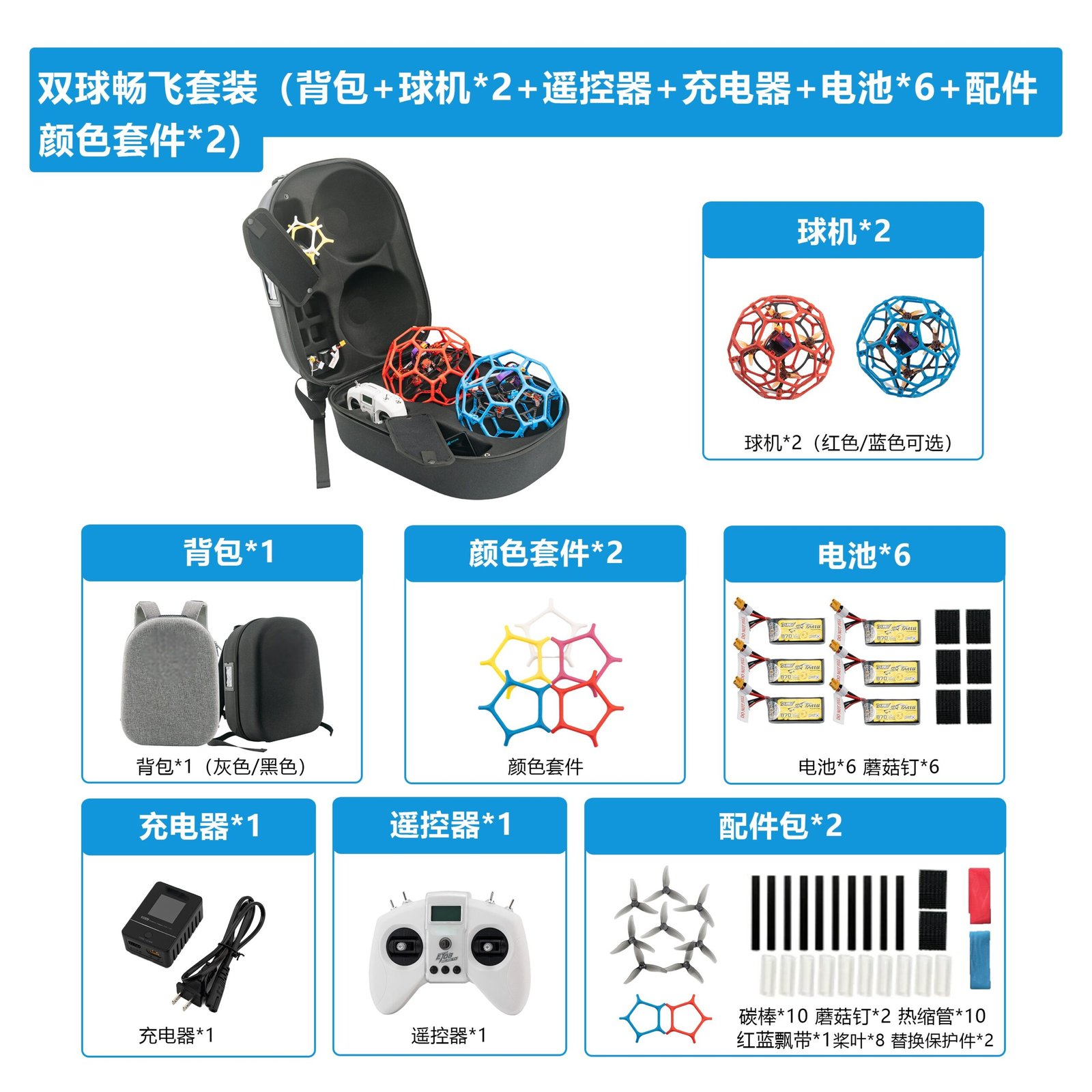
Drone soccer is a contact sport played with protected balls and FPV drones. Equipment wears fast: motors, propellers, ESCs, and the ball shell all take repeated impacts. That means a school program is really a consumables program, and the supplier must be able to resupply components for years — not just deliver one flashy kit.
Procurement teams also answer to public budgets, so they need documentation: quotes, invoices, warranty terms, and compliance statements that survive an audit. A consumer retailer that sells to hobbyists may not be set up for that. A supplier used to working with schools and government buyers usually is.
Finally, schools rarely buy one unit. They buy class sets, tournament sets, or district-wide rollout packs. That immediately pushes the conversation into MOQ, production scheduling, and shipping — the territory of an industrial supplier, not a hobby shop.
For that reason, smart buyers look for a partner with both product depth and a documented OEM program. DPF’s OEM/ODM service overview is a useful reference for what that documentation typically includes.
The 7 Core Evaluation Criteria Schools Use
Most education buyers converge on the same seven areas. Each one is scored, weighted, and compared across at least two or three vendors.
1. Product Durability and Component Quality
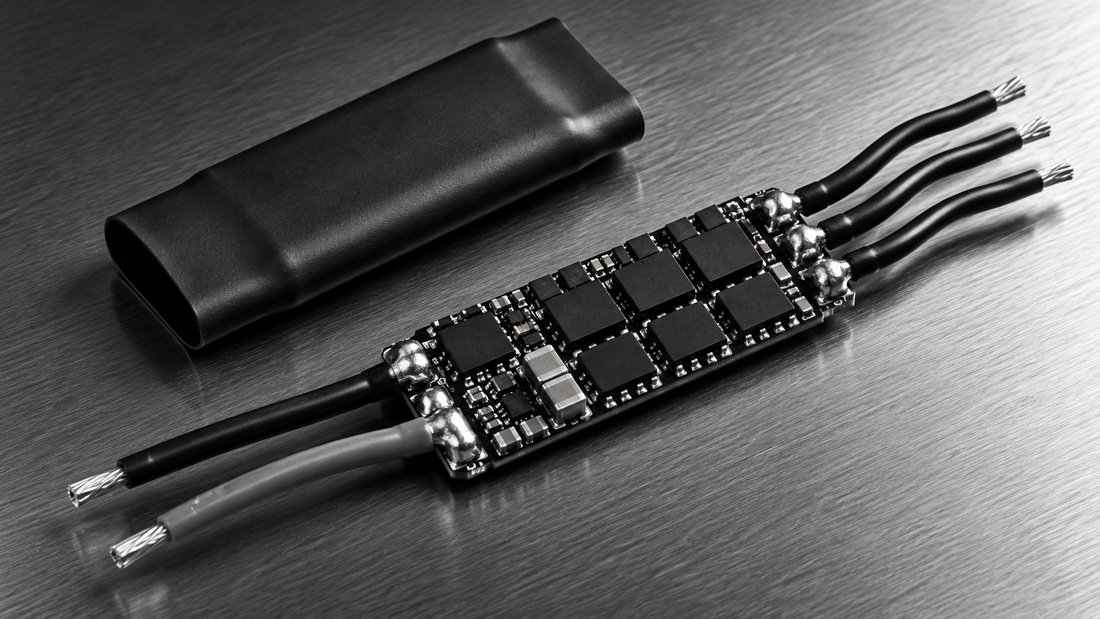
Drone soccer balls and drones get abused. Buyers want to know the shell material, the motor and ESC ratings, the propeller protection design, and how the ball holds up after repeated high-speed contact. A supplier should be able to describe component-level construction, not just marketing names.
Ask for the bill of materials at a category level: frame, motor, ESC, flight controller, propeller guards, battery connector, and ball shell. If a vendor cannot explain which parts are field-replaceable, plan for higher downtime and higher long-run cost.
2. Spare Parts Availability and Consistency
A drone soccer program lives or dies on spares. A class of 20 students may break multiple propellers per session. The supplier must stock and consistently produce the exact replacement parts for the model you bought.
Suppliers who change component suppliers between batches create inconsistent fleets, which makes repairs and coaching harder. Buyers should ask: will the spare part you send in 18 months be mechanically and electrically identical to the original? This is where a manufacturer with its own production line has an advantage over a reseller.
3. MOQ, Pricing, and Total Cost of Ownership
Minimum order quantity (MOQ) is often the first hard constraint a school hits. Some suppliers quote a low unit price but require a very high MOQ that only makes sense for large districts. Others flex MOQ for pilot programs.
Pricing also depends on configuration: ball type, radio protocol, battery choice, charger count, and packaging. A useful comparison table is below.
| Cost Factor | Why It Matters to Schools | Question to Ask |
|---|---|---|
| Unit price | Budget line item, but not the whole picture | Does it include batteries and chargers? |
| MOQ | Determines whether a pilot is possible | Can we start with a sample or small batch? |
| Spare parts cost | Drives 3–5 year running cost | What is the price per replacement propeller or ESC? |
| Shipping | Lithium batteries add cost and rules | How are batteries declared and shipped? |
| Duties and taxes | Varies by country and HS code | What HS code is used on the invoice? |
| Training and setup | Affects adoption speed | Is onboarding documentation included? |
A low sticker price with expensive spares is often the more expensive program over five years. Buyers should model total cost of ownership, not just procurement cost.
4. OEM/ODM and Private Label Flexibility
Schools and districts increasingly want branding: school logo on the ball, custom team colors, or a district program name on packaging. This is where private label drone parts and packaging customization become part of the evaluation.
Ask whether customization affects MOQ and lead time. Logo printing on the ball shell, custom box inserts, and manual translation all add setup steps. A supplier that can show a clear customization workflow is easier to plan around than one that improvises.
5. Sample Testing and Validation Process
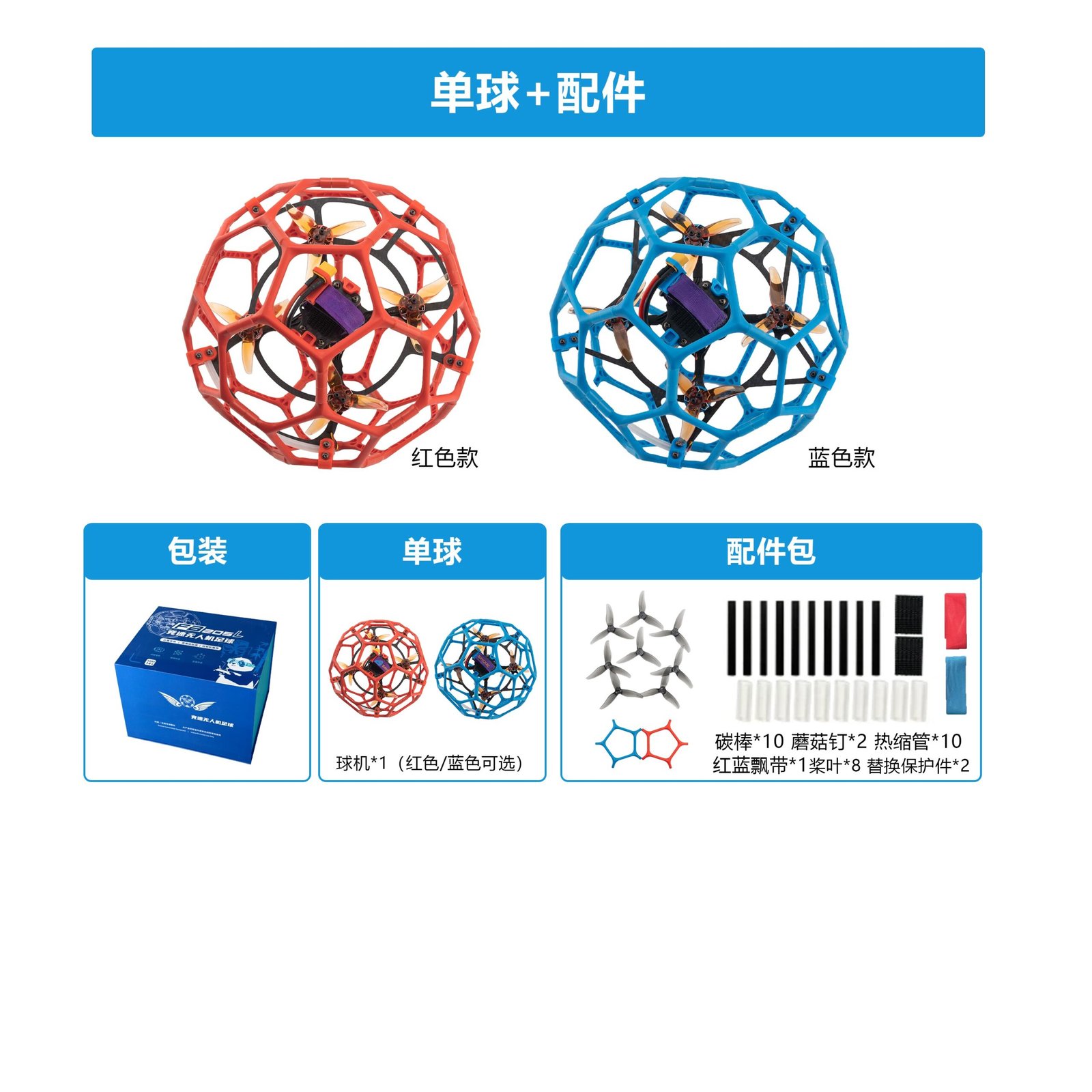
No serious school buyer approves bulk procurement by schools and governments without a sample. A pilot batch lets coaches test durability, students test usability, and IT staff test charging and storage requirements.
Good suppliers support this with a short sample lead time and clear sample pricing that can often be credited against a later bulk order. Ideally the sample should be produced on the same line and from the same components as the bulk run, so the test is meaningful. DPF’s bulk production page outlines how sample-to-mass-production continuity is typically handled.
6. Certification, Radio Compliance, and Child Safety
This is the area with the most risk. Radio equipment must comply with the regulations of the destination country. In the United States, the FCC regulates radio frequency devices; in the European Union, CE marking and the Radio Equipment Directive apply. Toy-like products intended for children may also fall under safety standards such as EN 71 or ASTM F963, depending on how the product is classified and marketed.
Buyers should not assume every supplier’s product carries every certification. Certification requirements typically depend on the exact product configuration, the radio band used, and the target market. Schools should request the specific test reports and declarations relevant to their country and verify with local authorities or a compliance consultant. Per FCC guidelines, unlicensed radio devices must still meet technical requirements, and importers often carry responsibility for compliance.
Do not accept a generic statement like “CE and FCC approved.” Ask for the certificate number, the issuing lab, the tested model, and the date. If a supplier cannot provide documentation for the exact model you are buying, treat that as a red flag.
7. Lead Time, Production Planning, and Aftersales
School calendars are unforgiving. Programs start in September or January, and equipment must arrive with time for training. Buyers should ask for a production schedule with milestones, not just a single lead-time number.
Plan for battery shipping too. Lithium batteries fall under dangerous goods rules (IATA/ICAO for air, IMDG for sea), and this can add days and cost. Ask how batteries are declared, packed, and labeled.
Aftersales is equally important: warranty length, what is covered, how replacement parts are shipped, and whether technical support speaks the buyer’s language. A one-year warranty with slow parts shipping can strand a program mid-season.
Firmware, Compatibility, and the Hidden Software Question
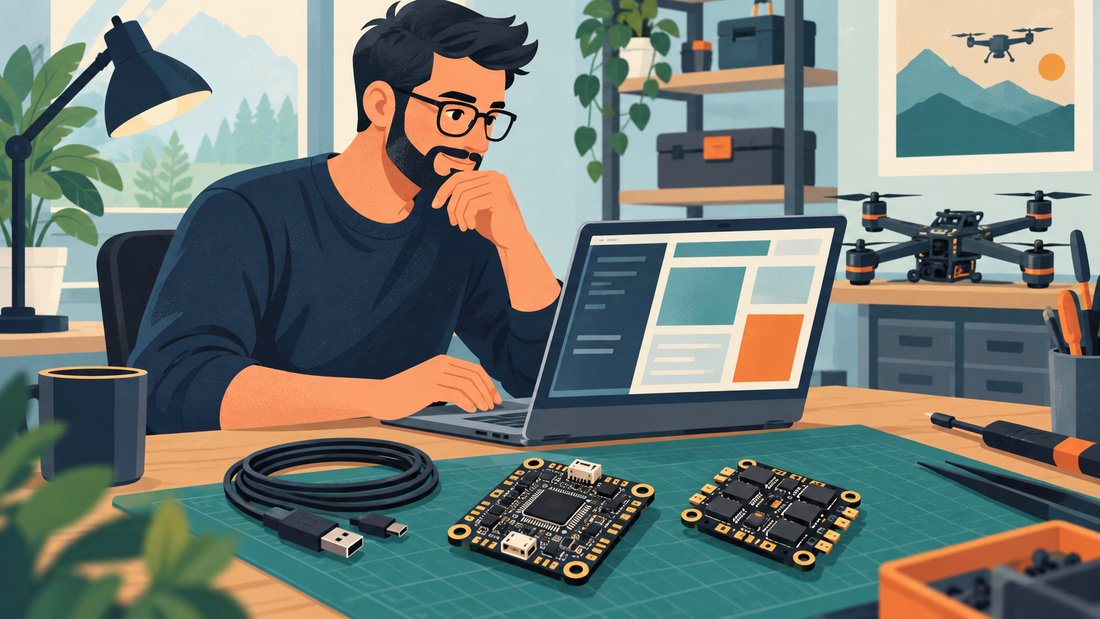
Radio protocol compatibility quietly decides whether a fleet is manageable. If a school buys drones using one protocol and later adds a second protocol, coaches may need two different transmitters and two sets of spares. Buyers should standardize on one ecosystem and confirm the supplier can support it consistently.
Firmware is a related issue. Ask whether firmware is locked, whether updates are provided, and whether a firmware change could break compatibility with existing balls or transmitters. Schools rarely have in-house RF engineers, so a supplier that offers clear documentation and stable firmware is worth more than one that ships frequent unannounced changes.
If a program plans to scale, confirm the supplier can support larger deployments without changing the core electronics. Standardization protects the school’s investment.
Common Mistakes Schools Make When Evaluating Suppliers
- Buying on unit price alone. This ignores spares, shipping, and downtime — the real budget drivers.
- Accepting vague certification claims. “CE/FCC approved” without a certificate number is not evidence.
- Skipping the sample. A pilot batch catches durability and usability problems before a district-wide order.
- Ignoring battery logistics. Lithium shipping rules can delay delivery and add unexpected cost.
- Not asking about batch consistency. A supplier that changes components between runs creates an unmaintainable fleet.
- Overlooking packaging and branding needs. Customization affects MOQ and lead time, so raise it early.
- Assuming aftersales will be easy. Confirm warranty terms and replacement-part shipping before signing.
Buyer Red Flags to Watch For
Certain signals should slow a procurement down. A supplier that cannot name the factory producing the goods, refuses to share test reports, quotes unusually long or vague lead times, or pressures a decision with artificial urgency is risky. So is a supplier that cannot describe its quality control process at all.
Quality control matters most for contact sports equipment. Ask how motors are tested, how PCBs are inspected, and how finished balls are checked before packing. If the answer is only “we check visually,” expect variability across a large order.
Finally, watch for inconsistency between the sample and the bulk shipment. If the sample feels solid but the bulk run uses thinner shells or different connectors, the supplier changed the specification. Buyers should define the approved sample as the reference standard in the purchase contract.
A Practical Buyer Checklist for School Drone Soccer Procurement
Use this checklist before releasing a purchase order. It is designed to fit public procurement documentation and internal approval processes.
- Confirm the exact product configuration, including ball type, radio protocol, battery, and charger count.
- Request a sample and record which components were used in it.
- Ask for the bill of materials at category level and confirm which parts are field-replaceable.
- Collect MOQ, unit price, spare part prices, and shipping estimates in one comparison sheet.
- Request the specific compliance documents for your destination market and verify them.
- Confirm lead time with a milestone schedule, including battery shipping handling.
- Review warranty terms, aftersales process, and spare parts ordering path.
- Define packaging, labeling, and any logo customization requirements in writing.
- Set the approved sample as the quality reference in the contract.
- Plan a small pilot deployment before district-wide rollout.
Because customization and branding often sit at the end of the process, it helps to review logo and packaging customization and how to place an order early, so MOQ and timeline are understood before budget approval.
Frequently Asked Questions
What MOQ should a school expect for drone soccer equipment?
MOQ varies widely by supplier and configuration. Some suppliers support pilot-sized orders, while others require larger minimums for custom branding. Buyers should ask directly and clarify whether MOQ changes when logo printing or custom packaging is added.
Do drone soccer products need FCC or CE certification?
Radio-emitting devices generally require authorization in the destination market, such as FCC rules in the US or CE marking under the Radio Equipment Directive in the EU. Whether a specific product needs a particular certification depends on its configuration and radio band. Buyers should verify with local authorities or a compliance specialist.
How long should a sample order take?
Sample lead time depends on whether the configuration is standard or customized. Standard samples are usually faster than custom-branded samples. Schools should request a written sample timeline and treat it as an early indicator of the supplier’s production planning discipline.
Are lithium batteries included, and how are they shipped?
Battery inclusion depends on the supplier and order terms. Lithium batteries are regulated dangerous goods for air and sea transport, which can affect cost and lead time. Buyers should confirm how batteries are declared, packed, and labeled before ordering.
Can a school add its logo to the balls and packaging?
Many suppliers offer logo printing and custom packaging, though customization typically affects MOQ and lead time. Schools should ask for artwork requirements, a proof, and a confirmation that the customized version will match the approved sample quality.
What should a warranty cover for drone soccer equipment?
Warranty terms vary. A useful warranty covers manufacturing defects and clarifies what is excluded, such as crash damage. Buyers should also confirm how replacement parts are ordered and shipped, because fast spares access matters more than the warranty length itself.
How do schools compare suppliers fairly?
Use a weighted scorecard covering product durability, spare parts, MOQ and pricing, OEM flexibility, sample process, certification documentation, lead time, and aftersales. Score at least two or three suppliers against the same criteria to make the decision defensible in a public procurement context.
Conclusion
Schools and government buyers evaluating drone soccer suppliers are not shopping for a toy — they are building a multi-year program. The strongest suppliers are the ones that can document component quality, guarantee spare parts consistency, support samples and pilots, provide market-specific compliance documentation, and stand behind the product after delivery. Price matters, but total cost of ownership, batch consistency, and aftersales support matter more.
If you are preparing a bulk procurement by schools and governments and want a partner used to education and institutional buyers, start with a conversation about your program size, timeline, and customization needs.
Scan the QR code to contact Emily on WeChat. Contact our team via Contact Us, Get a Quote, Request Samples, or Discuss Your OEM Project.