Quick summary
Documenting a defect means capturing a clear, verifiable record of what failed, when, and under what conditions, then submitting it through the seller’s warranty or RMA process. For schools and drone soccer programs, the strongest documentation combines dated photos or video, the original order and serial numbers, a short written failure description, and a completed return authorization form. This protects your claim and speeds up replacement. Keep the failed part until the case is closed.
Key Takeaways
- Document at the bench, not from memory. Record the defect the same day it appears, while the aircraft and transmitter settings are still available.
- Match the claim to the right route. A warranty claim addresses a covered manufacturing defect; an RMA (Return Merchandise Authorization) is usually the process used to return and replace it.
- Evidence quality decides the case. Dated photos, short unedited video and exact serial numbers resolve most disputes faster than long written explanations.
- Know what is generally excluded. The US FTC’s guide to the Magnuson-Moss Warranty Act notes that implied warranties do not cover abuse, misuse, ordinary wear, failure to follow directions or improper maintenance. Use this as a planning reference, not a universal rule — terms vary by contract and country. FTC: Businessperson’s Guide to Federal Warranty Law
- Confirm all commercial terms in writing. Warranty length, coverage, shipping responsibility, MOQ and lead time should come from your signed agreement or quote, not from assumptions.
Why defect documentation matters for schools and drone soccer programs
Drone soccer is a contact-heavy, high-cycle sport. Airframes, propellers, receivers and antennas take repeated impacts. When a part fails in a way that looks like a defect rather than crash damage, your program needs a record that separates the two.
Good documentation does three things: it supports your warranty, RMA and after-sales case, it gives your supplier reproducible information to investigate, and it builds a paper trail your purchasing office can audit at year end.
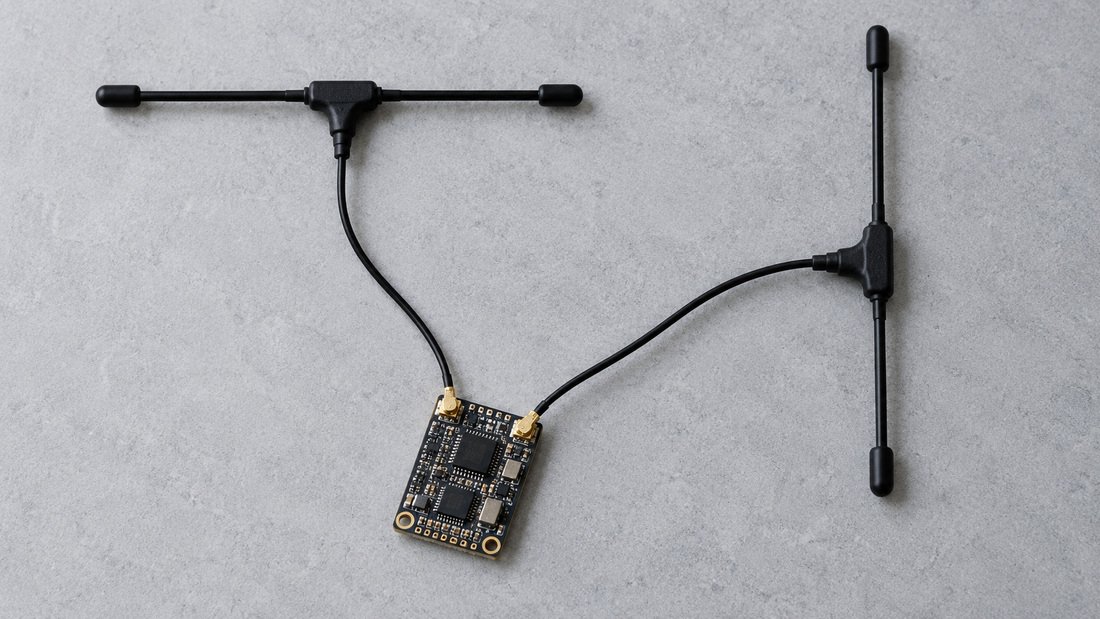
Warranty claim vs RMA: what is the difference?
A warranty claim is your assertion that a product failed within the covered terms. An RMA is the authorization and tracking process used to return, inspect and replace or credit that product. In practice you need both: the claim states the problem, and the RMA moves the hardware.
What to prepare before you submit anything
For school procurement and IT teams, assembling the file before contacting the supplier reduces email back-and-forth and shortens the replacement cycle for time-sensitive competition seasons.
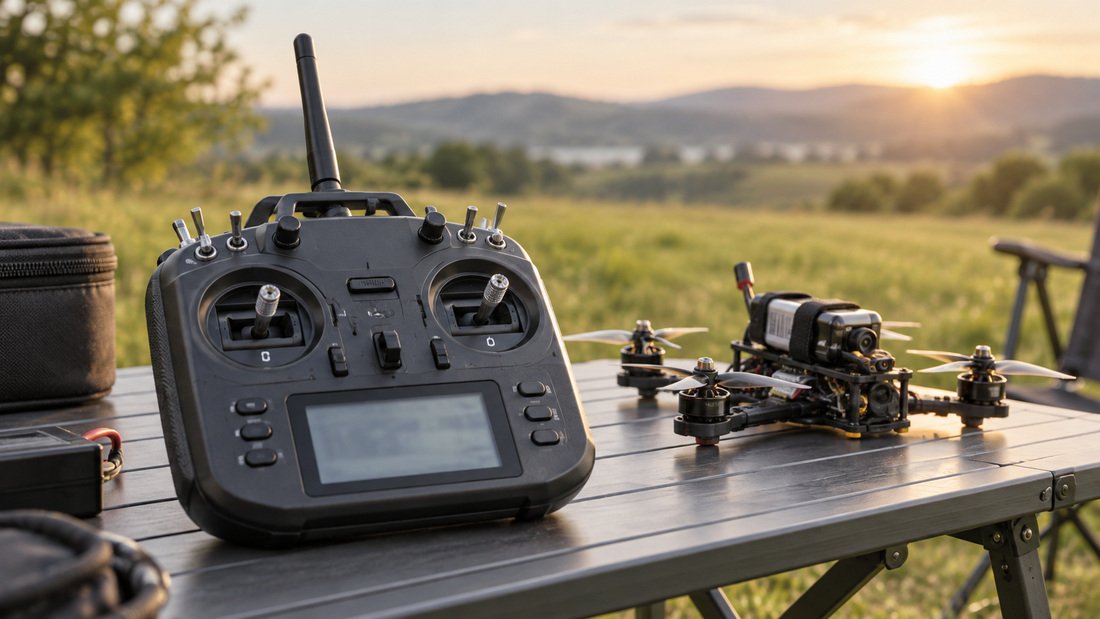
Your core evidence file
- Order record: order number, invoice date, purchase order reference and the exact SKU or product description.
- Identity of the unit: serial number, batch or lot code, and any label photo.
- Dated photos: overall unit, close-up of the damaged or failed area, and the label showing the identifier.
- Short video: 15–45 seconds showing the failure in normal use, ideally including the power-up or binding sequence.
- Written failure description: one or two sentences on what happens, when it started, and what you already ruled out.
- Usage context: approximate flight or session count, voltage used, firmware version if applicable, and whether the part was involved in a crash.
Separate defect from damage
Be honest in your own file about impact history. A receiver that stops binding after a hard frame strike is a different case from one that never bound out of the box. Clear labeling helps your supplier route the case correctly and protects your credibility on the next claim.
A practical comparison: which evidence fits which failure type
| Failure type | Strongest evidence | Also useful | Common gap |
|---|---|---|---|
| Dead on arrival (DOA) | Unboxing photo and first power-up video | Order record, packaging photo | Part powered before any photo was taken |
| Intermittent signal loss | Unedited video showing the dropout | Transmitter settings, antenna setup photo | Only a verbal description |
| Physical failure (crack, detached antenna) | Close-up dated photos from two angles | Crash history note, frame photo | No crash disclosure |
| Connector or solder failure | Macro photo of the joint | Build notes, soldering method | Part repaired or re-soldered before reporting |
| Performance drift over time | Dated logs of sessions and symptoms | Comparison against a known-good unit | No baseline or date of first observation |
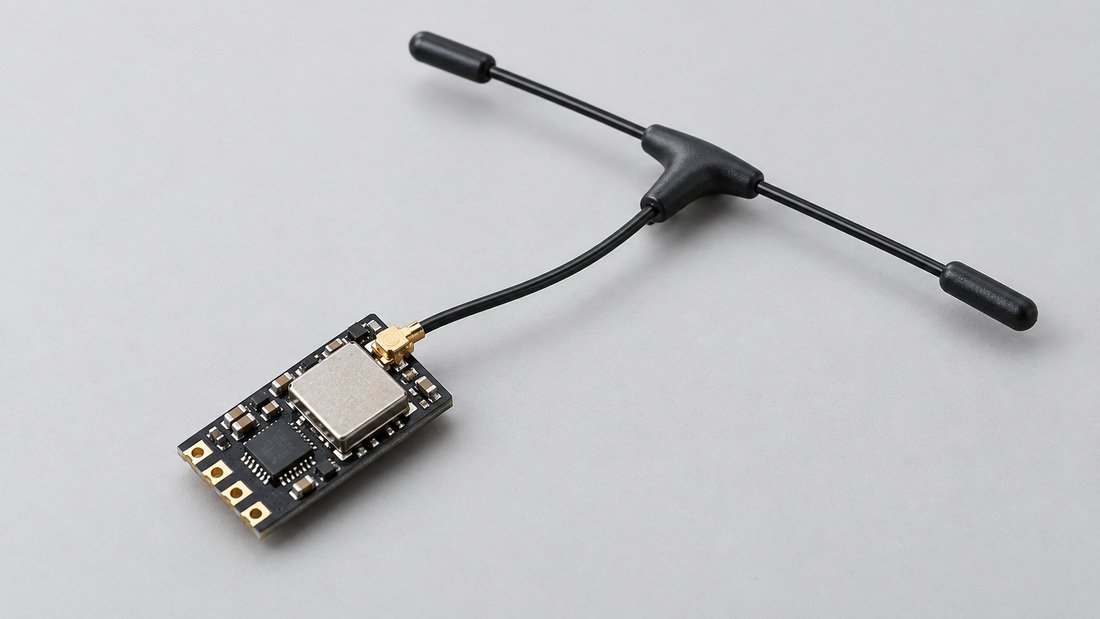
How to write the defect report
A defect report should be short, factual and reproducible. Write it so a technician who has never seen your program can follow your steps and observe the same result.
Use a five-line structure
- What: the specific symptom, e.g., “receiver fails to bind after three attempts.”
- When: date first observed and how many sessions before it appeared.
- Context: voltage, firmware, antenna configuration, and whether the unit was in a crash.
- Steps taken: what you tested and ruled out, such as swapping antennas or trying a second transmitter.
- Request: replacement, repair, credit or technical guidance.
Avoid emotional language and avoid speculation about the root cause. State observations, not conclusions.
Keep originals and do not modify the part
Do not re-solder, glue or disassemble the failed unit before the case is decided unless the supplier asks you to. Modification can void the claim, and it removes the evidence the supplier needs. If you must test a repair, photograph the original state first.
Where quality and testing fit in
Your documentation is easier to assemble when the supplier has a defined quality control process and documented testing and inspection steps. Ask for the inspection criteria used on the parts you buy, so your own incoming checks match theirs.
For programs that resell kits or build aircraft for other schools, a clear warranty and after-sales program defines who handles the claim and at which stage. If your parts carry regulatory or labeling requirements, ask how safety and compliance support documentation is supplied alongside the hardware.
Need a program-level answer rather than a single replacement? Schools and clubs can outline their fleet size, failure pattern and documentation workflow through our quote and program contact page so the right after-sales route can be confirmed in writing.
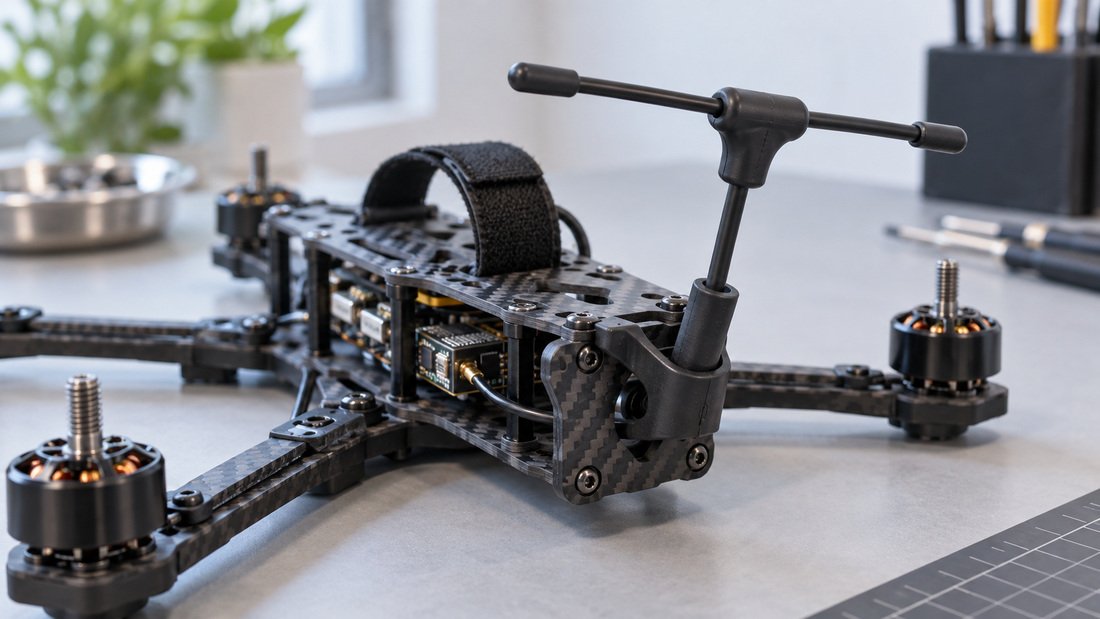
Submission and tracking
Most suppliers require an RMA number before you ship anything. Do not send hardware without written authorization, and do not mix multiple failed units in one parcel without listing each serial number.
Track the case like a project
- Record the RMA number, submission date and the person who replied.
- Photograph the packed return and keep the tracking number.
- Save every email in one folder linked to the purchase order.
- Note the outcome and the date the replacement was received and tested.
Common mistakes that weaken a claim
- Reporting weeks later, after the aircraft has been rebuilt and settings changed.
- Sending only a wide photo where the failure is not visible.
- Describing the failure in the subject line but leaving the body empty of context.
- Returning a part that was already modified or repaired.
- Assuming a consumer warranty law in one country applies to a B2B school purchase in another.
- Relying on a verbal promise about coverage instead of the written terms.
Buyer checklist before you submit a claim
- Order number, invoice and PO reference recorded.
- Serial or batch code photographed.
- Dated overview and close-up photos attached.
- Short unedited video showing the symptom.
- Five-line written defect report completed.
- Crash and usage history disclosed.
- Part unmodified and stored safely.
- Warranty terms and RMA instructions re-read from the contract or quote.
- Internal contact nominated to own the case.
Frequently asked questions
How long should I keep a defective part?
Keep it until the supplier confirms the case is closed and, if required, asks you to return or dispose of it. Many suppliers ask for the failed unit back to investigate root cause.
Is a video always required?
Not always, but for intermittent faults a short unedited clip is often the only way to show the symptom. For obvious physical damage, clear dated photos may be enough.
Does consumer warranty law protect a school purchase?
It depends on the contract, the product and the jurisdiction. The FTC’s guide describes US federal rules for consumer products and notes that implied warranties generally do not cover abuse, misuse, ordinary wear, failure to follow directions or improper maintenance. FTC: Businessperson’s Guide to Federal Warranty Law Do not assume these consumer rules apply automatically to a B2B or overseas school transaction; ask what terms govern your order.
Should I fix a loose wire myself before claiming?
Generally no. Self-repair can complicate or void the claim because the original failure state is lost. Report first and follow the supplier’s instructions.
What if the defect appears during a competition season?
Submit the claim immediately with video evidence and ask whether advance replacement or a temporary substitute is available. Confirm any such arrangement in writing, since it is not guaranteed.
How do I document a defect on a whole drone soccer set?
List each unit by serial number, describe which units failed and which performed normally, and keep one shared evidence folder so the supplier can compare against a working baseline.
What should I ask for if the terms are unclear?
Request, in writing: warranty duration and what it covers, who pays return shipping, expected inspection and replacement timelines, replacement part condition, and the escalation contact for school accounts.
Conclusion
Strong defect documentation is mostly discipline: photograph the part before you touch it, write five factual lines, disclose crash history, and submit through the authorized RMA route. This keeps your warranty, RMA and after-sales case moving and gives your school a defensible record.
Ready to set up a program-level after-sales route for your fleet? Request a School Program Quote and confirm coverage, returns and support terms in writing.