Quick summary
Starting drone soccer in schools usually takes four to eight weeks of planning. You need a safe indoor space, a starter set of drone soccer systems, trained staff or volunteers, a funding source, and a clear safety and consent process. Drone soccer is a team sport where players fly small, caged drones through hoops to score, so the equipment is purpose-built, repairable, and easier to manage in a school gym than camera drones. This guide explains the practical steps, costs to verify, safety rules, and procurement questions for schools, clubs, and youth programs.
Key Takeaways
- Drone soccer works best in a gym or hall with height, protective netting, and a marked play area.
- You need more than drones: batteries, chargers, spare parts, a goal or hoop setup, and a storage/transport plan.
- Start small with one team or one class, then expand to a league or club after your first season.
- Funding can come from STEM grants, booster clubs, sponsorships, or school budget lines; confirm terms in writing.
- For US programs, check whether your flights fall under the recreational exception or Part 107, and ask about a FRIA for Remote ID compliance. See the FAA educational users guidance.
What Is Drone Soccer and Why Schools Use It
Drone soccer is a team sport played with small quadcopters inside protective cages. Players fly through a series of hoops and try to score while defending. Because the drones are caged, collisions are expected and repairs are part of the game. That makes it a strong fit for STEM programs: students learn flight control, basic aerodynamics, radio systems, battery care, and teamwork.
Unlike a camera drone class where one pilot flies at a time, drone soccer keeps several students active at once. It also gives a clear competitive pathway through drone soccer competitions, which can motivate students who are not drawn to traditional sports.
Step-by-Step: How to Launch a Program
1. Define the Program Scope
Decide whether you are starting a club, a physical education unit, an after-school enrichment class, or a competitive team. A club may meet once a week; a competitive team may practice three times a week and travel to events. The scope determines how many drone soccer systems, batteries, and spare parts you need.
Write a one-page charter with goals, meeting times, age range, and who supervises. This document helps with administrator approval and funding requests.
2. Find and Prepare a Safe Space
A standard school gym works well if you can set up netting and a marked field. Look for:
- Ceiling height of at least 4–5 meters (about 13–16 feet) for safe flight.
- Space for a play area roughly 8–12 meters long and 4–6 meters wide.
- Protective netting around the field and a barrier between spectators and players.
- Power outlets for chargers and a secure storage cabinet.
Gyms echo and can disturb nearby classrooms, so schedule practice during off-peak hours. Also check fire codes and any school rules about battery charging and storage.

3. Choose the Right Equipment
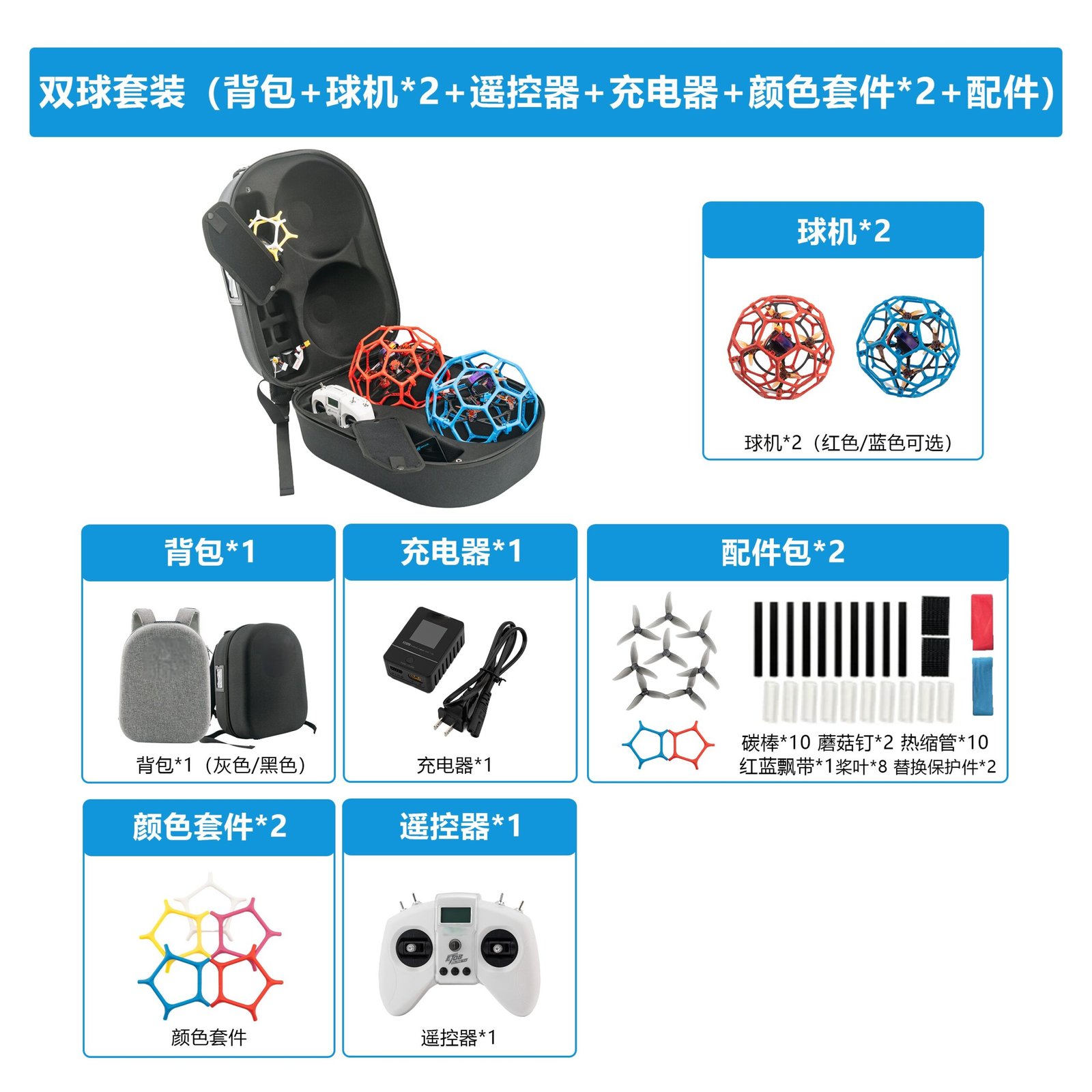
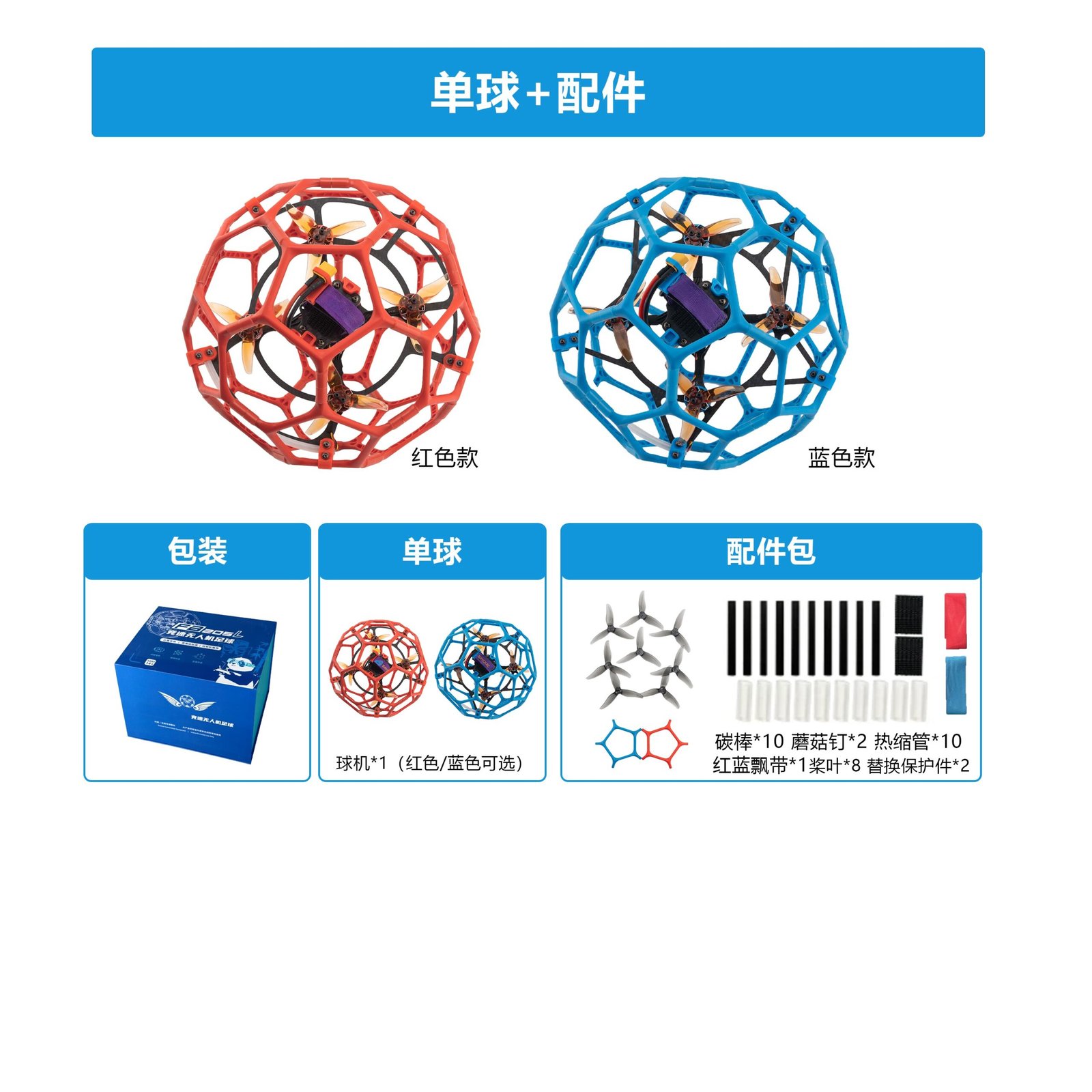
Start with a set of drone soccer systems that includes caged drones, transmitters, batteries, and a charging solution. You will also need a goal or hoop assembly and spare parts such as propellers, motors, and airframe pieces. Because we do not invent specifications here, ask the supplier for the exact part list, weight, battery type, and compatible spares for the BKZ line.
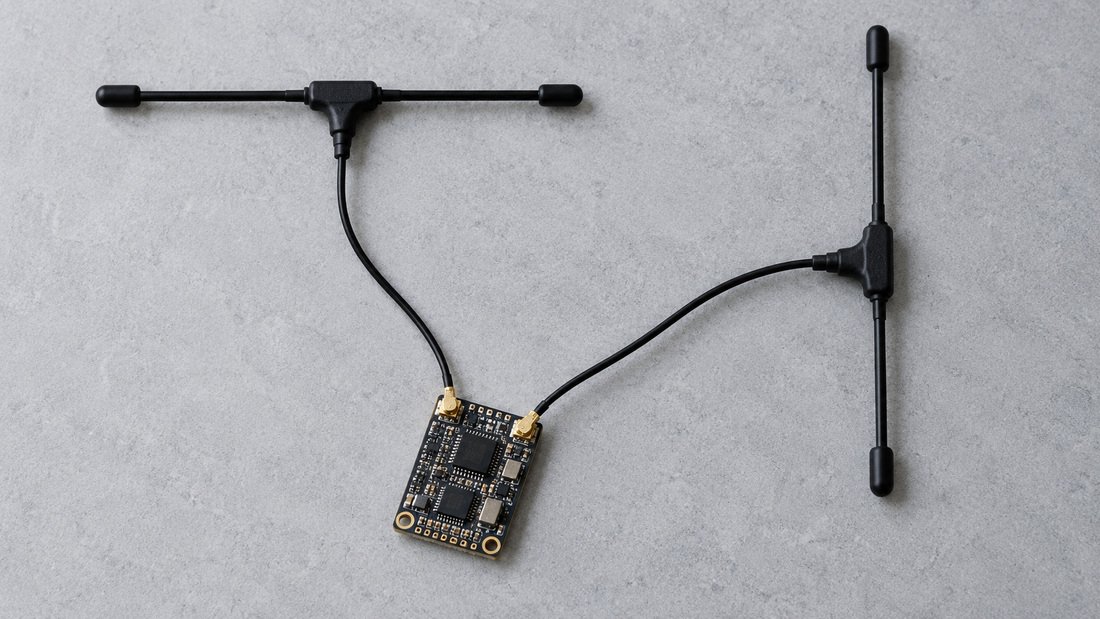
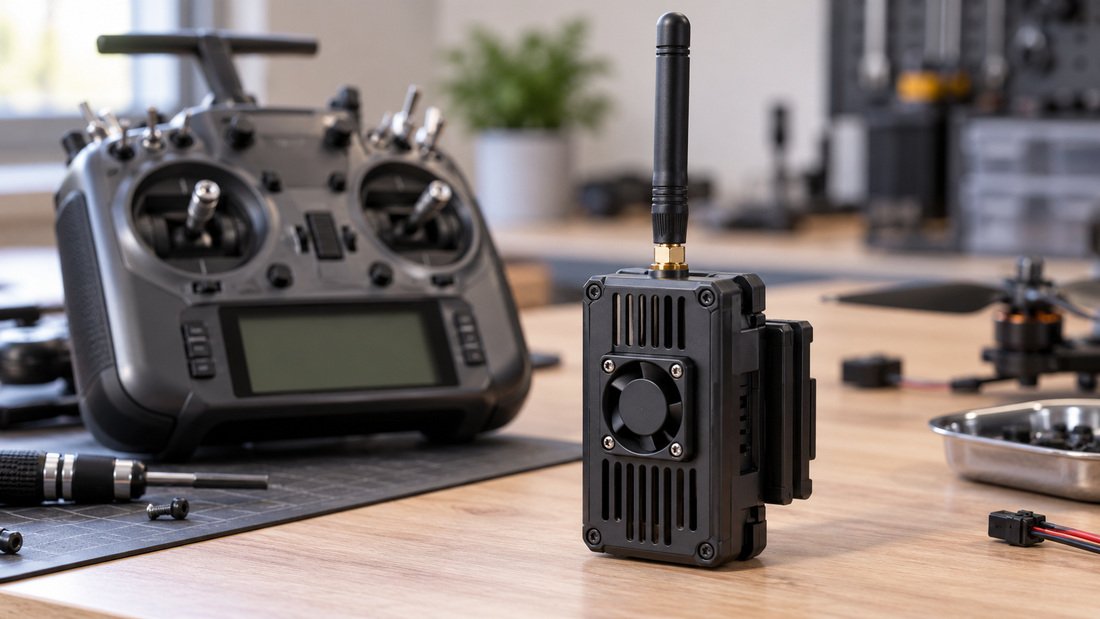
Radio links matter. Many modern drone soccer setups use ExpressLRS (ELRS), a radio protocol known for low latency and reliable control. If you are evaluating components, look at receivers and modules that match your team’s transmitters.
4. Train Coaches and Safety Officers
You need at least one adult who can run practice, manage batteries, and handle basic repairs. Check your FAA educational users guidance for local rules and look for a DronePro volunteer who can demonstrate safe flight. Ask the supplier whether they offer teacher training, curriculum, or setup guides. If not, plan a weekend workshop with a local club.
5. Set Safety and Consent Rules
Write a safety plan before the first flight. Include:
- Pre-flight checks for batteries, propellers, and cage integrity.
- Eye protection and a no-fly zone for spectators.
- Battery charging rules and fire-safe storage.
- Incident reporting and repair log.
- Parent/guardian consent and media release forms.
Check whether your flights fall under the recreational exception or Part 107. In the US, educational organizations that are not institutions of higher education or JROTC programs may need to be chartered by an FAA-recognized Community Based Organization to operate under the recreational exception; otherwise, Part 107 applies. You can also request a FAA-Recognized Identification Area (FRIA) so drones can fly without Remote ID. These rules are US-specific; verify local requirements elsewhere.
Budget and Funding: What to Plan For
Costs vary by supplier and program size. Treat the ranges below as planning categories, not quotes, and request a written quote from each vendor.
| Cost Category | What to Include | How to Verify |
|---|---|---|
| Drone soccer systems | Caged drones, transmitters, batteries | Ask for a per-team kit list and unit price |
| Field setup | Netting, hoops/goals, boundary markers | Request dimensions and installation guide |
| Spare parts | Propellers, motors, arms, cages | Ask for a recommended spares ratio |
| Charging and storage | Chargers, power strips, fire-safe cabinet | Confirm battery chemistry and charge rates |
| Training | Staff workshop, curriculum, online course | Ask what is included and what costs extra |
| Travel and league fees | Event entry, transport, uniforms | Check league rules and event calendars |
Funding ideas: STEM grants, school foundation, parent-teacher association, local business sponsorship, and student fundraising. Some districts allow career and technical education (CTE) funds for equipment that maps to technology standards. Ask your district office which budget line can be used and keep receipts organized.
Curriculum and Competition Pathway
Drone soccer can be a stand-alone club or part of a broader STEM drone education and training pathway. Start with basic flight skills, then add radio setup, battery math, and repair labs. As students progress, form a team and look for local drone soccer clubs or leagues that offer matches.
If you are a distributor or an OEM/ODM buyer, you may be sourcing for multiple schools. In that case, ask for a program bundle that includes training materials, spares, and a rollout plan. Our schools and training organizations page outlines how we support multi-site programs.
Ready to equip your program? Tell us your location, number of students, and timeline, and we will help you match a drone soccer setup to your space and budget. Request a School Program Quote.
Common Mistakes to Avoid
- Buying drones without spare parts, then losing weeks waiting for replacements.
- Choosing a space that is too small or has low ceilings, which leads to constant crashes.
- Skipping battery safety training and fire-safe storage.
- Assuming one coach can manage 20 students with no assistants.
- Forgetting to check local drone rules or school insurance coverage before flying.
- Ordering too few batteries, which slows practice and reduces flight time per student.
Buyer Checklist for Schools and Programs
- Confirm the number of students and teams you need to support.
- Measure your gym or hall and check ceiling height.
- Request a written equipment list with part numbers and spare parts.
- Ask about battery type, charge time, and storage requirements.
- Confirm whether teacher training or curriculum is included.
- Ask for lead time, shipping method, and how returns or defects are handled.
- Get a sample unit or demo before a large order.
- Check local drone regulations and insurance requirements.
- Set a maintenance schedule and assign a parts manager.
Frequently Asked Questions
How much space do I need for drone soccer?
A standard school gym with a 4–5 meter ceiling and room for an 8–12 meter field works for most programs. Smaller spaces can work for skills practice but limit full matches.
Do I need a license to fly drones at school?
In the US, it depends on your organization and purpose. The FAA explains that educational flights may fall under the recreational exception or Part 107, and qualifying organizations include higher education, JROTC, and programs chartered by an FAA-recognized Community Based Organization. Verify your status with the FAA before flying.
What is a FRIA and do schools need one?
A FAA-Recognized Identification Area (FRIA) lets drones fly without Remote ID. Educational institutions can request one. If you fly indoors only, ask your supplier and local authorities whether Remote ID applies to your setup.
How many drones should we buy to start?
Start with at least one full team set plus spares. A common approach is two drones per active player plus a 20–30% spare ratio, but confirm with your supplier based on your practice format.
Can we repair the drones ourselves?
Yes, drone soccer drones are designed to be repairable. Ask for a repair guide, spare parts list, and recommended tools. Many programs train students to do basic repairs as part of the curriculum.
How do we fund a drone soccer program?
Look for STEM grants, CTE funds, parent-teacher associations, and local sponsors. Write a clear budget with equipment, spares, and training costs. Request quotes from multiple vendors to compare.
What is the difference between drone soccer and a regular drone class?
Drone soccer is a team sport with caged drones and a competitive format. A regular drone class may focus on photography, coding, or flight basics. Many schools run both as part of a broader STEM pathway.
Conclusion: Your Next Step
Starting drone soccer in schools is a manageable project when you plan the space, equipment, safety, and funding in that order. Begin with a small pilot, document what works, and expand after your first season. To get specific pricing, lead times, and a program bundle for your school or club, request a school program quote and tell us your student count, space, and timeline.