Quick summary
For drone soccer, the choice between LiPo, LiHV and Li-ion is a trade-off between burst power and operational convenience. LiPo delivers the high discharge current needed for rapid direction changes and is the standard for most youth programs. LiHV offers slightly higher voltage and capacity in the same size but demands voltage-specific charging discipline. Li-ion provides longer runtime and is easier to store but usually cannot match LiPo burst current for aggressive flight. Prioritise LiPo battery safety and charging protocols before comparing chemistry.
Key Takeaways
- LiPo is the default for drone soccer because its high discharge rate supports fast accelerations and repeated ball strikes.
- LiHV is not a drop-in replacement — it charges to a higher voltage per cell, so your charger, ESC and battery management plan must match.
- Li-ion suits endurance and logistics but often lacks the burst current for competitive play; use it for training or support equipment when current draw is modest.
- Safety is process, not product: correct charging voltage, cell balancing, physical protection and supervised storage matter more than brand claims.
- Procurement should be specified in writing — request chemistry, cell count, capacity, connector type, charge voltage and safety documentation before ordering.
Drone soccer programs rarely fail because of motor choice. They fail because of battery mismanagement: wrong charge voltage, mismatched connectors, damaged packs, or students charging unattended. This guide compares the three chemistries for school and club use, then gives you a practical procurement and charging workflow aligned with recognised lithium battery safety guidance.
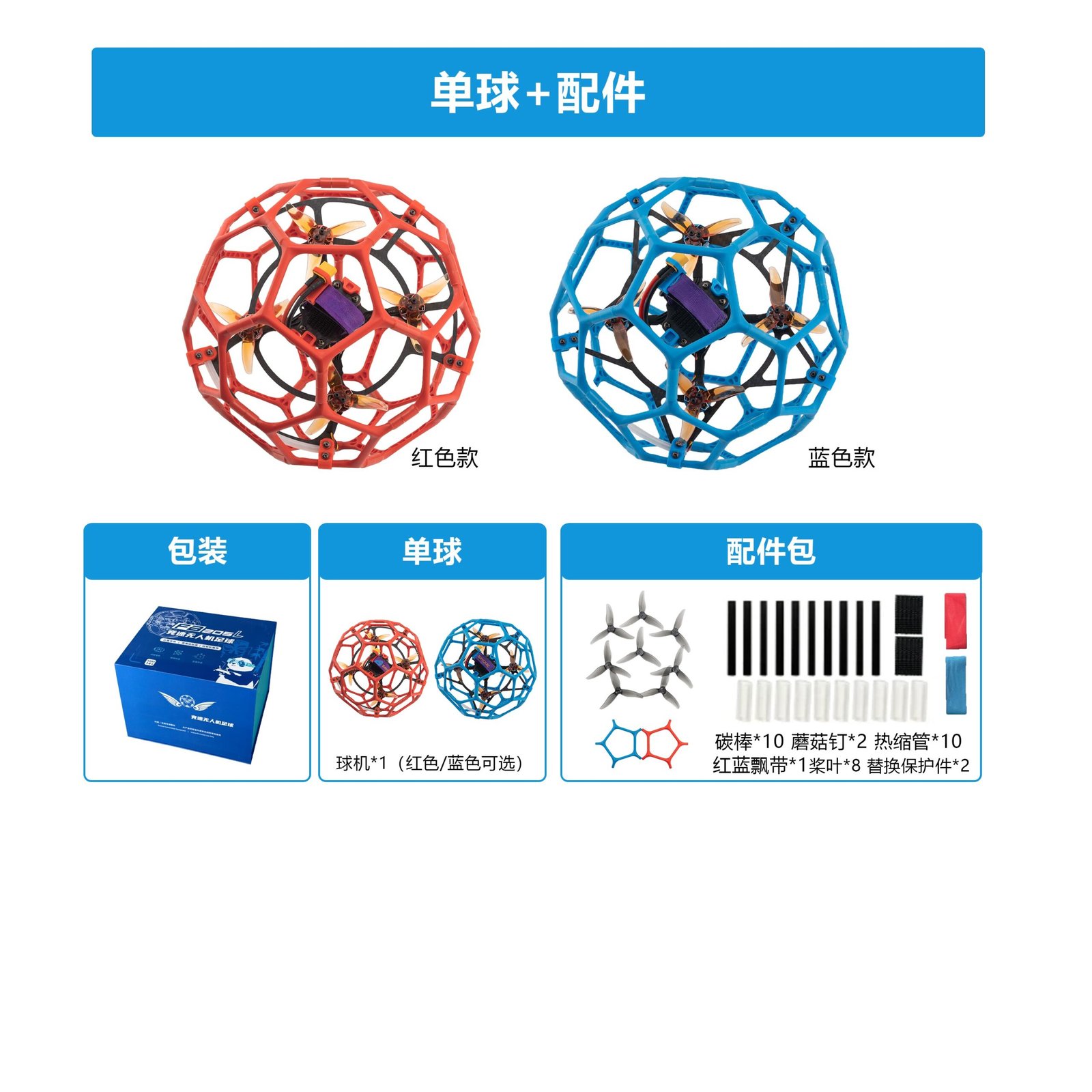
What Is the Difference Between LiPo, LiHV and Li-ion?
LiPo, LiHV and Li-ion all move lithium ions between electrodes, but they differ in voltage limits, discharge capability and packaging. LiPo (lithium polymer) cells are pouch-format and typically charge to 4.2 V per cell. LiHV (high-voltage lithium polymer) charges to about 4.35 V per cell for more energy in the same weight. Li-ion (lithium-ion) cells, such as cylindrical 18650 types, usually charge to 4.2 V but are optimised for energy density and cycle life rather than burst current.
For a drone soccer program, the practical questions are: How much current can the pack deliver safely? What charger does it need? How easily can students and coaches handle and store it? The chemistry label matters less than matching the pack to the airframe, ESC and charger.
Voltage and cell count basics
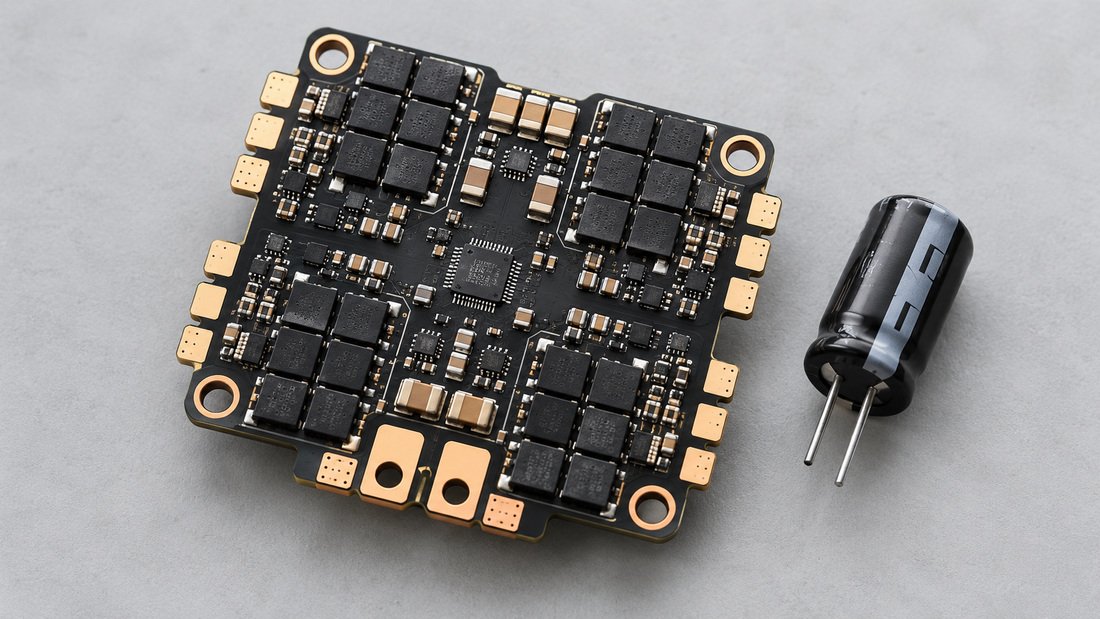
A 3S LiPo contains three cells in series and is often called 11.1 V nominal, with a full charge around 12.6 V. A 4S pack is about 14.8 V nominal. LiHV packs of the same cell count reach slightly higher full-charge voltage, which can stress ESCs and motors if the propulsion system was not selected for it. Always confirm the ESC voltage rating, the motor KV and the propeller load together. Our motor, propeller and battery matching guidance explains how these three variables interact.
Why LiPo Battery Safety and Charging Matter in Drone Soccer
Lithium batteries can overheat and enter thermal runaway, a chain reaction that can occur without warning from damage, overheating, water exposure, overcharging or improper packing. Thermal runaway can also result from manufacturing defects. This is why charging and storage discipline is a core operational requirement, not an optional extra.
In a school gym or club training hall, risk increases when multiple packs are charged quickly between matches, when chargers are shared without labelling, or when damaged packs are kept in service to save budget. A written battery SOP (standard operating procedure) is one of the highest-value documents a program can create.
Charging practices that reduce risk
- Match charger voltage to chemistry. Never use a LiHV charge profile on a standard LiPo unless the pack is rated for it, and vice versa.
- Balance charge whenever possible. Cell balance keeps individual cells from drifting outside safe limits.
- Charge on a non-flammable surface and away from paper, foam and solvents.
- Never charge unattended and never charge while students are alone.
- Inspect before and after each session for puffing, punctures, loose connectors, heat or odour.
- Storage voltage matters. For long breaks, charge or discharge packs to a storage voltage range recommended by the manufacturer, not full charge or empty.
These practices apply to all three chemistries. The higher charge voltage of LiHV makes voltage verification especially important.
Planning a school drone soccer program? Talk to our team about classroom-ready airframes, battery handling accessories and charging workflow design. Request a School Program Quote and we will help you specify the right power system for your students.
LiPo vs LiHV vs Li-ion: Comparison Table
| Factor | LiPo | LiHV | Li-ion |
|---|---|---|---|
| Typical full-charge voltage per cell | About 4.2 V | About 4.35 V | About 4.2 V |
| Burst current capability | High | High | Usually moderate |
| Energy density by weight | Good | Slightly higher than standard LiPo | Good to high |
| Charger compatibility | Widely supported | Requires LiHV-capable charger | Requires Li-ion profile; often different charge current |
| Storage and handling sensitivity | Moderate; needs care | Similar to LiPo, with voltage discipline | Often more forgiving for long storage |
| Best fit for drone soccer | Competitive and training airframes | Where rules allow and propulsion system supports it | Endurance, ground equipment or low-burst applications |
General guidance only. Confirm exact ratings with your battery, charger and airframe suppliers.
Which Chemistry Should a School Program Choose?
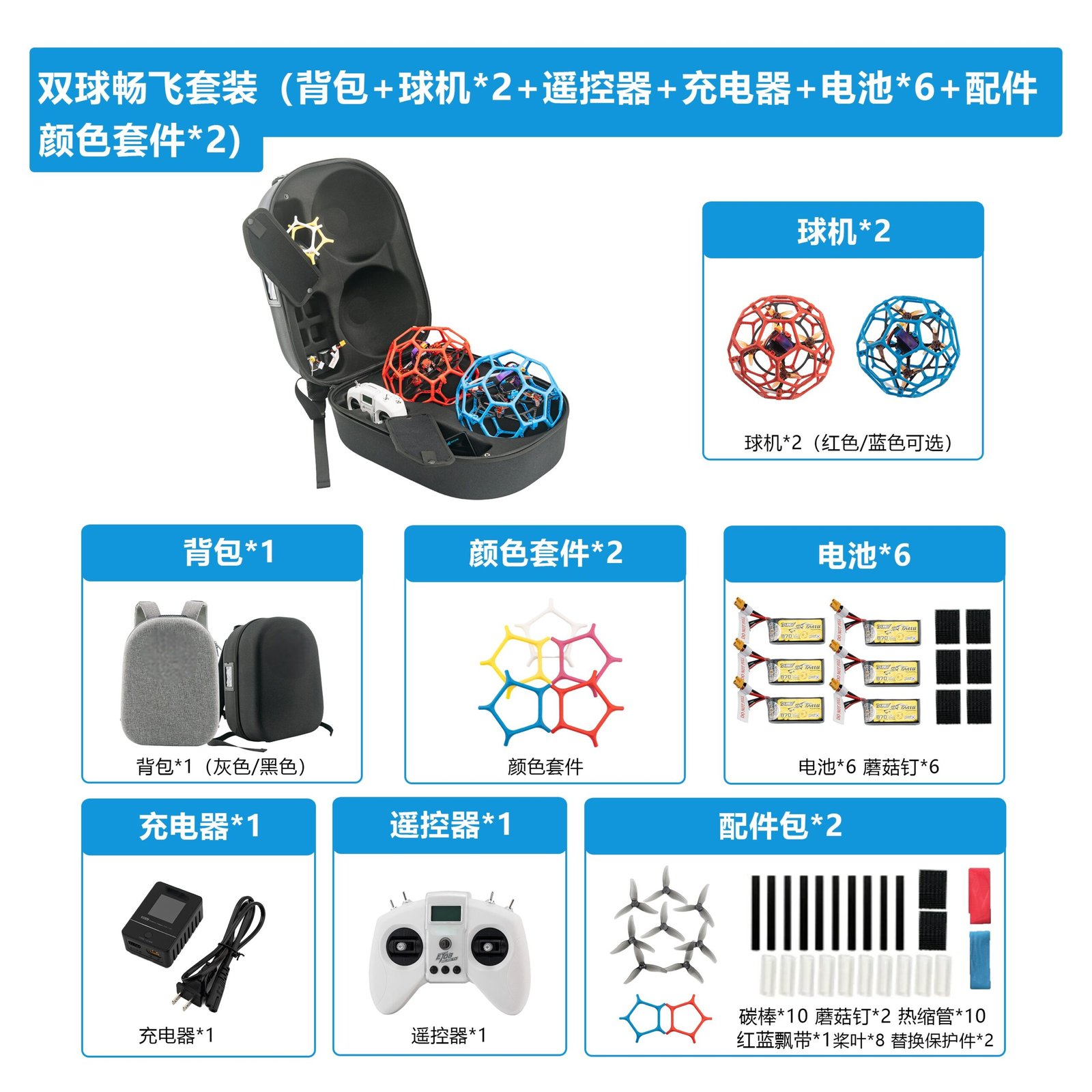
Most drone soccer teams are best served by LiPo packs that match the supplied airframe and are supported by the competition rules. LiHV can be attractive when every gram matters, but only if the charger, ESC and rules permit the higher voltage. Li-ion is rarely the right choice for the aircraft itself in competitive play, but it can be excellent for field equipment, timing systems or coach tools where current draw is low and long shelf life matters.
Before switching chemistry, ask three questions: Does the rulebook allow it? Does the propulsion system tolerate the voltage? Can the school safely charge and store it? If any answer is unclear, request written confirmation from the supplier or event organiser.
Matching battery to propulsion
Battery choice and motor choice are linked. A higher-voltage pack spins a given motor faster, which increases current draw and heat. That is why motor and propulsion matching should be part of the battery decision. If you are building a fleet for a school, propulsion combo kits reduce mismatch risk because the components are selected as a set. For replacement parts, individual FPV motors give you flexibility once the battery and ESC specification is fixed.
Common Mistakes in School Drone Soccer Battery Management
- Using one charge profile for every pack. LiHV and LiPo profiles are not interchangeable unless the battery is rated for both.
- Ignoring connector standards. Mismatched plugs force adapters that add resistance and failure points.
- Charging damaged packs. A puffed, punctured or hot pack should be retired and isolated, not cycled again.
- Storing at full charge for weeks. This can accelerate wear; follow the manufacturer’s storage voltage guidance.
- No labelling. Unmarked packs make it impossible to track age, cycle count or damage history.
- Unsupervised charging by students. Charging should be an adult-supervised activity with a written procedure.
- Buying on price alone. Request safety test documentation and specifications, not just capacity claims.
A note on travel and shipping
If your team travels to events by air, be aware that aviation lithium battery rules are strict and vary by carrier. In the United States, the FAA states that spare lithium ion and lithium metal batteries must be carried in carry-on baggage only, terminals must be protected from short circuit, and lithium ion batteries are generally limited to 100 watt hours (Wh) per battery, with some larger batteries allowed with airline approval. Batteries carried for further sale or distribution are prohibited. Always check with your airline for stricter limits before travelling. Source: FAA PackSafe – Lithium Batteries.
Buyer Checklist: Specifying Drone Soccer Batteries
Use this checklist when requesting quotations from suppliers. Ask for written confirmation of each item.
- Chemistry and cell count — for example, LiPo 3S or LiHV 4S.
- Nominal and full-charge voltage — confirm per-cell charge voltage.
- Capacity and discharge rating — capacity in mAh and continuous/burst C rating.
- Connector type — main power and balance connector standard.
- Physical dimensions and weight — must fit the airframe with clearance.
- Charger compatibility — confirm the charger supports the required profile.
- Safety documentation — request available test reports or compliance documents.
- Packaging and labelling — for storage, transport and inventory tracking.
- Spare parts and replacement policy — confirm what is covered and how to reorder.
- Rules compliance — verify the chemistry is allowed by your league or event organiser.
Frequently Asked Questions
Can I use LiHV batteries in a standard LiPo drone?
Only if the ESC, motors and charger are rated for the higher voltage, and if your competition rules allow it. LiHV charges to a higher voltage per cell, which increases current and heat. Confirm with your airframe supplier before switching.
Are Li-ion batteries safer than LiPo for schools?
No chemistry is inherently safe. Li-ion cells are often more tolerant of long storage and have high energy density, but they can still overheat and enter thermal runaway. Safety depends on correct charging, protection circuits and handling discipline.
How should LiPo batteries be stored between school terms?
Follow the manufacturer’s recommended storage voltage, keep packs in a fire-resistant container or location, protect terminals from short circuit, and inspect them before the next use. Do not store damaged packs with serviceable ones.
What is thermal runaway?
Thermal runaway is a process where a lithium battery overheats and the reaction becomes self-sustaining. It can occur without warning due to damage, overheating, water exposure, overcharging, improper packing or manufacturing defects. Source: FAA PackSafe – Lithium Batteries.
Can students charge drone batteries themselves?
We recommend adult supervision for all lithium battery charging in school settings. Establish a written procedure, use appropriate chargers, and never charge unattended or near flammable materials.
How do I calculate watt-hours for air travel?
The FAA notes that newer lithium ion batteries mark the Wh rating. To calculate Wh, multiply the battery voltage by the amp hours (Ah). This helps you confirm whether a pack falls within common aviation limits. Source: FAA PackSafe – Lithium Batteries.
Should we buy LiPo or LiHV for a new drone soccer fleet?
Start with the airframe, ESC and competition rules. If the system is designed for standard LiPo and the rulebook does not require LiHV, standard LiPo is usually simpler to charge and support. If you need maximum energy in a tight weight budget and the propulsion system is rated for it, discuss LiHV with your supplier.
Conclusion: Power Your Program Safely
For drone soccer, LiPo remains the practical default, LiHV is a specialist option that requires strict voltage discipline, and Li-ion is best reserved for endurance or support roles. Whichever chemistry you choose, the deciding factor for schools is a documented charging and storage process that students and coaches can follow consistently.
Ready to equip your program? Tell us your airframe, class size and charging setup, and we will help you specify compatible packs and accessories. Request a School Program Quote to get started.