Quick summary
Getting parent consent for drone soccer in schools means giving families a clear, written picture of what their child will do, what equipment is used, who supervises, and what happens in an incident. Safety concerns are best answered before the first session: publish a one-page activity description, a signed consent and media form, a supervision ratio, a pre-flight checklist, and an incident reporting route. Confirm aviation rules and insurance in writing for your jurisdiction.
Key Takeaways
- Consent should cover three separate permissions: participation, emergency medical treatment, and photo/video use — many schools combine them badly.
- Safety questions are really risk questions: who supervises, what equipment is inspected, where the cage is, and how near-misses are logged.
- In the United States, educational drone flying falls under either the recreational exception (49 U.S.C. § 44809) or Part 107, depending on the organization — verify which applies to you before publishing any parent letter. See the FAA educational users page: https://www.faa.gov/uas/educational_users
- Primary and secondary schools may be able to request a FAA-Recognized Identification Area (FRIA) to fly without Remote ID; this is a US-specific option, not a universal rule.
- Parents rarely object to drones themselves; they object to unclear supervision, unclear costs, and unclear responsibility. Answer those three in writing.
What exactly should a parent consent form contain?
A usable consent form is short, specific and dated. It should name the program (for example, an after-school drone soccer club), the venue, the adult responsible, the weekly time commitment, and the total cost including any replacement parts. It should state plainly that the child will fly a small propeller-driven aircraft inside a protective cage or netted arena, under direct supervision.
Separate the permissions. Participation consent, medical consent and media consent are different legal and ethical items, and some families will allow one but not the others. Combine them into a single signature block and you create avoidable disputes later.
Include a plain-language behaviour section. Drone soccer involves launching a drone at speed toward a ball and other players. Rules on eye protection, waiting for the referee, and never walking into an active cage should be signed by both student and parent, not just the parent.

How do you answer safety concerns before the first practice?
Safety concerns shrink when parents can see the physical controls rather than a promise. A single pre-season information evening, a printed checklist and a visible cage do more than any policy document.
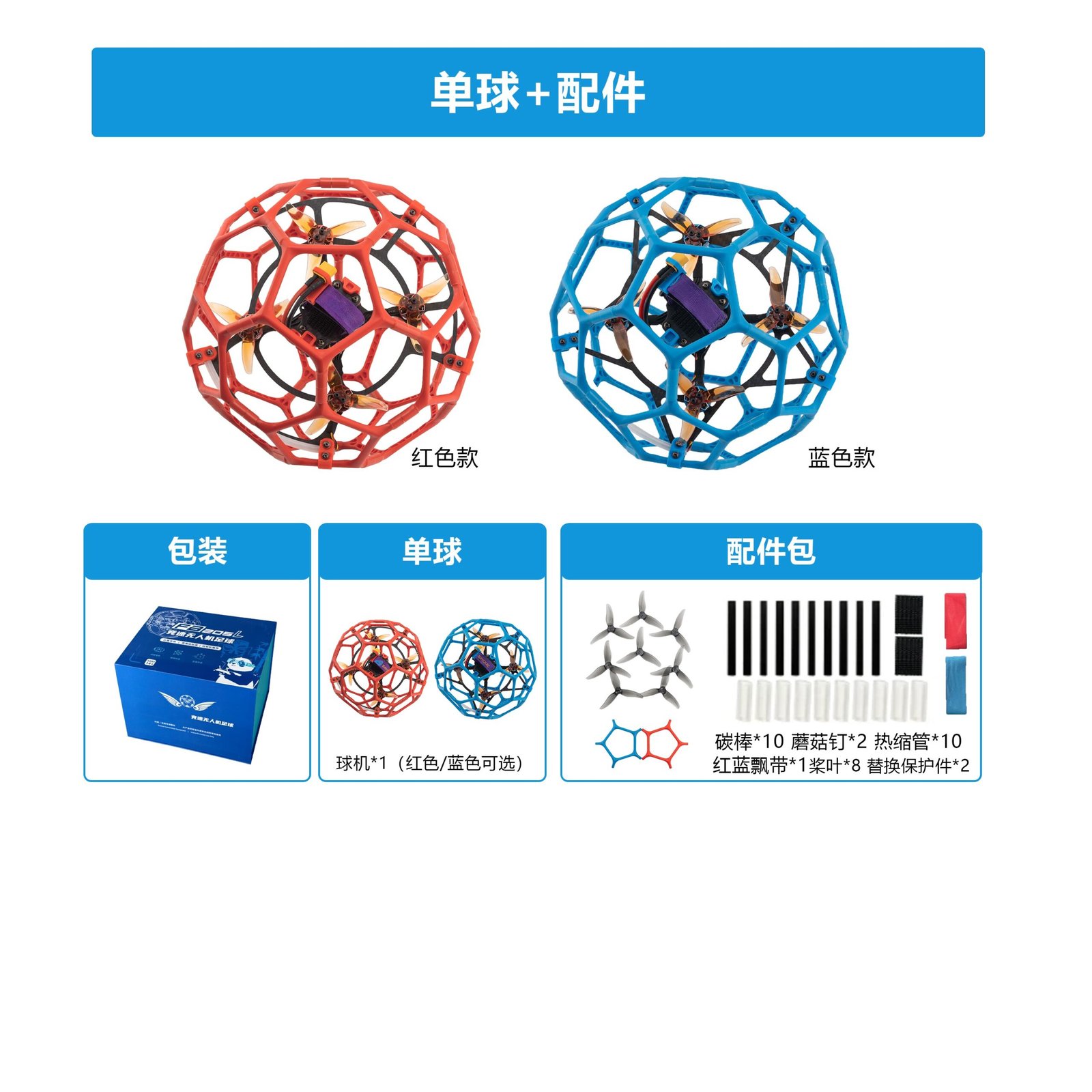
Show the protective equipment, not a description of it
Drone soccer is normally played with propellers enclosed in a protective frame, inside a cage or net structure that keeps aircraft and spectators apart. Let parents see the airframe, the cage, the eye protection and the battery charging station. Explain which parts are consumable and which are designed to absorb impact.
State a supervision ratio and stick to it
Publish the adult-to-student ratio for flying sessions and the rule that batteries are only connected by an adult or a trained student under direct adult supervision. If your organisation has a fixed internal policy, quote it exactly. If not, agree one with your risk lead and record it in the program handbook.
Explain the aviation framework in one paragraph
In the United States, educational and research drone flights may be operated under the Exception for Limited Recreational Operations (49 U.S.C. § 44809) for qualifying educational organisations, or under the Small Unmanned Aircraft Systems Rule, Part 107. The FAA notes that organisations which are not institutions of higher education and not part of a Junior Reserve Officers’ Training Corps (JROTC) program generally need to be chartered by an FAA-recognised Community Based Organization to operate under § 44809, otherwise they operate under Part 107. See https://www.faa.gov/uas/educational_users. Verify your own category locally before telling parents which rule applies.
Say what happens when something goes wrong
Describe the incident and near-miss process in one short paragraph: who administers first aid, who contacts the parent, who records the event, and who reviews it at the next session. Parents accept risk that is documented and managed; they distrust risk that is hidden.
Consent, safety and programme policy compared
The table below separates the documents schools often blur together. Use it as a checklist of what you already have, not as legal advice.
| Document | Answers the question | Signed by | Reviewed |
|---|---|---|---|
| Activity description | What is drone soccer and what will my child do? | Not signed; published | Each term |
| Participation consent | May my child take part? | Parent/guardian | Each season |
| Medical and emergency consent | Who treats my child if I cannot be reached? | Parent/guardian | Annually |
| Media consent | May images of my child be used? | Parent/guardian | Annually or per event |
| Safety rules acknowledgement | Does my child understand cage and battery rules? | Student and parent | Each season |
| Pre-flight inspection log | Was this aircraft safe to fly today? | Supervising adult | Every session |
| Incident and near-miss log | What went wrong and what changed? | Supervising adult | Every session |
Schools building a full programme often wrap these documents into a single handbook; the schools and training organizations resources cover the wider setup. Clubs running league play should align their forms with drone soccer clubs so that a student moving between school and club does not have to re-sign everything.
Which equipment decisions reduce parent safety concerns?
Equipment choices are safety decisions, and parents can see them. Propeller guards, caged arenas, a stable radio link and consistent batteries all reduce the number of incidents that generate worried emails.
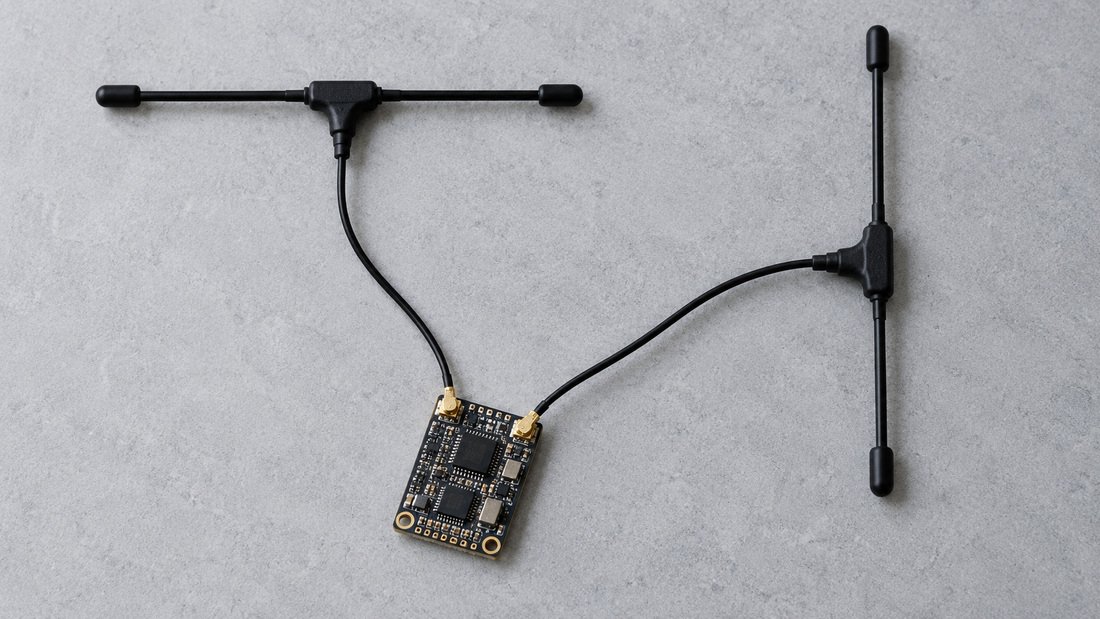
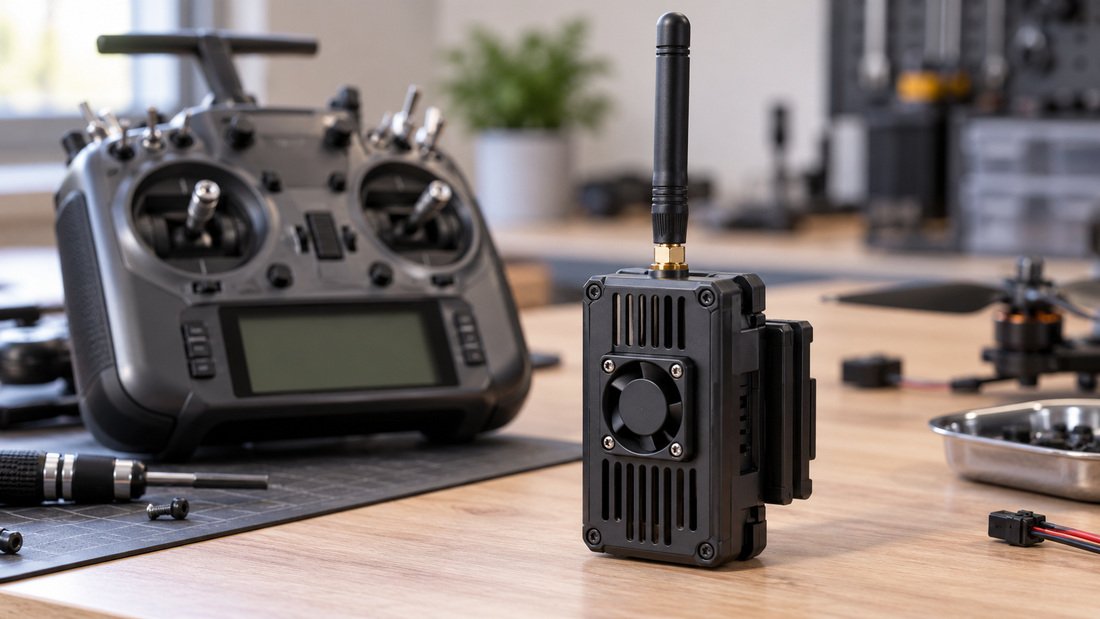
Radio reliability matters more than most newcomers expect. A dropped control link turns a controlled match into a drifting aircraft. Diversity receivers and external transmitter modules are commonly used to improve link stability in crowded gyms with Wi-Fi interference. If you are specifying a class set, ask your supplier which receiver and transmitter configuration they recommend for indoor school environments and why.
Battery handling is the other recurring concern. Parents want to know where batteries are charged, who watches them, and how damaged packs are retired. Write that down and show the charging area at the information evening.
For a classroom set, compare total cost of ownership rather than unit price: airframes, spare propellers, batteries, chargers, balls and cage hardware are all consumable over a season. Our drone soccer systems page lists the components typically involved. If you are procuring for several schools, Request a School Program Quote and ask for a written breakdown of what is included, what is consumable, and what support is provided.
Common mistakes schools make with consent and safety
- One form for everything. Bundling participation, medical and media consent makes opt-outs look like refusals to participate.
- Vague supervision language. “Supervised at all times” means nothing unless the ratio and the named responsible adult are stated.
- No near-miss log. Schools often record injuries but not the events that nearly caused one, so patterns repeat.
- Assuming one rule fits every organisation. The US framework distinguishes between qualifying educational organisations, JROTC programs and other organisations; do not copy another school’s parent letter without checking your own category. Confirm scope on https://www.faa.gov/uas/educational_users.
- Quietly passing replacement costs to families. If a crashed airframe is charged to a parent, that must appear in the consent pack before the season starts.
- No insurance conversation. Ask your district, insurer or broker what is covered for a school-run drone activity, in writing.
Buyer checklist before you publish the parent pack
- A one-page activity description in plain language, translated if your community needs it.
- Separate participation, medical and media consent items.
- Named supervising adult, supervision ratio and session times.
- Written rules for eye protection, cage entry and battery handling.
- A pre-flight inspection log template and an incident/near-miss log template.
- A written statement of total cost, including consumables and any replacement charges.
- Confirmed aviation framework for your organisation type and location.
- Confirmed insurance position from your insurer or district.
- Supplier documentation: what is supplied, what is consumable, and what technical support is included.
- A review date, so the pack is re-checked each season rather than inherited.
Frequently asked questions
Is drone soccer in schools safe enough for primary-age children?
Safety depends on your cage, supervision and equipment rather than the age alone. Many programmes use enclosed-propeller airframes inside a netted arena with eye protection. Decide the minimum age with your risk lead and state it in the activity description.
Do we need a special aviation permit to run a school club?
It depends on your country and your organisation type. In the United States, the FAA explains that educational flying may fall under the recreational exception or Part 107, and that eligibility for the recreational exception depends on the type of organisation. Verify your position before you publish anything to parents.
How long should a signed consent form stay valid?
Many schools renew participation consent each season and medical and media consent annually. That is a local policy decision; confirm it with your administration rather than copying another school.
Who pays if a student damages a drone?
Decide this before the season and put it in the consent pack. Options include school-funded consumables, a club fee, or a capped family contribution. Whichever you choose, write it down and have it acknowledged.
Can parents watch or volunteer?
Inviting parents to observe a session is one of the fastest ways to reduce safety worries. Volunteer roles usually require background checks and safeguarding training; confirm your district’s requirements.
What should we ask a supplier before buying a class set?
Ask for a written component list, which parts are consumable, recommended spare ratios, technical support terms, and any documentation they provide for school procurement. Get lead times, warranties and minimum order quantities in writing rather than assuming them.
Do we need to talk to parents about data or cameras?
If your programme films matches or uses onboard cameras, media consent and data handling belong in the same conversation. Keep media consent separate so families can decline filming without withdrawing from the activity.
Conclusion
Parent consent and safety in drone soccer in schools is a documentation problem more than a technology problem. Publish what the activity is, who supervises it, what equipment protects students, how incidents are handled and what it costs. Verify your aviation category and insurance position locally, and put the whole pack in front of parents before the first session. For equipment questions, including airframe, radio and consumable planning for a school programme, Request a School Program Quote and ask for the written details your administration will need.