Quick summary
Running a pilot program before large-scale procurement lets schools and government agencies test drone soccer equipment, training needs, and vendor reliability with a small group before committing a large budget. A typical pilot involves 10–30 drones, a few weeks of practice, and clear success criteria. It reduces the risk of buying incompatible parts or discovering hidden costs. This guide explains how to plan a pilot for drone soccer (a team sport where remote-controlled drones are flown through hoops), what to measure, and how to use results to make a confident bulk procurement decision.
Key Takeaways
- A pilot program de-risks bulk procurement by testing equipment, training, and support with a small group first.
- Define measurable goals (flight time, repair rate, student engagement) before ordering any units.
- Involve teachers, coaches, IT, and procurement staff early to align on requirements and budget.
- Use the pilot to evaluate vendor responsiveness, documentation, and ability to scale production.
- Document everything: pilot data becomes the evidence for your full procurement request.
Why Run a Pilot Before Bulk Procurement?
A pilot program is a small-scale trial that lets you evaluate drone soccer equipment and the supplier before a full rollout. For schools and government buyers, it answers critical questions: Does the equipment work in our environment? Can our staff maintain it? Will students engage? And can the vendor deliver at scale? Without a pilot, you risk buying hundreds of units that sit unused because of compatibility issues, lack of training, or poor support. A pilot also helps you build a stronger budget request with real data instead of assumptions.
How to Design a Pilot Program for Drone Soccer
Start by defining what success looks like. A pilot is not just a demo; it is a structured test with goals, timeline, and metrics. You will need to decide on scope, participants, duration, and evaluation criteria. Involve your procurement team early so the pilot aligns with public purchasing rules. For schools, a pilot might run for one semester with two teams; for a government youth program, it could be a summer camp with 50 participants. The goal is to gather enough data to make an informed decision about bulk procurement by schools and governments.
1. Define Clear Objectives and Success Metrics
Write down what you want to learn. Examples: average flight time per battery charge, number of repairs needed per 10 hours of play, student satisfaction score, and teacher confidence after training. These metrics should be measurable and tied to your program goals. Avoid vague goals like “see if it works.” Instead, specify: “We will run 20 practice sessions and track drone downtime.” This data will later justify or adjust your bulk order.
2. Choose the Right Pilot Scale
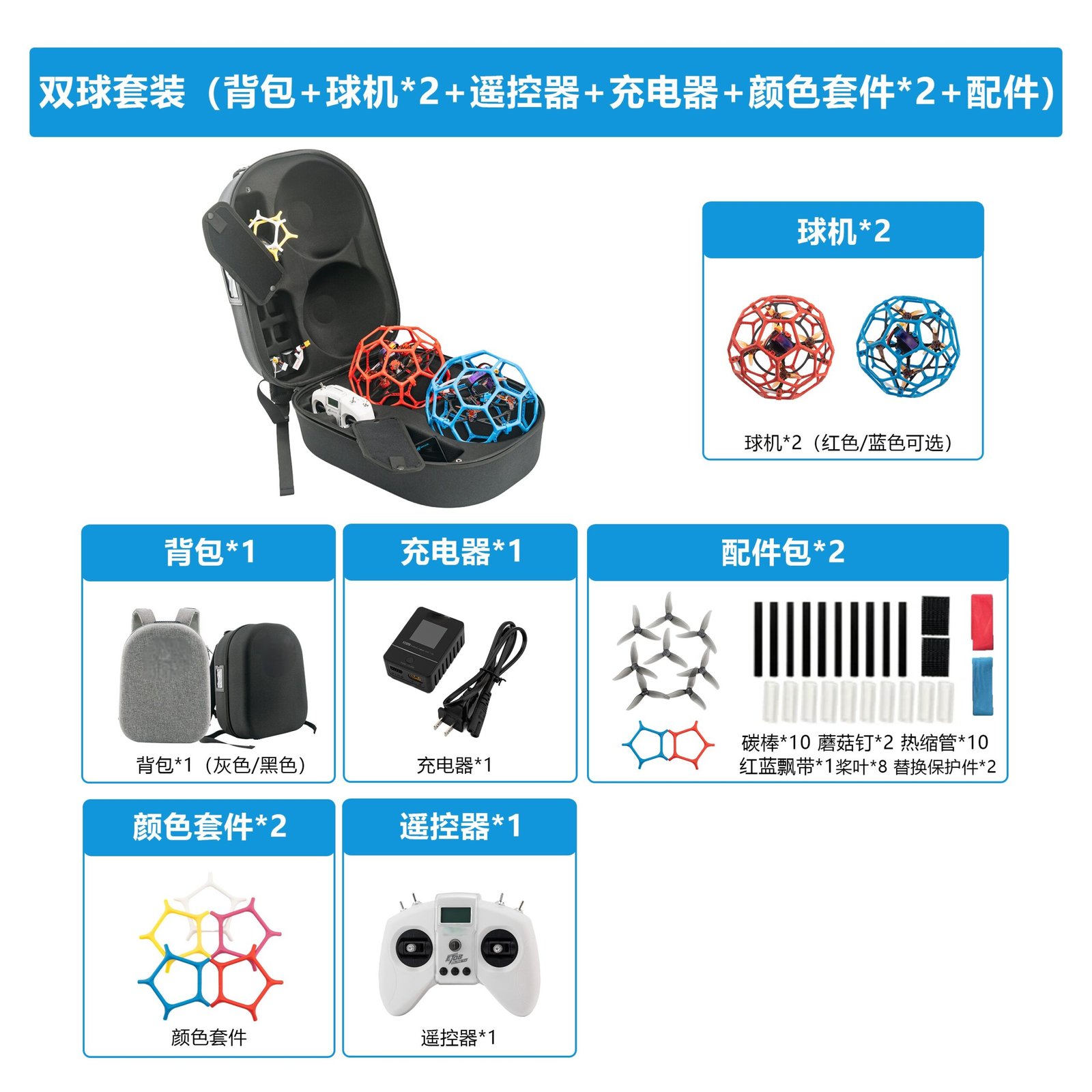
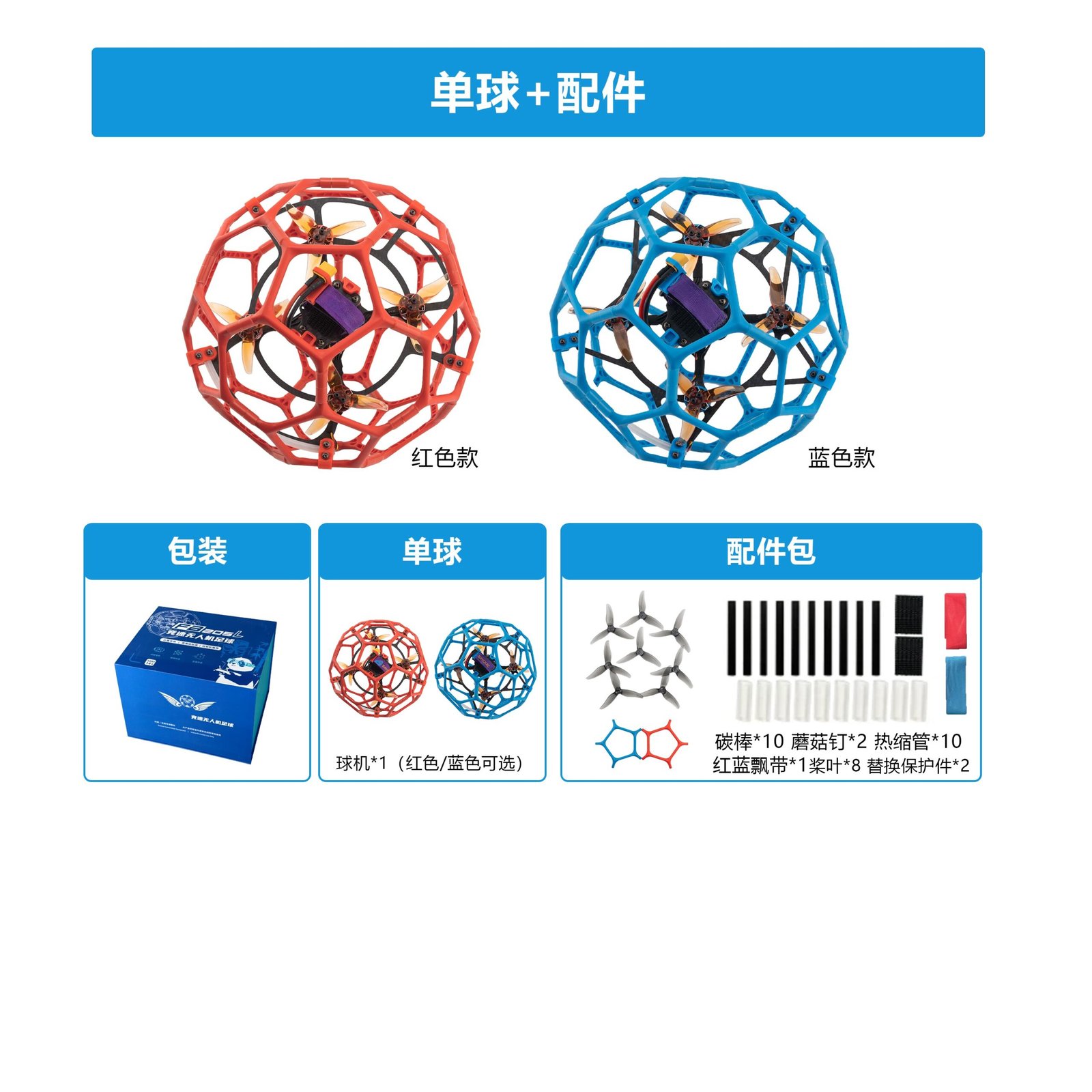
A pilot should be small enough to manage but large enough to reveal issues. For drone soccer, a common starting point is 10–30 drones and 2–4 sets of goals and hoops. This allows multiple teams to practice simultaneously. If you plan to use drone soccer in multiple schools, consider piloting in two or three representative sites. That way you test different conditions (gym size, storage, humidity) without overextending your budget.
3. Set a Realistic Timeline
Allow time for procurement, shipping, training, and actual play. A pilot often takes 8–12 weeks from order to final report. Include buffer for delays, especially if importing. The first two weeks are usually setup and training; the next six to eight weeks are active use; the final weeks are for evaluation and reporting. Do not rush the evaluation phase—it is where you capture lessons learned.
4. Involve the Right People
Your pilot team should include a coach or PE teacher, a technical staff member (IT or STEM coordinator), a procurement officer, and a program administrator. Students can also provide feedback through surveys. For government programs, include a compliance officer to ensure the pilot follows procurement policies. Early involvement prevents surprises later.
What to Evaluate During the Pilot
During the pilot, collect data on equipment performance, maintenance, and user experience. This section outlines the key areas to monitor. Use a simple spreadsheet or logbook to record observations daily. Photos and videos can also help document wear and tear. Remember that the pilot is not just about the drones—it is about the entire ecosystem: parts, support, training, and scalability.
Equipment Durability and Repair Frequency
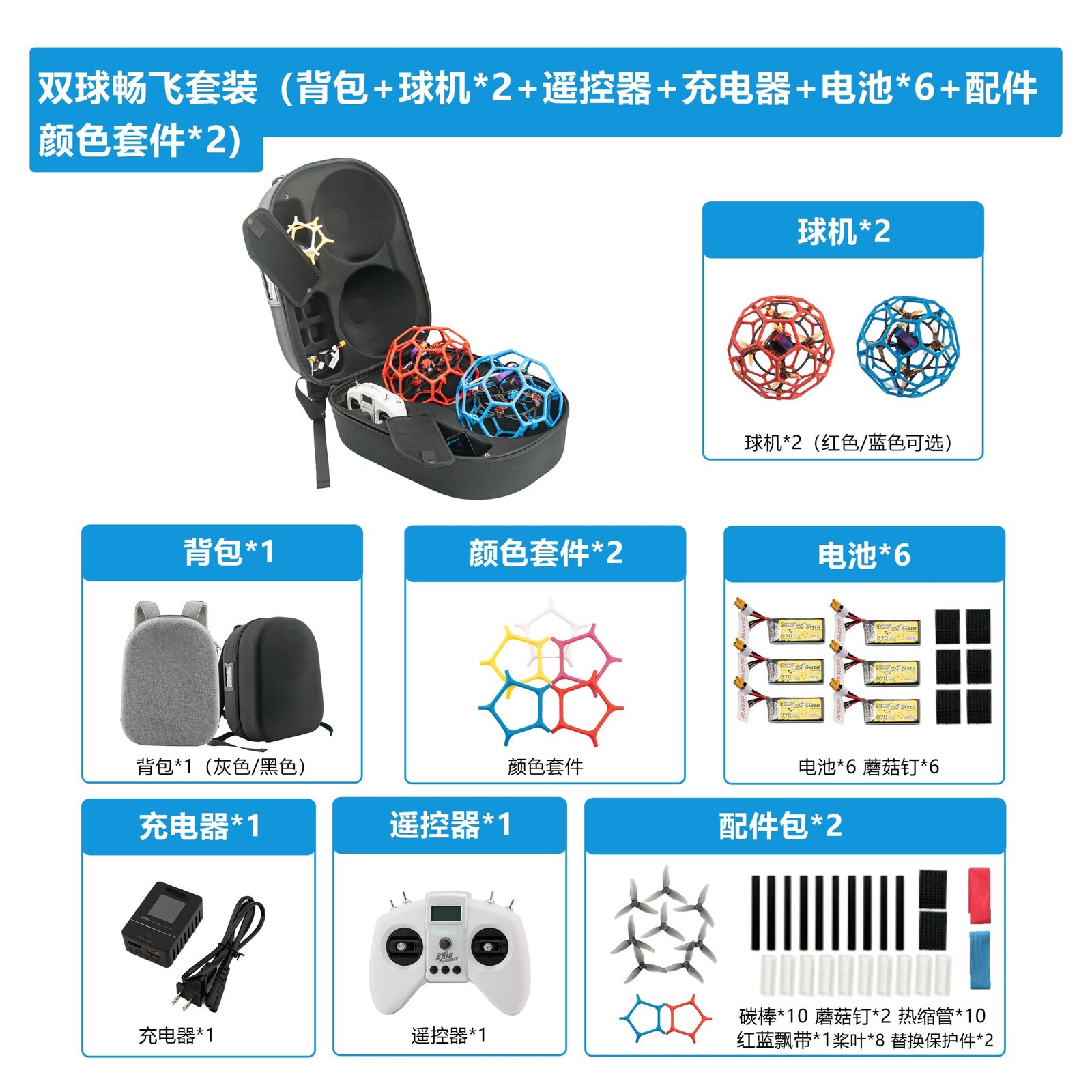
Drone soccer involves collisions, so durability is critical. Track how often drones need repair and which components fail most (propellers, motors, frames). If a specific part breaks frequently, ask the vendor about upgrades or spare parts availability. Also note battery life and charging time. A pilot with high repair rates might indicate a need for more robust equipment or better training.
Training and Support Quality
Evaluate the training provided by the vendor. Was it clear and hands-on? Did teachers feel confident to run sessions independently? Good training reduces long-term support needs. Also test the vendor’s responsiveness: how quickly do they answer questions or ship replacement parts? This is a key indicator of their ability to support a large order. For OEM/ODM projects, discuss OEM/ODM service overview to understand customization options.
Student Engagement and Learning Outcomes
Measure student interest and participation. Surveys, attendance records, and informal feedback can show whether the program motivates students in STEM (science, technology, engineering, and mathematics). If engagement is low, you may need to adjust the program design or equipment before scaling. Positive results here strengthen your case for bulk procurement.
Compatibility and Integration
Check that the drones, controllers, and goals work together seamlessly. If you plan to use existing equipment, ensure compatibility. For example, if you already have a certain radio frequency, verify that new drones match. The Lollipop 5.8GHz antenna is a common component in FPV (first-person view) systems; test its performance in your environment. Pilot data will reveal any integration issues early.
Comparison: Pilot Program vs. Direct Bulk Procurement
This table outlines the trade-offs between running a pilot first and purchasing in bulk immediately. The right choice depends on your budget, timeline, and risk tolerance.
| Aspect | Pilot Program | Direct Bulk Procurement |
|---|---|---|
| Upfront cost | Lower (small quantity) | Higher (full order) |
| Risk of wrong fit | Reduced | Higher |
| Time to full rollout | Longer (pilot + evaluation) | Shorter (immediate delivery) |
| Data for decision | Strong (real-world evidence) | Weak (rely on vendor claims) |
| Vendor relationship | Built gradually | Based on initial negotiation |
| Training and support | Tested and refined | Untested until rollout |
A pilot is generally recommended for new programs or when switching vendors. If you have prior experience with a supplier and the equipment is proven, direct bulk procurement may be acceptable. However, even then, a small trial order can confirm quality consistency.
Common Mistakes in Pilot Programs
Avoid these pitfalls to get the most value from your pilot.
- No clear metrics: Without measurable goals, you cannot objectively evaluate success.
- Too few participants: A pilot with only one drone and two students may not reveal real-world challenges.
- Ignoring maintenance: Failing to track repairs and part replacements hides long-term costs.
- Skipping training: Without proper training, equipment may underperform, leading to false negative results.
- Not involving procurement: Early procurement involvement ensures the pilot aligns with purchasing regulations and budget cycles.
- Poor documentation: If you don’t record data, you cannot build a convincing case for bulk procurement.
Buyer’s Checklist for a Drone Soccer Pilot
Use this checklist to plan and execute your pilot. Confirm each item with your vendor in writing.
- ☐ Define pilot objectives and success metrics (e.g., flight time, repair rate, engagement score).
- ☐ Determine pilot scale (number of drones, goals, hoops, spare parts).
- ☐ Set timeline and budget, including shipping and training.
- ☐ Identify pilot sites and participants.
- ☐ Confirm vendor training and support offerings.
- ☐ Ask about spare parts availability and lead times.
- ☐ Verify compatibility with existing equipment (if any).
- ☐ Request documentation: user manuals, safety guidelines, maintenance schedules.
- ☐ Establish a data collection method (logs, surveys).
- ☐ Plan for evaluation and reporting.
- ☐ Clarify warranty terms and return policy for pilot units.
- ☐ Discuss scaling options and pricing for bulk orders after pilot.
For custom branding, discuss private label drone parts and logo and packaging customization early. This ensures pilot units reflect your final specifications.
Frequently Asked Questions
1. How long should a drone soccer pilot program last?
Most pilots run 8–12 weeks, including setup, training, active use, and evaluation. The exact duration depends on your program goals and school calendar. A shorter pilot may not reveal durability issues, while a longer one delays your procurement timeline.
2. How many drones do we need for a pilot?
For a school with two teams, 10–30 drones is typical. This allows for substitutions during repairs and multiple practice stations. If you plan to test in multiple locations, multiply accordingly. Your vendor can help you calculate based on team size and practice frequency.
3. What should we measure during the pilot?
Track equipment durability (repair frequency, part failures), flight performance (battery life, range), training effectiveness (teacher confidence), and student engagement (participation, interest). Also record vendor responsiveness. Use simple tools like spreadsheets and surveys.
4. Can we customize drones for our pilot?
Yes, many manufacturers offer OEM/ODM services. You can request custom colors, logos, or packaging. For a pilot, customization may be limited to branding. Discuss your needs with the vendor and confirm minimum order quantities for custom work. See how to place an order for details.
5. How do we transition from pilot to bulk procurement?
Use pilot data to write a procurement request. Include performance metrics, cost analysis, and lessons learned. Work with your procurement office to follow regulations. If the pilot was successful, you can proceed to bulk production with the same vendor or use the data to negotiate with others.
6. What if the pilot reveals problems with the equipment?
Document the issues and share them with the vendor. They may offer fixes, upgrades, or alternative models. If problems persist, you can use the pilot data to evaluate other suppliers. A pilot is designed to catch these issues before a large commitment.
7. Do we need special insurance or permissions for a pilot?
Requirements vary by location and organization. Check with your administration and local aviation authorities. For indoor drone soccer, rules are often less strict, but you should still follow safety guidelines. Ask your vendor for recommended safety protocols.
Conclusion
A pilot program is a smart step before bulk procurement by schools and governments. It provides real-world data on equipment, training, and support, reducing the risk of a costly mistake. By defining clear objectives, involving the right people, and documenting everything, you build a strong case for scaling up. Remember to confirm all commercial terms—pricing, lead times, warranties, and customization options—in writing with your vendor. For a tailored pilot proposal for your school or program, Request a School Program Quote.