Quick summary
A supplier proves reliability to schools by showing evidence instead of adjectives: verifiable product safety testing, batch traceability, honest specification sheets, documented quality control, clear warranty terms and references you can check. Schools should ask for test reports with sample identity and dates, confirm which standards apply in their country, and require written answers on spares, repairs and returns before issuing a purchase order.
Key Takeaways
- Reliability is demonstrated with documents and repeatable processes, not with claims such as “high quality” or “school approved.”
- Ask which standards were tested against, who performed the test, and whether the report matches the exact item you will receive.
- Traceability (batch or serial codes) turns a problem from a dispute into a manageable repair or replacement.
- Written warranty terms matter; in the United States, the Magnuson-Moss Warranty Act governs written warranties on consumer products, but it is not a worldwide rule and does not establish school-specific requirements.
- Use samples, small pilot orders and a written question list to verify a supplier before committing to a season-long program.
What does product safety testing actually prove?
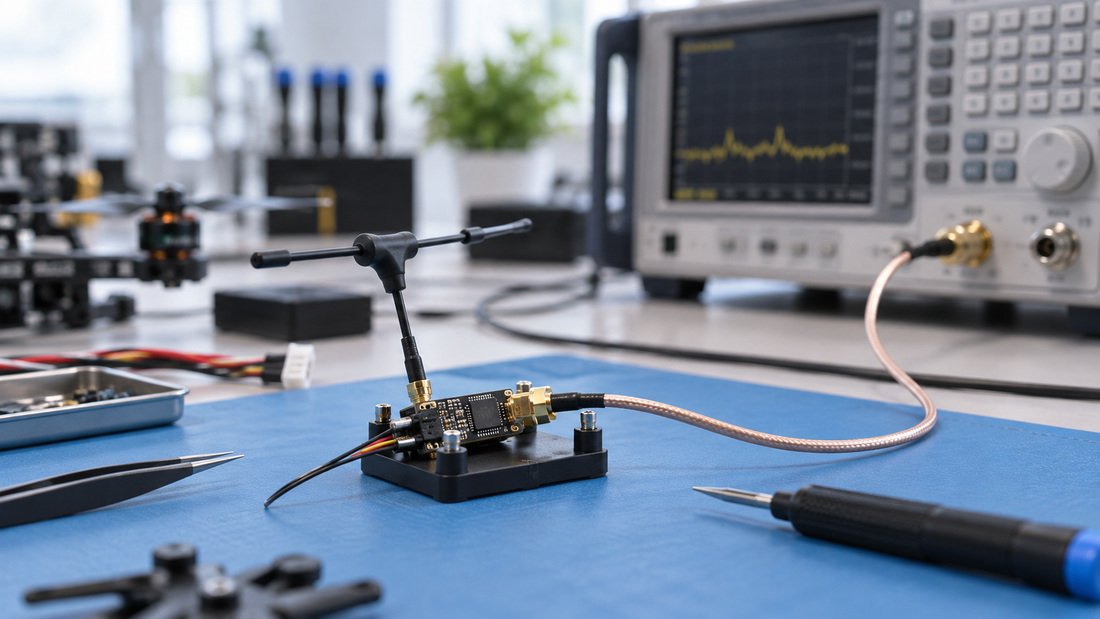
Product safety testing is the documented process of checking a product against defined safety, electrical, radio or performance criteria, usually by an accredited laboratory or by the manufacturer’s own controlled test bench. It proves that a specific sample met specific criteria on a specific date.
It does not prove that every unit will behave the same way, that the product is approved in your country, or that it is suitable for children of a particular age. Those are separate questions, and schools should ask them separately.
Two types of evidence are commonly confused:
- Type-test or design verification: a sample is tested once against a standard. Useful for design confidence.
- Routine or batch testing: checks repeated during production, such as radio link checks, battery charge/discharge checks or visual inspection. Useful for consistency.
A reliable supplier can explain which of these they do, at what frequency, and what happens to a unit that fails. If the answer is vague, treat it as a gap rather than a guarantee.
Which documents should a school ask to see?
Ask for a document pack tied to the exact product and revision you intend to order. A short, precise pack is more useful than a large folder of unrelated certificates.
| Document | What it tells you | What it does not tell you |
|---|---|---|
| Test report or certificate | Which criteria a sample met, when and by whom | That your national regulator accepts it, or that every unit matches |
| Material or component declaration | What key parts and materials are used | That finished product safety is fully covered |
| Battery documentation | Cell type, capacity, charging guidance | That misuse is impossible in a school setting |
| Inspection record | That checks were performed and what failed | That the checks were independently verified |
| Warranty statement | What is covered, for how long, and how to claim | Any warranty period unless it is stated in writing |
| Traceability code | Which batch or serial range a unit belongs to | Perfect isolation of every future defect |
Request the documents in the language your school’s safety officer or insurer can read, and confirm whether scanned copies are acceptable or original-stamped documents are required. Details such as validity, scope and whether a certificate can be shared publicly vary, so confirm them in writing.
How do standards, jurisdictions and school rules interact?
Product safety testing sits inside a wider compliance picture. A supplier that knows the difference between a test, a certification and a legal requirement is usually easier to work with.
Testing versus certification versus legal compliance
- Testing produces data about a sample.
- Certification is a third-party confirmation against a defined scheme.
- Legal compliance depends on the country where the product is placed on the market, imported or used.
No single report covers all three. Ask your supplier to state clearly which of the three each document represents.
Consumer warranty law is not a global school rule
In the United States, the Federal Trade Commission’s business guidance on the Magnuson-Moss Warranty Act explains that warranties are promises to stand behind a product, and it recognises both implied warranties and express written warranties. It also notes that the law does not require a written warranty, and that under most state law a seller who offers no written warranty may disclaim implied warranties.
That framework is US consumer-product law. It does not automatically apply to B2B transactions, to schools buying as institutions, or to buyers in other countries, and it does not define a school safety standard. Read the guidance at FTC: Businessperson’s Guide to Federal Warranty Law for the US context, then confirm your own jurisdiction’s rules and your school district’s procurement policy in writing.
Institutions should also ask their supplier how they support obligations such as radio equipment rules, battery shipping declarations and customs documentation. DPF publishes an overview of safety and compliance support for buyers who need to map documents to a specific destination market.
Why does traceability matter more than one impressive certificate?
Traceability is the ability to connect a delivered unit to a production batch, test record and date. It converts a failure into a defined problem: either the batch is affected, or it is not.
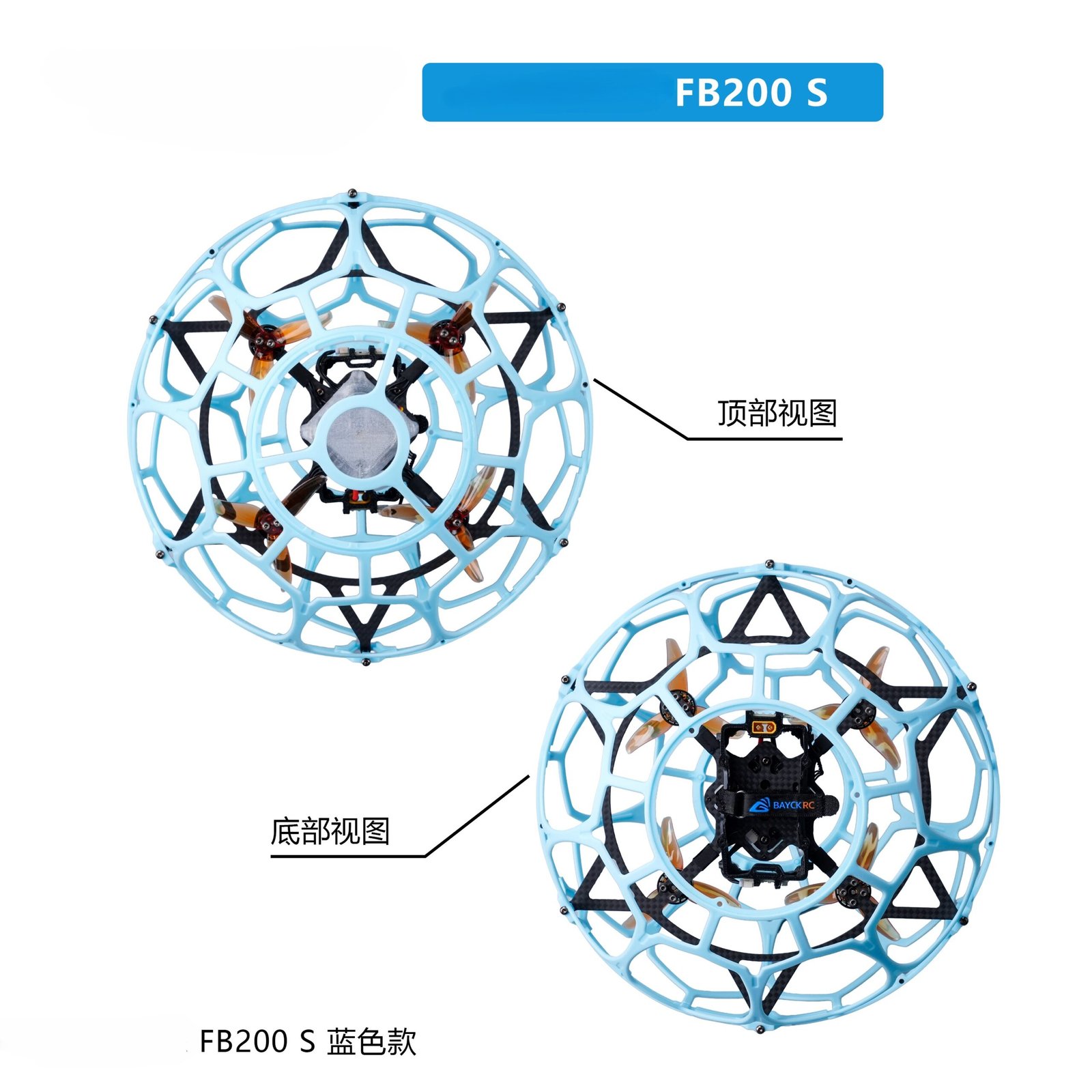
For a school running a drone soccer (BKZ) program with multiple teams, traceability affects practical decisions:
- Whether one team’s ball or airframe issue triggers a wider check of the kit.
- Whether a spare can be matched to an existing set.
- Whether a repair case can be assessed without returning everything.
Ask how codes are applied (label, print or packaging), whether the code appears on the invoice, and how long records are retained. If a supplier cannot answer, that is useful information in itself.
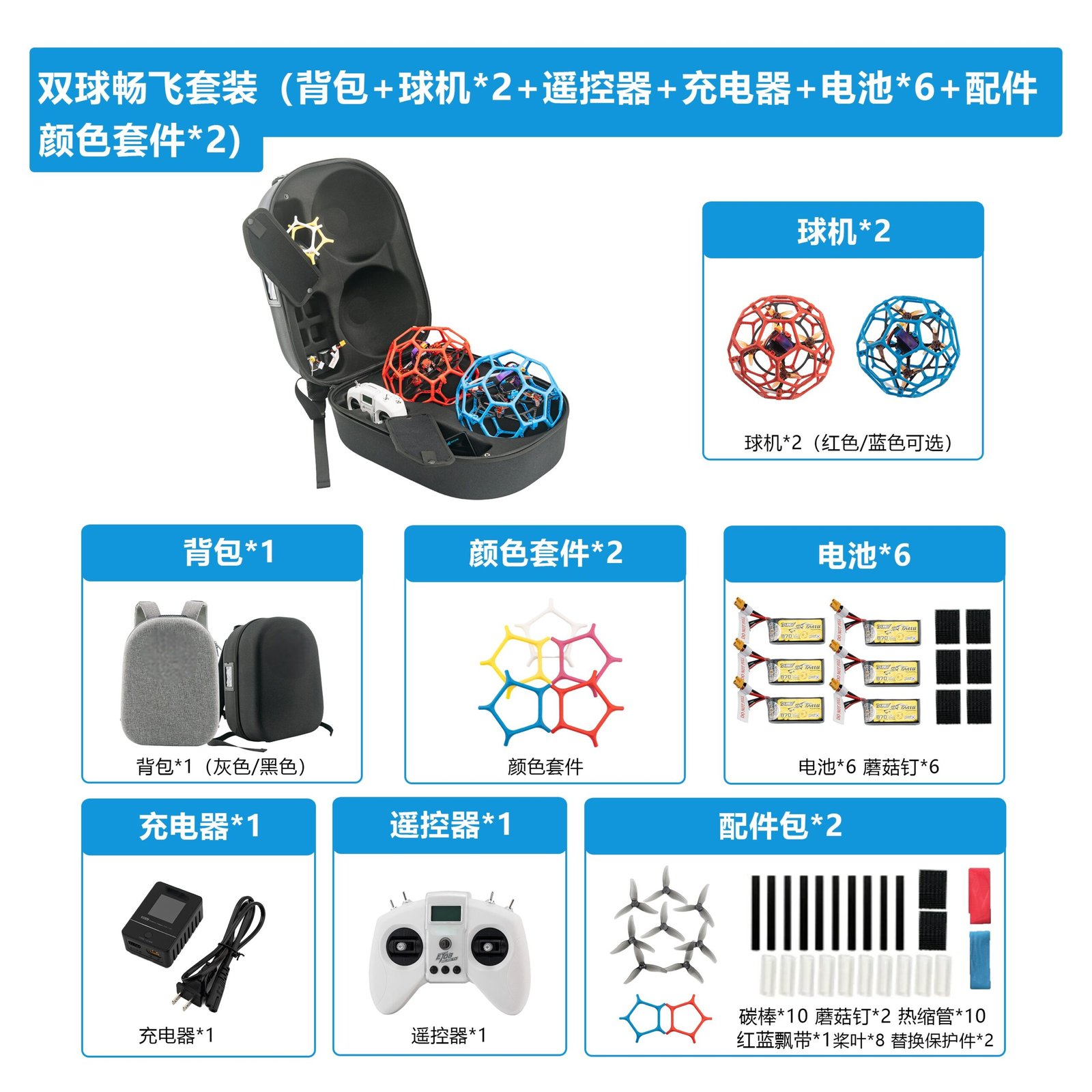
If you are evaluating a full program build, you can review how DPF approaches quality control and testing and inspection before you request samples. For program-level questions about kits, spares and documentation, contact the DPF team and describe your league size, age group and destination country.
How should a school compare two suppliers fairly?
Compare answers, not brochures. Give every candidate the same written question set and score the responses.
| Question | Strong answer looks like | Weak answer looks like |
|---|---|---|
| Which tests were run on this item? | Named criteria, sample identity, date, performer | “All products are tested” |
| Can I see a sample record? | Redacted record or sample pack offered | Refusal or delay without reason |
| What fails most often? | Specific, plausible failure modes | “Nothing ever fails” |
| How are repairs handled? | Written steps, spares availability, contact | Verbal promises only |
| What is the warranty term? | Stated in writing, with exclusions | Adjusted per conversation |
| Can we run a pilot? | Small order, defined evaluation window | Only large orders accepted |
Score each answer as documented, partially documented or undocumented. A supplier with modest claims and complete documentation is usually safer for a school than one with impressive claims and no records.
Common mistakes schools make when vetting suppliers
- Accepting a certificate for a different model, revision or accessory.
- Assuming a report is valid worldwide without checking the destination market.
- Ignoring battery handling, storage and charging guidance during evaluation.
- Buying purely on unit price while forgetting spares, shipping and repair logistics.
- Not asking who performs maintenance and whether students may legally do it.
- Failing to record the batch or serial code when equipment arrives.
- Relying on verbal warranty promises that never reach the purchase order.
Each mistake is avoidable with one written question. Add them to your request-for-quote template so the answers arrive before evaluation, not after delivery.
Buyer checklist: verifying a supplier before you order
- Define the item, revision and quantity precisely; ask for a quotation against that definition.
- Request test or inspection documentation that names the item, the criteria and the date.
- Ask which standards apply and confirm they are relevant to your country and use case.
- Confirm traceability method and where the code appears.
- Request written warranty terms, including exclusions, claim process and who pays return shipping.
- Ask for spare parts availability and typical replacement guidance for high-wear items.
- Request a sample or small pilot order and set a written evaluation period.
- Check how the supplier supports export documents, declarations and labelling.
- Confirm the named contact for quality and after-sales issues, plus response expectations.
- Record everything in the purchase order so verbal assurances become contractual text.
For teams that expect ongoing use, review how a warranty and after-sales program is structured and ask which parts of it apply to your region and order size.
Frequently asked questions
Does a test certificate guarantee a product is safe for students?
No. A certificate shows that a sample met defined criteria on a date. Safety in a school depends on the standard chosen, supervision, battery handling, storage and local rules. Treat the certificate as one input, not a conclusion.
Is a CE or similar mark enough evidence for a school purchase?
A mark indicates a declaration of conformity within a defined legal framework. It does not replace an item-level test report, and its relevance depends on your market. Ask the supplier to explain exactly which framework applies and what documentation supports the mark.
What if the supplier cannot share a full test report?
Ask for a redacted summary, a declaration of conformity, or a sample record instead. If nothing can be shared, document that and weigh it against the risk. Some buyers accept this for low-risk accessories and not for powered equipment.
How do we verify reliability without a formal audit?
Use a structured questionnaire, a paid sample, a small pilot order and a reference check. Consistency across documents, samples and answers is a practical reliability signal that most schools can evaluate without travelling.
Can warranty terms be different for schools than for consumers?
Yes. Warranty law and practice differ by jurisdiction and by whether the buyer is a consumer or an institution. Do not assume consumer protections transfer automatically. Ask for the term that applies to your purchase, in writing, on the quotation.
How long should a supplier keep batch records?
This varies by product, market and internal policy. Ask for the retention period in writing, and check that it covers at least your expected program duration plus a reasonable service window.
Should we buy spares with the first order?
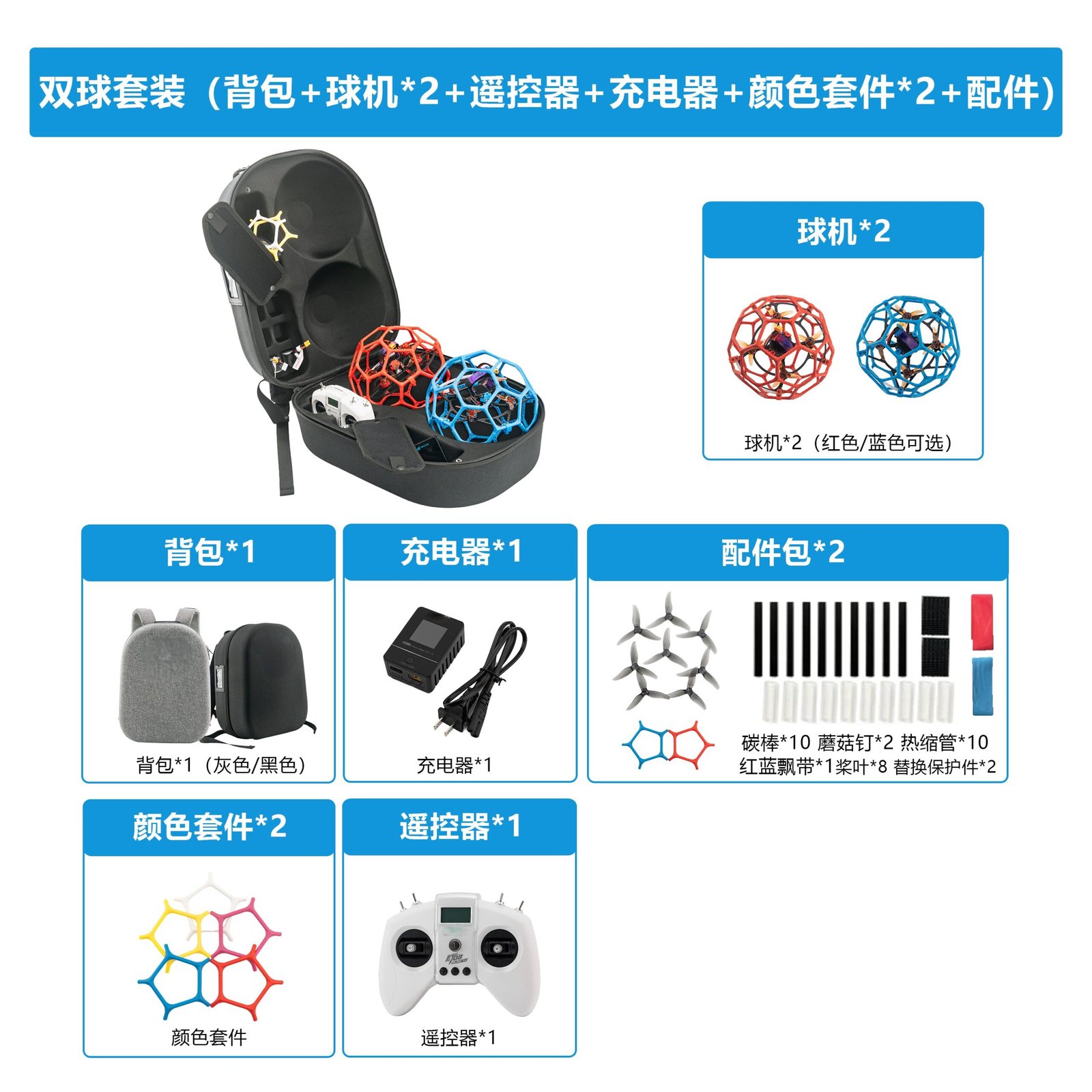
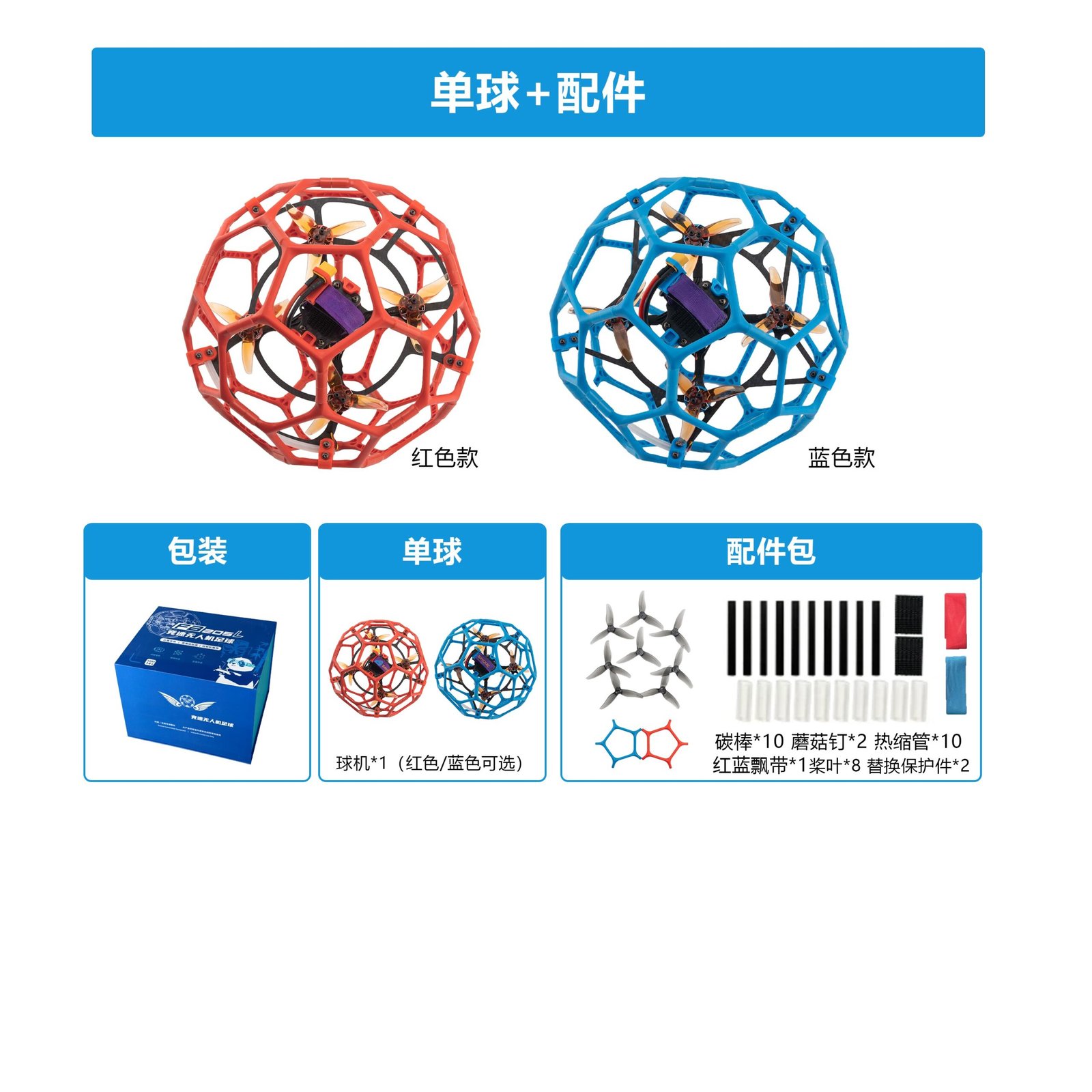
For team programs, spare balls, propellers and batteries are common wear items. Ask which parts the supplier recommends holding and whether they can be shipped with the initial order to reduce later lead time.
Conclusion: reliability is a paper trail you can question
A supplier proves reliability to schools by answering specific questions with specific documents. Ask which tests were run, on which item, by whom, and when. Ask how batches are traced, how failures are handled, and what the written warranty says. Then verify with a sample or pilot before committing a full program budget.
No document proves perfect safety, and no warranty removes the need for supervision and training. What good documentation does is give your school a defensible record, a defined remedy path and a supplier who can be held to the same standard next season.
Ready to evaluate drone soccer (BKZ) equipment for your school or league? Request a School Program Quote and include your age group, team count, destination country and the documentation you need to see.