Quick summary
Propellers are tested for safety and durability through a documented mix of incoming material checks, dimensional inspection, static and dynamic balance checks, spin or load testing, fatigue and impact checks, and batch-level inspection. For school and drone soccer programs, the practical question is not whether a supplier says “tested,” but which tests are performed, on which samples, with what acceptance limits, and how results are recorded and reported. This article explains the test types, trade-offs, and the written evidence schools and procurement teams should request before ordering.
Key Takeaways
- Propeller testing usually combines material and dimensional checks, balance measurement, spin/load testing, and durability checks such as repeated flexing or impact.
- Safety-critical failures in youth programs are often blade detachment, cracking, or imbalance-induced vibration, so those should be the focus of verification questions.
- “Tested” is not a specification. Ask which test, sample size, acceptance criteria, and whether it is done per batch or per design.
- Balance and fit checks matter as much as strength testing because they affect vibration, motor load, and handling for young pilots.
- Record-keeping and traceability let schools match a delivered batch to test records and handle issues consistently.
What does “product safety testing” mean for drone propellers?
Product safety testing for propellers means checking that a propeller will not fail in ways that could injure users, damage the aircraft, or cause uncontrolled behavior during flight. It is not a single test. It is a set of checks applied at different stages: material verification, dimensional accuracy, balance, spin behavior, and durability under repeated or abnormal use.
For schools and youth drone soccer programs, the safety focus is specific. Propellers spin near hands during setup, repairs, and crashes. A blade that cracks, flexes excessively, or detaches can become a projectile or cause vibration that stresses motors and mounts. Testing should therefore target the failure modes that matter in that environment, not only peak performance.
Durability testing is related but distinct: it asks how long a propeller maintains acceptable geometry, balance, and strength under normal use and handling. A propeller can pass a one-time safety check and still wear out quickly. Both dimensions matter when selecting propellers for a training fleet that may be handled by many students.
Which tests are commonly used, and what do they check?
Common propeller tests fall into five groups: material and dimensional checks, balance measurement, spin or load testing, durability testing, and batch inspection. Suppliers may combine or rename these, so the useful approach is to ask what each test actually measures and what happens when a sample fails.
Material and dimensional inspection
Material checks verify that the propeller is made from the specified resin or composite and that key properties such as stiffness and impact resistance are consistent. Dimensional inspection measures blade length, hub bore, thickness, pitch-related geometry, and mounting features. These checks matter because a propeller that does not fit the motor shaft or mount correctly can wobble, vibrate, or loosen.
For buyers, the key question is whether dimensions are checked against a drawing with stated tolerances, and whether records are kept per batch. Ask for the drawing revision and the inspection method used.
Balance testing
Balance testing measures whether the propeller’s mass is distributed evenly around its axis. An unbalanced propeller produces vibration that can loosen fasteners, stress motor bearings, and make the aircraft harder to control. In a school setting, vibration also accelerates wear on mounts and frames.
Balance can be checked statically (without spinning) or dynamically (during rotation). Ask which method is used, what imbalance limit is acceptable, and whether every propeller or only a sample is checked. If only a sample is checked, ask how the batch is accepted or rejected.
Spin and load testing
Spin testing runs the propeller at operating speed, often on a test rig, to check for vibration, deformation, and abnormal noise. Load testing may apply thrust or bending loads to simulate flight forces. These tests help reveal weaknesses that static inspection cannot show, such as blade flex or hub cracking under rotation.
Ask whether spin testing is done on the propeller alone or as part of a motor-propeller assembly, because mounting and motor balance affect results. Also ask what speed range is used and whether it covers the intended flight envelope with margin.
Durability and fatigue testing
Durability testing repeats stress cycles to see how the propeller degrades over time. Examples include repeated flexing of blades, repeated mounting and removal, and impact tests that simulate a crash or a drop. Fatigue testing looks for cracks or stiffness loss after many cycles.
These tests are usually sample-based because they are time-consuming and may destroy samples. The useful questions are how many cycles were run, what failure was considered unacceptable, and whether the tested sample matched the production version.
Batch inspection and outgoing checks
Batch inspection applies selected checks to production lots. It may include visual inspection for flash, voids, or cracks; dimensional spot checks; balance spot checks; and fit checks on motor shafts. The purpose is to catch drift between design validation and mass production.
Ask for the sampling plan, the acceptance criteria, and how nonconforming batches are handled. A written procedure is more useful than a verbal assurance.
How do safety testing and durability testing differ?
Safety testing asks whether a propeller can cause harm under defined conditions, while durability testing asks how long it remains acceptable under use. They overlap but answer different questions. A propeller can be safe when new but degrade quickly; another can be durable but have a sharp edge or poor balance that creates risk.
| Dimension | Safety testing focus | Durability testing focus |
|---|---|---|
| Primary question | Can it fail dangerously? | How long does it stay within limits? |
| Typical checks | Balance, spin behavior, blade attachment, edge and finish inspection, impact resistance | Repeated flexing, mounting cycles, fatigue, wear of hub and blades |
| Sample approach | Often design validation plus batch spot checks | Often sample-based cycle testing |
| Pass criteria | No cracking, detachment, or excessive vibration under defined conditions | Geometry, balance, and strength remain within stated limits after defined cycles |
| Buyer evidence | Test method, acceptance limits, inspection records | Cycle count, failure definition, sample traceability |
Neither test replaces the other. For a school fleet, ask for both, and ask how the results connect to the batch you will receive.
What should schools and drone soccer programs ask before buying?
Schools and youth programs should ask for written confirmation of test scope, acceptance criteria, and batch traceability. Because program needs vary, treat the following as a practical checklist rather than a standard that every supplier must meet identically.
- Which tests are performed on the propeller design, and which are performed on each production batch?
- What are the acceptance limits for balance, dimensions, and spin vibration?
- How many samples are tested, and how were they selected?
- Are test records linked to a batch or lot number that appears on the packaging or invoice?
- What happens if a batch fails inspection — is it reworked, rejected, or shipped with a concession?
- Are propellers checked for fit on the specific motor shaft or mount used in the program?
- Are edges and surfaces free of flash or sharp areas that could cut hands during handling?
- Is there a written procedure for handling field failures or safety complaints?
For OEM or ODM purchases, also ask how design changes are re-tested and whether the production version matches the tested version. DPF’s testing and inspection process is one place to start that conversation, and the broader quality control approach should explain how batch records are kept.
Common mistakes buyers make when evaluating propeller testing
Buyers often accept vague claims or focus on the wrong evidence. The most common mistakes are avoidable with a short list of written questions.
- Treating “tested” as a specification. Without a named test, limit, and sample basis, the word carries little procurement value.
- Ignoring balance. Balance affects vibration, motor load, and handling; it deserves the same attention as strength.
- Assuming design validation covers every batch. Design tests and production batch checks answer different questions.
- Not matching the propeller to the motor and mount. A well-tested propeller can still perform poorly if fit is wrong.
- Skipping field-failure procedures. Schools need a clear way to report cracks, detachment, or unusual vibration.
- Overlooking handling safety. Sharp edges and poor finish are handling risks even if the propeller passes spin tests.
These are general guidance points, not findings about any specific supplier.
How does this apply to drone soccer and youth training fleets?
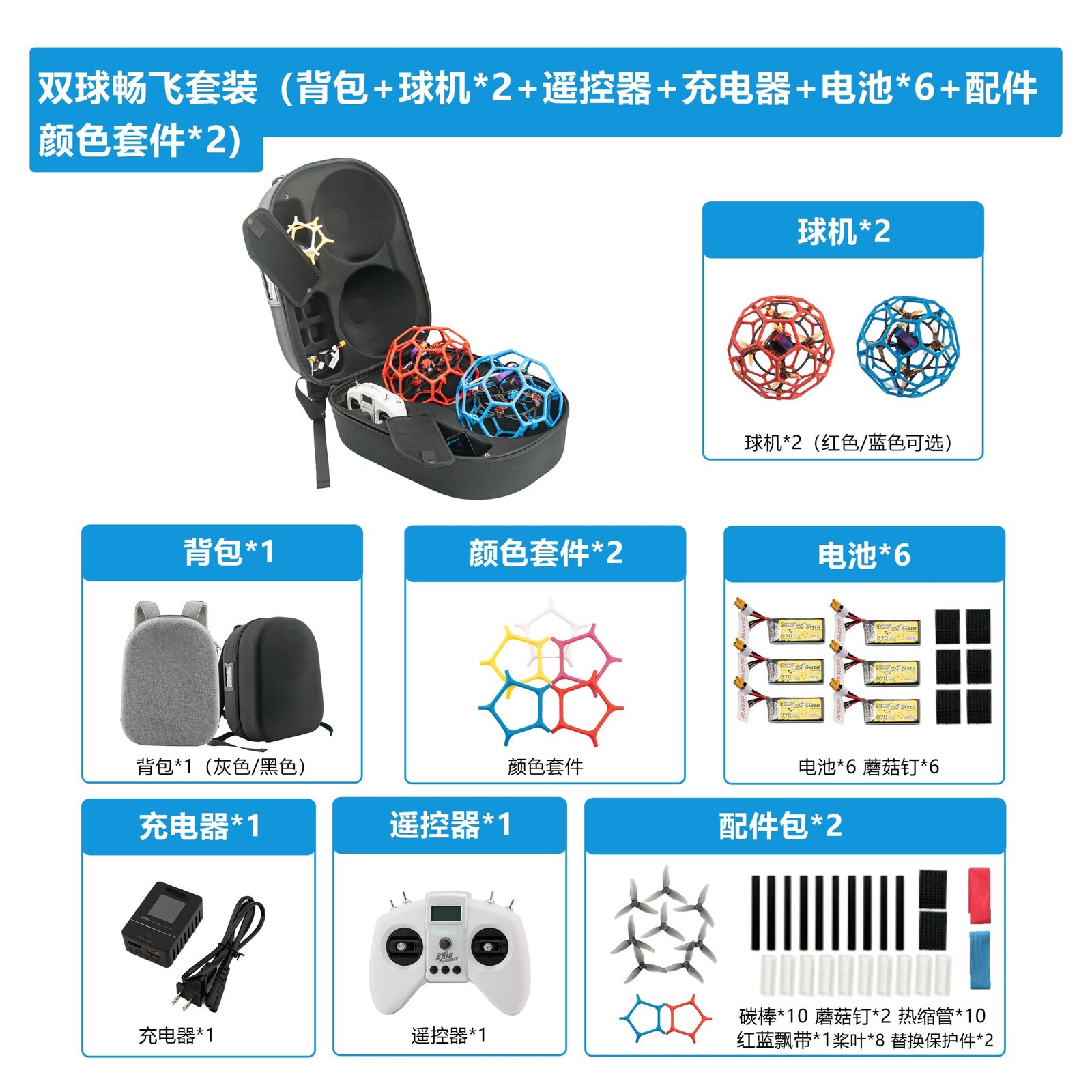
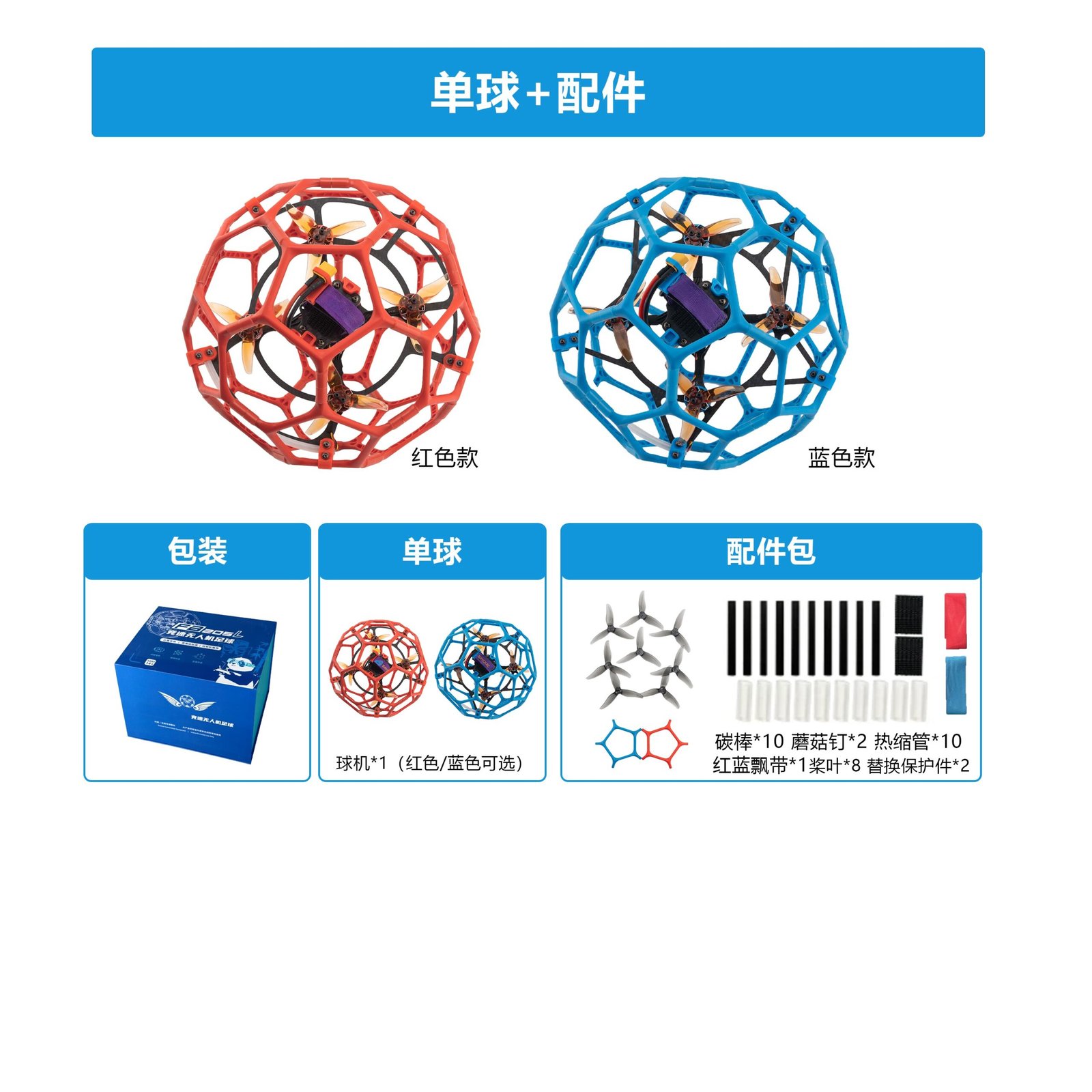
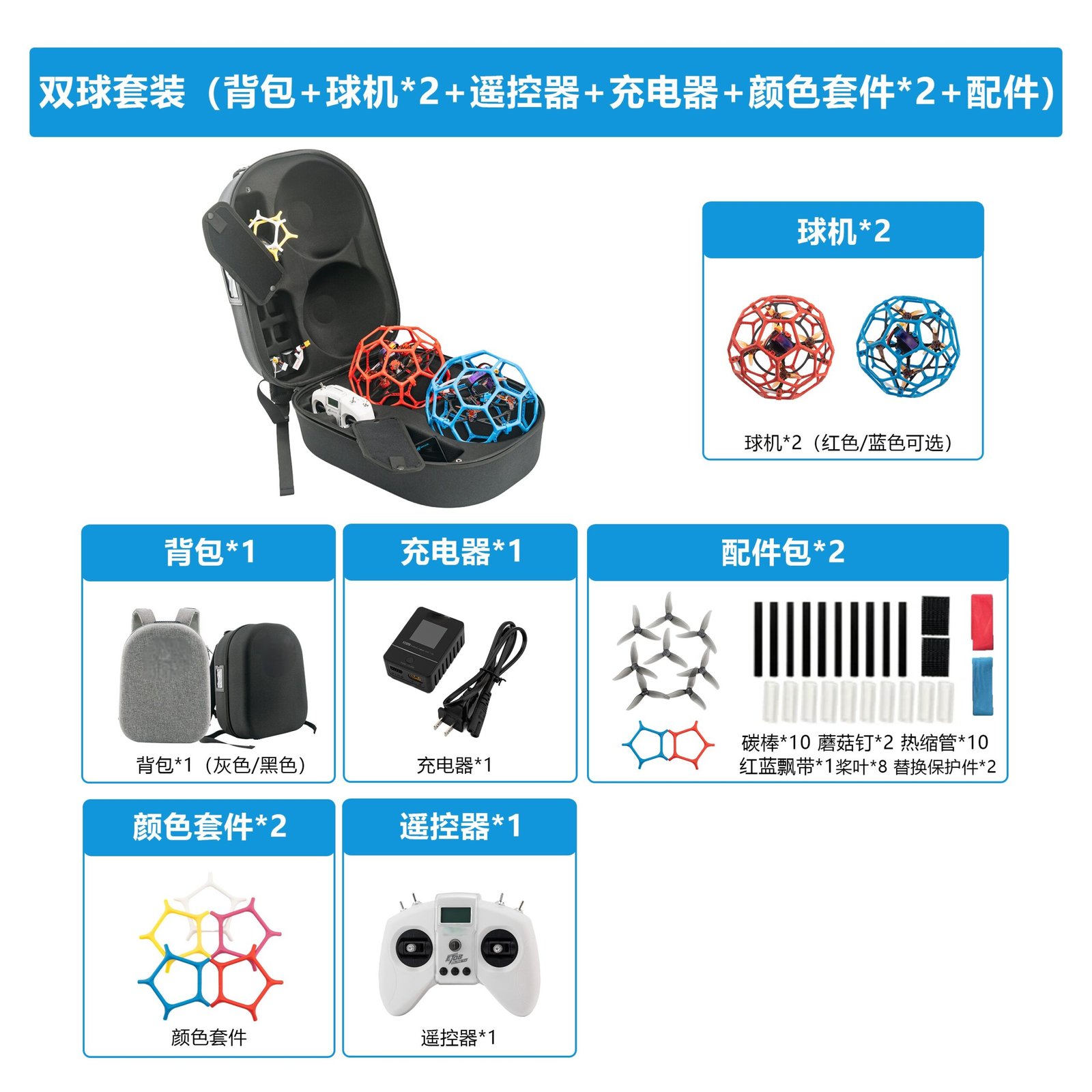
Drone soccer places propellers inside protective cages, but that does not remove the need for testing. Cages reduce direct contact risk, yet repeated collisions, frequent handling, and tight team budgets make durability and consistent balance especially important. A fleet of school drones may be flown, charged, repaired, and packed by many students.
For a program like DPF’s drone soccer (BKZ) product line, ask how propellers are inspected before shipment, whether spare propellers come from the same batch, and how students should check for cracks or imbalance during routine maintenance. Balance matters for smooth flight and motor life; cage fit matters for avoiding vibration and loosening.
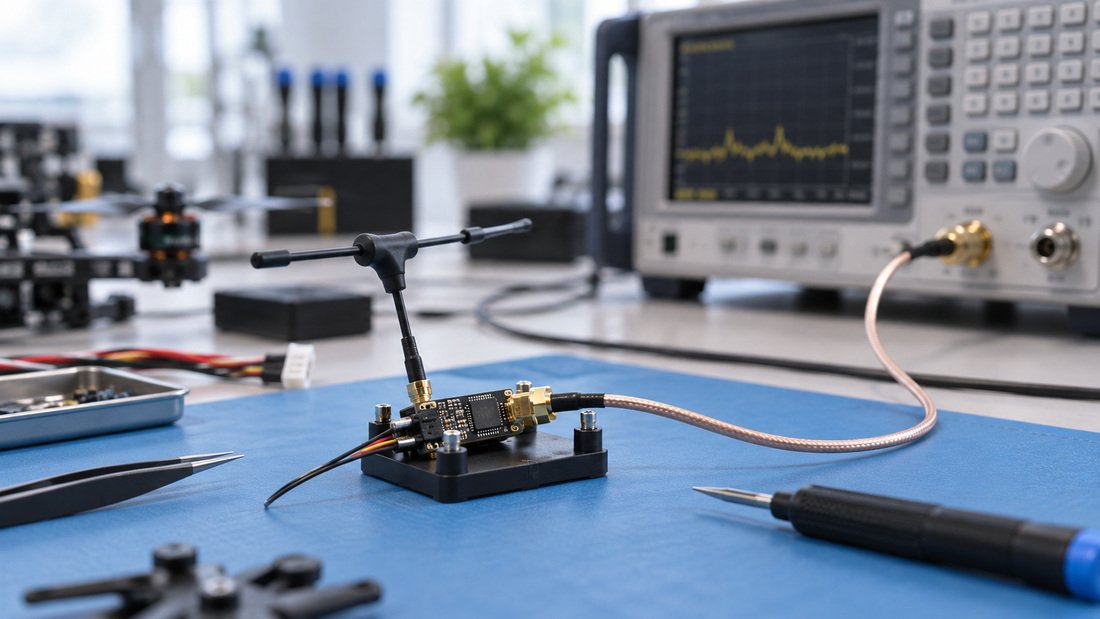
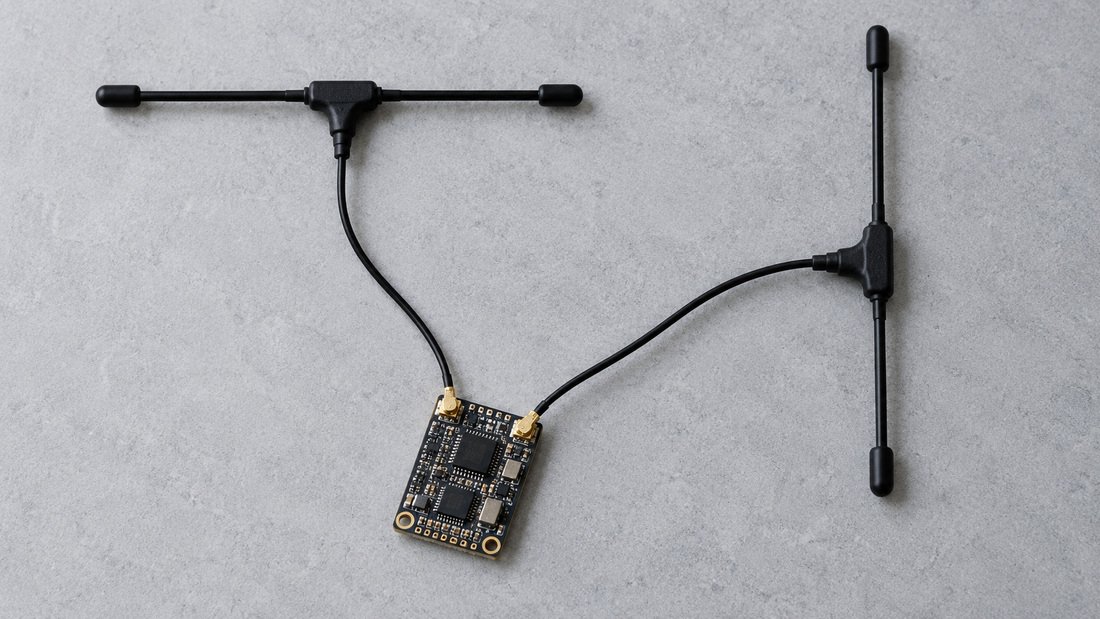
If your program includes radio links and receivers, similar verification questions apply to those components. The safety and compliance support page can help frame the documentation request, and the warranty and after-sales program is relevant when defining how failed parts are handled.
Planning a school program or team order? Bring your questions about propeller testing, batch records, and spare parts to our team. Request a School Program Quote and we can discuss what to confirm in writing for your fleet.
Procurement checklist: what to confirm in writing
Use this checklist to turn a general conversation into verifiable procurement terms. It separates general expectations from supplier-specific terms that should be confirmed in a quotation, specification sheet, or contract.
- Propeller specification: dimensions, material, intended motor and mount, and revision number.
- Test list: which safety and durability tests are performed and at what stage.
- Acceptance criteria for balance, dimensions, and spin checks.
- Sampling plan and batch acceptance/rejection rules.
- Traceability: how test records link to the delivered batch.
- Handling and finish requirements: no sharp edges, flash, or visible defects.
- Spare parts and replacement process for field failures.
- Documentation language and format suitable for school procurement files.
Commercial terms such as minimum order quantity, lead time, and warranty period should be requested and confirmed in writing for your specific order. They are not universal, so do not rely on general website statements alone.
Frequently asked questions
Are all propellers tested individually?
Not necessarily. Some checks may be applied to every unit, while destructive or time-consuming tests are usually sample-based. Ask which is which for your order and what happens when a sample fails.
What is the most important test for school safety?
There is no single test. For youth programs, balance, blade attachment, finish, and impact resistance are all relevant because they address vibration, detachment, handling cuts, and crash damage. The right mix depends on the aircraft and how it is used.
Does a protective cage make propeller testing unnecessary?
No. A cage reduces some contact risks, but propellers still spin, flex, and experience collisions. Testing for balance, cracking, and attachment remains relevant.
How can a school verify batch traceability?
Ask for a batch or lot number on the packaging or invoice and a written description of how test records are linked to that number. Confirm this before placing the order.
What should we do if a propeller cracks in use?
Stop using it and follow the supplier’s written field-failure procedure. Ask in advance how failures should be reported and what replacement or investigation process applies.
Can we request testing documentation for an OEM project?
You can request it. Specify which tests, acceptance criteria, and records you need, and ask for them to be included in the quotation or specification. Confirm what is available before committing to a design.
Does a higher price guarantee better propeller testing?
No. Price reflects many factors. The reliable approach is to ask for test scope, limits, sampling, and records for the specific product you are buying.
Conclusion
Propeller safety and durability testing is a set of checks, not a single label. For schools, youth programs, and drone soccer teams, the most useful procurement step is to ask specific questions about balance, attachment, finish, impact resistance, batch sampling, and traceability — then confirm the answers in writing. Distributors and OEM buyers should apply the same discipline to design validation and production consistency.
If you are preparing a school program or team order, start with a written list of your testing and documentation requirements. Request a School Program Quote to discuss your fleet, spare parts, and what to confirm for your order.