Quick summary
Protecting the flight controller inside a drone soccer ball cage means mounting it so it stays isolated from impact, vibration and debris while still getting airflow and secure connections. In practice: use a soft-mounted stack or vibration-damped plate, keep wiring strain-relieved, protect the board from prop strikes and ball contact, and inspect the cage and mounts after every match. The cage absorbs much of the energy, but the flight controller still needs a stable, cushioned home.
Key Takeaways
- The drone soccer ball cage and structure protects the drone, but the flight controller inside still needs its own soft mounting and strain relief.
- Vibration damping, secure stack screws and clean wiring reduce flight controller stress and intermittent faults.
- Choose a frame and cage design that gives the flight controller clearance from moving parts and impact zones.
- Inspect mounts, screws and cables after every match; replace damaged protective shells and dampers promptly.
- For team purchases, confirm mounting compatibility, spare parts and documentation with your supplier in writing.
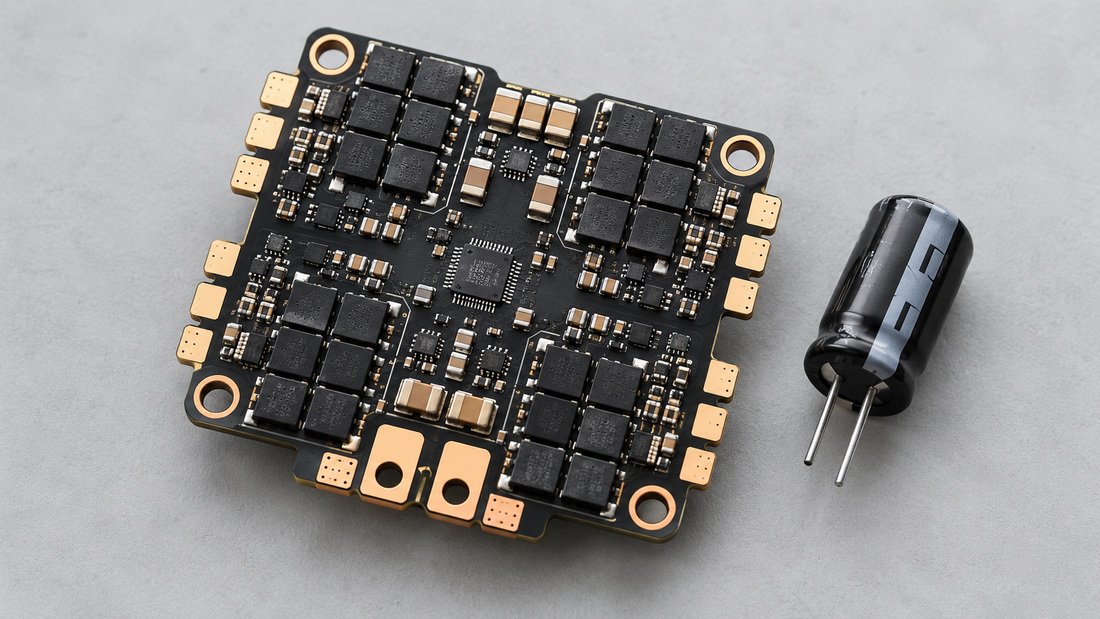
Drone soccer is a fast, contact-heavy sport. The ball cage is designed to take hits, but the electronics inside still experience shock, vibration and debris. The flight controller is a small computer that reads sensors, computes motor commands and keeps the craft stable. Betaflight, a common open-source flight control software, describes the flight controller as reading gyro, accelerometer and other sensors and sending commands to the ESC to control the motors [1]. Because those sensors are sensitive to vibration, protecting the board is not just about avoiding breakage; it is also about preserving flight performance.
This guide is written for clubs, schools and teams that maintain their own fleet, and for distributors and event organizers who need reliable, repeatable setups. It focuses on the drone soccer ball cage and structure as the first line of defense, then explains how to protect the flight controller inside that cage.
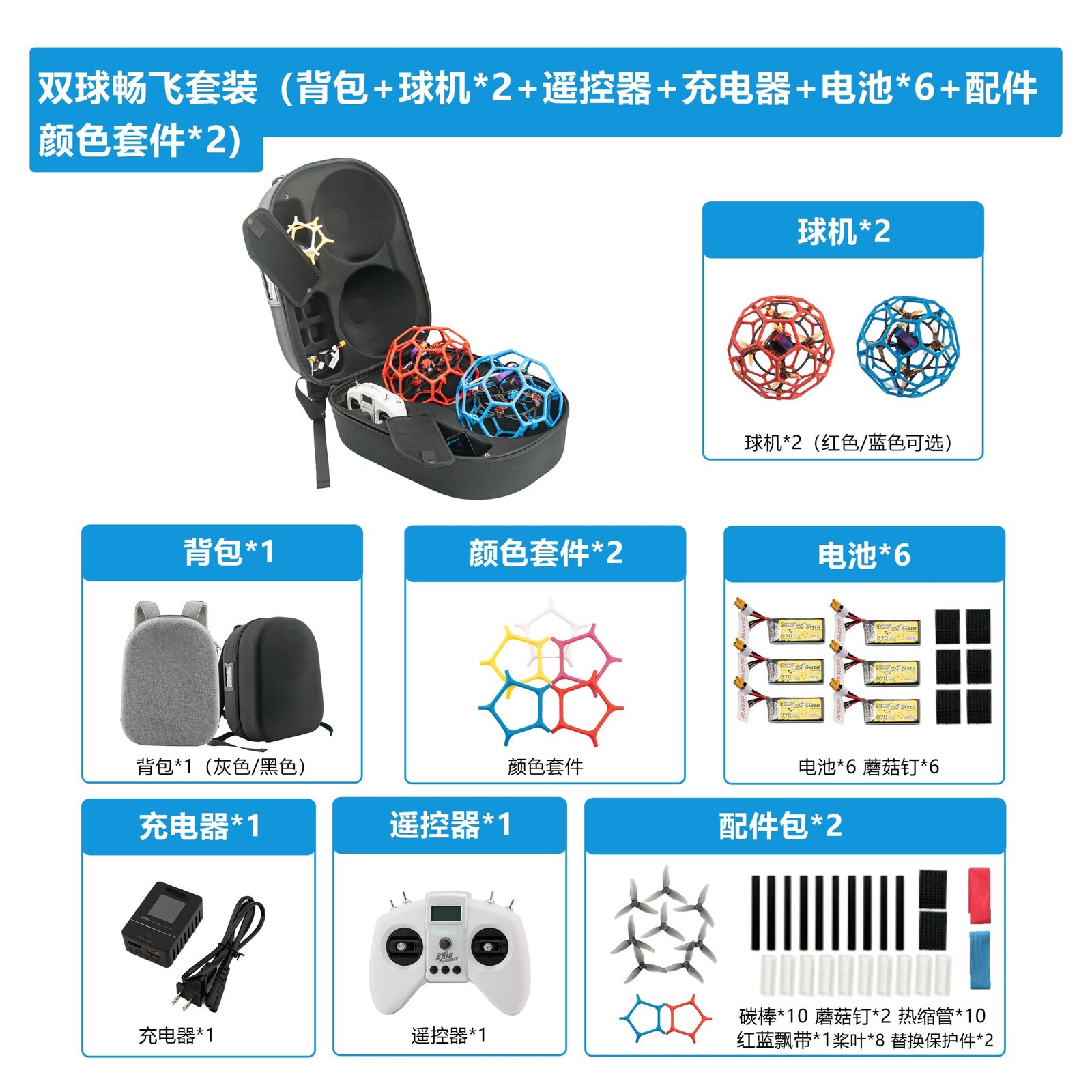
How does the drone soccer ball cage and structure protect the flight controller?
The cage and frame take the impact, but the flight controller must be mounted so it does not absorb that energy. A well-designed drone soccer ball cage and structure keeps the electronics away from the outer shell, limits flex around the stack, and gives the flight controller a stable platform. The cage is the outer armor; the mounting system is the inner suspension.
Impact path and clearance
When the ball hits a wall or another drone, energy travels through the cage and frame. The flight controller should not be directly in that path. Look for a frame where the flight controller sits on a plate that is isolated from the cage struts, with enough clearance so the board cannot contact the shell or moving parts during flex. If the cage can deform enough to touch the flight controller, add a barrier or choose a different frame layout.
Vibration and sensor performance
Gyroscopes and accelerometers are sensitive to vibration. Soft mounting the flight controller or its stack reduces the vibration that reaches the sensors. Many builders use rubber grommets, silicone pads or dedicated soft-mount plates. The goal is to isolate the board from frame resonance without making it so loose that it moves during impacts.
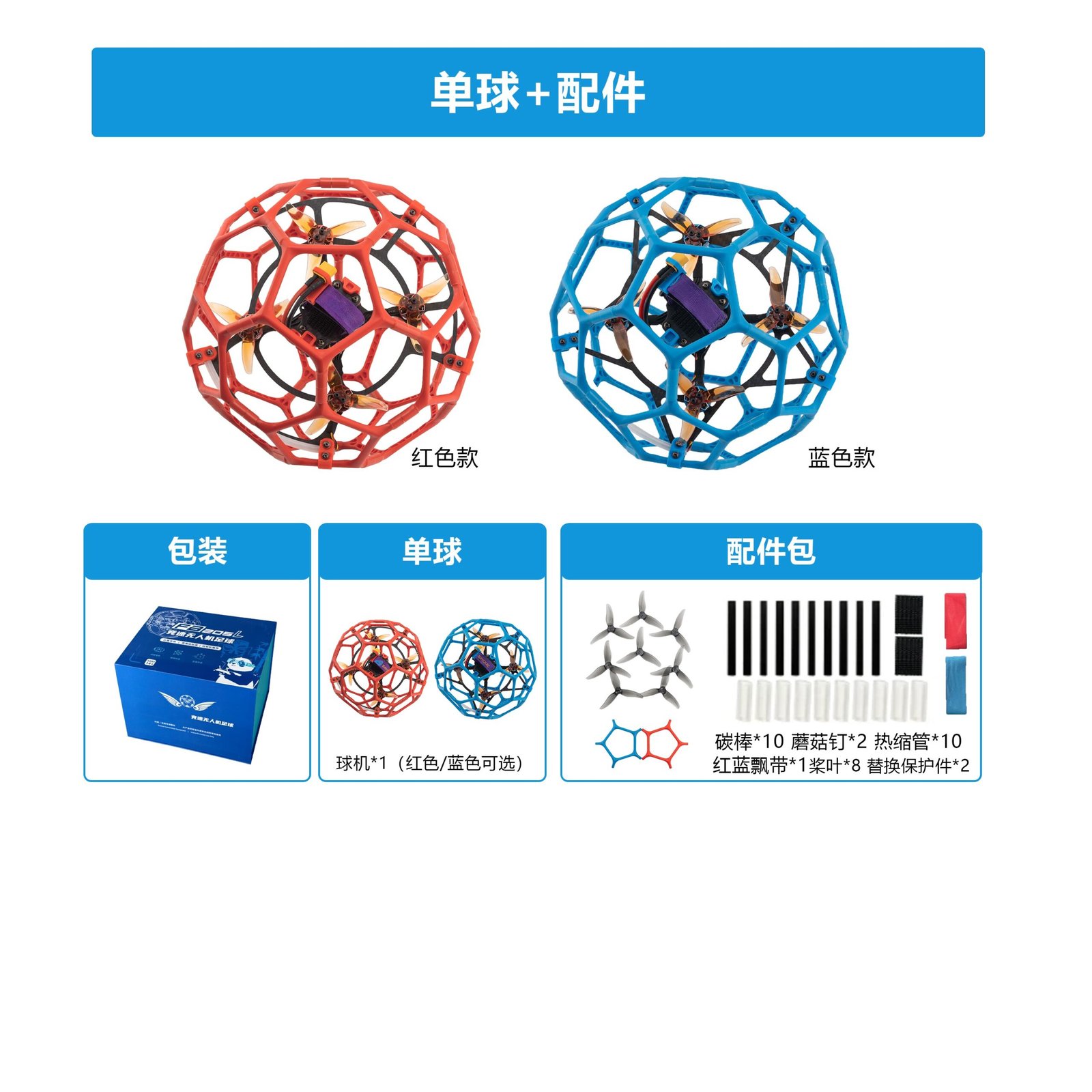
Airflow and debris
The flight controller generates heat, and the cage can trap air. Ensure there is some airflow through the cage, and keep the board away from areas where grass, dust or foam can collect. Debris can bridge connections or block sensors. A clean, dry interior is part of protection.
Practical protection checklist for teams and schools
Use this checklist when building or maintaining a drone soccer fleet. It separates general best practice from items you should confirm with your supplier.
| Area | General guidance | What to confirm with your supplier |
|---|---|---|
| Mounting | Use soft mounts or damped plates; ensure screws are snug but not crushing the board. | Recommended mounting hardware and torque for the specific frame. |
| Clearance | Keep the flight controller clear of cage struts and moving parts. | Dimensions and internal clearance of the drone soccer ball cage and structure. |
| Wiring | Strain-relieve cables; avoid tight bends near the flight controller. | Connector types and cable lengths supplied with the kit. |
| Protective shells | Inspect shells for cracks; replace damaged parts. | Availability of protective shells and other spares. |
| Spares | Keep spare dampers, screws and cables. | Spare parts list and recommended stock levels. |
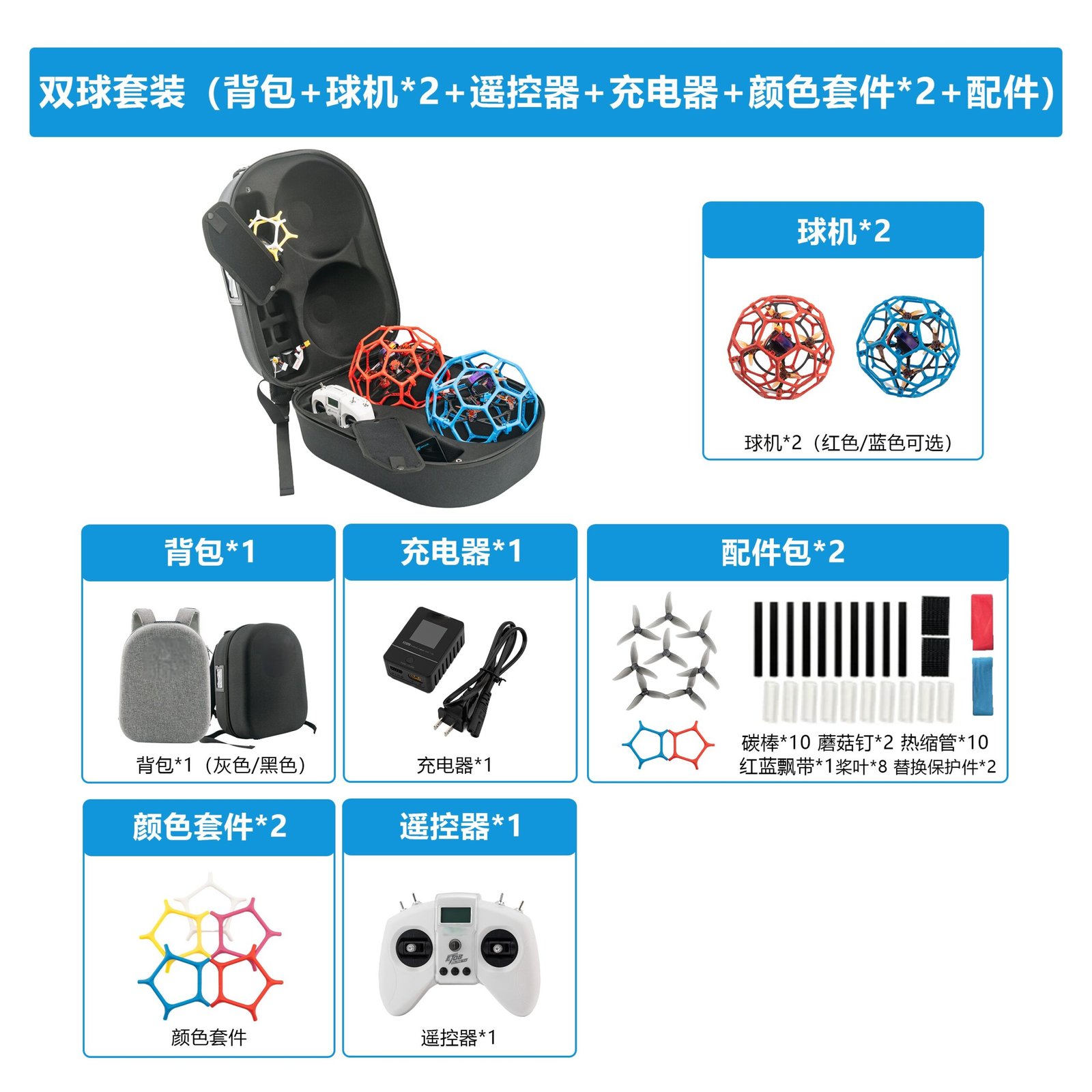
For teams that need replacement parts, DPF offers a range of drone soccer replacement parts. Confirm compatibility with your frame and cage before ordering.
How do you mount the flight controller for impact resistance?
Mount the flight controller on a soft-mounted stack or plate, with screws that are tight enough to hold position but not so tight that they compress the board or bypass the damping. Use nylon or rubber grommets where appropriate, and ensure the board cannot slide or rotate. A common mistake is over-tightening screws, which transmits vibration directly to the sensors.
Soft mounting options
There are several approaches: rubber grommets under the stack, silicone O-rings, or a dedicated soft-mount plate. Each has trade-offs. Rubber grommets are common and inexpensive, but they can wear out. Silicone pads may offer different damping characteristics. The right choice depends on your frame and how much shock your team generates. Test a few configurations and inspect them regularly.
Stack screws and threadlock
Stack screws should be secured so they do not back out during vibration. Use a small amount of threadlock if the manufacturer recommends it, but avoid getting threadlock on plastic parts that may become brittle. Check screw length; a screw that is too long can contact the board or short components.
Wiring and connector protection
Wiring is often the weakest link. A cable that is pulled tight can transmit vibration to the flight controller or pull a connector loose during impact. Route cables with a little slack, secure them with tape or ties away from the board, and avoid sharp bends near solder joints. Strain relief at the connector is especially important for the battery and ESC leads.
Use connectors that lock if available, and inspect them after every match. A partially seated connector can cause intermittent faults that look like flight controller problems. Keep spare cables and connectors in your team kit.
Common mistakes that expose the flight controller
- Over-tightening stack screws and crushing soft mounts.
- Leaving the flight controller exposed to prop strikes or cage contact.
- Routing wires so they pull on the board during impacts.
- Skipping post-match inspections, so small cracks become failures.
- Using damaged protective shells that no longer absorb energy correctly.
- Mixing mounting hardware that is too long or too short.
These mistakes are common in school programs where many students build and repair drones. A short build checklist and a post-flight inspection routine can prevent most of them.
Buyer checklist for clubs and distributors
Before ordering frames or replacement parts, confirm the following with your supplier. This checklist helps you compare options and avoid compatibility surprises.
- Does the frame or cage design provide clearance around the flight controller?
- What mounting hardware is included, and is it compatible with your flight controller size?
- Are soft-mount parts available as spares?
- Are protective shells and cage components sold separately?
- Is documentation available for assembly and maintenance?
- What is the recommended inspection interval for club use?
- Can the supplier provide a spare parts list for team kits?
For clubs building a fleet, DPF offers drone frames and propulsion combo kits that can be considered alongside drone soccer systems. Confirm specifications and compatibility directly with DPF.
Maintenance routine for schools and clubs
A simple routine after each session helps protect the flight controller. First, inspect the cage and protective shells for cracks or deformation. Second, check that the flight controller is secure and that soft mounts are not compressed or torn. Third, look for loose screws and strained cables. Fourth, clean out debris. Fifth, log any issues so they can be addressed before the next match.
For schools, this routine can be part of the student build and maintenance curriculum. Teaching students to inspect and care for the drone soccer ball cage and structure reinforces good engineering habits.
When to replace parts
Replace protective shells, cage components and soft mounts when they show cracks, tears or permanent deformation. A damaged shell may no longer absorb energy as intended, putting the flight controller at greater risk. Keep a small stock of spares so a damaged part does not sideline a team.
If a flight controller shows intermittent faults after an impact, inspect the board for cracked solder joints or damaged components. In some cases, replacement is more reliable than repair, especially in a school setting where safety and consistency matter.
Frequently asked questions
Can I use any flight controller in a drone soccer ball cage?
Not necessarily. Size, mounting pattern and connector layout vary. Confirm that the flight controller fits the frame and that the cage provides clearance. Your supplier can provide dimensions.
Do I need soft mounting?
Soft mounting is commonly used to reduce vibration reaching the gyro and accelerometer. It is especially useful in contact sports where impacts and vibrations are frequent. The best configuration depends on your frame and flight controller.
How often should I inspect the flight controller mounting?
Inspect after every match or practice session. Look for loose screws, compressed or torn dampers, and strained cables. Replace worn parts promptly.
What is the biggest risk to the flight controller inside the cage?
Impact energy transmitted through the frame and vibration are the main risks. Wiring strain and debris are also common causes of faults. The cage helps, but mounting and maintenance matter.
Can students perform this maintenance?
With proper supervision and clear instructions, students can perform basic inspections and replace soft mounts or protective shells. More complex repairs should be handled by an adult or technician.
Where can I get spare protective shells?
DPF lists protective shells and other drone soccer replacement parts. Confirm compatibility with your model before ordering.
Does Betaflight help protect the flight controller?
Betaflight is flight control software, not a physical protection. It runs on the flight controller and depends on sensor data. A well-protected, low-vibration installation helps Betaflight perform as intended. Betaflight support for specific boards comes from the manufacturer [1].
Conclusion and next step
Protecting the flight controller inside a drone soccer ball cage and structure comes down to good mounting, strain relief, clearance and regular inspection. The cage absorbs the big hits; the mounting system protects the electronics from the smaller shocks and vibrations that cause intermittent faults. For teams, schools and clubs, a simple maintenance routine and a small spare parts stock can keep the fleet flying.
If you are equipping a team or planning a program, DPF can help you review frame, cage and replacement part options. To discuss your requirements and request a team kit quote, visit Request a Team Kit Quote.
[1] Betaflight documentation, Getting Started: https://betaflight.com/docs/wiki/getting-started