Quick summary
For drone soccer parts used by schools and youth programs, three chemical regimes matter most: RoHS restricts hazardous substances in electrical and electronic equipment, REACH governs chemicals placed on the EU market, and CPSIA imposes US chemical and testing duties for children’s products. Whether each applies depends on the part’s function, the buyer’s market, and who the product is intended for. Batteries and radio modules add transport and radio rules on top; lithium batteries also face air-transport limits such as 100 Wh per battery, 2 g lithium metal, and carry-on-only spare batteries (see FAA guidance: https://www.faa.gov/hazmat/packsafe/lithium-batteries).
Key Takeaways
- RoHS is an EU restriction on hazardous substances in electrical and electronic equipment; REACH covers chemical substances and mixtures placed on the EU market; CPSIA is a US children’s product safety law with chemical and testing requirements.
- Drone soccer parts are often evaluated as a mix of electrical equipment, sports equipment, and possibly children’s products, so one label does not cover everything.
- Batteries and radio modules bring additional transport and radio compliance; lithium battery air transport has strict limits and spare-battery rules (FAA: https://www.faa.gov/hazmat/packsafe/lithium-batteries).
- Schools and programs should ask for the exact part’s chemical test reports and declarations, not a generic catalog statement.
- Unverified commercial terms such as MOQ, lead time, warranty period, and testing scope should be confirmed in writing before purchase.
Direct answer: which chemical tests apply?
No single test covers all drone soccer gear. RoHS applies to electrical and electronic equipment sold in the EU; REACH applies to chemicals and articles placed on the EU market; CPSIA applies to children’s products in the US. A drone soccer ball is mostly an article, while the receiver, flight controller, and battery are electrical/electronic. If a product is intended for children, CPSIA duties can attach in the US. Schools should confirm the exact intended market and user age, then request the corresponding declarations or test reports for each part.
What each regime actually regulates
RoHS: hazardous substances in electrical and electronic equipment
RoHS (Restriction of Hazardous Substances) limits substances such as lead, mercury, cadmium, hexavalent chromium, PBB and PBDE in electrical and electronic equipment. It is an EU market rule that affects products placed on the EU market, including many electronic components and assemblies. For a drone soccer kit, this often means the flight controller, receiver, radio module, LED boards, and wiring are in scope. Note: RoHS is not the same as REACH; RoHS focuses on a defined list of substances, while REACH covers a much broader chemical landscape. A RoHS declaration is not a REACH declaration.
REACH: chemicals placed on the EU market
REACH (Registration, Evaluation, Authorisation and Restriction of Chemicals) governs chemical substances and mixtures placed on the EU market. It can apply to articles if they contain substances of very high concern above certain thresholds. For drone soccer parts, REACH questions often arise for plastics, coatings, adhesives, and the outer ball material. A supplier may state “REACH compliant” generally; for procurement, ask which substance list was screened and what threshold was applied. Remember: REACH is an EU regulation, not a global one. A similar local rule may exist elsewhere, but it is not the same as REACH.
CPSIA: US children’s product safety law
CPSIA (Consumer Product Safety Improvement Act) is a US law that imposes chemical and testing requirements on children’s products. It addresses, among other things, lead and phthalates in children’s products. Whether a drone soccer ball or a training kit is a “children’s product” depends on the intended user and how the product is marketed. A product marketed for young children may be treated differently from a product marketed for older students or adult clubs. Schools in the US should ask their supplier for the specific CPSIA-related documentation that applies to the product as sold. Do not assume a RoHS or REACH statement satisfies CPSIA; they are separate legal frameworks.
Children’s product and sports equipment rules: where drone soccer fits
Drone soccer combines a sports object (the ball), electronic aircraft parts, and a radio control system. This mixed nature is why one certificate rarely covers everything. The term “children’s product and sports equipment rules” appears because the same kit can be evaluated under toy/children’s rules, sports equipment guidance, electrical/electronic rules, and radio rules at the same time. In practice, the buyer must map each component to its regime.
As a starting point, classify every part before asking for tests:
- Ball shell, bumpers, and protective covers: mostly article/plastic questions (REACH, and possibly CPSIA if for children).
- Flight controller, receiver, ESCs, motors, LED boards: electrical/electronic questions (RoHS, and radio rules for the radio module).
- Battery and charger: battery transport rules and electrical safety; air transport limits apply (FAA: https://www.faa.gov/hazmat/packsafe/lithium-batteries).
- Radio transmitter/receiver: radio equipment rules, which are separate from chemical rules.
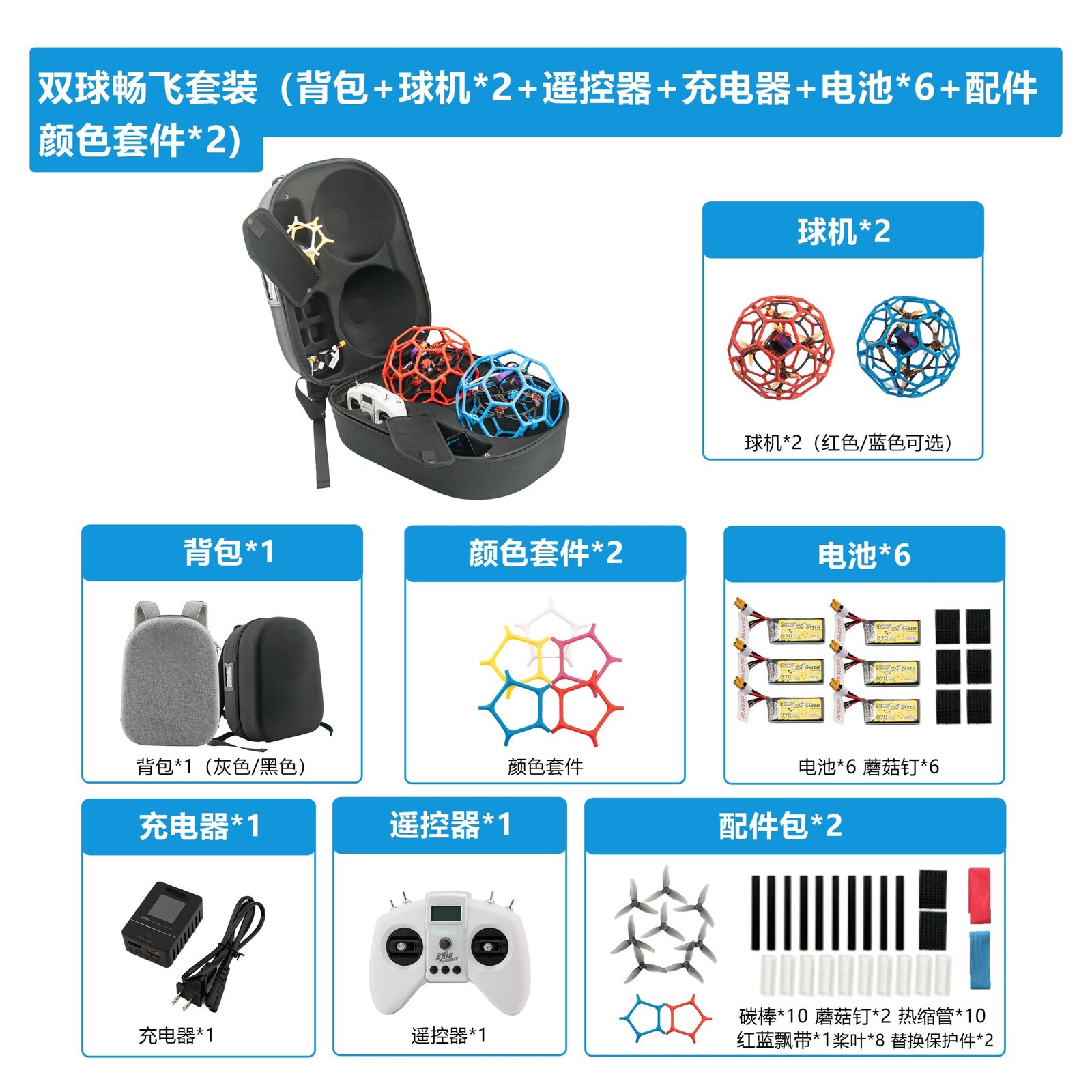
When a school program buys a drone soccer kit, it often receives a box of parts with different compliance profiles. That is normal. The useful question is not “is this drone soccer compliant?” but “which part is compliant with which rule, for which market and user group?”
Comparison: RoHS vs REACH vs CPSIA at a glance
| Regime | Typical focus | Common product scope | What to request from a supplier |
|---|---|---|---|
| RoHS | Restricted hazardous substances in electrical and electronic equipment | Electronics, wiring, modules | RoHS declaration or test report naming the exact part |
| REACH | Chemical substances and mixtures on the EU market | Articles and materials, including plastics and coatings | REACH statement listing screened substances and thresholds |
| CPSIA | US children’s product safety, including certain chemicals | Products intended for children | CPSIA-related test report or children’s product certificate where applicable |
This table is a general orientation, not legal advice. Exact obligations depend on the product, the market, and the intended user. For a structured view of related compliance topics, see the compliance center overview.
Trade-offs and common mistakes
Trade-off 1: cost vs. documentation depth. More testing and documentation increases cost and time, but can reduce risk when a school district or event organizer asks for evidence. A generic “compliance” statement is cheaper but weaker.
Trade-off 2: one-size-fits-all claims vs. part-level accuracy. A single certificate for a whole kit is convenient, but chemical rules usually apply per material or per component. Part-level accuracy is more work but more useful.
Trade-off 3: age targeting vs. marketing language. Calling a product a “kids’ kit” can trigger children’s product expectations. If the product is intended for older students or clubs, marketing language should match reality.
Common mistakes we see in procurement:
- Treating RoHS, REACH and CPSIA as interchangeable.
- Assuming a supplier’s general catalog statement covers the specific SKU being purchased.
- Ignoring battery transport rules; lithium batteries have air-transport limits and spare-battery rules (FAA: https://www.faa.gov/hazmat/packsafe/lithium-batteries).
- Forgetting that radio modules have radio compliance separate from chemical compliance.
- Letting a purchase order proceed without written confirmation of test scope, report date, and part number.
Practical procurement checklist for schools and programs
Use this checklist before you approve a drone soccer purchase. It is written for general guidance; DPF-specific terms should be confirmed in writing.
- Write down the intended market(s): US, EU, UK, other. Chemical obligations differ by market.
- Write down the intended user age group: young children, teens, or adult club players.
- List every part in the kit and classify it: electrical/electronic, article/plastic, battery, radio module.
- For each part, request the applicable declaration or test report. Ask for the exact part number on the report.
- Ask which substances and thresholds were screened for REACH; a general statement is not enough for a risk file.
- For US children’s product questions, ask what CPSIA-related documentation applies to the product as sold.
- Check battery documentation and transport limits; confirm how spare batteries will be shipped or carried (FAA: https://www.faa.gov/hazmat/packsafe/lithium-batteries).
- Confirm radio compliance separately from chemical compliance.
- Ask for the report date and issue date; an old report may not reflect the current BOM.
- Get all commercial terms in writing before payment: scope, revision, and any change-notification process.
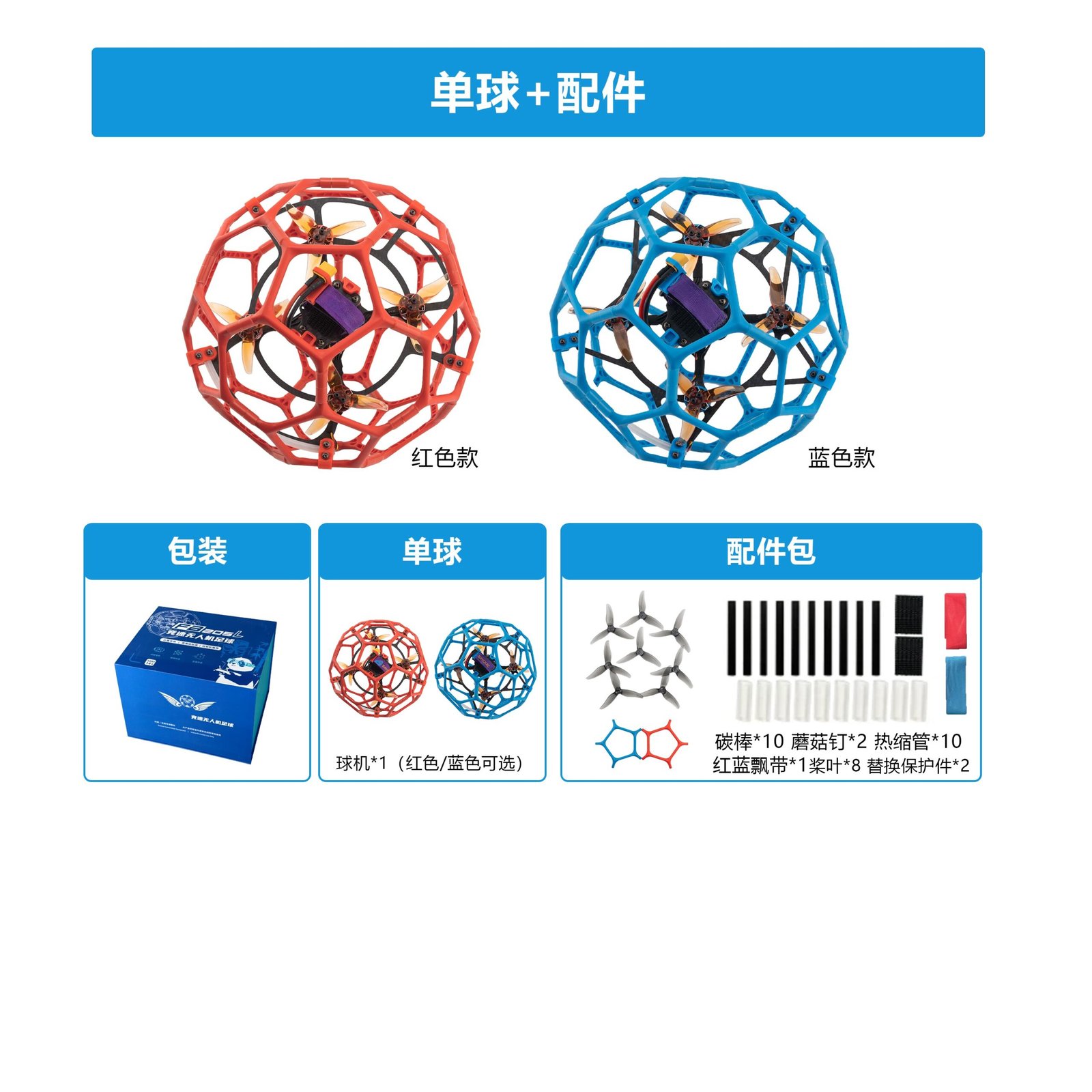
If your program ships kits internationally, battery shipping compliance is a separate workstream; see the battery shipping compliance page for orientation. If you are exporting outside the EU, product classification questions may also arise; see export control and product classification.
What to ask DPF specifically
DPF can provide compliance documentation for the parts it supplies, but the exact scope of tests, reports, and declarations available for a given part should be confirmed in writing. Useful requests include:
- Which RoHS or REACH declaration applies to the exact part number?
- For US children’s product questions, what CPSIA-related documents are available for the product as configured?
- What documentation is available for the battery and charger?
- What radio compliance information is available for the radio module?
DPF does not publicly publish MOQ, lead time, or warranty terms in this article; these are commercial terms that should be confirmed in writing with the sales team. For EU programs, radio and UAS topics are handled separately; see EU UAS requirements.
Need to equip a school program with parts and documentation that match your market? Request a School Program Quote and tell us your country and student age group so we can respond with the right questions.
FAQs
1. Does RoHS cover the drone soccer ball?
Usually not by itself. RoHS applies to electrical and electronic equipment. The ball shell is more likely an article/material question, where REACH and, if intended for children, CPSIA may be more relevant. The electronics inside the kit are the usual RoHS scope.
2. Is REACH the same as RoHS?
No. RoHS restricts a defined list of hazardous substances in electrical and electronic equipment. REACH is a broader EU chemicals framework covering substances and mixtures placed on the EU market. A RoHS statement does not automatically satisfy REACH, and vice versa.
3. When does CPSIA apply to a drone soccer product?
CPSIA is a US law for children’s products. Whether it applies depends on the intended user and how the product is marketed. If your program is in the US and the product is intended for children, ask the supplier what CPSIA-related documentation applies to the product as sold.
4. Do lithium batteries in drone soccer kits have special shipping rules?
Yes. Lithium batteries face air-transport limits and spare-battery rules. FAA guidance states lithium ion batteries are limited to 100 Wh per battery and lithium metal to 2 g lithium content, with spare batteries carried in carry-on baggage only and terminals protected from short circuit (https://www.faa.gov/hazmat/packsafe/lithium-batteries). Check your carrier’s rules as well.
5. Does a RoHS report cover radio compliance?
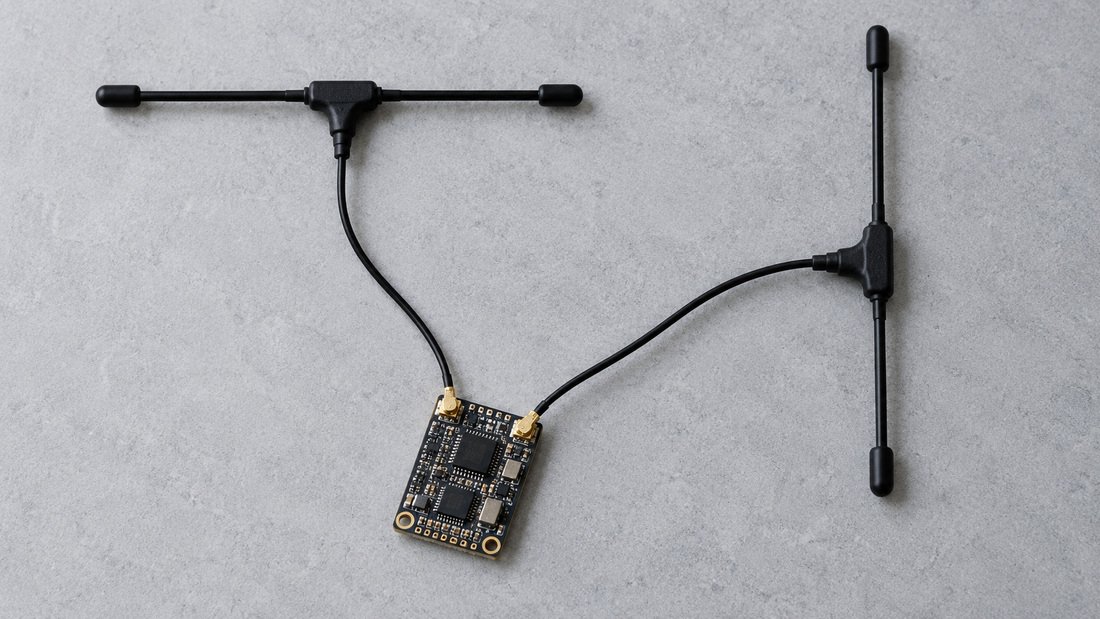
No. Radio compliance is separate from chemical compliance. The radio module may need its own radio equipment documentation for the market where it will be used. Ask for both if you are buying a full kit.
6. Can I rely on a supplier’s generic “compliance” statement?
It is safer to request the exact report or declaration that names the part number and the market. Generic statements may not reflect the current bill of materials or the specific configuration you are buying.
7. What should a school put in its tender or purchase request?
Specify the market, the intended user age group, and a part-by-part documentation requirement. Ask for report dates and the exact part numbers covered. Include battery and radio documentation as separate line items.
Conclusion and next step
Chemical safety for drone soccer gear is a mapping exercise. RoHS, REACH and CPSIA address different risks and different markets; a single certificate rarely covers a mixed kit. For schools and youth programs, the reliable path is to classify each part, ask for the exact applicable documentation, and confirm everything in writing before purchase. If you are preparing a program purchase, Request a School Program Quote and include your market and student age group so the compliance discussion starts from the right place.