Quick summary
For youth training, the safest drone propellers are lightweight plastic or glass-fiber-reinforced nylon props, ideally used with ducted guards, because they flex or crack rather than shatter into sharp fragments. Carbon-fiber drone propellers are stiffer and often faster but can produce sharper edges on impact, so they are generally better suited to supervised, higher-skill sessions than to beginners.
Key Takeaways
- Ducted plastic props win for beginners: ducted fans and guards keep fingers and eyes away from spinning blades, and plastic absorbs impact energy.
- Material matters as much as shape: nylon, polycarbonate and glass-fiber composites offer different balances of weight, stiffness and breakage behavior.
- Carbon fiber is stiffer, not automatically safer: it suits advanced FPV and racing where control and efficiency matter more than crash tolerance.
- Matching is critical: wrong prop, motor or battery combinations cause overheating, vibration and premature failure.
- Buy for the program, not the spec sheet: order enough spares, confirm batch consistency and check guards and mounting hardware together.
Why propeller material matters in youth training
Propellers are the part students touch most often and the part most likely to fail in a crash. In a school gym or club session, the priority is reducing injury risk and downtime, not extracting the last gram of thrust.
Material affects how a propeller behaves on impact. Stiff materials transfer energy quickly; more flexible materials deform. Neither is universally safe, and no propeller material removes the need for guards, eye protection, safe stand-off distance and adult supervision.
Comparing common drone propeller materials
The table below summarizes general behavior. Actual performance depends on blade design, diameter, pitch and the motor it is paired with.
| Material | Typical behavior | Best fit in youth programs | Watch-outs |
|---|---|---|---|
| Molded plastic (ABS, polypropylene) | Flexible, low cost, easy to replace | Entry-level training, ducted cages, drone soccer | Can deform with heat; lower efficiency at high RPM |
| Glass-fiber-reinforced nylon | Stiffer than plain plastic, moderate weight | Intermediate training, club practice | Sharper break edges than soft plastic |
| Carbon-fiber composite | Very stiff, light, efficient | Advanced FPV, racing, competitive teams | Can splinter; higher cost; less forgiving in crashes |
| Ducted fan assemblies | Blades enclosed in a shroud | Beginner and indoor programs, drone soccer | Heavier; check guard fit and replacement stock |
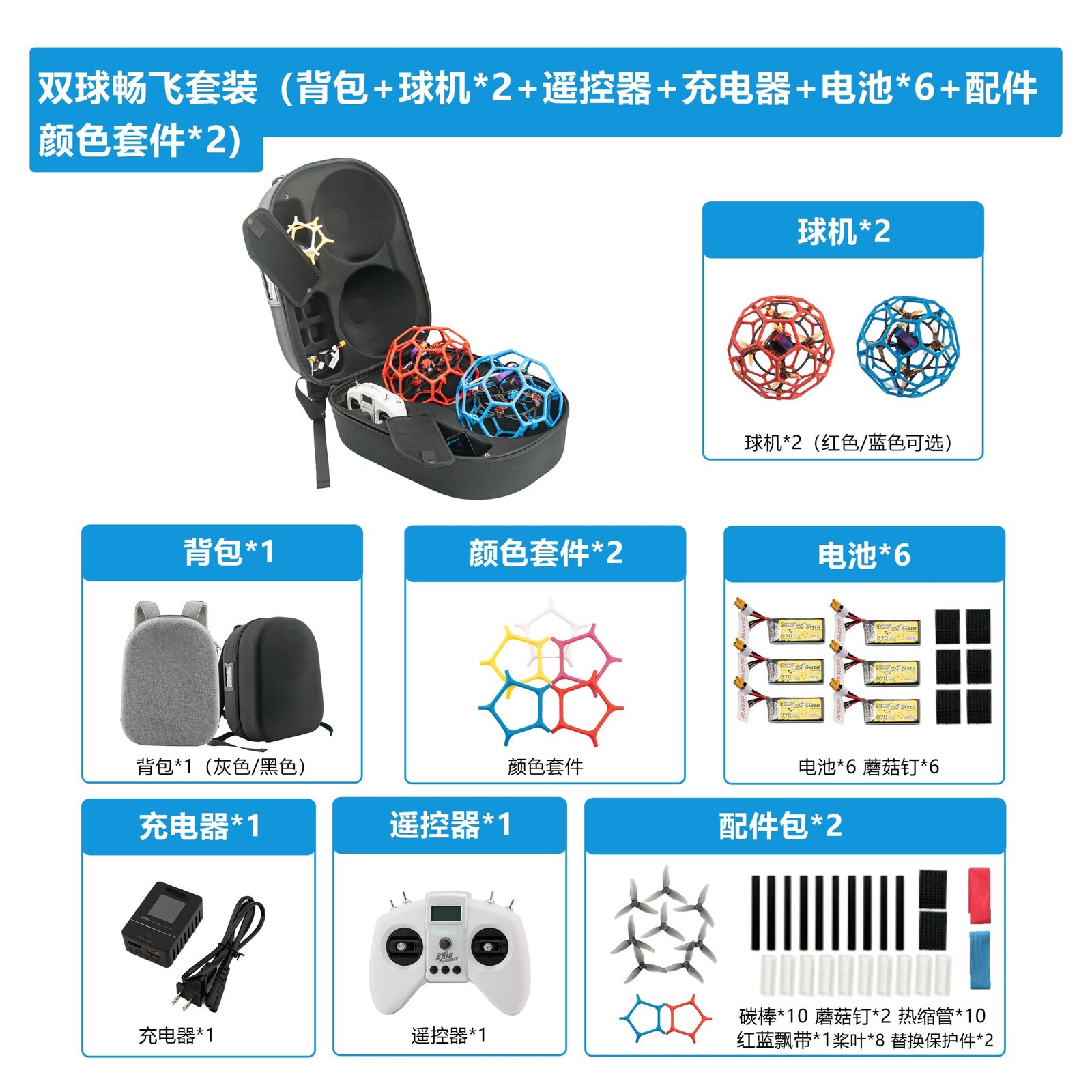
Plastic and glass-fiber drone propellers: the default for beginners
For most youth programs, plastic and glass-fiber propellers are the practical default. They are inexpensive enough to stock as consumables, and their failure mode tends to be bending or cracking rather than long splinters.
This matters for drone soccer, where balls and cages take repeated impacts. Replacing a cracked plastic prop during a session is quick; repairing a damaged frame is not.
When glass-fiber makes sense
Glass-fiber-reinforced nylon sits between plain plastic and carbon fiber. It holds shape better under load, which can improve consistency for intermediate students who are learning throttle control. It may still produce sharper edges than soft plastic, so guards remain recommended.
Carbon-fiber drone propellers: performance with stricter handling rules
Carbon-fiber props are common in FPV and racing because they are stiff and light. Stiffness improves response and efficiency, which competitive teams value.
The trade-off is handling. Damaged carbon-fiber blades can present sharp edges, and the props cost more to replace. Many programs restrict them to advanced sessions with older students and clear safety rules.
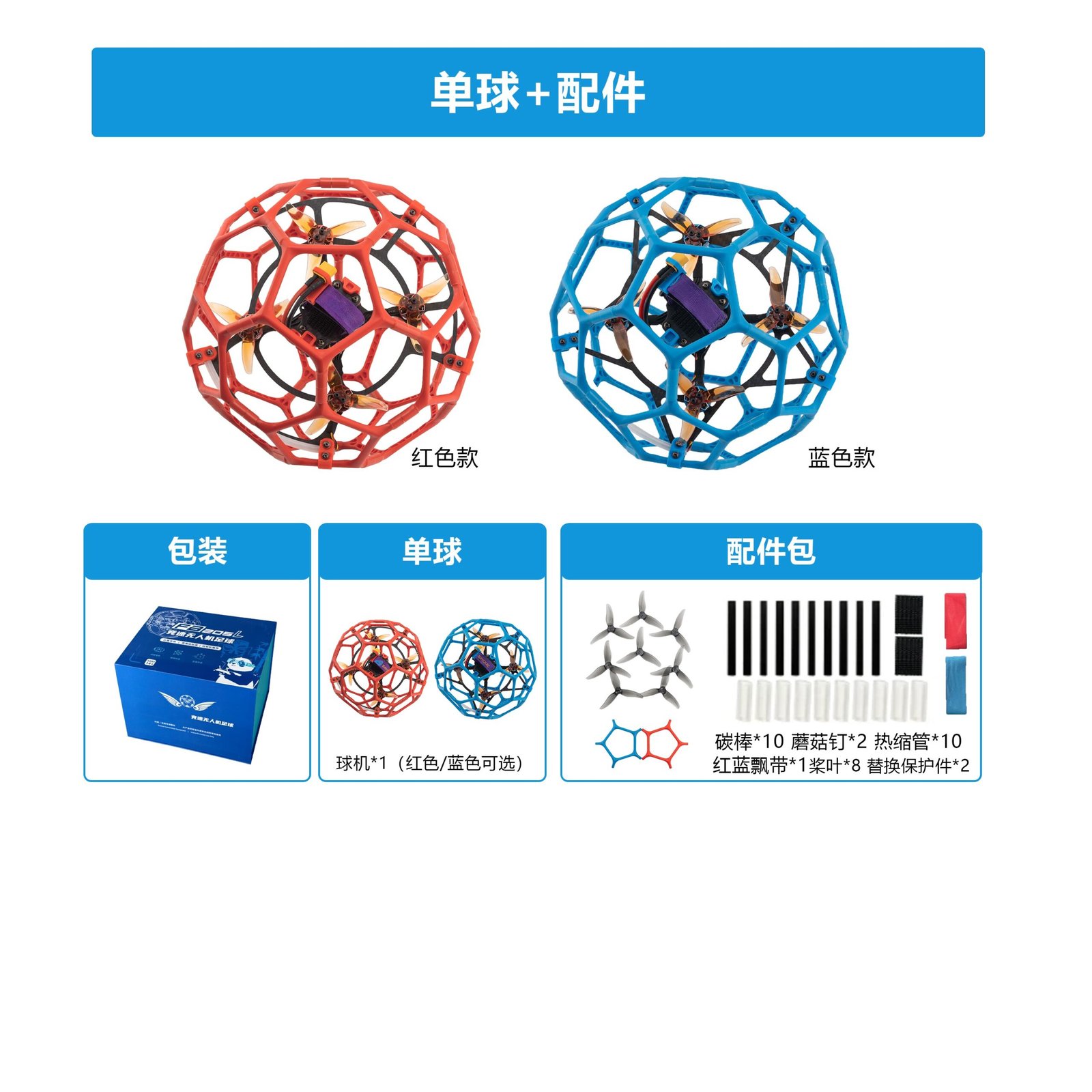
Guards, ducts and the propeller–motor system
A propeller is not safe in isolation. Guard design, motor choice and battery all interact. A prop that is too aggressive for a motor can cause overheating; the wrong battery can push the system beyond its intended operating range.
For youth programs, the safest configuration is usually a modest prop paired with a matched motor and a battery within the system’s rated limits. If you are building or refreshing a fleet, our motor, propeller and battery matching guidance explains how these three parts should be selected together.
Clubs that buy components separately often run into fit and performance problems. Sourcing propulsion combo kits can reduce mismatches, and our motor and propulsion matching service is designed for programs that need consistency across many identical airframes.
Common mistakes in youth propeller selection
- Buying carbon fiber for beginners. Stiffness does not equal safety, and the cost of replacements adds up quickly.
- Ignoring guards. Even soft props spin fast enough to cause injury without a duct or guard.
- Mixing prop specs across a fleet. Inconsistent props make troubleshooting and spare planning harder.
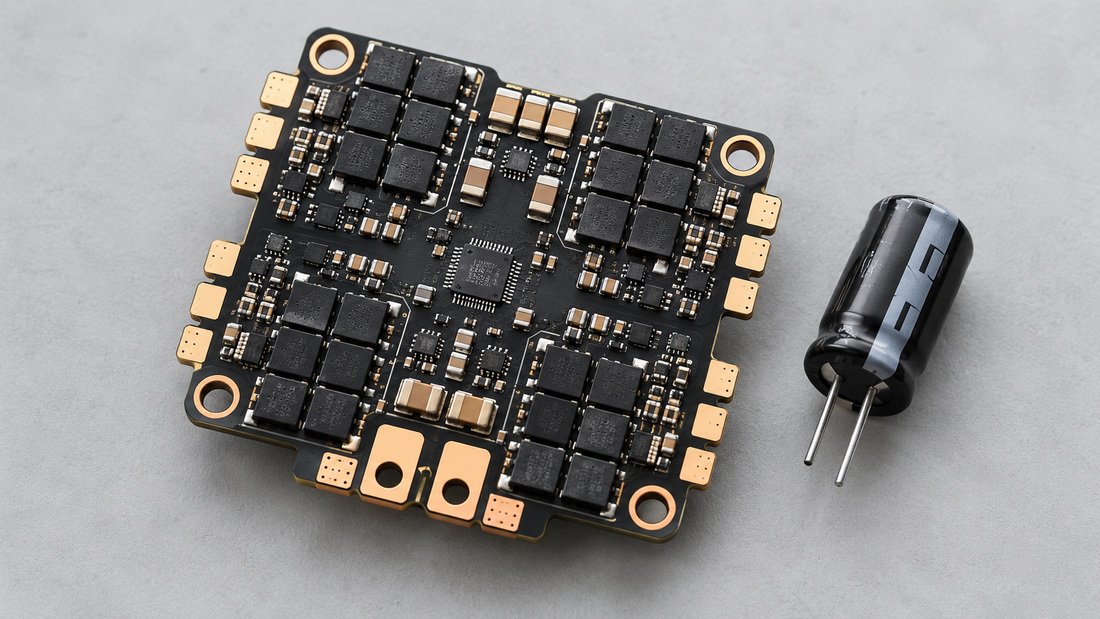
- Over-propping a motor. A larger or higher-pitch prop than the motor is rated for can overheat the motor and ESC (electronic speed controller).
- Skipping post-crash inspection. Cracks and bent blades should be caught before the next flight.
Procurement checklist for schools, clubs and distributors
- Confirm the intended student age group and skill level before choosing material.
- Decide whether the program will use ducted guards or open props, and confirm compatibility.
- Ask for the propeller’s rated diameter, pitch and recommended motor range in writing.
- Request spare-prop quantities sized to your fleet and session frequency.
- Ask how the supplier handles batch consistency if you reorder months later.
- Confirm mounting hole pattern and adapter requirements match your motors.
- Check how damaged props should be inspected and retired.
- For distributors, confirm packaging, labeling and documentation requirements before ordering.
Treat commercial terms as questions to resolve, not assumptions. If a supplier cannot confirm a term in writing, ask for it in the quotation or specification sheet.
Battery handling and transport for youth programs
Propeller safety does not end at the blade. Many training drones use lithium batteries, and these need careful handling. According to the FAA’s passenger battery guidance, lithium batteries must undergo safety testing, and all lithium-ion batteries can overheat and enter thermal runaway, which can occur without warning if a battery is damaged, overheated, exposed to water, overcharged or improperly packed (FAA, Lithium Batteries).
The same FAA guidance notes that spare lithium batteries must be carried in carry-on baggage only, with terminals protected against short circuit, and that damaged or recalled batteries must not be carried aboard an aircraft unless made safe. Programs that travel to competitions should build these rules into their packing checklist and confirm their airline’s specific limits before flying.
Frequently asked questions
Are plastic propellers safe enough for youth drone soccer?
Plastic props are widely used in youth and entry-level programs, especially with ducted guards. Safety depends on the full setup, supervision and inspection routine, not the material alone.
Is carbon fiber dangerous for beginners?
Carbon fiber is not inherently dangerous, but damaged blades can have sharp edges and the props cost more to replace. Many programs reserve them for advanced students.
Do I need propeller guards in every session?
Most youth programs use guards or ducts for beginners and indoor flying. Whether guards are required depends on your venue, age group and local rules.
How often should training propellers be replaced?
Replace any prop that is cracked, bent, chipped or vibrating abnormally. Session frequency and crash rate drive replacement volume, so stock spares accordingly.
Can I mix propeller brands on one fleet?
Mixing brands can change performance and complicate troubleshooting. Standardizing on one specification per fleet simplifies maintenance and spare planning.
What should I ask a supplier before ordering in bulk?
Ask for material, diameter, pitch, recommended motor range, mounting pattern, spare-part availability and how batch consistency is handled. Confirm these in writing.
Do propellers affect motor and battery choice?
Yes. Propeller size and pitch influence current draw and heat. Select the prop, motor and battery as a matched system, and use our FPV motors range and compatibility resources as a starting point.
If your program is building or expanding a fleet, start with the matched-system approach: choose the prop material for your students’ skill level, confirm guards and mounting, and verify motor and battery compatibility before bulk ordering.
Request a Team Kit Quote with your class size, drone type and session frequency, and DPF can help you specify a consistent, serviceable propeller setup.