Quick summary
For school drone and drone soccer programs, several overlapping rule sets apply. Child-facing products may fall under toy or children’s product safety regimes; drone flight itself is governed by aviation rules such as the FAA’s Exception for Limited Recreational Operations of Unmanned Aircraft, which covers recreational flights including many youth programs, or Part 107 for commercial operations. If your program involves a school, the school may also need to comply with local child-safety, insurance and educational procurement rules. This article outlines the main categories, key questions and a procurement checklist for children’s product and sports equipment rules.
Key Takeaways
- Product and aviation rules are separate: a drone can be a “toy” under consumer law while also being an unmanned aircraft under aviation law.
- In the EU, drones intended for children under 14 may be treated as toys and must meet the Toy Safety Directive 2009/48/EC plus the EU UAS framework.
- In the US, the FAA’s recreational exception (49 USC 44809) applies to many school and youth drone soccer flights, but the school may still require Part 107 depending on the operation.
- Lithium batteries are a shipping and travel risk; FAA rules require spare batteries in carry-on only and terminals protected from short circuit.
- Before signing a school PO, ask suppliers in writing for age warnings, EU/UK/US conformity documents and battery shipping data.
What rules apply to drones used by children?
No single “children’s drone law” exists. Instead, rules fall into four buckets: product safety (toy or children’s product rules), aviation (drone flight rules), school and youth program requirements (insurance, safeguarding, procurement), and transport of lithium batteries. Which ones apply depends on the drone type, the child’s age, the country and whether the flight is recreational or commercial.
Product safety: when is a drone a “toy”?
In the EU, toys are regulated by the Toy Safety Directive 2009/48/EC, which sets essential safety requirements, chemical limits and CE marking. The EU Aviation Safety Agency (EASA) states that drones “toys” also fall under the Radio Equipment Directive and must meet the UAS requirements for the open category. A drone marketed for children under 14, with low speed and no dangerous propeller exposure, is more likely to be classified as a toy. If it is not a toy, it may still be a consumer product under the General Product Safety Regulation (GPSR) or the Machinery Directive, depending on design.
In the US, the Consumer Product Safety Commission (CPSC) enforces the Federal Hazardous Substances Act and the Consumer Product Safety Improvement Act (CPSIA). Children’s products must meet lead and phthalate limits, and toys must have age warnings and small-parts labels. The FAA does not classify drones as toys; the Federal Aviation Administration (FAA) treats them as unmanned aircraft (UA). For more on product classification, see our export control and product classification page.
Aviation: who is flying, and for what purpose?
In the US, recreational flights including many drone soccer matches fall under the FAA’s Exception for Limited Recreational Operations of Unmanned Aircraft (49 USC 44809), provided the flight is purely recreational, the drone is flown within visual line of sight and the operator follows community-based safety guidelines. A child can fly under this exception, but the drone must be registered if it weighs more than 0.55 lb (250 g), and the remote pilot must pass The Recreational UAS Safety Test (TRUST) if the drone requires registration.
If the school charges for instruction, uses the drone for research or operates beyond the recreational exception, Part 107 may apply. Part 107 requires a remote pilot certificate for the person in command, and that person must be at least 16 years old. For a school, the safest approach is to ask your legal or insurance advisor whether your specific drone soccer activity is recreational or commercial.
Sports equipment rules for drone soccer
Drone soccer balls (often called “balls” or “spheres”) are sports equipment, not toys, when used in organized competition. That matters for product safety: sports equipment is generally excluded from toy rules in the EU and US, but it still must be safe under general product safety law and any applicable standards. Leagues may set their own equipment rules, such as maximum ball diameter, weight, battery type and propeller guards. Ask your league for its technical regulations before specifying parts.
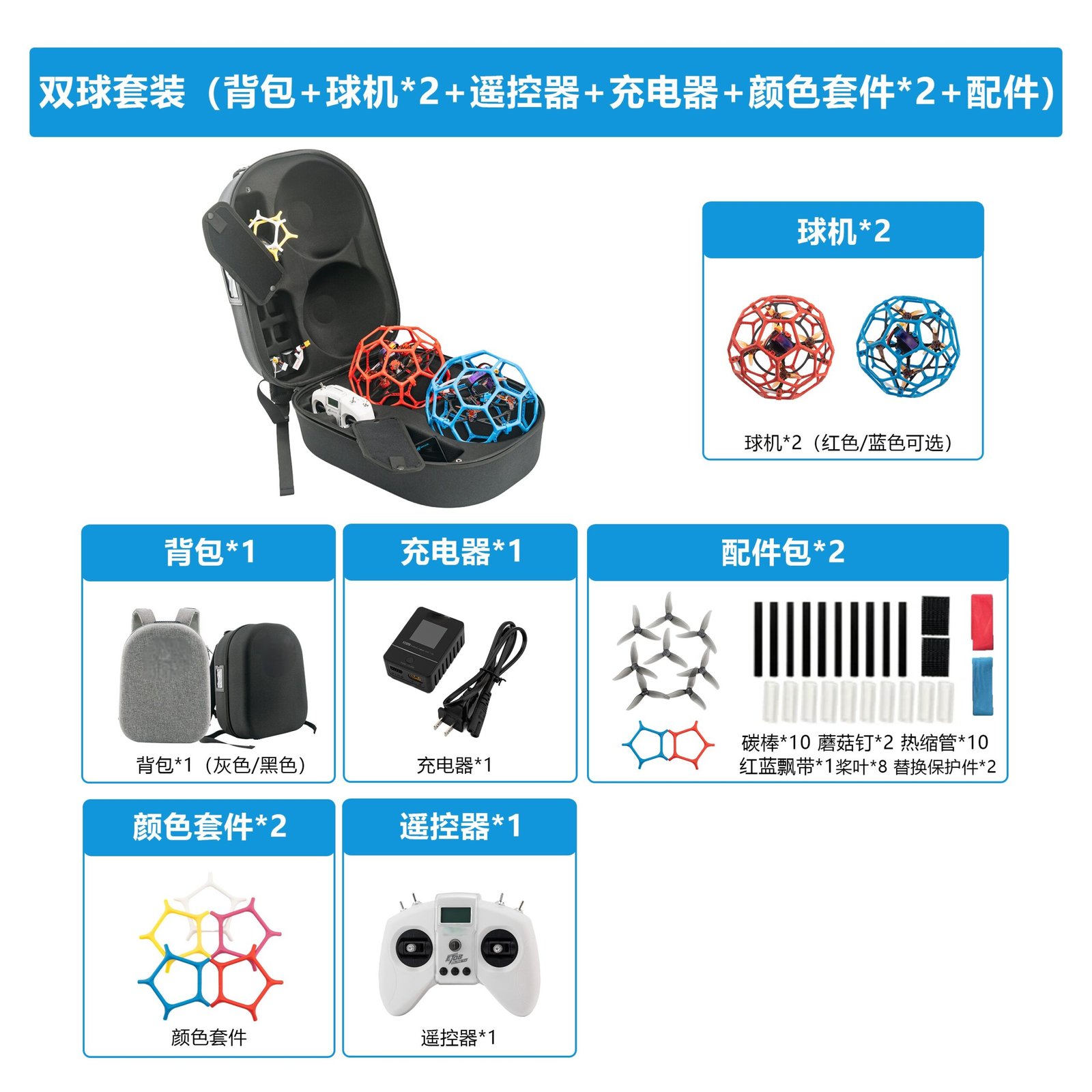
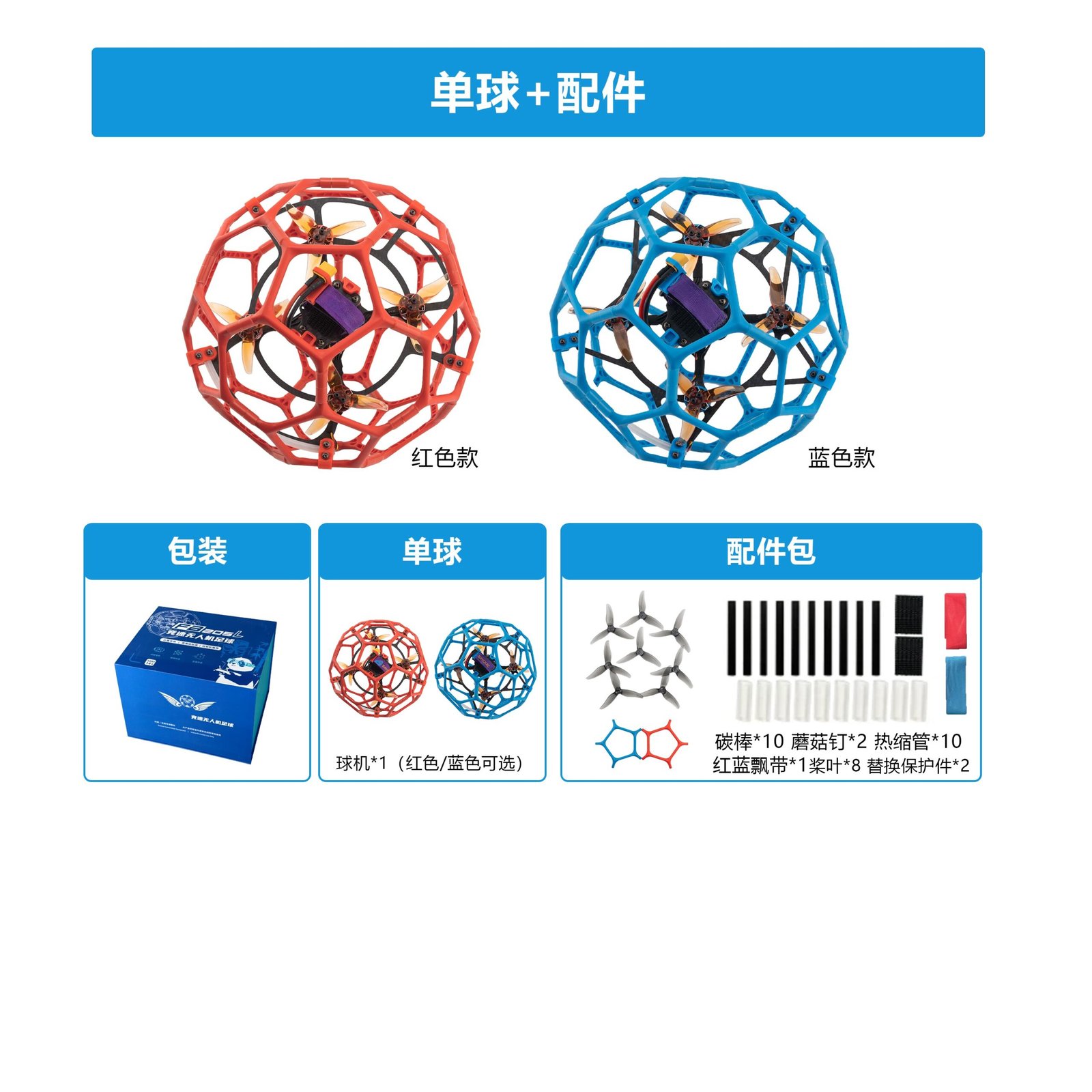
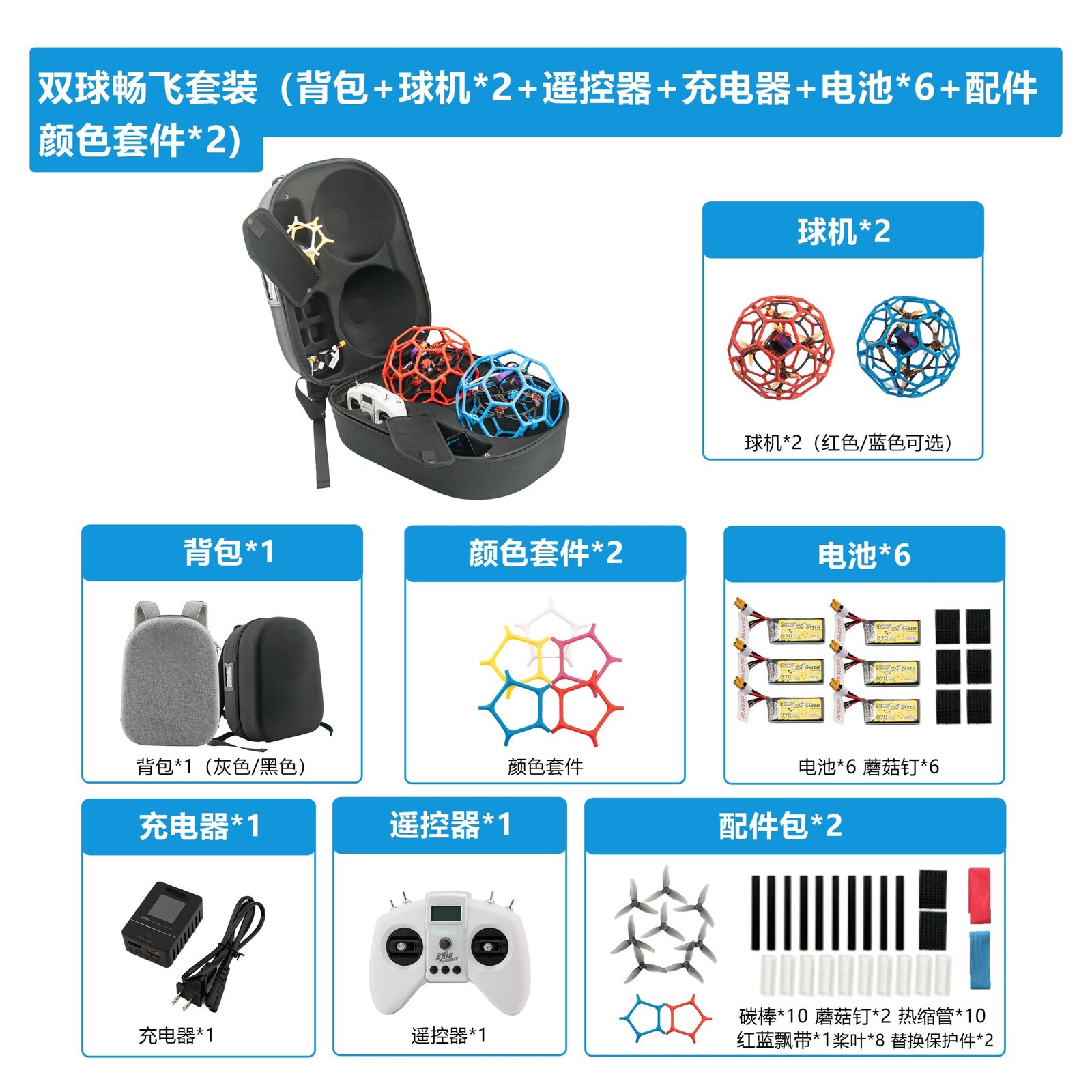
At DPF, our drone soccer (BKZ) product line is designed for school and league use. We can provide general product information, but we do not claim a specific certification or age rating without a written statement from our compliance team. For EU school programs, see our EU UAS requirements page.
Comparison of rule sets by region and use case
Use this table as a starting point for discussion with your compliance advisor, not as legal advice.
| Rule set | Applies to | Key requirements | Who enforces |
|---|---|---|---|
| EU Toy Safety Directive 2009/48/EC | Drones marketed as toys for children under 14 | CE marking, chemical limits, small parts warning, technical file | EU market surveillance authorities |
| EU UAS Regulation (2019/947) | All unmanned aircraft in the open category | Registration, remote pilot competency, operational limits, geo-awareness | National aviation authorities / EASA |
| US FAA Exception for Limited Recreational Operations (49 USC 44809) | Recreational flights, including many youth drone soccer matches | Registration over 250 g, TRUST test, visual line of sight, community guidelines | FAA |
| US Part 107 | Commercial or non-recreational drone operations | Remote pilot certificate (age 16+), aircraft registration, operational rules | FAA |
| US CPSIA / FHSA | Children’s products and toys | Lead and phthalate limits, tracking labels, age warnings | CPSC |
| Lithium battery shipping rules (IATA/ICAO, 49 CFR 175.10) | Air transport of spare batteries | Carry-on only, terminal protection, Wh limits, no damaged batteries | FAA / IATA / national authorities |
How to confirm compliance before you buy
Because rules vary by country and use case, the only reliable way is to ask your supplier for written documentation. Below is a practical checklist you can send to any drone parts vendor.
Procurement checklist for school drone programs
- Ask for the product’s intended age range and any age warnings in writing.
- Request the EU Declaration of Conformity (if selling in the EU) or US CPSIA children’s product certificate (if applicable).
- Confirm whether the drone is classified as a toy, sports equipment, or neither, and under which regulation.
- Ask for the battery Wh rating, chemistry (Li-ion or LiPo), and shipping classification (UN 38.3 test summary).
- Request a safety data sheet (SDS) for the battery and any transport documents.
- Confirm whether spare batteries must ship as dangerous goods and what paperwork is included.
- Ask for the remote control frequency and power, and whether it complies with your country’s radio equipment rules.
- Ask for a sample of the user manual and safety instructions in your local language.
- Confirm whether the product has propeller guards and whether they are required by your league.
- Ask for the warranty terms in writing; do not assume a specific duration.
For battery shipping questions, see our battery shipping compliance page. For an overview of our compliance documentation, visit our compliance center overview.
Planning a school drone soccer program? Request a School Program Quote and we will help you specify compliant parts.
Common mistakes when buying drones for children
- Assuming “toy” means no aviation rules. A toy drone still flies in airspace and may need registration.
- Ignoring battery shipping rules. Spare lithium batteries are regulated; shipping them incorrectly can delay or stop a delivery.
- Using a supplier’s general website claim as proof of compliance. Ask for the actual declaration or certificate.
- Assuming the school’s insurance covers drone flights. Confirm in writing with your insurer.
- Not checking league equipment rules. Drone soccer leagues may require specific ball size, weight or battery type.
Frequently asked questions
Do children need a drone license to fly in the US?
Under the FAA’s recreational exception, a child can fly a drone for fun without a Part 107 certificate, but if the drone weighs more than 250 g, the drone must be registered and the pilot must pass the TRUST test. For school programs, check whether the activity falls under the recreational exception or requires Part 107.
Can a drone be both a toy and an aircraft?
Yes. In the EU, EASA notes that toy drones are subject to both toy safety rules and UAS rules. In the US, the FAA treats all drones as aircraft regardless of size, while CPSC may treat a small drone as a toy or children’s product.
What battery rules apply to shipping drones to schools?
Lithium batteries must be tested and shipped according to dangerous goods regulations. The FAA requires spare lithium batteries to be carried in carry-on baggage only when flying, and terminals must be protected from short circuit. For ground shipping, ask your supplier for the UN 38.3 test summary and shipping documents.
Does the EU Toy Safety Directive apply to drone soccer balls?
Drone soccer balls used in organized competition are often classified as sports equipment rather than toys, so the Toy Safety Directive may not apply. However, they still fall under general product safety rules. Confirm the classification with your supplier and league.
What is the minimum age to fly a drone commercially in the US?
Part 107 requires a remote pilot certificate, and the minimum age is 16. A younger child can fly recreationally under the exception but cannot act as a commercial remote pilot.
Do schools need special insurance for drone programs?
Insurance requirements vary by school district and country. Ask your insurer whether your policy covers student drone flights, and request a written confirmation. Some schools require additional liability coverage for aviation activities.
How can I verify a supplier’s compliance claims?
Request copies of declarations, test reports and certificates. Check that the document names your exact product and is issued by a recognized test lab or authority. If a supplier cannot provide documents, treat the claim as unverified.
Conclusion and next steps
Children’s product and sports equipment rules for drones are layered: product safety, aviation, school policy and battery transport can all apply. Start by defining your use case (recreational or commercial), the child’s age, and the country of use. Then ask suppliers for written compliance documents. For DPF’s drone soccer (BKZ) parts, we can provide general product information and help you identify which documents to request. To discuss your school program or request a quote, visit our Get a Quote page or contact our team. We will confirm what we can provide in writing before you order.
Procurement next step: Before issuing a purchase order, send your supplier this checklist and ask for a written response. If you need help selecting parts for your program, Request a School Program Quote.