Quick summary
A school drone soccer program stays flyable when it stocks a small, deliberate set of repair and spare parts: protective shells, propeller sets, motors, arms or frame sections, batteries, and the small hardware that disappears in a gym. Rather than buying one of everything, match spares to the failure modes your students actually create—impact damage, propeller strikes and battery wear—then confirm part numbers, compatibility and terms with each supplier before ordering. The exact mix depends on fleet size, session hours and whether students repair drones themselves.
Key Takeaways
- Stock spares by failure rate, not by catalogue completeness: shells, propellers, motors, arms and batteries cover most match-day stoppages.
- Two tiers work well for schools—a fast-access repair bin for common breakages and a slower reserve for less frequent failures.
- Compatibility matters more than brand: confirm frame, motor mount pattern and connector type before buying anything.
- Betaflight flight controllers rarely need replacing unless a board is physically damaged; firmware and settings issues are usually fixed in software (Betaflight documentation).
- Ask for a written spare-parts list, compatibility confirmation and delivery terms before committing budget.
What Counts as a Drone Soccer Spare Part?
In drone soccer, a repair and spare parts inventory is any component a team can swap to return a grounded drone to play without buying a whole new aircraft. That includes consumables (propellers, batteries, zip ties), wear items (motors, bearings, landing gear) and impact-sensitive structures (shells, arms, frame plates).
It also includes the small inventory nobody plans for: screws, standoffs, silicone wire, receiver antennas and battery straps. These cost little but cause the most downtime when missing.
Consumables, wear items and structural parts
Treat these as three separate budget lines. Consumables are predictable and frequent. Wear items scale with flight hours. Structural parts are low-frequency but high-consequence—a cracked arm can sideline a drone for a week if no spare exists.
Where electronics fit
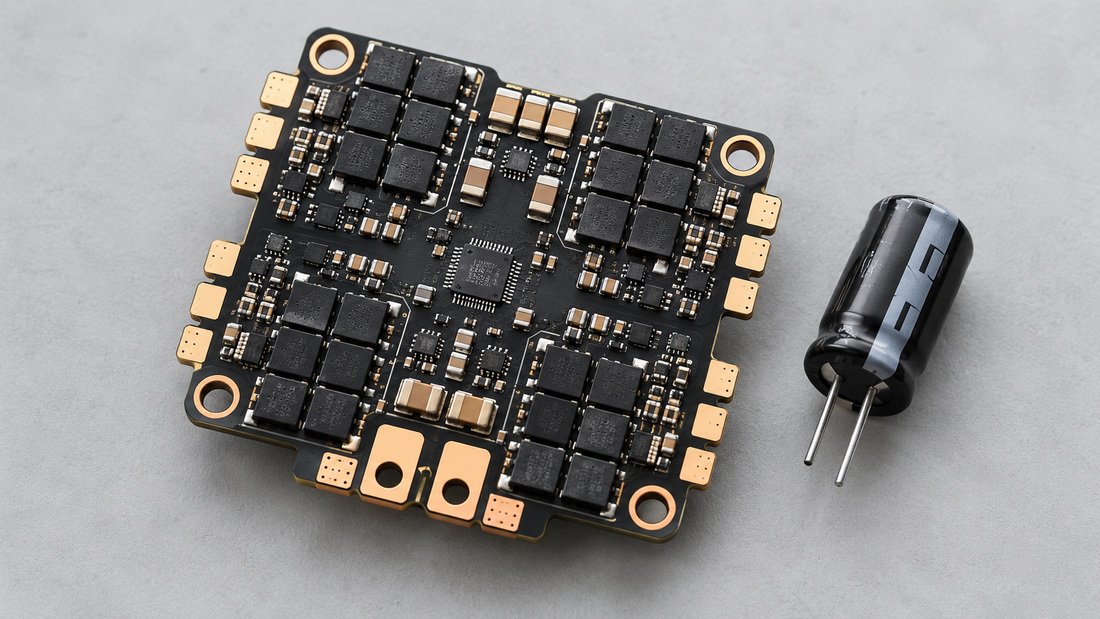
Flight controllers, electronic speed controllers (ESCs—the boards that drive the motors) and receivers are electronics, not routine spares. A flight controller is essentially a small computer that reads sensors and sends commands to the ESC to control motor thrust (Betaflight documentation). Keep one spare board per 5–10 drones rather than one per drone.
Which Spare Parts Should a School Actually Stock?
Base your first list on the failure modes typical of indoor drone soccer: ball strikes, wall and goal impacts, propeller collisions, hard landings and battery cycling. The matrix below is general guidance—not a specification of any particular supplier’s kit.
| Part group | Typical failure cause | Suggested stock level (per 10 drones) | Repair tier |
|---|---|---|---|
| Protective shells / ball housings | Direct impacts, cracking | 4–6 units | Fast-access |
| Propeller sets | Strikes, deformation | 10–15 sets | Fast-access |
| Motors (matched set) | Bearing wear, bent shafts | 4–8 units | Fast-access |
| Arms / frame plates | Crash damage | 3–5 units | Reserve |
| Flight batteries | Cycle life, swelling | 5–8 packs | Fast-access |
| ESCs (4-in-1 or single) | Impact, short circuits | 1–2 units | Reserve |
| Flight controllers | Physical damage only | 1–2 units | Reserve |
| Fasteners, straps, wire, antennas | Loss, wear | Assorted | Fast-access |
These numbers are a starting framework. Adjust them after one season by logging which parts you actually used.
Why protective shells sit at the top
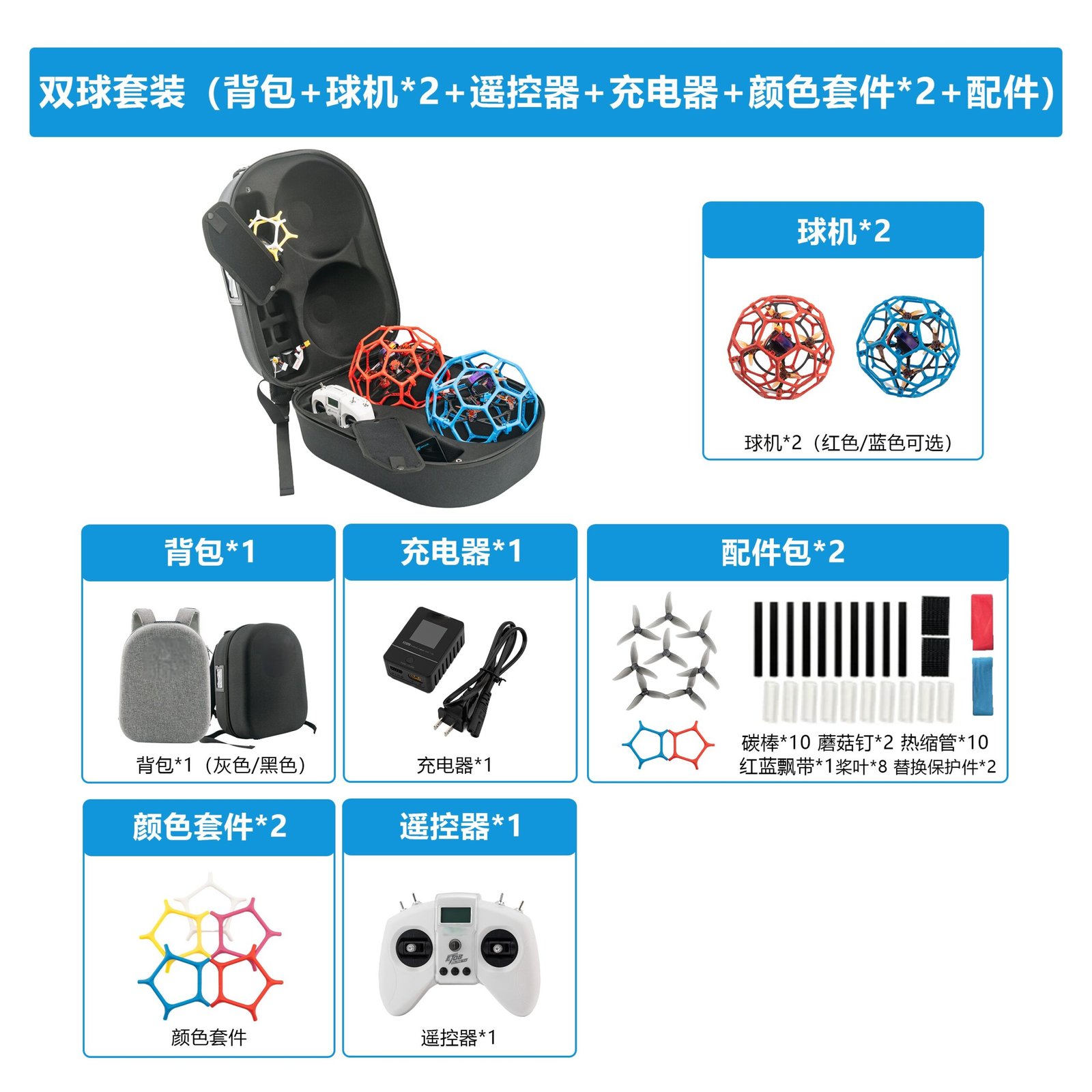
Drone soccer drones are built to be hit. The outer shell absorbs most of that energy, so it is usually the first thing to crack or deform. Having spare protective shells on site converts a match-ending break into a two-minute swap.
Why propellers are a consumable, not a spare
Budget propellers like paper and pencils. Even without visible damage, repeated impacts degrade thrust balance. Replacing them on a schedule—not only after visible breakage—keeps a fleet flying predictably and removes a common source of unexplained drift.
How Many Spares Does a School Program Need?
There is no single correct number, but a workable rule is to size stock against session interruptions rather than fleet size alone. If a programme flies 10 drones three times a week, a single cracked shell should never cancel a session.
Ask these questions before you set quantities:
- How many drones fly per session, and how many can be grounded before a session is affected?
- Who repairs drones—staff, students or an external technician?
- How long does resupply realistically take from your supplier?
- Is there budget for a reserve tier, or only a fast-access bin?
If resupply is slow, hold more depth in high-failure items. If it is fast, you can run leaner and rely on reordering.
The two-tier model
The fast-access tier lives in a labelled classroom bin and is used without approval. The reserve tier sits with the teacher or technician and is released only to replace fast-access stock. This keeps accountability simple and prevents the whole inventory disappearing into student backpacks.
Repair Workflow: From Grounded Drone to Flying Again
A repeatable repair workflow reduces downtime more than any single spare part. The sequence below is general guidance for schools; adapt it to your own safety rules and staff capability.
- Quarantine. Tag the drone and log the symptom, flight time and impact description.
- Diagnose. Inspect shell, arms, motors and propellers first—mechanical damage is more common than electronics failure.
- Swap. Replace the damaged module with a spare of confirmed compatibility.
- Verify. Check motor direction, propeller orientation and flight behaviour in a safe test area before returning the drone to play.
- Record. Log the part used so you can foresee the next reorder.
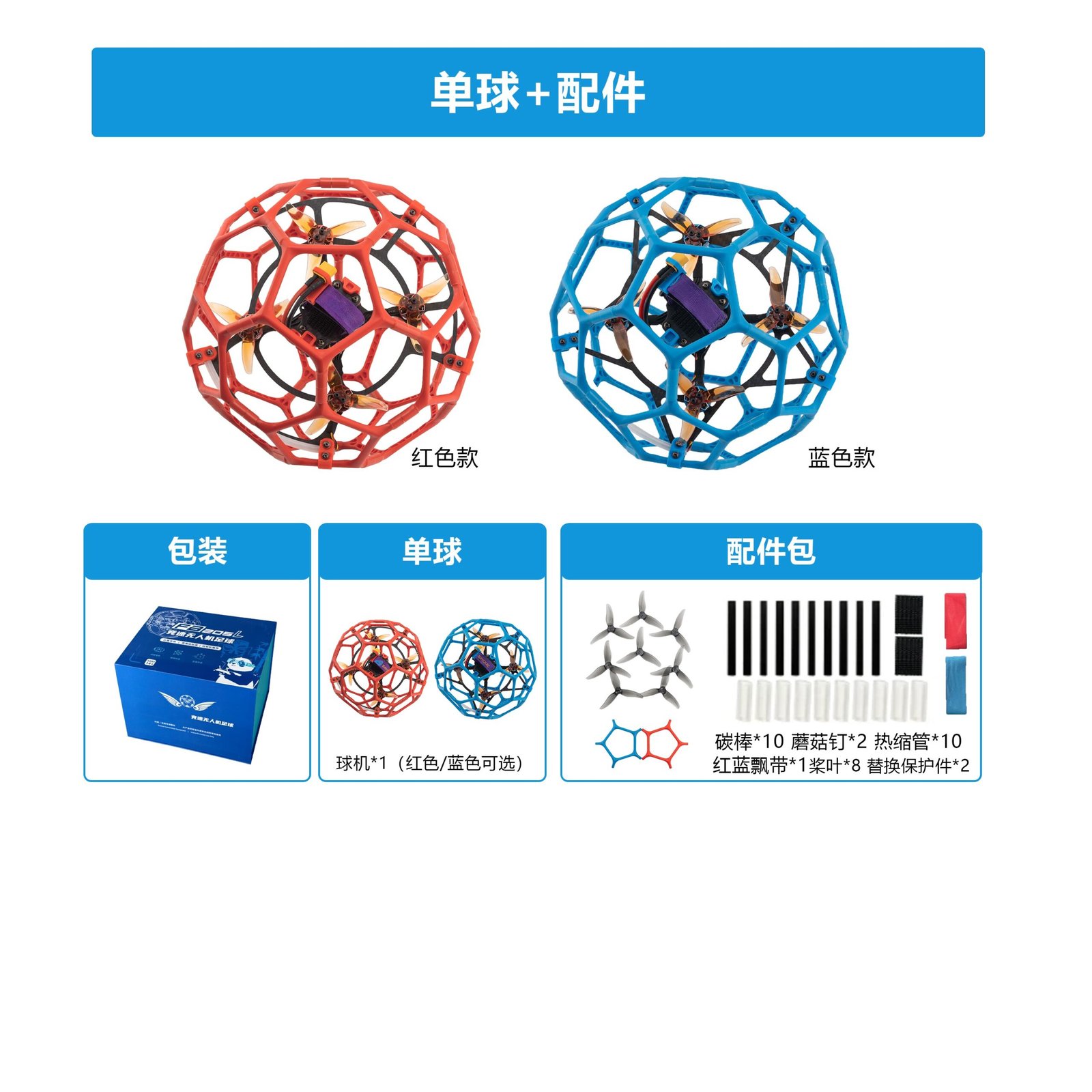
Step 4 deserves emphasis. In FPV-based platforms, the flight controller runs software such as Betaflight, and vendor support for the flight controller board normally comes from the board manufacturer, not the firmware project (Betaflight documentation). That distinction matters when you are deciding whether a problem is a part to replace or a setting to correct.
Compatibility: The Most Common Procurement Mistake
The biggest source of wasted school budget is buying a spare that almost fits. Drone soccer fleets often mix generations of hardware, and small differences—motor mount spacing, connector type, shell geometry—can make a part unusable.
What to confirm before ordering
- Frame generation and arm pattern. Confirm mounting hole spacing and plate thickness.
- Motor mount and shaft. Check stator size, KV class and shaft diameter if specified by your kit.
- Connector standard. Match battery and ESC connectors; adapters add weight and failure points.
- Shell version. Confirm that the replacement shell matches your airframe revision.
- Firmware and receiver protocol. Betaflight supports a wide range of receiver and ESC protocols, including CRSF, Ghost, FPort, SBUS, Spektrum, DShot, Oneshot and Multishot (Betaflight documentation). If your fleet is uniform, keep spares within that protocol family.
Ask for this in writing
Before any purchase, request a written compatibility statement naming your airframe or kit generation, the part numbers offered, and the connector or mounting standard. Verbal assurance is not enough for a purchasing department.
Planning a fleet order? If you are standardising drone soccer hardware across several classes or schools, it helps to discuss airframe, spares and quantities together. Request a School Program Quote and ask for a written spare-parts list to compare against your own inventory.
Common Mistakes Schools Make With Spare Parts
- Buying spares after the first failure. The first broken arm is always the most expensive one, because the whole programme stops.
- Over-ordering electronics. Flight controllers and ESCs fail less often than mechanical parts; money spent on a drawer of boards is money not spent on shells and propellers.
- Ignoring storage. LiPo batteries need correct storage voltage and safe charging practice. Damaged or swollen packs should be retired, not flown.
- No inventory log. Without records, reordering is guesswork and parts quietly go missing.
- Assuming one supplier covers everything. Some programmes buy airframes from one vendor and consumables from another; compatibility confirmation becomes even more important.
- Letting students repair without a check. Student repair is valuable learning, but a supervisor should verify every returned drone.
Procurement Checklist for Schools
Use this list when preparing a purchase request or comparing supplier quotations. It is written as general guidance; confirm every point in writing with the supplier you choose.
- Written spare-parts list, itemised by part group.
- Compatibility statement naming your airframe or kit generation.
- Unit quantities, pack sizes and whether parts are sold singly or in sets.
- Pricing validity period and currency.
- Delivery terms, lead time and shipping method.
- Minimum order quantities, if any, and whether mixed-item orders are allowed.
- Warranty terms for the specific part categories you are buying, and what is excluded.
- Returns or replacement process for parts that arrive incompatible or faulty.
- Safety documentation available for batteries and charging equipment.
- Availability of ongoing supply for the expected life of the fleet.
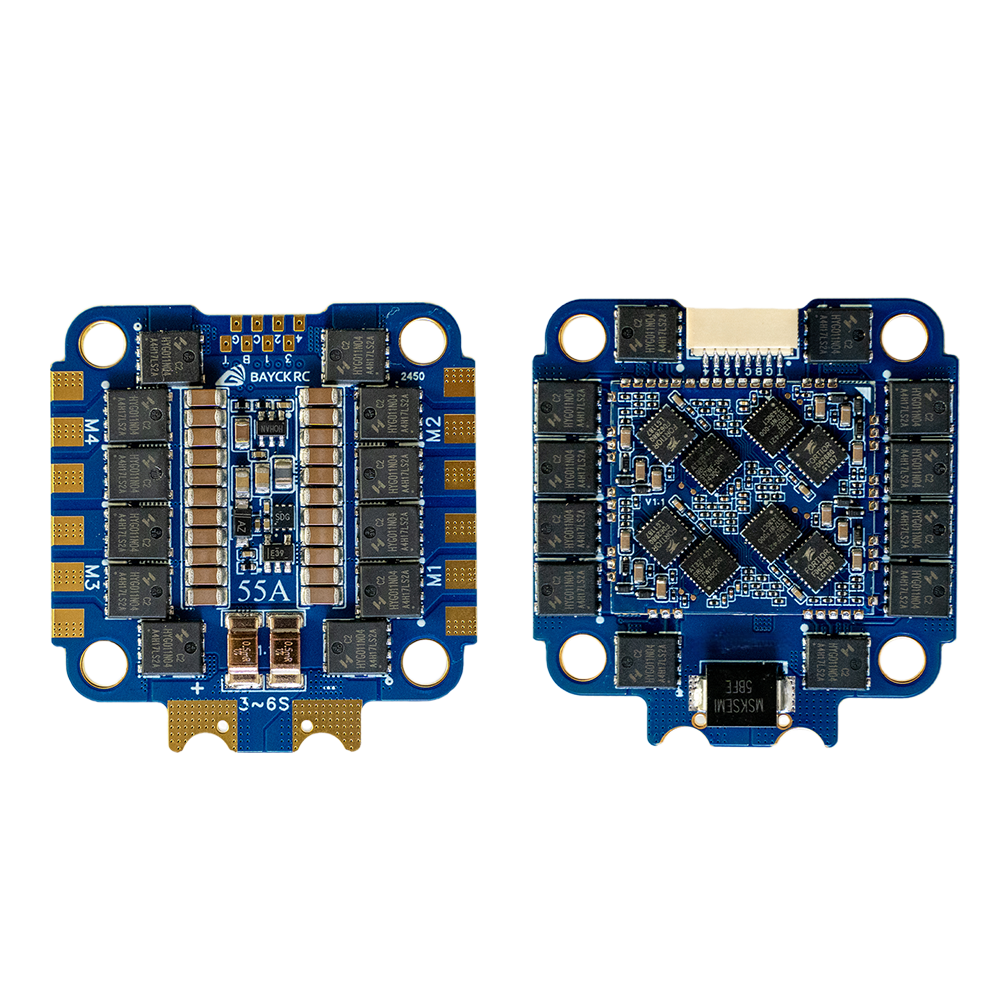
- Whether propulsion combo kits reduce unit cost versus buying motors and ESCs separately.
- Whether frame-level spares are available through the same drone frames range as your airframes.
Budgeting tip: fund the bin, not the shelf
School budgets are usually annual. Reserve a fixed consumables line each year for propellers, batteries and fasteners, and a smaller capital line for structural spares. Treating consumables as capital spending is a common cause of mid-season shortages.
Where Drone Soccer Spares Fit a Wider STEM Programme
Repair work is teachable content. A documented repair station gives students practice in diagnosis, measurement, safe tool use and record-keeping—skills that transfer well beyond drone soccer.
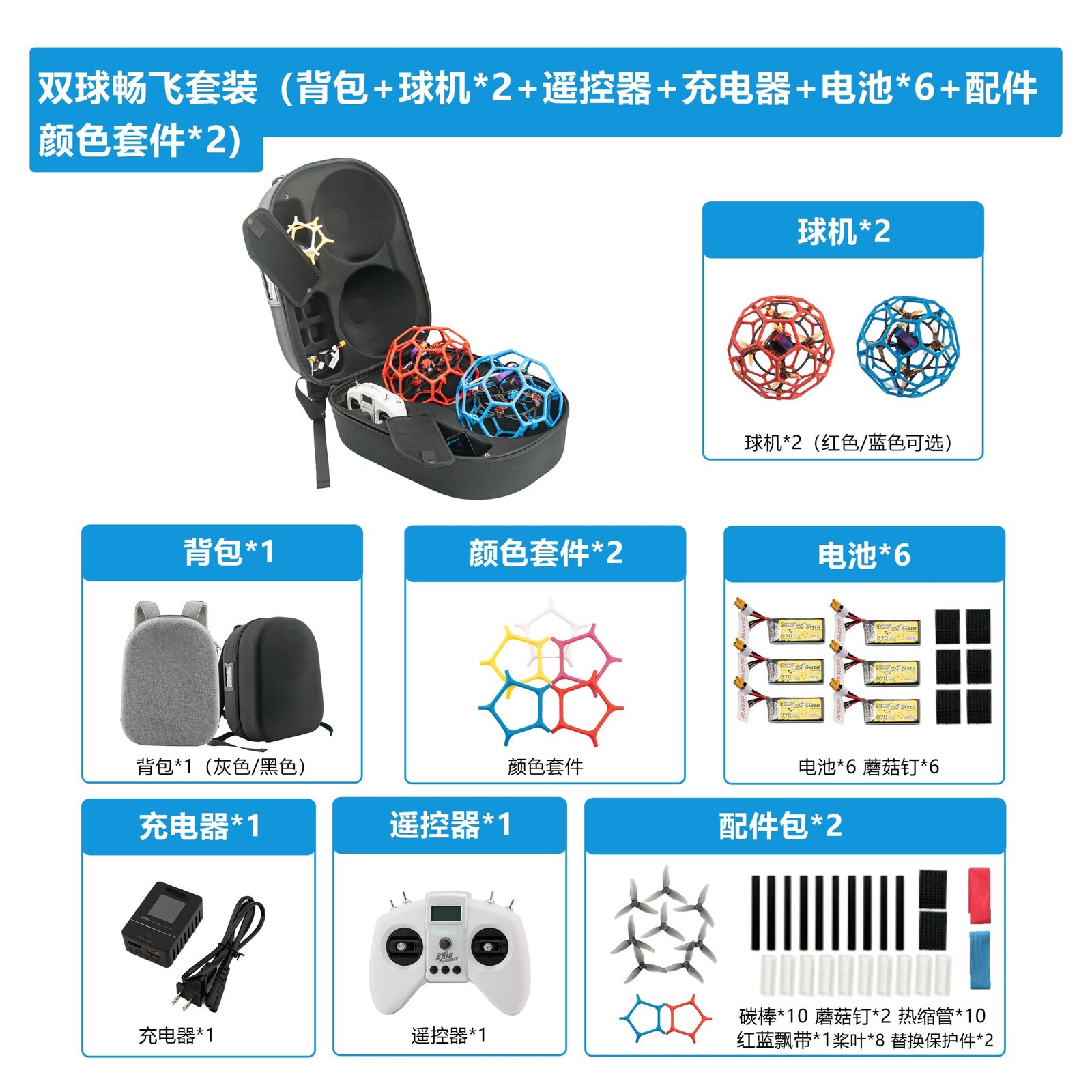
If your programme also builds or maintains other airframes, standardising on shared hardware families can simplify spares. A dedicated category of drone soccer replacement parts keeps match-critical items separate from general workshop stock.
FAQ: School Drone Soccer Spare Parts
1. What is the single most important spare to keep?
Protective shells, because drone soccer drones are designed to absorb impacts. Confirm shell compatibility with your exact airframe revision before ordering.
2. Do we need a spare flight controller per drone?
No. Flight controllers are usually replaced only after physical damage. Keep a small shared reserve and check whether the issue is hardware or firmware before replacing a board; Betaflight notes that manufacturers, not the firmware project, support their own hardware (Betaflight documentation).
3. How many propellers should a class of 20 students hold?
Sizing depends on session hours and how often drones fly. Start conservatively, log propeller usage for one term, then adjust. The matrix above offers an indicative starting ratio per 10 drones.
4. Can we mix motors from different suppliers?
Only if specifications match closely. Mismatched motor characteristics can cause inconsistent flight behaviour. Confirm stator size, KV class and mounting pattern with the supplier in writing.
5. How should we store spare batteries?
Follow the battery manufacturer’s storage and charging instructions, and follow your school’s safety policy. Retire swollen or damaged packs rather than returning them to service.
6. What should we confirm before signing a purchase order?
Part numbers, compatibility, quantities, pricing validity, delivery terms, minimum order quantities, warranty and returns. If a supplier cannot confirm these in writing, treat the price as provisional.
7. Is it cheaper to buy a complete spare drone than individual parts?
It can be, particularly if you need several part groups at once. Compare the cost of a complete airframe against the sum of the individual spares you would actually use, and ask the supplier for both quotes before deciding.
Conclusion: Build the Spares Bin Before You Need It
A school drone soccer programme is only as resilient as its spare-parts bin. Prioritise shell and propeller stock, keep a modest reserve of motors, arms and electronics, and confirm compatibility and commercial terms in writing before you commit budget. Log what you use, review the list term by term, and let real failure data—not a catalogue—set your quantities.
The next step is a written quotation you can take to your purchasing department. Request a School Program Quote and ask specifically for a spare-parts list, compatibility confirmation, delivery terms and warranty details for the categories you plan to stock.