Quick summary
A school tender for drone equipment should define the educational outcomes, specify technical and safety requirements, and set clear commercial and evaluation terms. Include scope (drone soccer kits, parts, spares), compliance and safety criteria, delivery, training, warranty, pricing structure and evaluation weightings. This helps bulk procurement by schools and governments compare suppliers fairly. Below is a practical framework, a comparison table, a procurement checklist and FAQs.
Key Takeaways
- A strong school drone tender starts with learning outcomes and program design, then translates them into specifications and quantities.
- Separate mandatory compliance items from desirable features so suppliers can respond realistically.
- Require itemised pricing, spare parts lists and documentation to compare total cost of ownership.
- Build in training, support and warranty expectations, and ask suppliers to confirm details in writing.
- Use a transparent evaluation matrix and clarifications process to reduce disputes and re-tenders.
Why a clear tender matters for bulk procurement by schools and governments
Public and school procurement often follows formal rules. A vague tender invites inconsistent bids, making price comparison unreliable and increasing the risk of buying equipment that does not fit the classroom or competition program. Clear requirements also protect you during audit and evaluation.
Good tenders state what the drones must achieve educationally and operationally, not just list model numbers. That lets suppliers propose equivalent solutions while keeping competition fair.
Step 1: Define educational outcomes and program model
Before writing specifications, decide what the drones will be used for. Different uses need different equipment.
- STEM and coding classes: programmable flight, sensors, classroom-safe flight options.
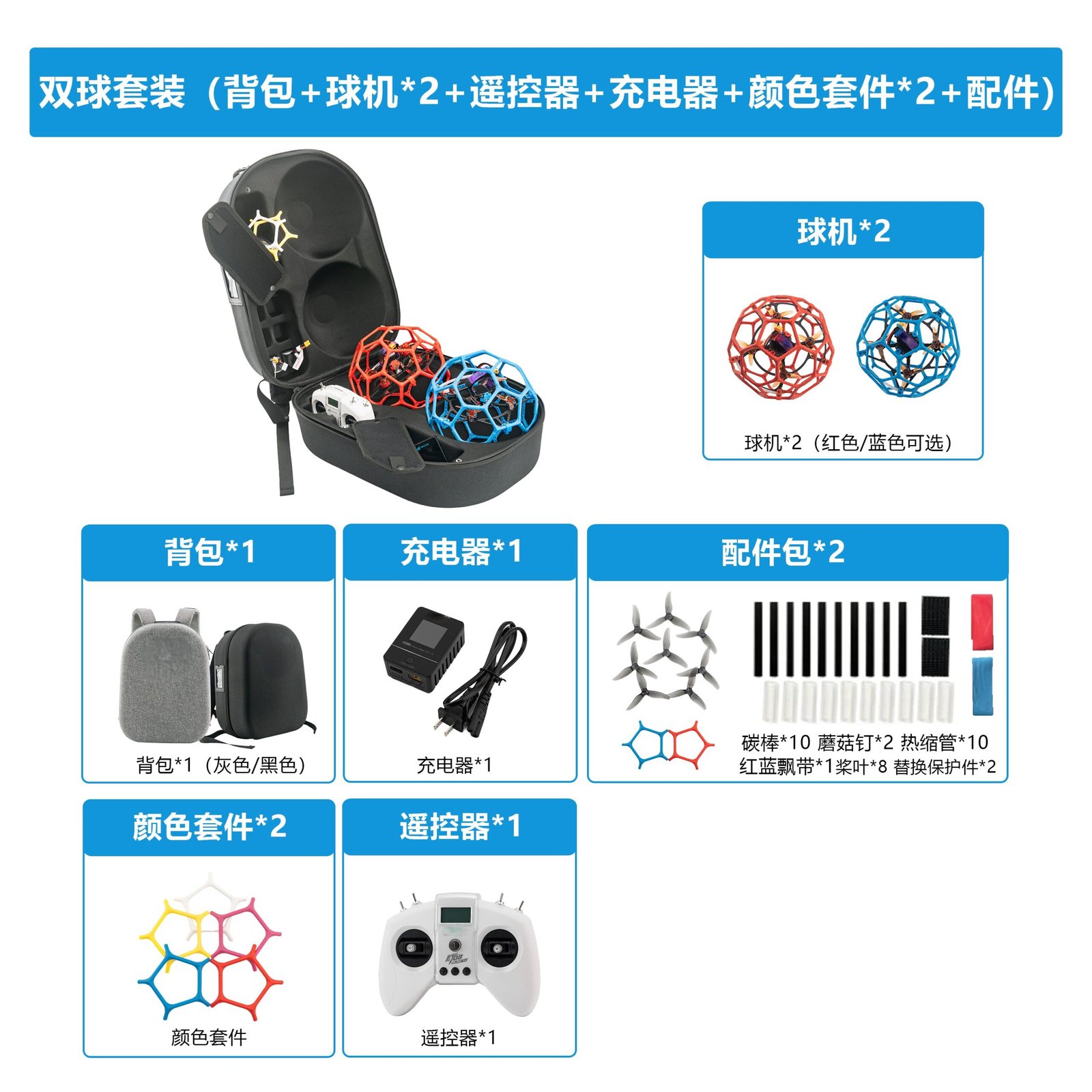
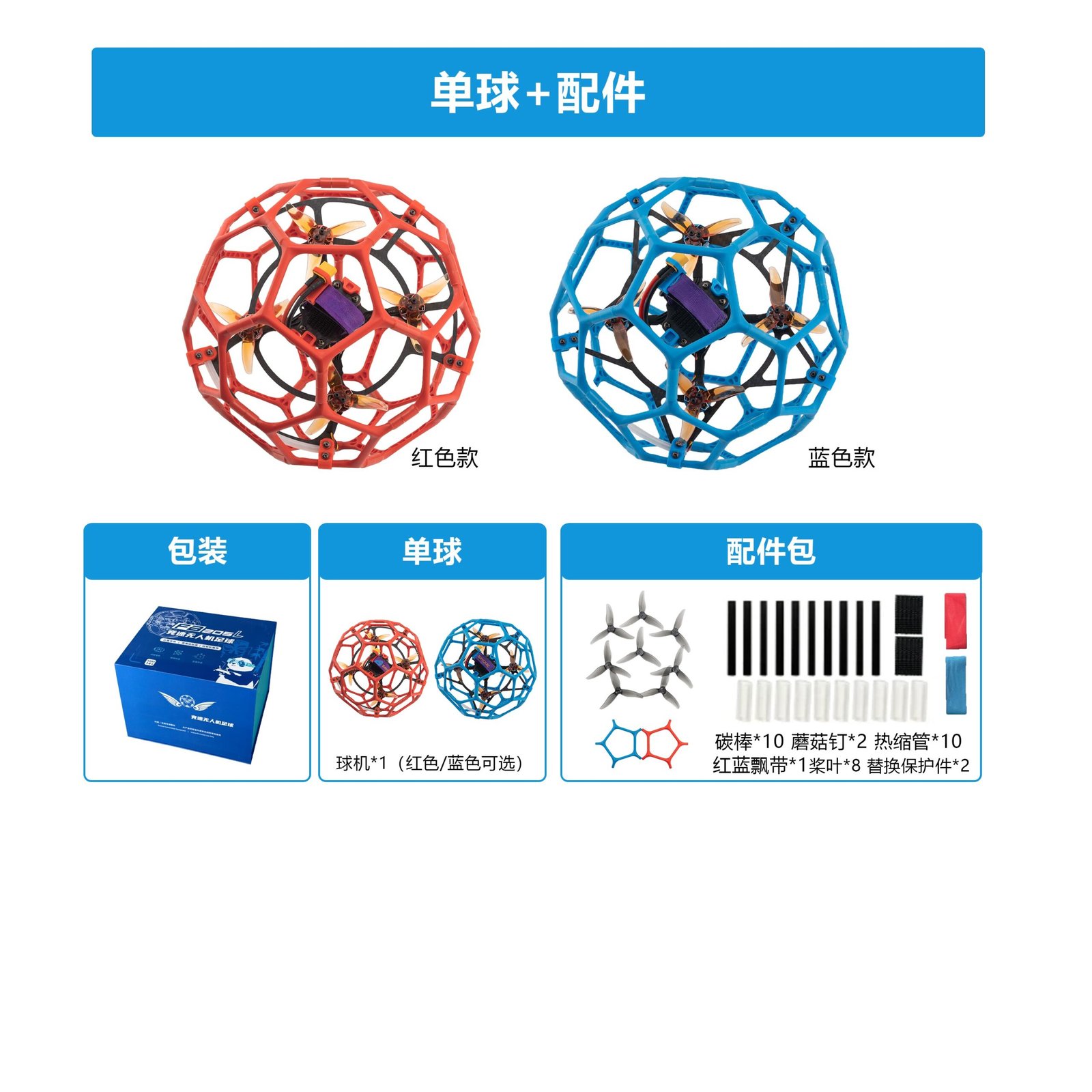
- Drone soccer (a team sport using enclosed drones in a cage): durable frames, protective balls, team kits, field equipment.
- FPV (first-person view) training: goggles, transmitters, simulators, safety gear.
- After-school clubs and competitions: spare parts, repair stations, consistent parts availability.
Document the target class size, number of teams, sessions per week and competition calendar. These numbers drive quantities and spare parts planning.
Step 2: Write technical specifications that allow fair competition
Specifications should describe function, safety and durability rather than brand names. This keeps the tender open to multiple suppliers and equivalent products.
Core specification areas
- Drone type: drone soccer, FPV trainer, or programmable classroom drone.
- Dimensions and weight: relevant for indoor flight and storage.
- Power and battery: battery type, charging method, spare batteries.
- Materials and durability: frame material, replaceable parts, impact protection.
- Radio and control: frequency, transmitter type, goggles compatibility.
- Safety features: prop guards, low-battery warnings, failsafe behaviour.
- Documentation: user manual, safety guide, quick-start guide.
Where you are unsure of exact values, describe the requirement as a question for suppliers to answer. For example: “State the battery type and typical flight time per charge under indoor training conditions.”
Step 3: Set quantity and spare parts requirements
Bulk procurement by schools and governments often fails at the spares stage. Drones used by students will need replacement parts. Include a spare parts schedule with estimated annual consumption.
- Number of drones, transmitters, goggles and balls per team.
- Spare propellers, motors, frames, batteries and charging equipment.
- Storage and transport cases for classroom and event use.
- Consumables and tools for basic repair.
Ask suppliers to quote spares separately so you can compare ongoing costs. If you plan multi-year programs, ask how parts availability is managed over time. DPF’s bulk production page explains how volume orders and spare parts can be coordinated.
Step 4: Compliance, safety and risk management
Requirements depend on your country, region and site. Do not assume a supplier’s product meets your local rules. Instead, state what you need and ask for evidence.
- Electrical safety: ask for relevant documentation for batteries and chargers.
- Radio equipment: ask whether the product complies with your national radio regulations.
- Battery transport and storage: ask for handling and storage guidance.
- Insurance and liability: ask what documentation the supplier can provide for your risk assessment.
- Data and privacy: for programmable drones, ask whether any software collects data and how it is handled.
Frame these as verification requests. A responsible supplier should tell you what they can and cannot confirm rather than overstate compliance.
Step 5: Commercial terms and pricing structure
Ask for a pricing schedule that separates hardware, spares, training, delivery and optional services. This makes evaluation transparent and avoids hidden costs.
| Cost category | What to request | Why it matters |
|---|---|---|
| Hardware | Unit price per drone, transmitter, goggles, balls | Core comparison |
| Spare parts | Itemised spare parts price list | Total cost of ownership |
| Training | Teacher training days, materials, online support | Adoption and safety |
| Delivery | Incoterms, packaging, customs documents | Landed cost |
| Warranty | Duration, coverage, claim process | Risk transfer |
| Optional | Customisation, logos, packaging, storage | Program identity and logistics |
For unverified commercial terms, do not invent numbers. Ask each supplier to state warranty period, lead time, minimum order quantity and payment terms in their bid, and confirm them in the contract.
Step 6: Evaluation criteria and weightings
Publish the evaluation matrix in the tender. This reduces challenges and helps suppliers focus on what matters.
- Technical compliance with mandatory specifications.
- Total cost, including spares and training.
- Support and training plan.
- Warranty and after-sales process.
- Delivery schedule and references from similar education or youth programs.
- Customisation capability, if you need school branding.
Decide weightings before opening bids. Keep a written record of clarifications.
Comparison table: off-the-shelf vs customised school drone kits
| Factor | Off-the-shelf kits | Customised / OEM school kits |
|---|---|---|
| Lead time | Often shorter if stock exists | Depends on production schedule |
| Branding | Limited | Possible with logo and packaging options |
| Spare parts | Standard parts | Can be bundled in the same order |
| Specification fit | May need compromise | Can be adapted to program needs |
| Pricing | List price | Volume-dependent, requires quote |
If your program needs school colours, team logos or specific packaging, review logo and packaging customization options before finalising the tender.
Planning a school drone program? Request a School Program Quote and we will help you shape the specification and quantities.
Common mistakes in school drone tenders
- Writing brand-specific specifications that exclude equivalent products.
- Forgetting spare parts and repair tools.
- Not including teacher training or safety documentation.
- Using vague terms such as “high quality” without measurable criteria.
- Failing to state evaluation weightings.
- Assuming a supplier’s certifications apply in your country without asking.
- Leaving delivery, customs and storage responsibilities unclear.
Buyer checklist for drone equipment tenders
- Program goals and number of students/teams documented.
- Mandatory technical specifications listed separately from desirable features.
- Quantity schedule and spare parts list prepared.
- Compliance, safety and battery handling requirements stated.
- Pricing schedule template attached.
- Training, warranty and support questions included.
- Evaluation criteria and weightings published.
- Clarification deadline and contact person named.
- Delivery location, Incoterms and storage requirements specified.
- Contract confirmation process for commercial terms described.
Frequently asked questions
1. Should a school tender specify exact drone models?
Generally no. Specify functional requirements so multiple suppliers can bid. If you must name a model, allow equivalents and state how equivalence will be judged.
2. How do we compare total cost of ownership?
Ask for itemised pricing covering hardware, spares, training, delivery and warranty. Request a multi-year spares estimate based on your usage.
3. What warranty should we ask for?
Do not assume a standard. Ask each supplier to state warranty duration, what is covered, and the claim process, then confirm it in the contract.
4. Can we include custom logos or school branding?
Yes, if the supplier offers it. Ask about minimum quantities, artwork requirements and lead time impact. See DPF’s private label drone parts for how branding can be handled.
5. What safety documentation should we request?
Request battery and charger documentation, radio compliance information, safety guides and storage recommendations. Confirm what applies in your country.
6. How should we handle training in the tender?
Specify the number of teachers to be trained, preferred format (on-site or online), and materials required. Ask suppliers to propose a training plan.
7. What if bids are hard to compare?
Use a published evaluation matrix and issue written clarifications. This keeps the process fair and defensible.
Conclusion and next procurement step
A school drone tender succeeds when it links educational goals, clear specifications, spares planning and transparent commercial terms. Start with outcomes, separate mandatory from desirable requirements, and ask suppliers to confirm every commercial and compliance detail in writing.
For drone soccer (BKZ) programs and custom school kits, review our OEM/ODM service overview and then Request a School Program Quote to discuss quantities, branding and spare parts planning.