Quick summary
Buying drone soccer equipment generally makes sense for companies that plan multiple events, run an internal league or need branded kits for recurring corporate drone team building. Renting suits one-off events, pilot programs and organizations that want to test the format before committing capital. The decision should compare total cost per event, storage, maintenance, staff time, insurance and written rental terms rather than headline price alone.
Key Takeaways
- Buy if you expect several events per year, want control over branding and schedule, and can store and maintain the kit.
- Rent if the first event is a trial, if logistics are complex, or if you lack trained operators and storage space.
- Compare the full cost per event: equipment, shipping, setup, operator time, repairs, insurance and training.
- Confirm rental terms in writing, including damage liability, replacement parts and support response expectations.
- Check local drone rules before flying indoors or outdoors; the FAA educational guidance is a useful starting point for US programs.
What does corporate drone team building actually involve?
Corporate drone team building uses drone soccer, a fast team sport where players pilot small drones inside protective balls through a goal. It combines strategy, coordination and hands-on technology. For companies, the appeal is an active, memorable format that can be branded, scored and run as a tournament.
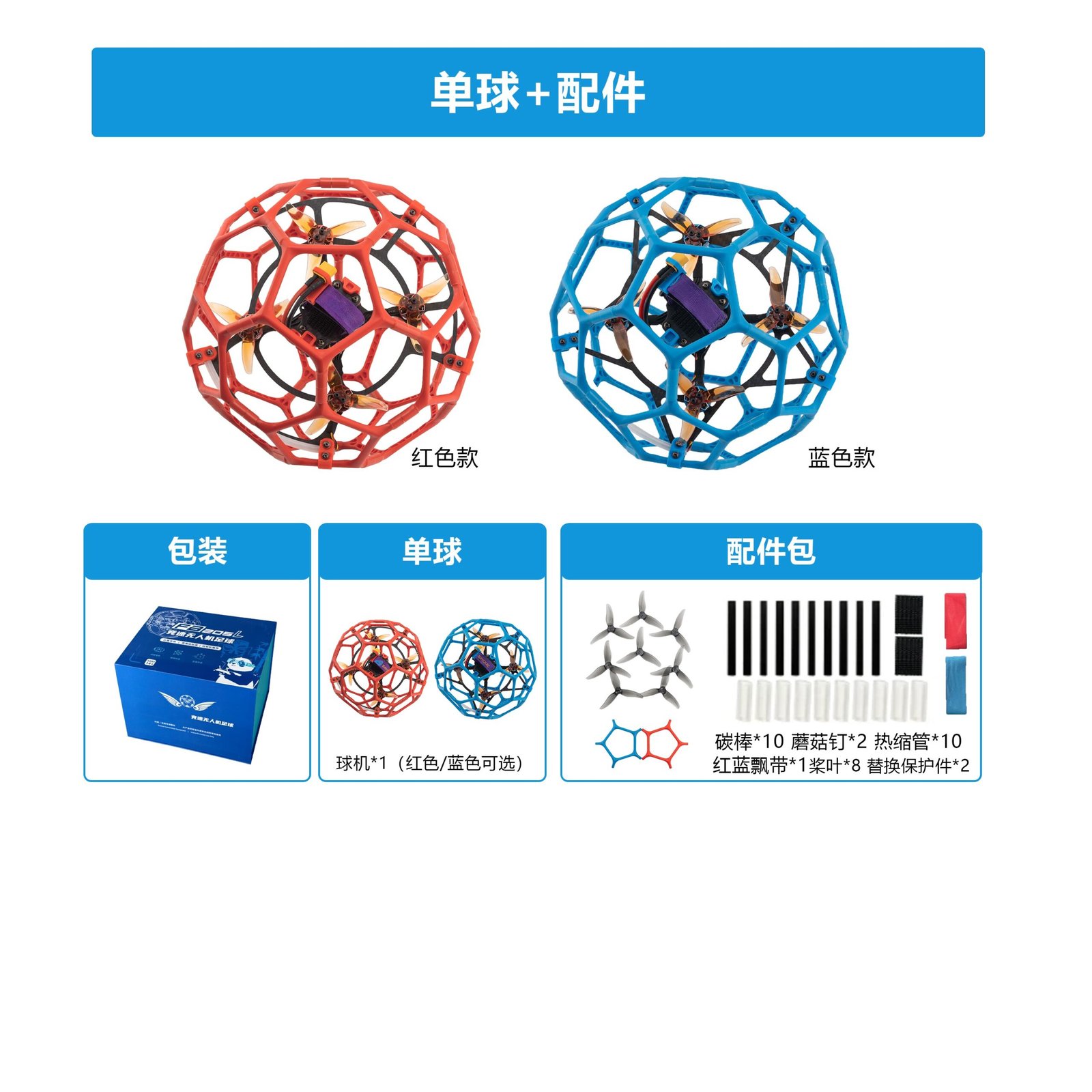
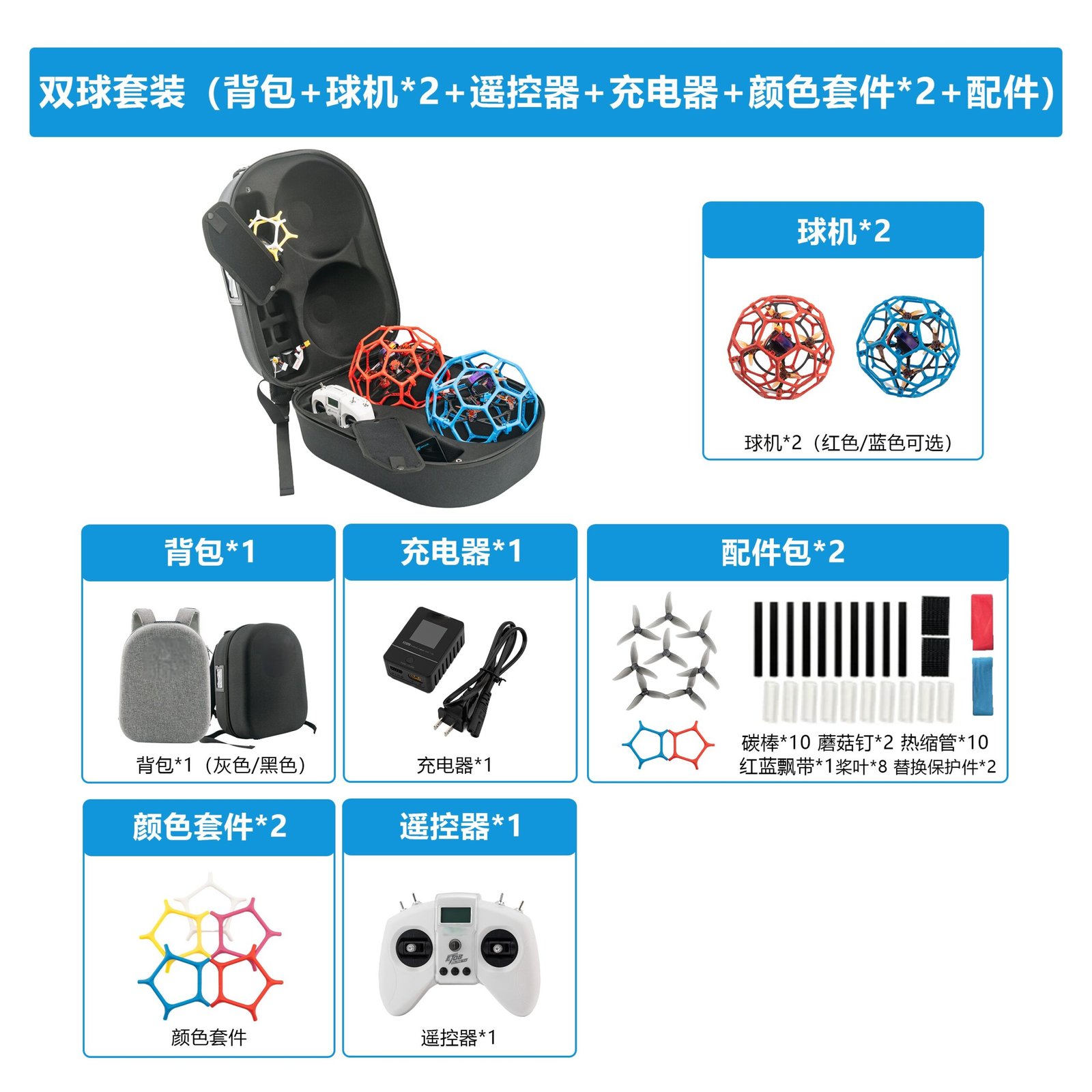
A standard event needs a play area with goals, a set of drones and ball cages, controllers, batteries and chargers, spare parts, and trained facilitators. The more events you run, the more these fixed assets matter in the buy-versus-rent calculation.
Buying vs renting at a glance
The table below summarizes the main trade-offs. It is general guidance, not a quote from any supplier.
| Factor | Buy | Rent |
|---|---|---|
| Best for | Recurring events, internal leagues, branded programs | One-off events, pilots, peak-season overflow |
| Upfront cost | Higher; capital purchase | Lower; per-event fee |
| Cost per event | Falls with repeated use | Stays roughly fixed |
| Control | Full control of schedule, branding and configuration | Limited by rental inventory and terms |
| Storage | Requires secure space | Supplier handles storage |
| Maintenance | Buyer responsibility; spare parts needed | Usually supplier responsibility, but confirm |
| Staff training | Invest once, reuse | May be included or charged separately |
| Damage risk | Owner bears repair cost | Renter may bear damage or loss charges |
| Flexibility | Can customize kits and branding | Restricted to available packages |

When buying is the better choice
Buying is usually better when drone soccer is part of an ongoing program rather than a single event. Companies that run quarterly team days, sponsor a school league or operate an internal competition need equipment available on demand.
Recurring use and cost per event
If you run three or more events per year, the purchase price can be spread across each use. Ask suppliers for a total cost of ownership breakdown covering drones, ball cages, controllers, batteries, chargers, spare propellers and storage cases. Then divide by expected events to compare against rental quotes.
Branding and customization
Buying gives you control over branding, kit configuration and accessories. For brand events, customized balls or drone markings can strengthen the experience. Confirm with the supplier what customization is possible and whether it affects lead time or spare-part compatibility.
Training and internal capability
Owning equipment encourages internal facilitators to become proficient. That capability supports corporate drone team building programs, school outreach and STEM drone education and training. Training costs are a one-time investment that pays back across events.
When renting is the better choice
Renting reduces upfront risk and shifts logistics to the supplier. It suits one-off corporate events, conference activations and pilot programs where the company has not yet validated demand.
One-off events and pilots
For a single annual event, rental avoids storage, maintenance and depreciation. A pilot rental also lets you test attendee response before proposing a larger budget.
Logistics and staffing
Rental packages may include delivery, setup and on-site support. Confirm exactly what is included: facilitator time, technical support, spare batteries and damage cover. These details change the effective cost comparison.
Peak-season flexibility
If your events cluster around year-end or conference season, rental can smooth capacity without owning idle equipment. Check availability early and lock dates in writing.
Common mistakes in the buy-versus-rent decision
- Comparing rental price with purchase price without adding shipping, storage, maintenance and staff time.
- Assuming rental includes trained facilitators or damage cover.
- Buying before checking storage space, charging capacity and local flight rules.
- Ignoring spare parts and battery replacement costs in a purchase plan.
- Signing rental terms without written damage liability and replacement-part pricing.
Procurement checklist for corporate buyers
Use this checklist to structure supplier conversations. Items marked as questions should be confirmed in writing with each supplier.
- Define the number of events, participants per event and venue type.
- Request a written quote separating equipment, shipping, setup, training and support.
- Ask for the rental damage policy, deposit terms and replacement-part prices.
- Confirm battery quantity, charging time and spare-part availability.
- Ask what operator training is included and whether refresher training is available.
- Confirm storage requirements: case dimensions, weight and environmental limits.
- Ask about branding and customization options and their effect on lead time.
- Request the warranty terms in writing; do not rely on verbal assurances.
- Check insurance requirements for the venue and participants.
- Verify local drone rules and any venue restrictions before booking.
Regulatory and safety questions to settle before booking
Drone rules vary by country and venue. In the United States, the FAA explains that drones flown for educational purposes are regulated under the Exception for Limited Recreational Operations or under the Small Unmanned Aircraft Systems Rule (FAA educational users guidance). It also notes that qualifying educational organizations may operate under the recreational exception, while others may need to operate under Part 107. Corporate events are not automatically covered by educational provisions, so confirm the applicable rules with the venue and a qualified adviser.
Indoor flight may reduce some outdoor risks but does not remove safety obligations. Ask suppliers and venues about netting, spectator distance, battery charging safety and emergency procedures.
For recurring corporate programs, our overview of drone soccer systems can help you scope the equipment categories to discuss with suppliers.
Cost factors beyond the headline price
Both options carry costs that are easy to miss. For buying, add storage, insurance, battery replacement, spare propellers, ball-cage repairs and facilitator time. For renting, add delivery, deposits, damage charges and any facilitator fees.
A practical approach is to build a three-year comparison using your expected event count. Ask each supplier for written assumptions so the comparison is like-for-like.
How Drone Parts Factory can support corporate programs
Drone Parts Factory supplies drone soccer equipment and related components for programs that include drone soccer clubs, schools and event organizers. For corporate buyers, the useful next step is to share your event profile: number of participants, venue, frequency and branding needs. The team can then discuss suitable configurations and commercial terms.
If your program also involves schools or youth outreach, see our resources for schools and training organizations and drone soccer competitions.
Ready to compare options? Book a Demo with our team to discuss your corporate drone team building plans.
Frequently asked questions
Is it cheaper to buy or rent drone soccer equipment for one event?
Renting is usually cheaper for a single event because you avoid purchase, storage and maintenance costs. Buying becomes more economical when you expect several events per year and can reuse the equipment.
What should a rental agreement include?
Ask for written terms covering delivery, setup, operator support, damage liability, deposits, replacement-part pricing and cancellation. Confirm what happens if equipment fails during the event.
Can we brand the drones or balls for a corporate event?
Branding options vary by supplier and product. Ask what can be customized, whether customization affects certified performance, and how it changes lead time and cost.
Do we need trained staff to run a corporate drone soccer event?
Yes, facilitators should understand setup, safe charging, basic repairs and game rules. Ask whether training or on-site support is included in the rental or purchase package.
What are the storage requirements for purchased equipment?
Storage depends on kit size and battery handling. Ask suppliers for case dimensions, weight and recommended environmental conditions, and confirm you have secure, dry space with suitable charging facilities.
How do drone rules affect corporate events?
Rules differ by country and venue. In the US, the FAA provides guidance for educational users, but corporate events should confirm applicable requirements with the venue and a qualified adviser. Do not assume educational exceptions apply to corporate use.
What information should we give suppliers for an accurate quote?
Provide event dates, venue type, number of participants, desired session length, branding needs and whether you need facilitators. Ask for a written quote separating equipment, shipping, setup, training and support.
Conclusion
Buying drone soccer equipment is the stronger choice for recurring corporate drone team building, internal leagues and branded programs that need schedule control. Renting is the lower-risk route for one-off events and pilots. Compare total cost per event, confirm rental terms in writing and check local rules before committing. To move forward, Book a Demo and share your event profile with our team.