Quick summary
A single-ball bundle is a spare or replacement ball only, usually for a team that already owns working sets. A controller bundle adds the transmitter hardware needed to fly one aircraft. A ready-to-fly (RTF) bundle includes the aircraft, controller, battery, charger and often the ball, so a new team can fly out of the box. The right choice depends on whether you are starting a program, expanding it, or replacing worn parts.
Key Takeaways
- Single-ball and controller bundles are spares or expansion items, not starter kits.
- RTF bundles are the default choice for schools and clubs launching a new drone soccer program.
- RTF is a marketing and configuration term, not a safety or legal classification.
- Always confirm what is inside the box in writing, including battery, charger and ball.
- For US educational programs, confirm whether you will operate under 49 U.S.C. § 44809 or Part 107 before you buy.
Why drone soccer equipment bundles are not one product
Drone soccer equipment looks simple on a product page: a ball-shaped drone, a controller, a battery. In practice, suppliers sell it in several configurations, and the same supplier may use the same product photo for more than one bundle. That is why two quotes for a “drone soccer set” can differ by hundreds of dollars per unit.
The three terms in this article describe what is physically in the box, not the quality or the intended user. A single-ball bundle is a component purchase. A controller bundle is a partial kit. An RTF bundle is a complete flying package. Distributors and OEM/ODM buyers often care about a fourth thing: which of these items are individually boxed for resale or classroom inventory.
Single-ball bundle: what it is and who it is for
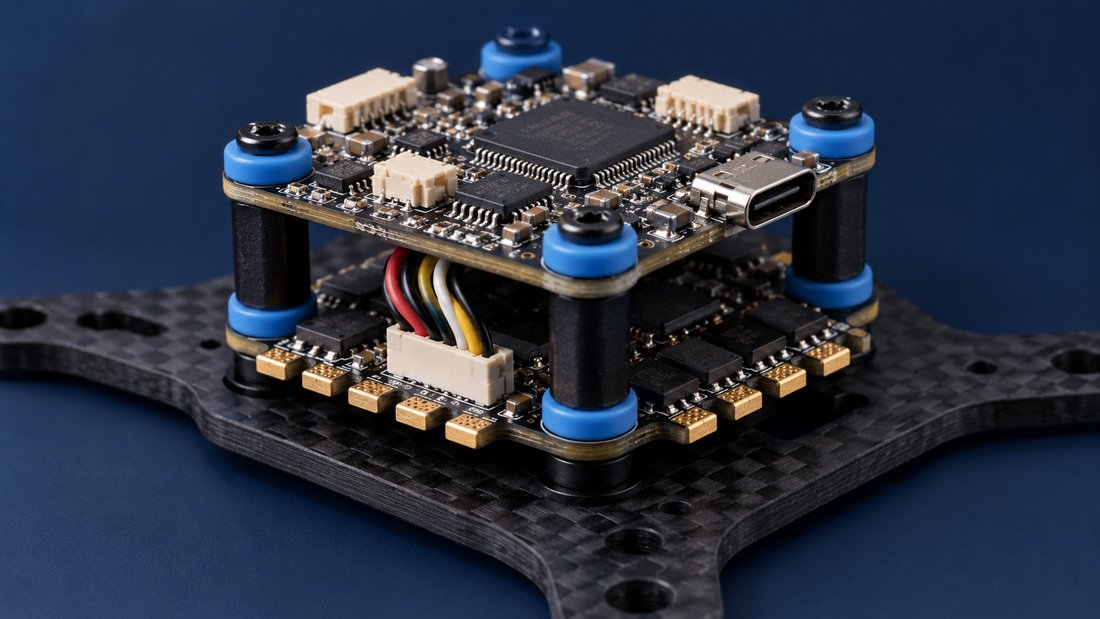
A single-ball bundle contains the ball-shaped drone itself, or the ball shell and its core electronics, without a transmitter, battery or charger. It is the item you buy when a ball is damaged, when a team wants an extra aircraft on the field, or when a coach wants to rotate fresh balls during a tournament.
Typical contents
- One ball-shaped drone, assembled or as a shell plus core module.
- Propeller guards or cage, if the design uses a removable cage.
- Sometimes a spare set of propellers.
- Usually no transmitter, no battery, no charger, no case.
When a single-ball bundle is the right purchase
- You already have working controllers and batteries.
- You are replacing a damaged ball mid-season.
- You want to test one aircraft before committing to a full team set.
- You are an OEM/ODM buyer assembling your own kits and want components.
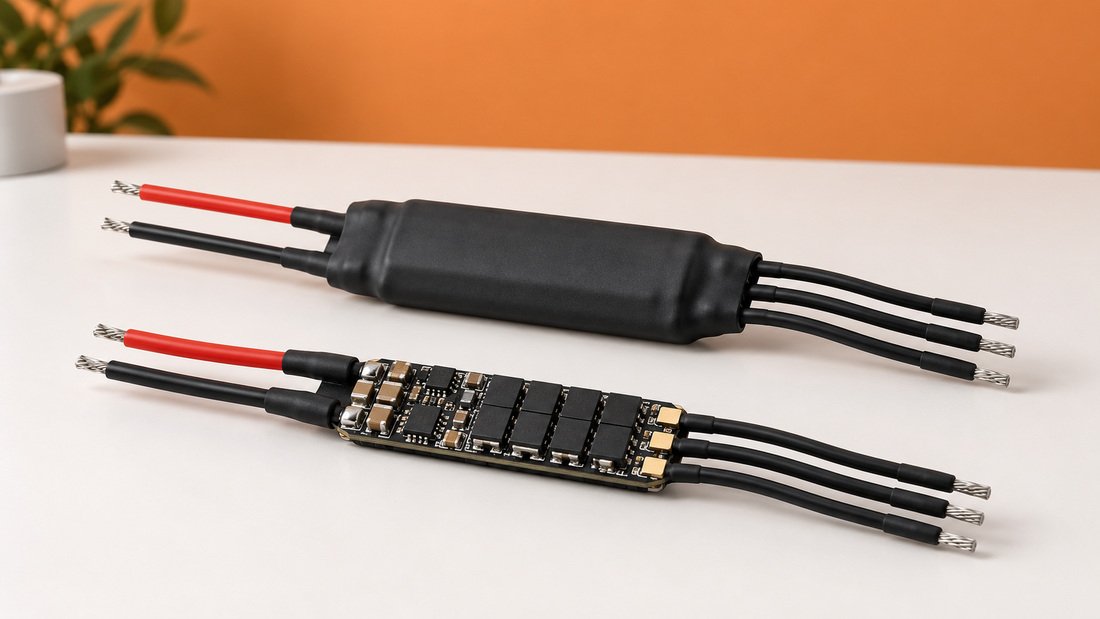
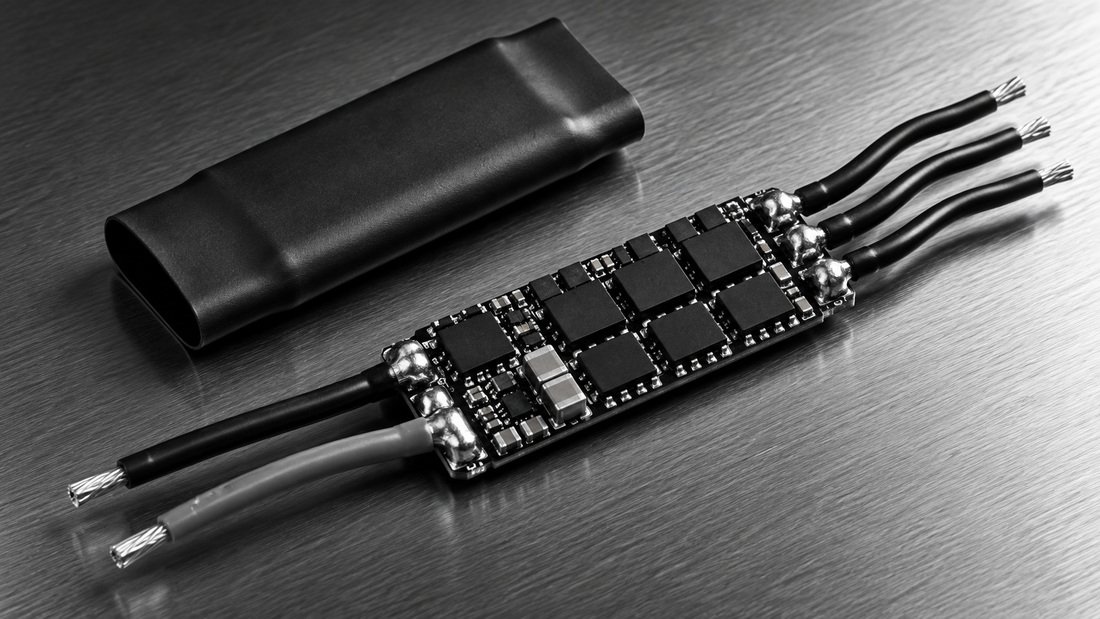
For robotics component details, see our FPV ESC module selection and single ESC module guidance, which explains what to check when comparing electronic speed controllers.
Controller bundle: what it is and who it is for
A controller bundle pairs a transmitter with the receiver hardware needed to bind it. Depending on the supplier, it may also include the ball, or it may be a controller-only package sold alongside separate balls. This is the most frequently misunderstood bundle type, because the word “controller” can mean the handheld transmitter, the flight controller board inside the drone, or a game-style controller.
For drone soccer, “controller bundle” almost always means the handheld transmitter with matching receiver, sometimes with a spare set of gimbals or a neck strap. It is the right purchase when your transmitters fail, when several balls share one transmitter model, or when you want a consistent transmitter across a large club.
Typical contents
- One handheld transmitter.
- Matching receiver or bind procedure documentation.
- Sometimes a strap, spare gimbals or a battery tray.
- Usually no drone, no battery for the drone, no charger.
Trade-offs
A controller bundle is cheaper per unit but does not get a new team flying. It also creates a compatibility question: transmitters and receivers are matched, and mixing brands or models can require rebinding or new receivers. If your club already standardised on one transmitter model, a controller bundle is efficient. If not, it adds configuration work.
Ready-to-fly bundle: what it is and who it is for
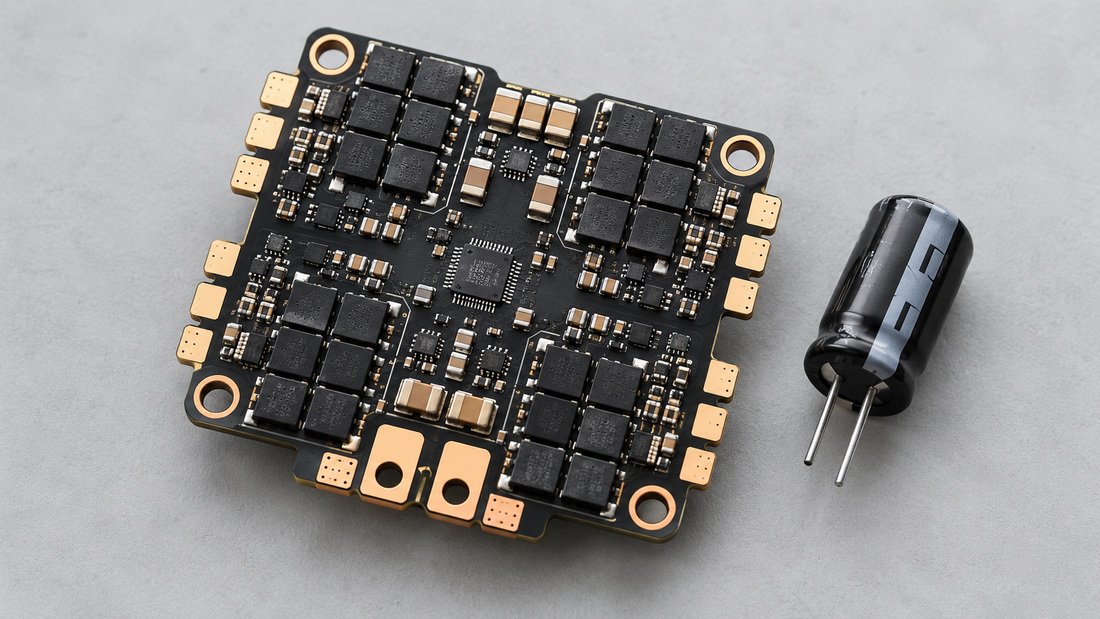
A ready-to-fly bundle is a complete starting package: the ball drone, a transmitter, at least one battery, a charger and usually a storage or transport case. RTF is the fastest path to a first practice session, because the buyer does not have to source compatible batteries or match a transmitter to a receiver.
RTF does not mean “no setup”. The aircraft still needs binding, calibration, propeller checks and battery charging. It means the box contains everything needed to reach that point, subject to what the supplier actually lists.
Typical contents
- One or more ball-shaped drones.
- One transmitter per drone, or one transmitter that can bind to multiple drones.
- One or more flight batteries.
- A charger and the correct charging cable or adapter.
- Often a case, spare propellers and a basic tool.
When RTF is the default choice
- A school or club is launching drone soccer for the first time.
- You need a predictable per-student or per-team cost for a grant application.
- You are buying for a short camp or workshop and cannot manage loose-component sourcing.
- You are an event organiser who needs teams to arrive with working equipment.
Comparison table: single-ball, controller and RTF bundles
| Question | Single-ball bundle | Controller bundle | Ready-to-fly bundle |
|---|---|---|---|
| Includes a ball drone | Yes | Usually no | Yes |
| Includes a transmitter | No | Yes | Yes |
| Includes battery and charger | No | No | Usually yes |
| Best for new teams | No | No | Yes |
| Best for replacement or expansion | Yes | Yes | Sometimes |
| Setup work for the buyer | High | Medium | Low |
| Typical buyer | Existing club, OEM/ODM | Existing club, distributor | School, new club, event organiser |
This table describes the general pattern. Specific bundle contents vary by supplier and by order configuration, so treat it as a question list, not a specification.
How to choose for a school, club or event
For schools and training organisations building a first programme, the decision usually comes down to how much staff time is available. An RTF bundle shifts sourcing work to the supplier. A component approach shifts it to the institution, but can lower the unit cost for a technician who already knows the platform.
Clubs expanding an established fleet often buy single-ball bundles, because controllers and batteries already exist and are already understood by coaches. Clubs replacing failed transmitters buy controller bundles. Event organisers usually need RTF bundles or require visiting teams to bring confirmed working equipment, because unboxing and binding on site is a schedule risk.
Regulatory and programme context for US educational buyers
Bundle choice does not change how a drone is regulated. In the United States, drones flown for educational purposes are regulated either under the Exception for Limited Recreational Operations of Unmanned Aircraft (49 U.S.C. § 44809) or under the Small Unmanned Aircraft Systems Rule (14 CFR Part 107), according to the FAA’s educational users guidance at https://www.faa.gov/uas/educational_users.
The same guidance explains that a statutory provision in P.L. 116-283, Section 10002 clarifies that drones flown for educational and research purposes may be operated under § 44809 for qualifying educational organisations, including institutions of higher education, Junior Reserve Officers’ Training Corps (JROTC) programs, and educational programs chartered by an FAA-recognised Community Based Organisation. Educational organisations that do not qualify as institutions of higher education and are not part of a JROTC program must be chartered by a recognised CBO to operate under § 44809; otherwise, they must operate under Part 107.
This matters for procurement because it determines what documentation and training your programme may need. It does not determine whether you buy a single-ball, controller or RTF bundle. Confirm your operating pathway with your own aviation counsel or the FAA before you commit to a programme, and do not assume a supplier’s marketing language settles the question.
Remote ID and FRIA considerations
The FAA guidance also notes that FAA-Recognised Identification Areas (FRIAs) are locations where drones can be flown without Remote ID, and that educational institutions, including primary and secondary educational institutions, trade schools, colleges and universities, are eligible to request the establishment of a FRIA. If your gym, hall or field is central to your programme, this is worth raising with your administration early, because it can affect where you can practise.
For US youth programmes, note that the supplied FAA material references JROTC and CBO chartering for section 44809 eligibility. Other jurisdictions have their own rules; verify locally.
Common mistakes when buying drone soccer equipment
- Assuming “bundle” means complete. A bundle can be two items or twelve. Read the line-item list, not the banner headline.
- Buying single balls for a new team. Without transmitters and batteries, the equipment cannot fly.
- Mixing transmitter models across a club. This creates binding and spare-parts confusion later.
- Forgetting chargers and power. A hall with limited outlets changes how many batteries you need per session.
- Ignoring battery storage and transport rules. Ask the supplier what documentation and packaging they provide.
- Treating a quote as a specification. Ask for a written contents list, part numbers and a photo of the actual box contents.
- Assuming a supplier’s safety claims replace your own risk assessment. Your school or venue will have its own requirements.
Procurement checklist before you order
- Confirm the exact contents of each bundle in writing, item by item.
- Confirm what is not included: batteries, chargers, cases, spare propellers, tools.
- Confirm transmitter and receiver compatibility, and whether spare receivers are available.
- Confirm battery chemistry, voltage, connector type and whether spares are stocked.
- Confirm whether spare balls, controllers and batteries can be ordered separately after the initial purchase.
- Request the user manual and any safety documentation in your language.
- Ask about packaging: individual boxes for classroom inventory, or bulk cartons for club storage.
- Ask how firmware or configuration updates are handled, and whether they are user-serviceable.
- For distributor and OEM/ODM orders, ask about branding, packaging and documentation options, and confirm all terms in writing.
- Confirm lead time, warranty terms, MOQ and returns policy in writing. Do not rely on this article for those terms.
If you are comparing suppliers, read STEM drone education and training guidance and our pages for schools and training organizations and drone soccer clubs to see how programmes typically map equipment to age groups and session length.
Ready to move from comparison to a written contents list? Request a Team Kit Quote and tell us your team size, age group and whether you need starter or replacement equipment.
Frequently asked questions
Is a ready-to-fly bundle always the best value for a new team?
It is usually the fastest route to a first session, but not always the cheapest per aircraft over several years. Compare the RTF price against a single-ball plus controller plus battery combination using the supplier’s own line items, and include the staff time needed to source and match components.
Can I use single-ball bundles to expand an existing fleet?
Yes, if the new balls are compatible with your existing transmitters, batteries and receivers. Confirm compatibility before ordering, because ball shells, motor mounts and battery connectors can differ between generations of the same product family.
Does a controller bundle include the ball drone?
Usually not. In most supplier catalogues, a controller bundle is a transmitter and receiver package. Some suppliers include a ball to create a two-item starter set, so ask for the line-item list rather than relying on the bundle name.
Do drone soccer bundles include spare parts?
Some do, some do not. Spare propellers or a tool are common inclusions; spare motors, electronic speed controllers (ESCs) and battery packs usually are not. Ask specifically which spares are included and which must be ordered separately.
How many balls and controllers should a club buy per team?
There is no universal ratio. It depends on field size, substitution rules, session length and how quickly your programme can charge batteries. Ask your league or competition organiser what a match requires, then add a realistic spare margin for damage and charging downtime.
Does buying an RTF bundle change which US rules apply?
No. The FAA’s educational users guidance describes educational drone operations as governed by either 49 U.S.C. § 44809 or 14 CFR Part 107, depending on the organisation and the purpose of flight. Bundle type is a commercial packaging term and does not determine your regulatory pathway.
What should distributors and OEM/ODM buyers ask for?
Ask for a component-level bill of materials, packaging options, branding options, documentation, lead time, minimum order quantity and warranty terms. Request all of these in writing, and treat any verbal figure as unconfirmed until it appears in the quotation or contract.
Conclusion and next step
The difference between single-ball, controller and ready-to-fly bundles is mainly about what is in the box. Single-ball bundles are replacement or expansion units. Controller bundles add transmitter hardware for teams that already own balls. RTF bundles are complete starting packages for schools, new clubs and event organisers. None of them is automatically the right answer, because the right answer depends on your existing inventory, your staff capacity and how your programme is regulated.
Before you order, get a written contents list, confirm spares availability and check your operating pathway under your local rules. If your programme operates in the United States, review the FAA’s guidance at https://www.faa.gov/uas/educational_users and speak to your administration or aviation adviser.
For a written comparison of single-ball, controller and ready-to-fly options for your team size, Request a Team Kit Quote. Include your country, team size, age group and whether you are starting or expanding, and ask us to itemise the bundle contents so you can compare like for like.