Quick summary
Teaching beginners to fly a drone soccer ball starts with a structured progression: ground school on regulations and safety, simulator practice, tethered or low-power hovering, then controlled flight in a protected cage. Keep sessions short, pair students, and use the drone soccer ball’s protective cage to reduce fear and damage. Always follow local aviation rules; in the US, educational flights may fall under the Exception for Limited Recreational Operations (49 U.S.C. § 44809) or Part 107, depending on the program’s status and purpose.
Key Takeaways
- Start with rules and safety, not sticks: beginners need to understand airspace, battery handling, and field discipline before flying.
- Use a progressive flight curriculum: simulator, tethered hover, basic maneuvers, then game-like drills.
- The drone soccer ball’s cage makes it ideal for indoor youth training, but rotor safety and battery care still matter.
- Check your regulatory path early—US educational organizations may need a CBO charter or Part 107, and a FRIA can simplify Remote ID compliance.
- Document equipment checks and incident reports to build a culture of safety and satisfy school risk managers.
What is a drone soccer ball and why is it good for beginners?
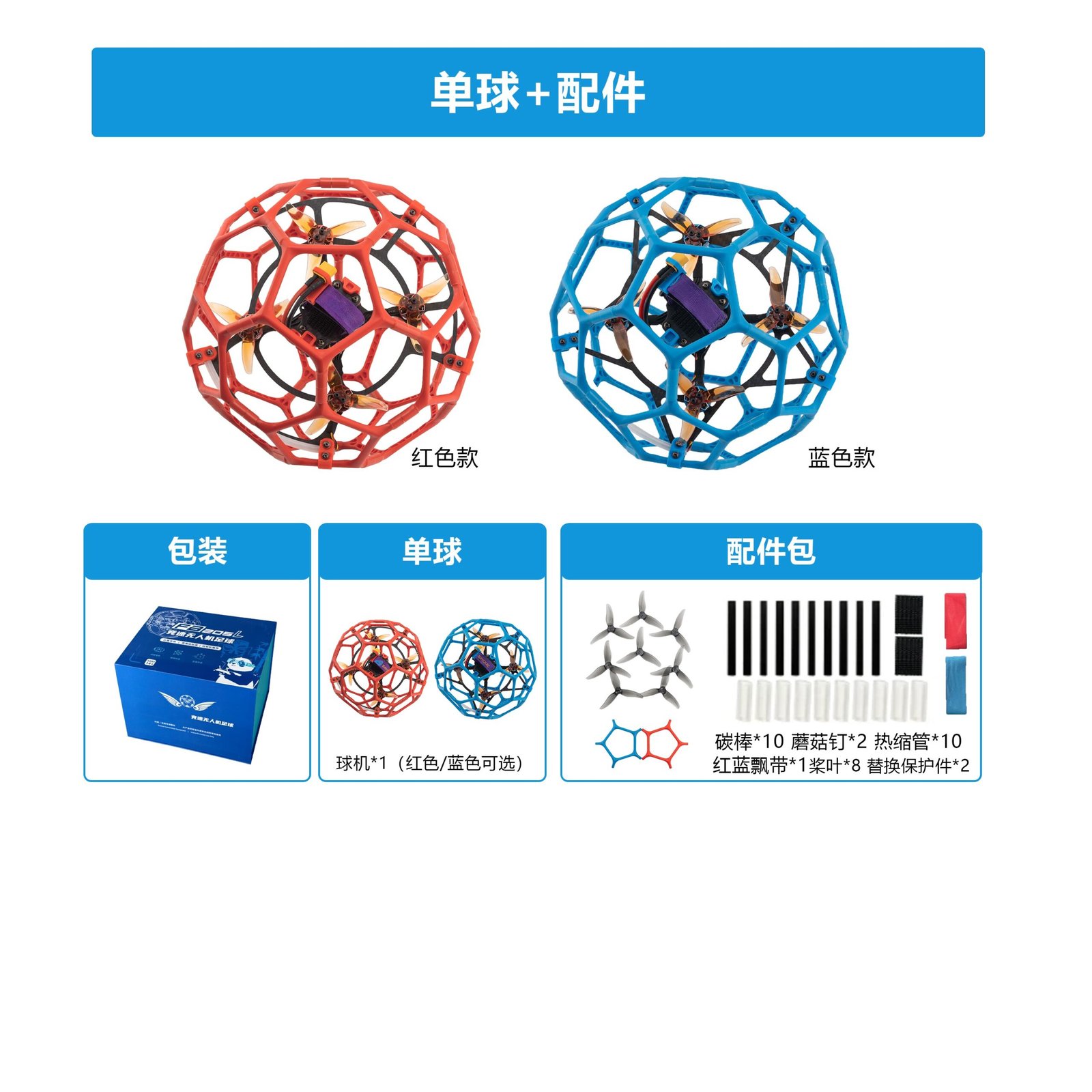
A drone soccer ball is a small quadcopter enclosed in a protective spherical cage, designed for the sport of drone soccer. The cage protects the propellers and makes collisions less damaging, which is ideal for beginners who are learning in groups.
For youth training, the drone soccer ball offers several advantages: it is visually engaging, it tolerates bumps, and it encourages teamwork through gameplay. Schools and clubs can use drone soccer systems to introduce STEM concepts in a fun, competitive format.
How do you structure a beginner drone soccer training program?
A good program balances ground school, simulator time, and supervised flight. The exact schedule depends on age, group size, and available equipment, but a common progression is:
- Session 1: Rules, safety, and parts identification. No flying.
- Session 2: Simulator practice and tethered hover.
- Session 3: Basic maneuvers in a cage: takeoff, hover, land.
- Session 4: Simple games and teamwork drills.
Keep flying time short—5 to 10 minutes per student—to maintain focus and battery safety. For more detailed curriculum ideas, see STEM drone education and training.
What safety and regulatory rules should beginners learn first?
Safety instruction must come before any flight. Beginners should understand airspace restrictions, battery handling, and the importance of a pre-flight checklist. In the US, the FAA provides guidance for educational users: drones flown for educational purposes are regulated under either the Exception for Limited Recreational Operations (49 U.S.C. § 44809) or the Small Unmanned Aircraft Systems Rule (Part 107). Qualifying educational organizations may operate under § 44809 if they meet specific criteria, such as being institutions of higher education, JROTC programs, or educational programs chartered by an FAA-recognized Community Based Organization. Otherwise, Part 107 applies. Always confirm your program’s status with local authorities. For more, see the FAA educational users page.
Additionally, FAA-Recognized Identification Areas (FRIAs) allow educational institutions to request locations where drones can be flown without Remote ID. This can simplify compliance for school-based programs.
What equipment considerations matter for youth training?
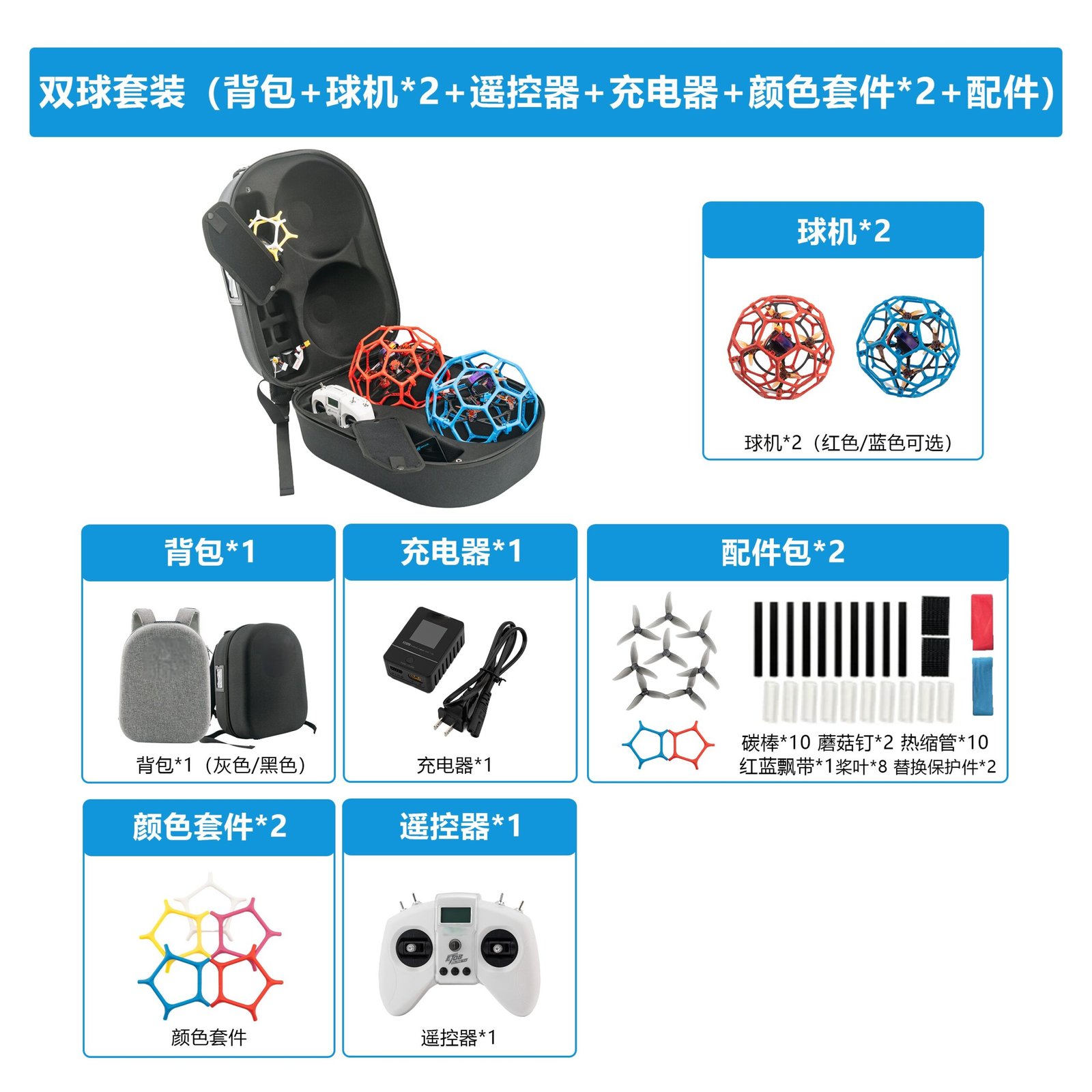
Choose drone soccer balls that are durable and easy to repair. Accessories such as spare propellers, batteries, and protective cages are essential. For organizations procuring equipment, consider schools and training organizations solutions that bundle everything needed for a class.
When evaluating suppliers, ask for written confirmation of spare parts availability, warranty terms, and lead times. DPF does not publish specific MOQs or lead times here; request a quote to confirm.

How do you teach control skills step by step?
Break down flying into small, achievable steps. Start with throttle control to hover at a fixed height, then yaw to rotate, then pitch/roll for forward and sideways movement. Use cones or markers to create simple courses. Emphasize smooth inputs over speed.
Pair students so one flies and one observes, switching roles. This improves safety and peer learning. For game ideas, see drone soccer competitions.
Comparison table: Training approaches for beginners
| Approach | Best for | Pros | Cons |
|---|---|---|---|
| Simulator only | Pre-flight introduction | Zero risk, low cost | Limited realism |
| Tethered hover | First real flight | Prevents flyaways | Restricted movement |
| Caged flight | Basic maneuvering | Safe collisions | Space required |
| Game-based drills | Engagement and teamwork | Fun, motivating | Requires more supervision |
Common mistakes when teaching beginners
- Skipping ground school and rushing to fly.
- Allowing too many students to fly at once without enough supervision.
- Ignoring battery safety (swelling, damage, charging practices).
- Not checking local regulations before flying outdoors.
- Using equipment that is too advanced or not durable enough.
Buyer checklist for schools and clubs
- Confirm the number of students per session and required supervision ratio.
- Verify that drone soccer balls come with spare parts and repairable components.
- Ask for a written quote including shipping, duties, and payment terms.
- Confirm warranty and support policies in writing.
- Check if the supplier provides curriculum resources or teacher training.
- Request a sample unit for evaluation before bulk purchase.
How do you integrate drone soccer into STEM learning?
Drone soccer naturally connects to physics, engineering, and teamwork. Students can learn about forces, energy, and control systems while having fun. Many programs use drone soccer as a hook to attract students to STEM. For ideas on structuring a program, explore drone soccer clubs resources.
Ready to bring drone soccer to your school? Request a School Program Quote to discuss your needs.
Frequently Asked Questions
1. What age can beginners start drone soccer?
Many programs start around age 8–10 with close supervision, but readiness varies. Focus on maturity and ability to follow instructions.
2. Do we need a license to fly drone soccer at school?
In the US, it depends on your program’s status and purpose. Some educational organizations can operate under § 44809; others need Part 107. Check with local authorities.
3. How much space is needed for a drone soccer session?
A small indoor court or gym is ideal. A cage or netting helps contain the drones. For outdoor, ensure a safe area away from people.
4. What maintenance do drone soccer balls require?
Regular checks of propellers, motor mounts, and battery health are important. Keep spare parts on hand.
5. Can we use drone soccer for competitions?
Yes, drone soccer is a competitive sport. See our competition solutions for more.
6. How do we ensure safety during training?
Establish clear rules, use protective equipment, supervise closely, and follow battery safety guidelines.
7. What should we ask a supplier before purchasing?
Request a written quote, confirm spare parts availability, warranty terms, and support. Ask about samples for evaluation.
Conclusion
Teaching beginners to fly a drone soccer ball is rewarding when you combine safety, structured progression, and engaging gameplay. Start with regulations, use the right equipment, and keep sessions focused. For a tailored program, request a quote from Drone Parts Factory to discuss your school or club’s needs.