Quick summary
Teachers supervising LiPo charging in class should keep charging outside the flow of active instruction, use fire-resistant containment, never charge unattended, set chargers to the battery’s rated cell count and current, and assign students only supervised, non-electrical tasks. A written charging SOP, a dedicated charge zone and a fire-resistant surface or container turn a high-risk task into a predictable classroom routine. The rest of this guide covers setup, roles, documentation and procurement questions for schools and youth programs.
Key Takeaways
- Supervision means an adult present and watching the charging process, not just students working nearby.
- Use fire-resistant containment and a non-combustible surface; do not charge inside a bag or on a carpeted floor.
- Match charger settings to the battery’s cell count and rated charge current; never guess.
- Students can help with logging, inspection and equipment staging, but plugging, charging and disconnecting should follow your school’s adult-supervision policy.
- Document your procedures and confirm insurance and safety requirements in writing before the first charge.
Why LiPo charging needs its own classroom procedure
Lithium polymer (LiPo) batteries store a lot of energy in a small package. That energy density is why they power drone soccer in schools, but it also means a charging error can produce heat, smoke or fire. Classroom LiPo charging is therefore a safety procedure, not a background task.
A separate procedure also protects your program. If an incident happens, the first questions from administrators and insurers are usually: who supervised, where did it happen, what equipment was used, and what does your written policy say? Having answers in advance is far easier than reconstructing them.
The difference between recreational and educational flying
Rules for flying drones for education vary by country. In the United States, the Federal Aviation Administration (FAA) explains that drones flown for educational purposes are regulated either under the Exception for Limited Recreational Operations of Unmanned Aircraft or under the Small Unmanned Aircraft Systems Rule (Part 107). The FAA notes that a statutory provision (P.L. 116-283, Section 10002) clarifies that drones flown for educational and research purposes may be operated under § 44809 for qualifying educational organizations, such as institutions of higher education, Junior Reserve Officers’ Training Corps (JROTC) programs, and educational programs chartered by an FAA-recognized Community Based Organization. Organizations that do not qualify must operate under Part 107 or be chartered by a recognized CBO. Teachers should verify which path applies before flight sessions: FAA educational users guidance.
None of this changes the battery chemistry, but it does change your documentation. A program that flies under a formal rule set should also be able to show a charging procedure that matches its risk profile.
Setting up a safe charging station in a classroom
A good charging station is boring by design: fixed location, clear boundaries, nothing unnecessary nearby. Choose a spot away from student desks, paper bins, curtains and high-traffic walkways. Ideally it is visible from wherever the supervising adult normally stands.
Location and surface
Use a non-combustible surface such as a metal tray or ceramic tile, not a wooden bench or laminated desk. Keep the station clear of solvents, aerosols and loose paper. If your room has limited power outlets, use a single approved power strip rather than daisy-chaining extensions, and check that the charger’s input rating matches your supply.
Containment and ventilation
Fire-resistant LiPo charging bags or boxes are common in hobby use, but their protection varies by product and condition. Treat containment as one layer of risk reduction, not a guarantee. Where possible, choose a location with ventilation and a clear path to an exit, and confirm your school’s fire-safety guidance for battery charging.
Charger and power supply discipline
Use chargers with per-cell voltage readouts and a balance function. Set the cell count and charge current to the battery’s label values. If a battery’s label is unreadable, do not charge it; label batteries clearly when they arrive and retire any battery whose history is unknown.
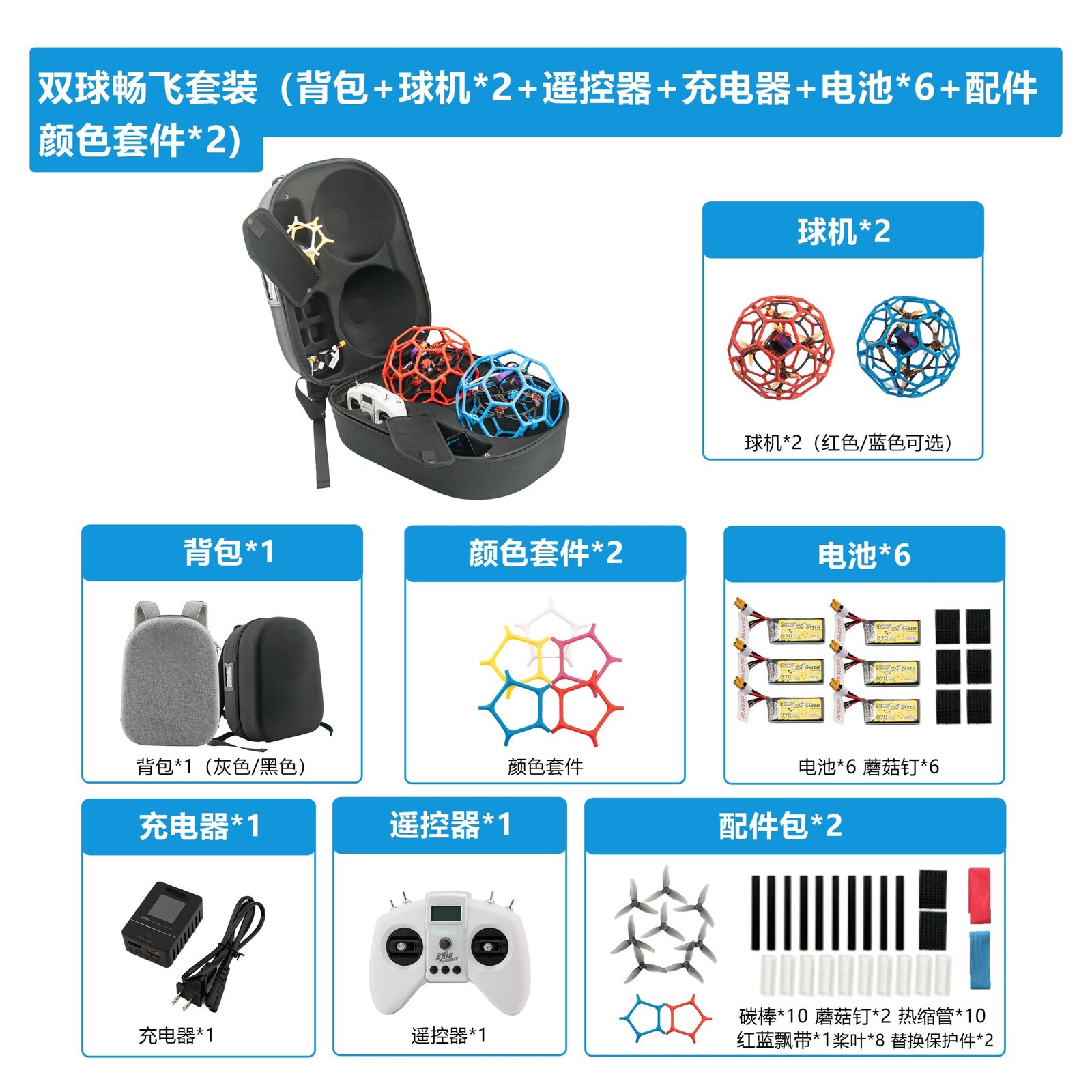
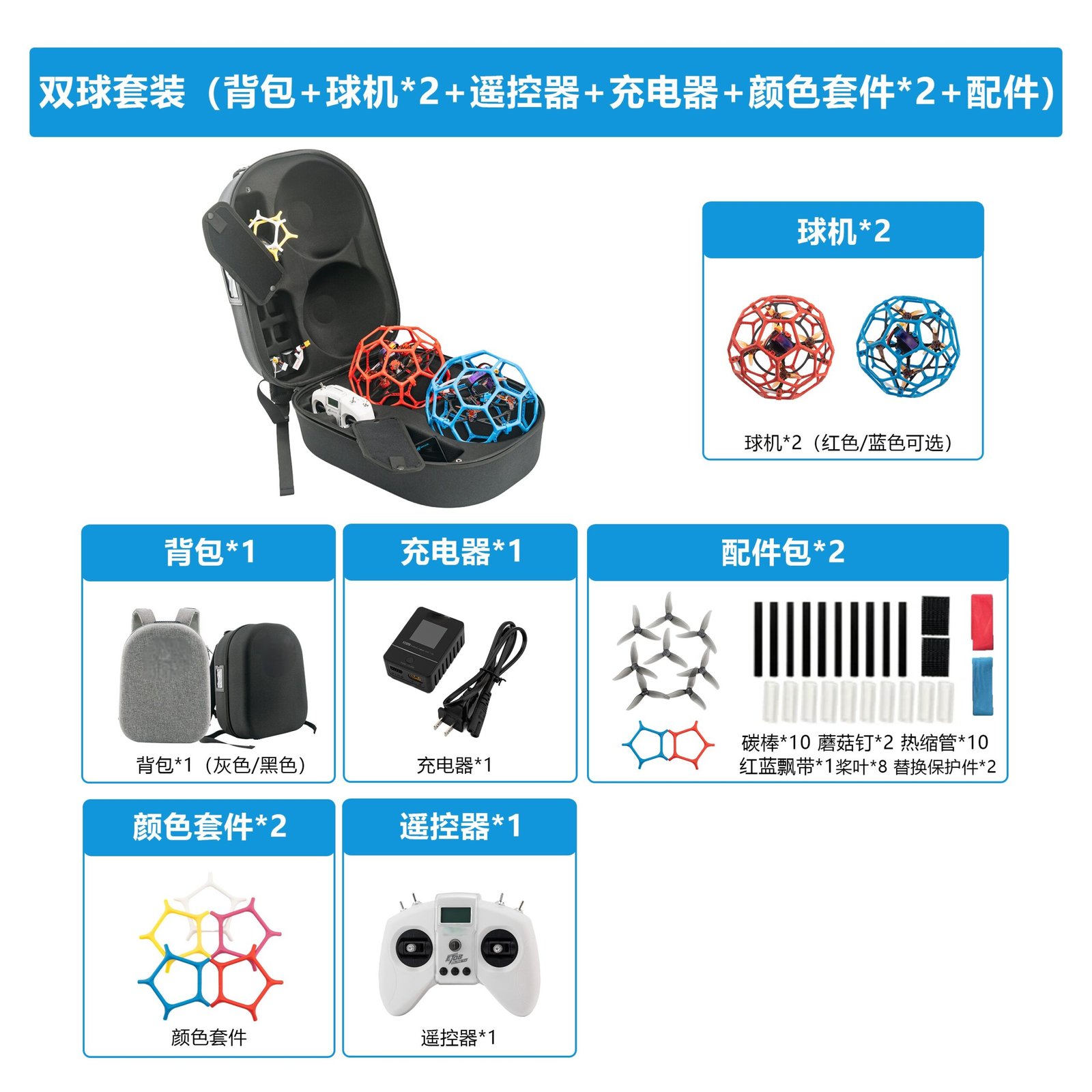
For programs that buy complete kits, confirm with your supplier which charger and power supply are included, what input voltage they expect, and whether balance leads and adapters are supplied. Those details belong in your purchase documents, not in a verbal handover.

Assigning student roles without shifting responsibility
Students learn more when they have real jobs, but the safety responsibility stays with the adult. The practical split is: students handle information and preparation; the supervising adult handles electrical connections and final checks, or directly watches a trained student perform them under your school’s policy.
Tasks students can typically do under supervision
- Read the battery label aloud and record cell count, capacity and date.
- Inspect connectors for damage and report anything unusual.
- Stage batteries on the charging tray and keep the area tidy.
- Log charge start and end times on a shared sheet.
- Compare charger readouts against expected values and flag differences.
Tasks that should follow adult-supervision policy
- Connecting batteries to the charger and power supply.
- Changing charge current or cell count settings.
- Removing batteries that are warm, swollen or behaving unusually.
- Responding to smoke, heat or a charger error.
Write these boundaries into your lesson plan so a substitute teacher or parent volunteer can follow them without guessing. A one-page SOP posted at the station is more useful than a long manual.
A practical pre-charge check
- Battery label readable and matches the charger setting.
- No swelling, punctures, exposed wiring or damaged connectors.
- Balance lead and main lead both intact and correctly oriented.
- Charging surface clear and containment in place.
- Adult supervisor present and not also running another activity.
- Fire-response plan and equipment known to everyone present.
Charging during a drone soccer session: timing and workflow
Drone soccer sessions often involve repeated short flights, which means batteries cycle quickly. The safest workflow separates charging from flying zones and builds in cooling and inspection time.
A simple rotation
Use labelled battery sets: one set flying, one set cooling and inspecting, one set charging. When a set returns, let it cool before charging, inspect it, then move it to the charging station. This rotation keeps the charging station from becoming a crowd point and gives the supervisor a predictable rhythm.
What “unattended” really means
Unattended means no responsible adult is actively monitoring the charger. A teacher helping a student across the room while a battery charges is not supervising the charge. If the session structure makes continuous monitoring impossible, reduce the number of batteries charging at once or move charging to a designated time slot.
Common mistakes in school LiPo charging
- Charging on a desk covered with paper, or on carpet.
- Leaving batteries charging while the class moves to another room.
- Using one charger setting for batteries of different cell counts.
- Charging a warm battery straight from a flight.
- Ignoring a swollen pack because it “still works”.
- Assuming a charging bag removes the need for supervision.
- No written procedure, so practices change with each volunteer.
Documentation, insurance and school policy
Before the first charging session, confirm in writing what your school, district or insurer requires. Ask specifically about battery storage, charging locations, fire-response equipment and incident reporting. Requirements vary by jurisdiction and institution, so treat any general guidance as a starting point.
For program design, our overview of STEM drone education and training and the schools and training organizations page describe how kits, spares and safety documentation fit together. If your program includes league play, the drone soccer competitions page covers event-oriented needs such as spare batteries and fast turnaround.
Planning a term of drone soccer and need charging-compatible kits and spares? Request a School Program Quote and ask for the battery, charger and containment spec sheet in writing.
Comparison: supervision options for school settings
| Model | Adult present | Best for | Main trade-off |
|---|---|---|---|
| Dedicated charging station in the classroom | Yes, continuous | Most school drone soccer sessions | Requires space and a fixed routine |
| Charging during a supervised club block | Yes, but shared with other tasks | After-school clubs with one lead | Monitoring may be interrupted; limit batteries charging |
| Charging in a separate prep room | Only if staffed | Larger programs with technician support | Students lose visibility of the process |
| Pre-charged batteries brought in | Not during charging | Short lessons or demonstrations | Shifts risk to transport and storage |
Buyer checklist for schools and youth programs
- Ask for the battery chemistry, cell count, capacity and charge-rate limits in writing.
- Confirm which charger and power supply are included, and what settings they support.
- Request the containment or charging-bag specification, and check it is suitable for the pack size.
- Ask how batteries are labelled and shipped, and whether spare balance leads are included.
- Confirm warranty and support terms in writing; do not rely on verbal assurances.
- Ask whether a safety data sheet or handling document is available for your risk assessment.
- For larger programs, ask about spare-pack quantities and replacement cycle guidance.
Our drone soccer systems page and the drone soccer clubs page are useful starting points when comparing kit options. For anything not published, request the detail in writing before ordering.
Frequently asked questions
Can students charge LiPo batteries themselves in class?
That depends on your school’s policy and the students’ training. Many programs keep the physical connection and settings under adult control and give students logging, inspection and staging roles. Ask your administration what level of student involvement is permitted and document it.
How many batteries should be charged at once?
Only as many as the supervising adult can genuinely monitor. If the session involves teaching, fewer simultaneous charges are easier to watch. Confirm specific limits with your school’s safety officer rather than assuming a number.
Do we need a fire-resistant bag?
A fire-resistant container is a common risk-reduction measure, but its performance varies by product and condition. Treat it as one layer of protection alongside a non-combustible surface, clear surroundings and active supervision.
What should we do if a battery swells?
Stop using it, isolate it away from combustible materials, and follow your school’s incident and disposal procedure. Do not attempt to charge or “test” a swollen pack. Ask your supplier for disposal guidance if your school does not have one.
Does educational use change battery charging rules?
Aviation rules cover flying, not battery charging. In the US, the FAA explains that educational organisations may operate under § 44809 if they qualify (for example, higher education institutions, JROTC programs, or programs chartered by an FAA-recognized Community Based Organization), otherwise they must operate under Part 107: https://www.faa.gov/uas/educational_users. Battery safety requirements come from your school, fire authority and insurer.
Can we charge batteries in a storage cabinet?
Only if the cabinet is specifically suitable and your safety assessment allows it. Many storage cabinets are designed for storage, not charging. Ask the manufacturer and your safety officer before combining the two functions.
How should charging be logged?
A simple log with date, battery ID, cell count, charge start and end time, and the supervisor’s initials gives you a usable record. Add any anomaly notes. Keep logs with your program’s safety documentation.
Conclusion: make charging a routine, not an afterthought
Supervising LiPo charging in a school drone soccer program comes down to four habits: a fixed charging zone with containment, charger settings matched to each pack, an adult genuinely watching the process, and a written procedure that survives staff changes. Students can and should take part in the safe parts of the workflow, with the responsibility staying with the adult.
Start by writing your one-page SOP, then buy equipment that fits it. Confirm battery, charger and containment specifications with your supplier in writing, and check them against your school’s and insurer’s requirements.
Request a School Program Quote to discuss drone soccer kits, spare batteries and charging accessories for your school or club program.