Quick summary
To start drone soccer you need a set of player drones with protective cages, a drone soccer ball, two goals, a match control or scoring system, batteries and chargers, spare propellers and motors, and basic safety gear. Most organized programs also need a practice net, repair tools, and a team kit that lets you field a full squad. The exact equipment depends on whether you are running a school enrichment session, a club practice, or a sanctioned drone soccer competition.
Key Takeaways
- Drone soccer equipment is built around a caged player drone, a ball, two goals, and a control/scoring setup.
- Team kits usually include multiple drones, batteries, chargers, spare parts, and a field kit.
- Schools and clubs should confirm whether their program flies under recreational rules or Part 107 in the US.
- Spare propellers, motors, and ESCs matter as much as the drones themselves because crashes are normal in drone soccer.
- Before buying, ask suppliers for a written parts list, compatibility notes, and replacement-part availability.
What Is Drone Soccer Equipment?
Drone soccer is a team sport played with small, caged drones inside a defined field. Players fly their drone through the air to hit or push a ball, or to score through a goal, depending on the ruleset. The equipment is therefore a mix of drones, field gear, and match operations tools.
The sport is closely tied to STEM education because it teaches flight control, teamwork, and basic electronics. For a broader view of how these programs are structured, see STEM drone education and training.
For a team, the equipment list is not just the drone. It includes everything needed to run a practice or a match safely and repeatedly.
Core Equipment List for Starting Drone Soccer
This is the practical starting list. The quantities depend on squad size, session length, and whether you are running one class or a full club.
Player Drones
Player drones are small quadcopters with a protective cage around the propellers. The cage protects players and spectators and keeps the drone from being destroyed on every collision. For organized programs, use drones designed for drone soccer rather than generic toy drones.
When you specify these, ask for the frame size, motor type, ESC type, battery connector, and whether spare parts are available. DPF’s drone soccer systems are built around this kind of caged, repairable design.
Drone Soccer Ball
The ball is a lightweight, durable sphere designed to be pushed or struck by the drone. It should be the correct size and weight for your ruleset. A ball that is too heavy will overload small motors and ESCs; a ball that is too light will drift in air-conditioned halls.
Goals
You need two goals, one at each end of the field. Goals should be stable, easy to assemble, and sized to your ruleset. Check whether the goal includes a net and whether it can be anchored safely on a gym floor.
Match Control and Scoring
Depending on the league, you may need a scoring console, a timer, or a referee system. Some programs start with a manual scoreboard and a stopwatch. Confirm what your league requires before you buy electronics you do not need.
Transmitters and Receivers
Each player drone needs a transmitter and receiver. In team settings, you need a way to manage frequency or protocol conflicts so multiple drones can fly at once. Ask your supplier how many drones can operate simultaneously in one gym.
Batteries and Chargers
Drone soccer sessions involve repeated short flights. You need enough batteries for a full practice plus a safe charging setup. Use a parallel charging board or multi-port charger only if it matches your battery chemistry and connector type.
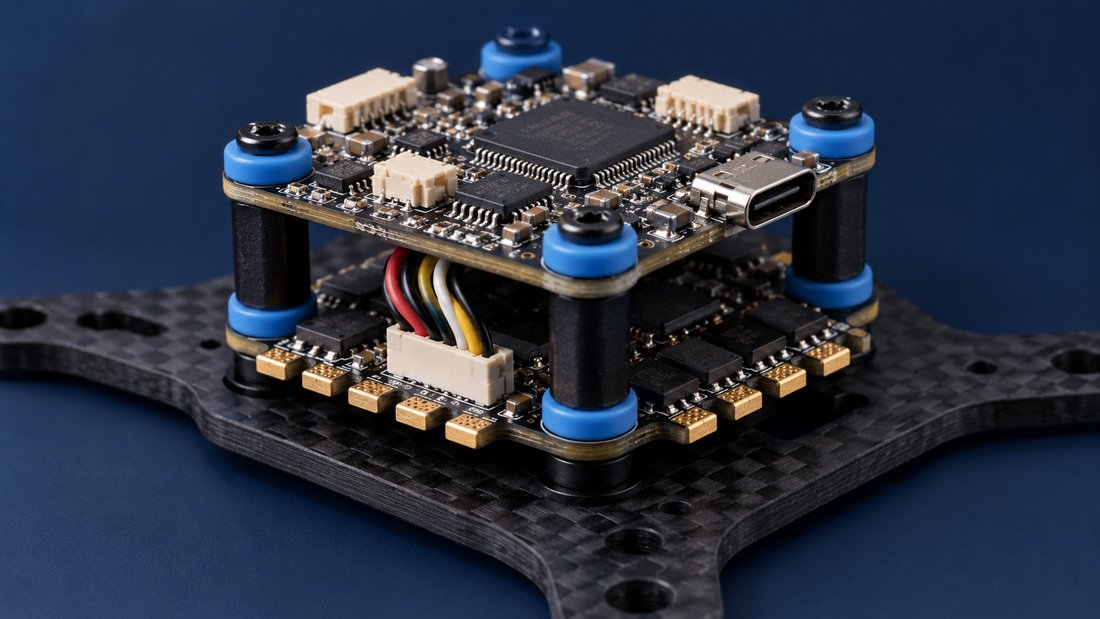
Comparison Table: Starter, Club, and Competition Equipment
The table below shows how the equipment list changes as you move from a first session to a full competition program. It is a planning guide, not a fixed specification.
| Equipment | Starter / Classroom | Club Practice | Competition Team |
|---|---|---|---|
| Player drones | 2–4 caged drones | 6–10 caged drones | 10+ caged drones with spares |
| Ball | 1 | 2 | 2–3 |
| Goals | 1 pair (portable) | 1 pair (sturdier) | 1 pair, league-compliant |
| Transmitters | 1 per drone | 1 per drone | 1 per drone plus spares |
| Batteries | 2–3 per drone | 4–6 per drone | 6+ per drone |
| Chargers | 1 multi-port | 2 multi-port | 2–3 multi-port |
| Spare propellers | 10+ sets | 30+ sets | 50+ sets |
| Spare motors | 4–8 | 12–20 | 20+ |
| Spare ESCs | 2–4 | 6–10 | 10+ |
| Practice net | Optional | Recommended | Recommended |
| Scoring / timer | Manual | Manual or basic electronic | League-compliant system |
| Safety gear | Goggles, first-aid kit | Goggles, first-aid kit, barriers | Full field safety kit |
Spare Parts and Repair Equipment
Drone soccer involves collisions, so spares are not optional. The most common replacements are propellers, motors, ESCs, and landing components. Budget for spares from the start rather than waiting for the first crash.
Motors
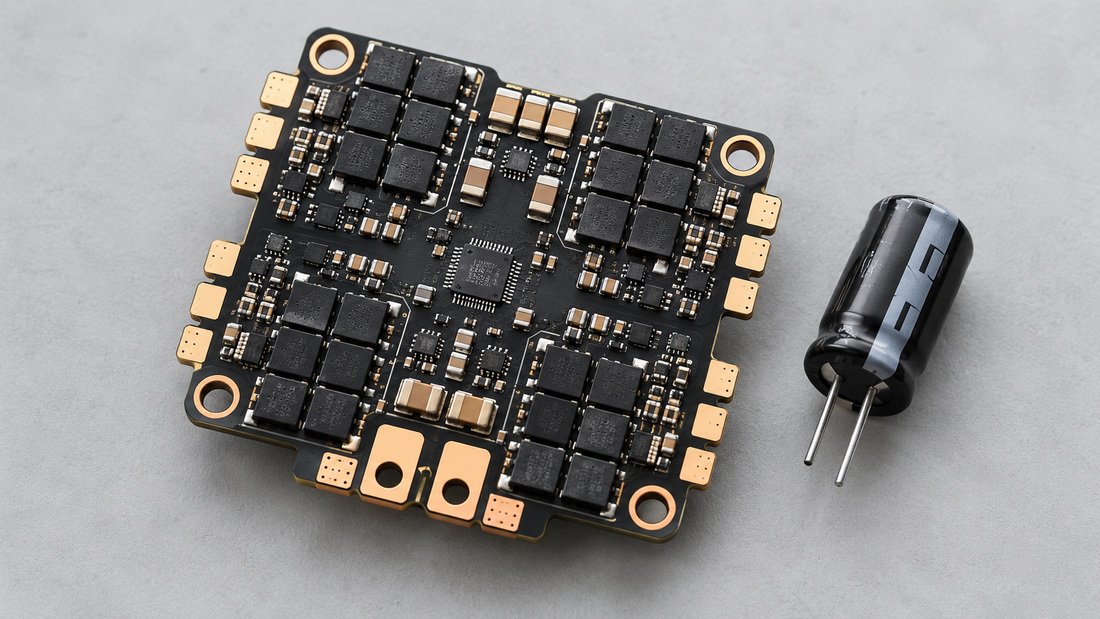
Motors take impact and dust. Keep matched spares so you can replace a motor without changing flight feel. DPF’s motors line is relevant here, but confirm the exact model and connector with your supplier.
ESCs
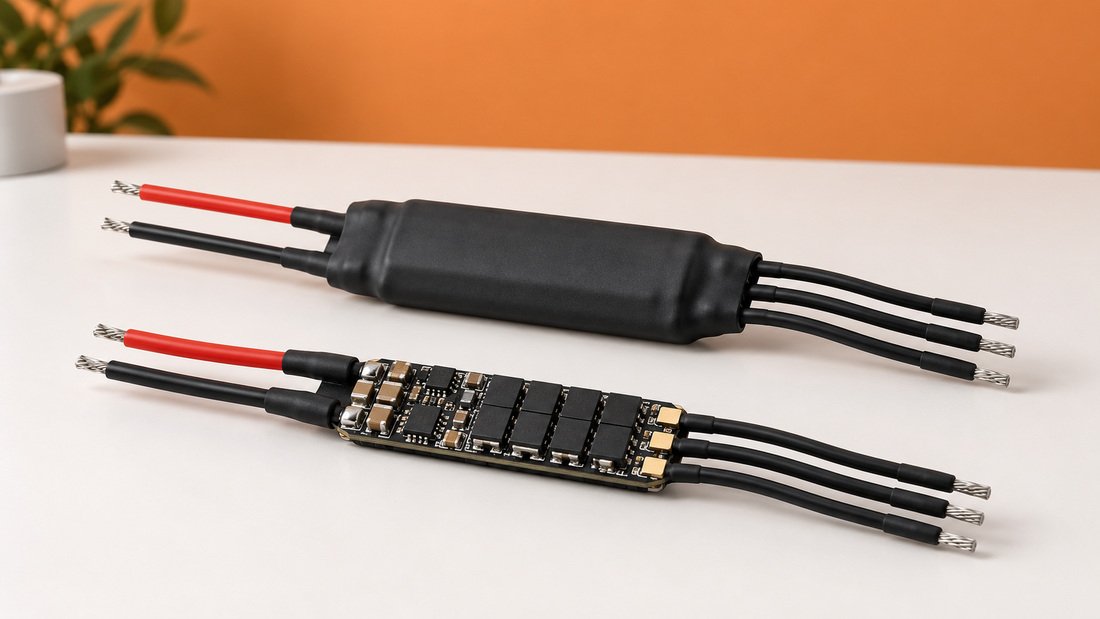
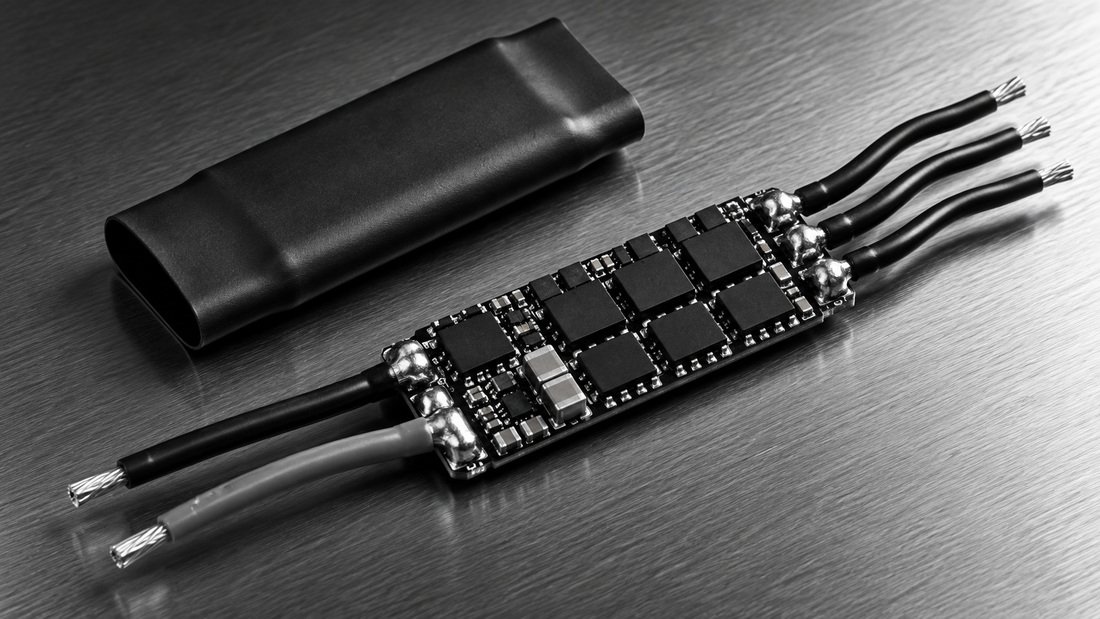
An ESC (electronic speed controller) controls motor speed. A damaged ESC can cause a motor to stop or stutter. Keep at least two spare ESCs per squad. See DPF’s ESC options for compatible parts.
Propellers
Propellers are the most frequently replaced item. Buy in sets and keep them organized by size and pitch so players do not mix incompatible props.
Tools and Field Kit
A basic field kit includes screwdrivers, hex drivers, a soldering iron if you repair boards, tape, zip ties, and a small multimeter. A labeled parts box saves time during events.
Safety and Compliance Equipment
Safety gear protects players and spectators. At minimum, use safety glasses or goggles for anyone near the field, a first-aid kit, and barriers or cones to define the flight area. A fire-resistant LiPo bag for charging is also standard practice.
In the United States, the FAA explains that drones flown for educational purposes are regulated either under the Exception for Limited Recreational Operations (49 U.S.C. § 44809) or under the Small Unmanned Aircraft Systems Rule (Part 107). Qualifying educational organizations include institutions of higher education, JROTC programs, and educational programs chartered by an FAA-recognized Community Based Organization. Schools that are not higher education or JROTC must be chartered by a recognized CBO to operate under § 44809; otherwise they must operate under Part 107. See the FAA educational users page for details: https://www.faa.gov/uas/educational_users.
The FAA also notes that FAA-Recognized Identification Areas (FRIAs) are locations where drones can be flown without Remote ID, and that educational institutions are eligible to request a FRIA. Check the current rules for your jurisdiction before you buy or fly.
Field and Facility Equipment
Indoor gyms are common for drone soccer because they protect drones from wind and rain. You may need floor markings, a practice net, and a storage solution for drones and batteries. Confirm ceiling height, lighting, and Wi-Fi or radio interference in the venue.
If you are organizing events, DPF’s drone soccer competitions page covers event-level considerations.
Common Mistakes When Buying Drone Soccer Equipment
- Buying generic toy drones instead of caged, repairable drone soccer drones.
- Under-budgeting for spares, then canceling practice after crashes.
- Mixing battery connectors or voltages across a squad, which creates charging and safety risks.
- Forgetting frequency or protocol planning for multiple simultaneous drones.
- Assuming one league’s ball or goal size fits another league’s rules.
- Skipping written confirmation of part compatibility and replacement availability.
Buyer Checklist Before You Order
- Confirm the ruleset you will play under (school, club, or league).
- List drones, transmitters, batteries, chargers, balls, goals, and scoring needs.
- Decide spare ratios for propellers, motors, and ESCs.
- Check venue constraints: ceiling height, floor type, power outlets, storage.
- Confirm battery chemistry, connector type, and charger compatibility in writing.
- Ask for a written parts list, compatibility notes, and replacement-part availability.
- Request samples or a pilot kit before committing to a full team order.
- Confirm training, setup, and repair documentation availability.
- Verify compliance requirements for your country and organization type.
If you are equipping a school or a club, DPF’s schools and training organizations and drone soccer clubs pages show how programs typically scale from one class to multiple teams.
Ready to equip a team? Request a Team Kit Quote and tell us your squad size, venue, and ruleset.
FAQ
1. What is the minimum equipment to start drone soccer?
At minimum: two caged player drones, one ball, two goals, transmitters, batteries, a charger, and safety glasses. A single-drone setup can work for demonstrations but not for team practice.
2. How many drones does a drone soccer team need?
It depends on squad size and rules. Many programs start with 6–10 drones so players can rotate and spares are available. Confirm the league requirement before ordering.
3. Are drone soccer drones the same as FPV drones?
They share components such as motors and ESCs, but drone soccer drones use protective cages and are tuned for indoor team play. Do not assume a generic FPV drone is competition-legal.
4. Do schools need a license to fly drone soccer drones in the US?
The FAA states that educational drone operations fall under either the Exception for Limited Recreational Operations (§ 44809) or Part 107. Qualifying educational organizations include higher education institutions, JROTC programs, and programs chartered by an FAA-recognized Community Based Organization. Verify your specific situation with the FAA or a legal advisor.
5. What spare parts should we stock?
Propellers, motors, and ESCs are the most common replacements. Stock at least two spare ESCs and four spare motors per squad, plus extra propellers.
6. Can we fly drone soccer outdoors?
Some programs practice outdoors, but wind and weather affect small drones. Indoor gyms with defined fields are more common for matches. Check your venue and ruleset.
7. How do we plan a budget for a drone soccer program?
Budget for drones, transmitters, batteries, chargers, field gear, safety gear, and a spare-parts allowance. Ask suppliers for a written quote that separates these categories so you can scale up over time.
Conclusion
Starting drone soccer is mostly about getting the core equipment right: caged player drones, a ball, two goals, transmitters, batteries, chargers, and a realistic spare-parts kit. Schools and clubs should also confirm their regulatory position and venue constraints before ordering. The best next step is to define your squad size and ruleset, then request a written quote with a clear parts list and replacement-part availability.
Request a Team Kit Quote to move from planning to a documented equipment list.