Quick summary
Most suppliers do not run a formal “teacher training” program. What schools usually receive is onboarding and warranty administration guidance: how to register or activate a warranty, how to raise a Return Merchandise Authorization (RMA) claim, how to read failure evidence, and how spare parts or replacements are handled. The right question is not whether free teacher workshops exist, but what support, documentation and after-sales process come with your order — and what is confirmed in writing before you buy. Costs, coverage periods and logistics vary, so confirm every term in your quotation and supplier agreement.
Key Takeaways
- “Teacher training” from parts suppliers is usually product onboarding and after-sales guidance, not classroom curriculum training.
- Warranty, RMA and after-sales terms should be written into your purchase documents, not treated as informal promises.
- Implied warranties are created by law and can differ by country and by whether the buyer is a consumer or a business — so jurisdiction matters.
- Ask for a written RMA procedure, spare parts allocation and technical contact, and test them with a small pilot order.
- In the US, the FTC’s guide on federal warranty law explains how written warranties, implied warranties and service terms are regulated; other markets have their own rules.
Why “Training” Means Different Things to Teachers and to Suppliers
Schools and youth programs are used to structured teacher training: lesson plans, classroom management, safety briefings and assessment. Drone parts suppliers work in a different frame. Their support is component-level: how to bind a receiver, how to store batteries, how to identify impact damage, and how to file a claim when something fails.
This mismatch causes most of the confusion behind the search for supplier teacher training. A supplier may offer what it calls “training” that is really an onboarding call or a setup guide. That can be genuinely useful, but it is not the same as teacher professional development. Knowing which one you are being offered helps you plan budget and staff time realistically.
For drone soccer programs, which depend on repeated practice sessions and frequent component wear, the more valuable training is the practical troubleshooting and replacement workflow. That is where a parts supplier’s support model directly affects how many practice hours your team gets per term.
What Suppliers Typically Provide — and What They Usually Do Not
Suppliers commonly provide written setup and binding guides, wiring or connection diagrams, firmware update instructions, and a named support contact. Many also help interpret failure photos or logs so a school can decide whether an issue is a defect, wear, or user error.
Suppliers usually do not provide licensed teaching materials, student assessment tools, or session plans tied to your local curriculum. Some may share suggested classroom steps for hardware setup, but turning that into a full teaching program is normally the school’s role.
Common Support Categories to Ask About
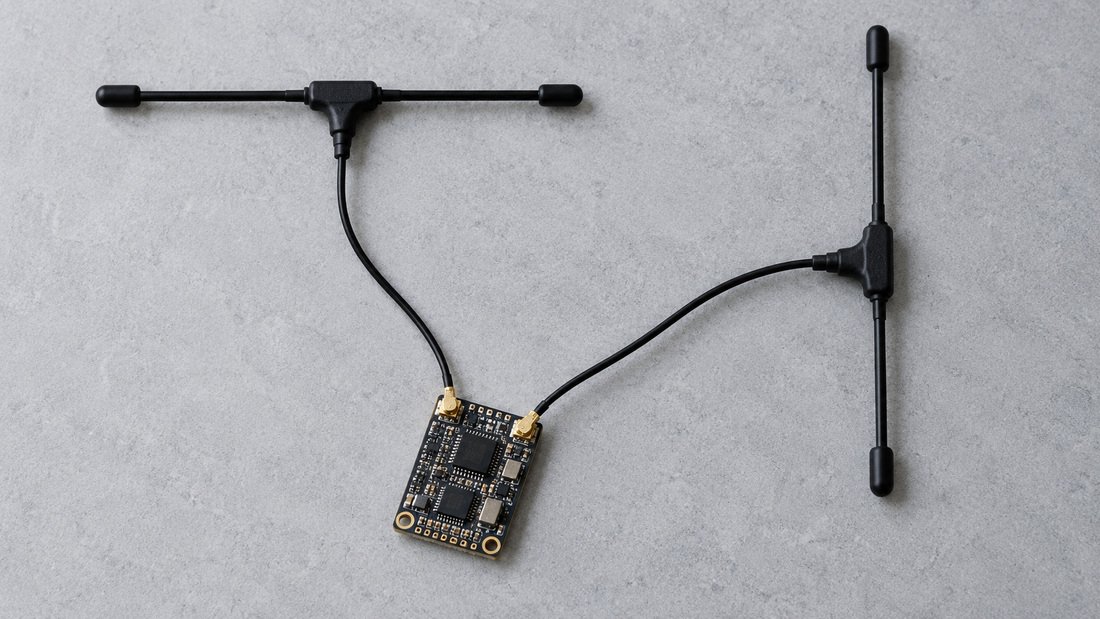
- Product onboarding: binding, pairing, transmitter setup, telemetry basics, antenna mounting guidance.
- Maintenance guidance: cleaning, connector inspection, battery care, propeller and frame checks.
- Warranty administration: what is covered, what is excluded, how claims start.
- RMA workflow: how to report a fault, what evidence to send, where to ship, and who pays shipping.
- Spare parts planning: which items are recommended as field spares and how to reorder them.
Ask each supplier to state clearly which of these are included at no extra cost, which are paid services, and which they simply do not offer. That single question prevents most post-purchase surprises.
Warranty, RMA and After-Sales: The Three Pieces Schools Confuse
These three terms are often used interchangeably, but they answer different questions. Understanding the difference is the foundation of a workable school purchasing process — and the clearest way to see through marketing that treats all three as one vague promise.
| Term | Question It Answers | What to Ask For in Writing |
|---|---|---|
| Warranty | What the supplier promises to stand behind, and for how long | Covered defects, exclusions, duration, who is the warrantor, and whether a “limited” or “full” written warranty applies (where that terminology is used) |
| RMA | How a faulty item is reported, returned and resolved | How to open a claim, required evidence, shipping address and who pays freight, replacement vs. repair vs. credit |
| After-sales | Ongoing support, spare parts and technical help after delivery | Support hours and channel, expected response time, spare parts availability, escalation path |
The FTC’s business guidance on federal warranty law notes that a warranty is the warrantor’s promise to stand behind a product, and that the law recognizes implied warranties created by state law alongside express warranties. It also explains that implied warranties do not cover problems caused by abuse, misuse, ordinary wear, failure to follow directions, or improper maintenance. This is a US framework for consumer products; if your school buys as a business or you are outside the US, your local rules and contract terms govern. See the FTC source: Businessperson’s Guide to Federal Warranty Law.
Why This Matters for Teacher-Facing Support
If teachers do not understand what counts as a covered defect, every broken part becomes a debate. A short internal briefing — built from the supplier’s written terms — tells staff what to photograph, what to log, and when to stop troubleshooting and file a claim instead. That briefing is often more valuable than any generic training session.
How Schools and Clubs Should Evaluate Supplier Support Before Ordering
Evaluate support the same way you evaluate hardware: with evidence. A supplier’s willingness to document its process before you buy is a reasonable signal of how it will behave after you buy. How thoroughly a supplier documents quality processes can also indicate how seriously it treats output consistency — you can ask to see how quality control is structured before placing a program order.
Ask for Documentation, Not Verbal Promises
Request the written warranty text, the RMA form or procedure, and the contact route for technical questions. Compare those documents across suppliers. Verbal assurances are difficult to enforce and rarely survive staff turnover on either side.
Check the Technical Support Chain
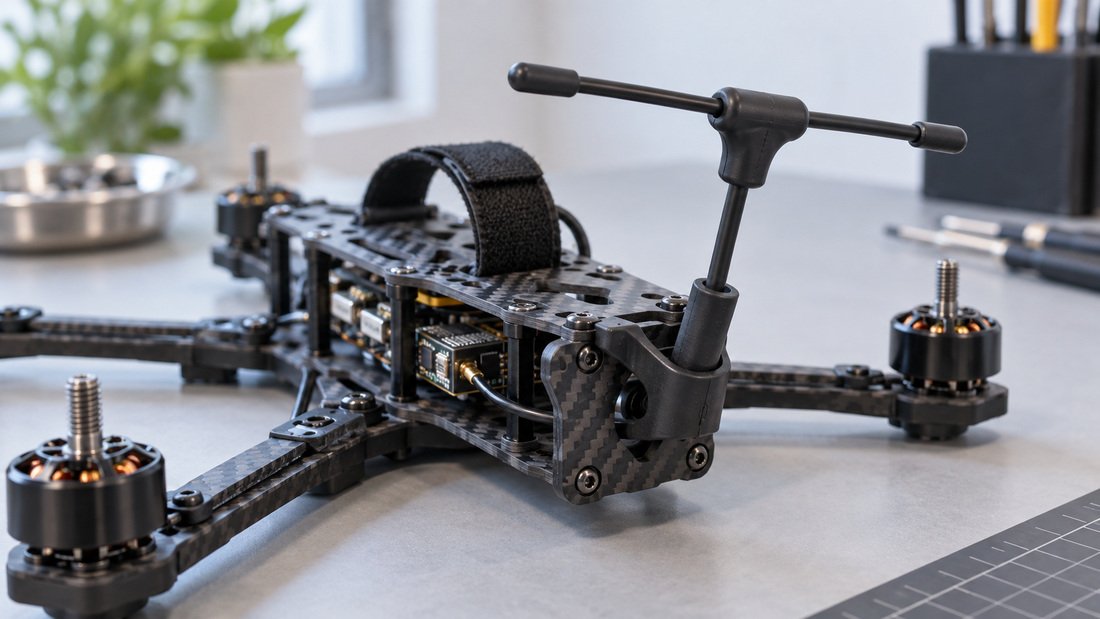
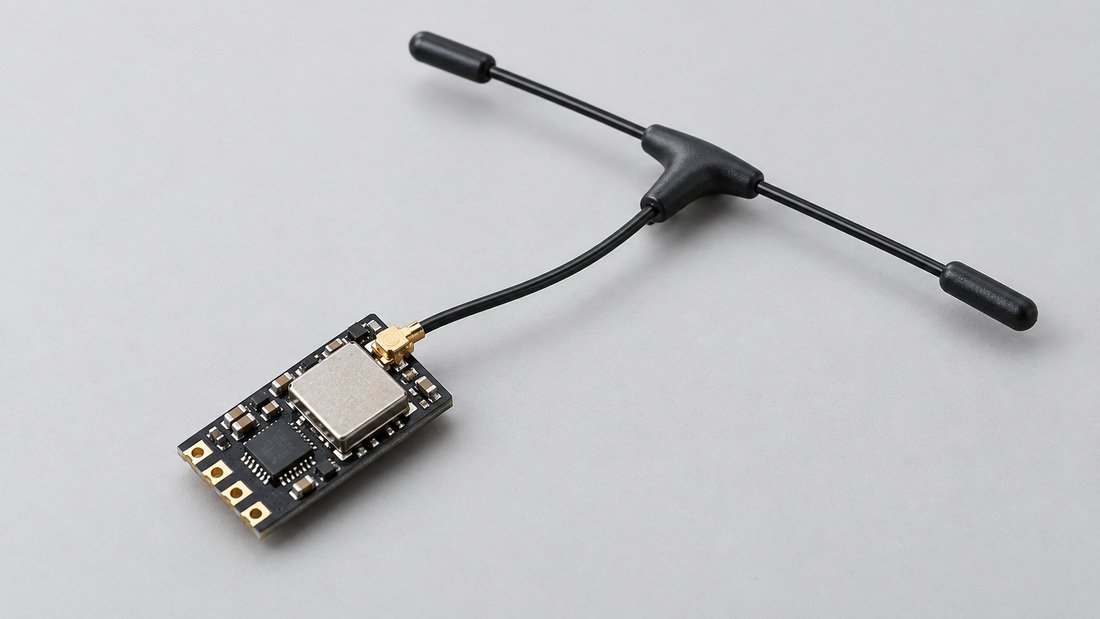
Ask who answers technical questions, in which language, during which hours, and through which channel. For ELRS (ExpressLRS, an open-source radio control link) receivers, binding and firmware questions are common; a supplier that can explain its testing and inspection approach is more likely to give you a precise answer about whether a fault is a defect or a setup issue.
Before finalising a school program order, you can also discuss your requirements with our team and ask which support documents are included.
Practical Comparison: Support Models You May Encounter
| Support Model | Typical Teacher-Facing Value | Main Risk for Schools |
|---|---|---|
| Self-service documentation only | Low cost, good for confident staff | Slow resolution; teachers absorb troubleshooting time |
| Named email/chat contact | Faster answers on binding and setup | Depends on response time; confirm in writing |
| Structured RMA procedure | Clear claim path, less dispute | Freight cost and turnaround must be agreed |
| Paid onboarding or workshop | Staff confidence, consistent setup | Budget approval and scheduling |
| Full OEM/ODM program support | Documentation, spare parts, compliance help | Best suited to larger, committed programs |
Most school programs end up with a combination. The goal is to know which combination you are buying rather than assuming support exists because it was mentioned verbally.
Common Mistakes Schools Make With Warranty and RMA
- Assuming consumer warranty rights apply to a school purchase. Whether you are treated as a consumer or a business depends on your jurisdiction and the transaction. The FTC guide above is a US consumer-product framework and is not automatically a B2B or global rule.
- Filing claims without evidence. Photos, order numbers and a short description of conditions (crash, storage, moisture) make claims resolvable; missing evidence stalls them.
- Not distinguishing wear from defect. Implied warranties generally do not cover abuse, ordinary wear or improper maintenance, so a worn connector after a season of practice is usually not a defect claim.
- Buying without spare parts. A small pool of spares keeps practice running while a claim is processed.
- Relying on one staff member. If one teacher holds all product knowledge, support collapses when they move on. Document the workflow internally.
Buyer Checklist: Verifying Supplier Training and After-Sales
Use this checklist in your quotation stage and keep the answers with the purchase record. Treat any unconfirmed item as an open question, not as an agreed term.
- Written warranty text: covered defects, exclusions, duration, and the responsible warrantor.
- RMA procedure: how to open a claim, evidence required, shipping responsibility, and resolution options.
- Technical contact: name or team, channel, language, and stated response expectation.
- Onboarding materials: setup and binding guides for the models you are buying.
- Spare parts list and reorder route for high-wear items.
- Which support items are free and which are chargeable.
- Any compliance or documentation help relevant to your region — confirm specifics rather than assuming.
- Pilot order plan: test the support process on a small order before scaling.
Where relevant, ask how safety and compliance support is handled for your destination market, since documentation expectations differ by country.
What Does DPF Actually Provide?
We should be precise here. The exact scope of training, onboarding, warranty coverage and RMA terms offered by Drone Parts Factory depends on the product line and the agreement for your project. Rather than restate terms here, we ask that you confirm them in writing for your specific order.
Drone Parts Factory maintains an OEM/ODM framework that includes an warranty and after-sales program page describing the structure of that support. For a school, club or distributor order, request the specific documents that apply to your products and destination. If any element is essential to your program — a particular coverage period, a spare parts allowance, or a stated support channel — confirm it in your quote or contract before ordering.
Frequently Asked Questions
Do drone parts suppliers provide teacher training?
Generally, suppliers provide product onboarding and after-sales guidance rather than classroom teaching training. Some offer paid or included setup sessions. The scope varies, so ask each supplier to list exactly what is provided for your order and confirm it in writing.
Does a warranty cover parts broken in student practice?
Not automatically. Warranty coverage depends on the written terms and applicable law. As the FTC’s guide notes, implied warranties generally do not cover abuse, misuse, ordinary wear, failure to follow directions, or improper maintenance. Crash damage during practice is often excluded unless your agreement states otherwise.
What is the difference between warranty and RMA?
Warranty defines what the supplier promises to stand behind. RMA (Return Merchandise Authorization) is the process for reporting and returning a faulty item under that promise. You need both defined to resolve a fault efficiently.
How quickly should a supplier respond to a school support request?
There is no universal standard. Ask the supplier what response time it commits to, get that in writing, and test it with a small pilot order before depending on it for a full program.
Should schools buy spare parts upfront?
Usually yes for high-wear items, because practice continuity matters more than minimising inventory. Ask the supplier which items it recommends as field spares for your specific activity, and keep that list with your purchase records.
Are US warranty rules the same for a school buying as a business?
No. The FTC guidance cited here addresses federal warranty law for consumer products in the US. Business-to-business transactions and other countries are governed by different rules and by your contract. Confirm the applicable regime with the supplier and, where needed, qualified local advice.
Can a supplier help us write internal staff guidance?
Some can provide documentation you can adapt. Ask specifically whether setup, troubleshooting or claim-filing materials are available, and whether reuse is permitted in your own staff handbook.
Conclusion and Next Step
For schools, the useful version of “supplier training” is a documented after-sales workflow: clear product onboarding, a defined warranty, a workable RMA process and reliable technical contact. Curriculum training is normally the school’s job; process clarity is where a supplier can genuinely reduce your admin load and keep practice sessions running.
Start by requesting written warranty, RMA and support terms, then validate them with a pilot order before committing to a full program. When you are ready to plan a school or club program, we can walk through the available support and documentation for your chosen products.
Request a School Program Quote