Quick summary
Drone soccer originated in South Korea around 2016 as an educational sport to engage students in STEM (science, technology, engineering, and math) through competitive drone flying. It combines the strategy of soccer with the technical skills of drone operation, using protective cages around drones to ensure safety. The sport has since spread globally, with standardized rules and competitions for various age groups. Understanding its origins helps teams, schools, and clubs appreciate the structured format and safety considerations that define modern drone soccer. This article covers the basic rules, equipment, and practical steps for getting started.
Key Takeaways
- Drone soccer began in South Korea in 2016 as a STEM education tool and has grown into an international sport with standardized rules.
- Basic drone soccer rules involve two teams of five drones each, aiming to score goals by flying through a circular hoop, with matches typically split into three periods.
- Safety is paramount: drones are enclosed in protective cages, and matches are played in netted arenas with strict pilot training.
- Schools and clubs should verify local regulations for educational drone use, such as FAA rules in the US, which may allow recreational or educational exceptions.
- Procurement requires careful selection of drone soccer systems, spare parts, and training resources; request detailed specifications and confirm warranties and lead times in writing.
What Is Drone Soccer and Where Did It Come From?
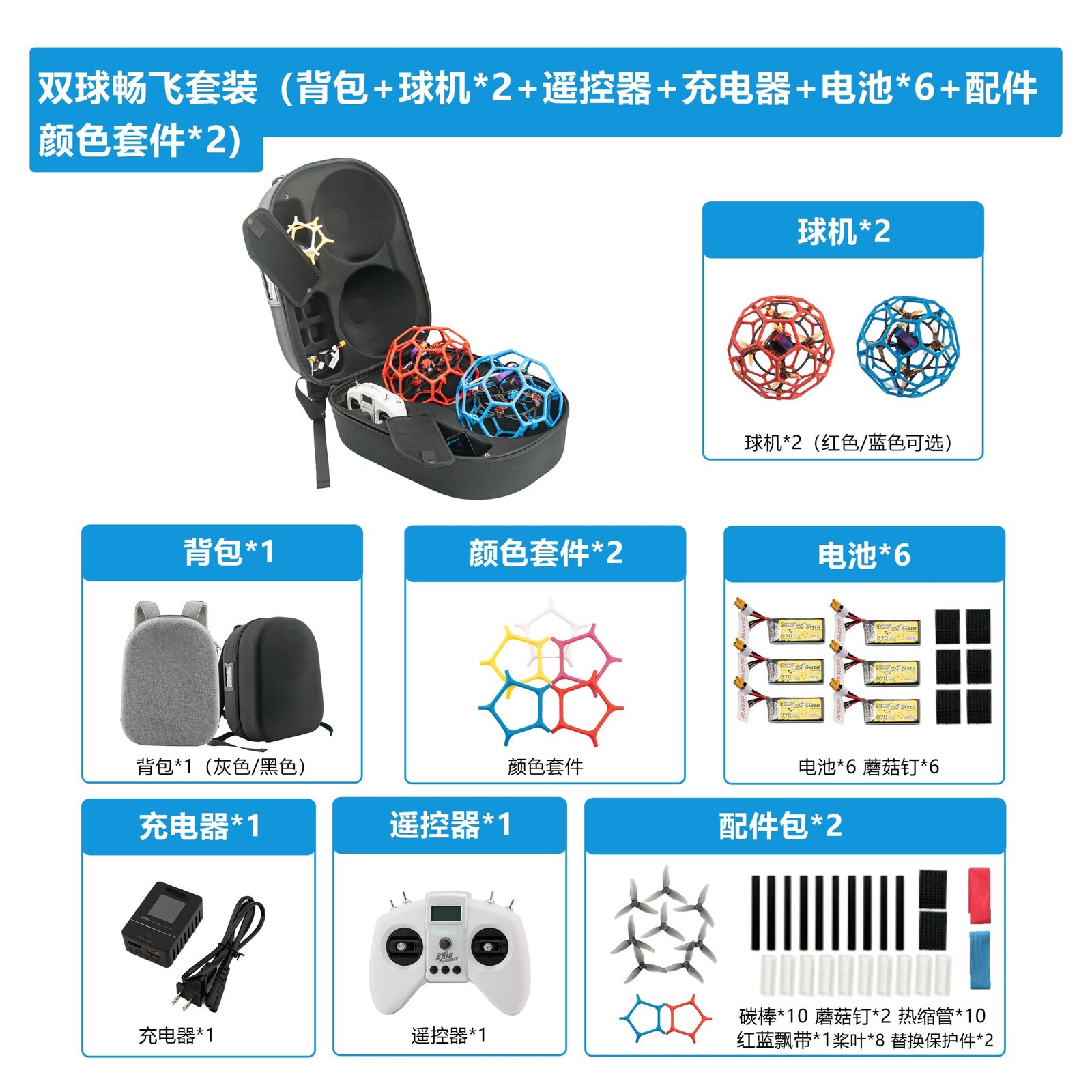
Drone soccer is a team sport where pilots fly specially designed drones inside protective cages to score goals by passing through a circular hoop. It was created in South Korea in 2016 by the Drone Soccer Association (now part of the International Drone Soccer Federation) as a way to make STEM learning exciting and accessible. The sport quickly gained popularity in schools and has since expanded to countries worldwide, with youth and adult leagues.
The original concept aimed to teach students about drone technology, aerodynamics, and teamwork. Early matches used basic quadcopters with foam cages, but as the sport evolved, standardized equipment and rules emerged. Today, drone soccer is recognized as a competitive sport with international tournaments, often featuring categories for different age groups (e.g., under-12, under-15, and open).
For a deeper look at the history and global spread, see our page on drone soccer competitions.
Drone Soccer Rules and Basics: How the Game Works
Drone soccer rules are designed to ensure fair play, safety, and excitement. While specific rules may vary by league or age group, the core principles are consistent. Below is an overview of the fundamental rules and gameplay.
Team Structure and Equipment
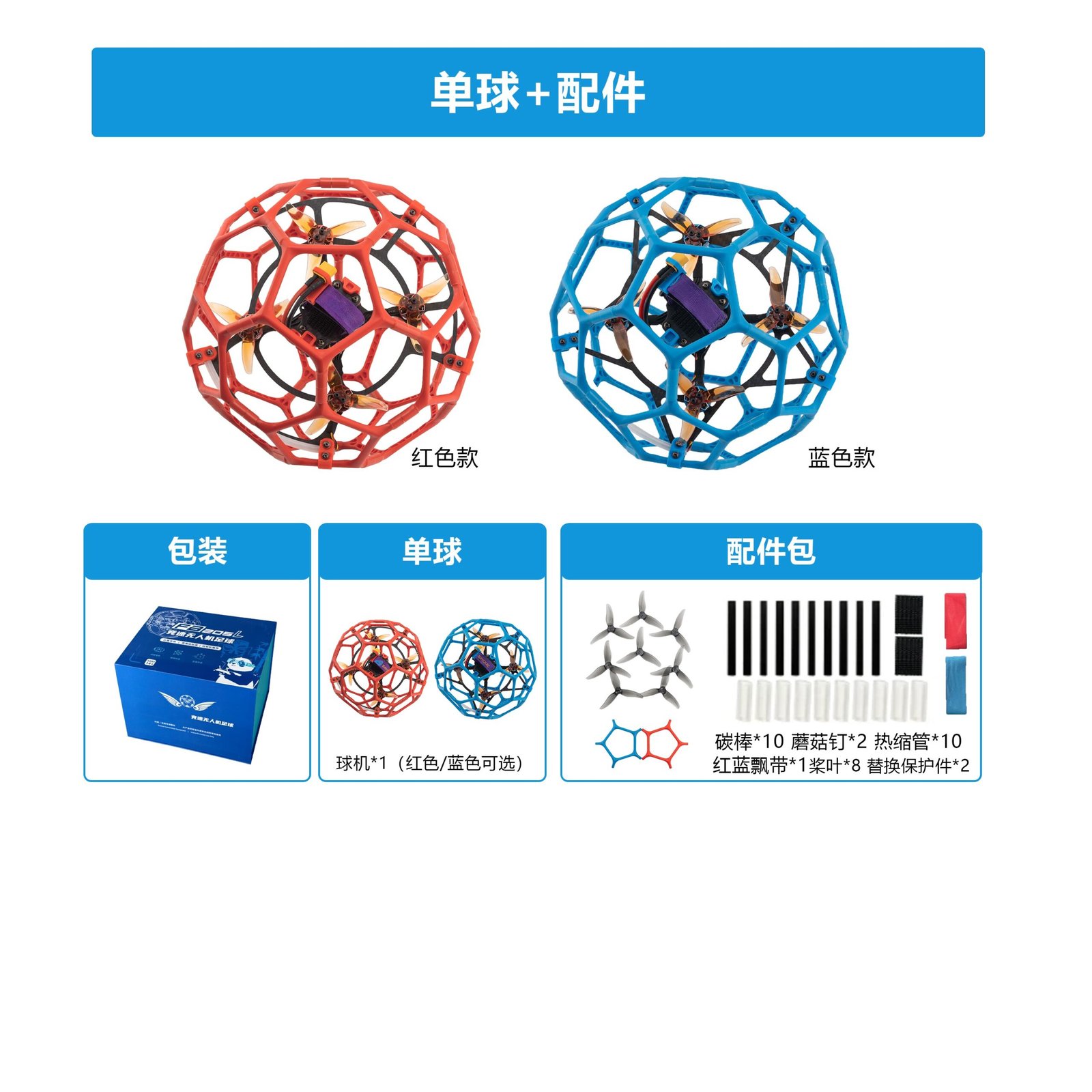
Each team typically consists of five drones, but only three are flown at a time; the others serve as substitutes. Drones must be equipped with protective cages and meet weight and size specifications. Pilots use controllers to maneuver their drones, and each team has a designated striker and defenders. The goal is to fly through the opponent’s hoop (goal) to score.
Match Format and Scoring
A standard match is divided into three periods, each lasting three minutes, with a two-minute break between periods. The team with the most goals at the end wins. If tied, sudden-death overtime may be used. Goals are scored by flying the drone through the hoop from the front; crossing from the back does not count. After a goal, play restarts with a kickoff from the center.
Safety and Fouls
Safety is enforced through rules such as no physical contact between drones (except incidental), no flying outside the arena, and mandatory use of protective gear. Fouls result in penalties, such as temporary removal of a drone or a free shot for the opposing team. Pilots must maintain visual line of sight and follow referee instructions.
For detailed rulebooks, consult your local league or the International Drone Soccer Federation. If you are setting up a program, our drone soccer clubs page offers resources for organizing teams and competitions.
Comparison of Drone Soccer Formats
Drone soccer adapts to different age groups and skill levels. The table below outlines common formats, though exact specifications should be confirmed with your governing body.
| Aspect | Youth (Under-12) | Youth (Under-15) | Open/Adult |
|---|---|---|---|
| Number of drones per team | 3 (1 active) | 5 (3 active) | 5 (3 active) |
| Drone size/weight class | Smaller, lighter | Standard | Standard or advanced |
| Period length | 2 minutes | 3 minutes | 3 minutes |
| Hoop diameter | Smaller | Standard | Standard or larger |
| Typical use | Introductory programs | School leagues | Competitive leagues |
Always verify specifications with your league or event organizer before purchasing equipment.
Regulatory Considerations for Educational Drone Use
Before starting a drone soccer program, schools and clubs must understand local regulations. In the United States, the Federal Aviation Administration (FAA) provides guidance for educational drone use. According to the FAA, drones flown for educational purposes are regulated under either the Exception for Limited Recreational Operations (49 U.S.C. § 44809) or the Small Unmanned Aircraft Systems Rule (Part 107). Qualifying educational organizations, including higher education institutions, JROTC programs, and programs chartered by an FAA-recognized Community Based Organization, may operate under § 44809. Others must operate under Part 107. Additionally, FAA-Recognized Identification Areas (FRIAs) allow drones to be flown without Remote ID at eligible educational institutions. For more details, see the FAA’s educational users page.
Outside the US, check with your national aviation authority. Always ensure your program complies with local laws, and consider consulting a legal advisor.
Procurement Checklist for Drone Soccer Equipment
When sourcing drone soccer equipment for schools, clubs, or distributors, use this checklist to ensure you cover all essentials. For unverified commercial terms, request written confirmation from suppliers.
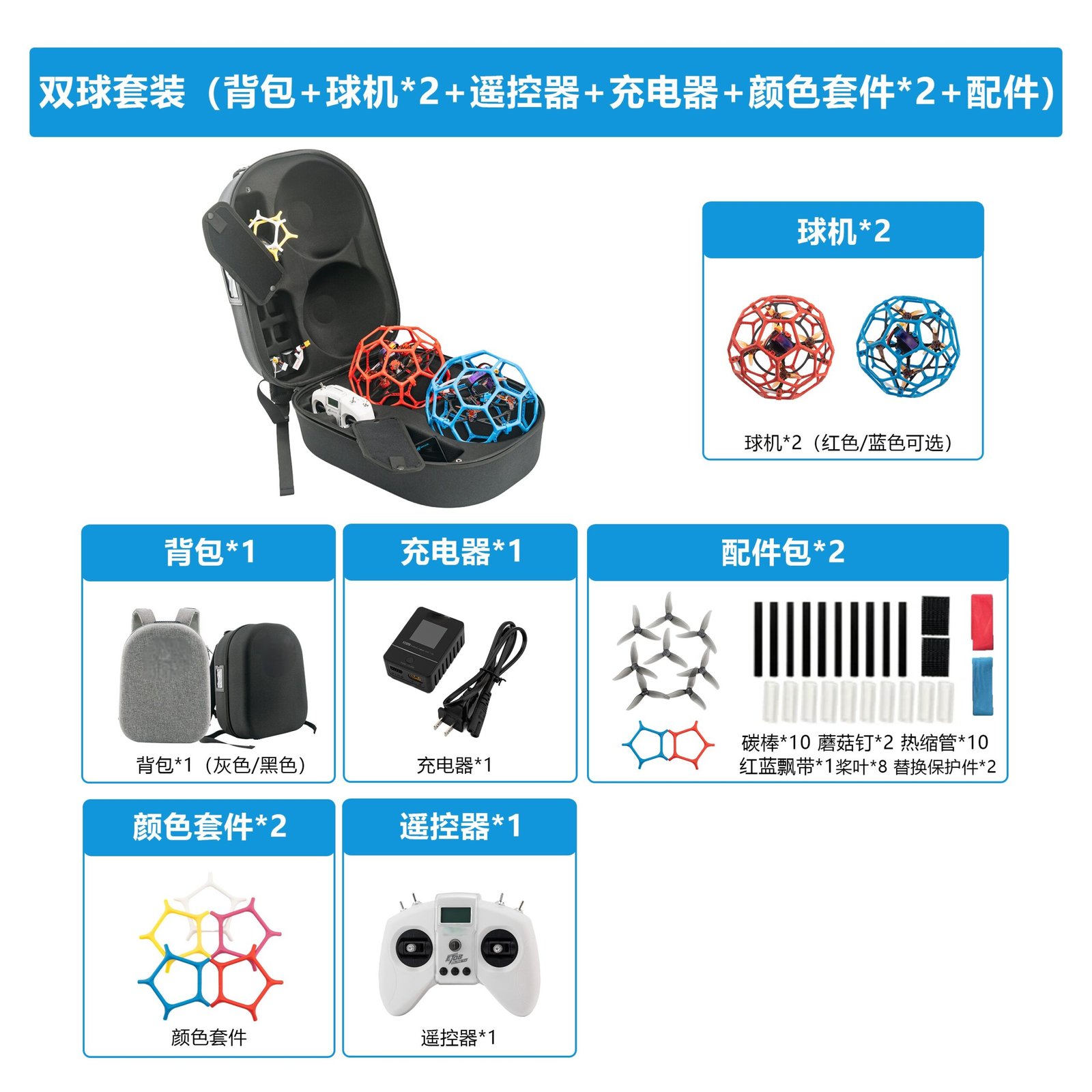
- Drone soccer systems: Confirm the kit includes drones with protective cages, controllers, batteries, chargers, and a hoop/goal. Ask about compatibility with standard rulebooks.
- Spare parts and repairability: Check availability of propellers, motors, frames, and cages. Inquire about repair guides and whether parts are user-replaceable.
- Safety certifications: Request documentation for battery safety (e.g., UN 38.3 for lithium batteries) and electrical compliance. Verify if the supplier provides test reports.
- Training and curriculum: Ask if the supplier offers educational materials, lesson plans, or instructor training. This is crucial for STEM integration.
- Warranty and support: Clarify warranty periods, what is covered, and how to obtain support. Get these terms in writing.
- Lead times and minimum order quantities (MOQs): Confirm current lead times and MOQs, as these can vary. Request a sample order if possible.
- Regulatory compliance: Ensure equipment meets local radio frequency and safety regulations. For US, check FCC compliance.
For a range of drone soccer systems, explore our drone soccer systems.
Common Mistakes to Avoid When Starting a Drone Soccer Program
- Ignoring local regulations: Flying without proper authorization can lead to legal issues. Always check with the relevant aviation authority.
- Purchasing without checking compatibility: Ensure drones and equipment meet the specifications of your intended league or competition.
- Underestimating training needs: Pilots need practice; budget for training time and resources.
- Overlooking safety: Invest in protective gear, netting, and proper arena setup. Never compromise on safety.
- Failing to plan for maintenance: Drone soccer involves crashes; have spare parts and a repair plan.
Our STEM drone education and training resources can help you build a robust program.
Frequently Asked Questions (FAQs)
1. What is drone soccer?
Drone soccer is a competitive team sport where pilots fly drones inside protective cages to score goals by passing through a hoop. It is played in a netted arena and emphasizes STEM skills.
2. Where did drone soccer originate?
Drone soccer was created in South Korea in 2016 as an educational tool to engage students in STEM. It has since grown into an international sport with standardized rules.
3. What are the basic rules of drone soccer?
Basic rules include two teams of five drones (three active), three periods of play, scoring by flying through the opponent’s hoop from the front, and strict safety protocols to prevent collisions.
4. Is drone soccer safe for students?
Yes, when played with proper equipment and supervision. Drones are enclosed in protective cages, and matches are held in netted arenas. Pilots receive training on safety and sportsmanship.
5. What regulations apply to drone soccer in schools?
In the US, educational drone use may fall under the FAA’s Exception for Limited Recreational Operations (49 U.S.C. § 44809) or Part 107, depending on the organization. Check with your local aviation authority for specific requirements.
6. What equipment do I need to start a drone soccer team?
You need drone soccer drones with cages, controllers, batteries, chargers, a hoop, and netting for the arena. Spare parts and safety gear are also essential. Consider purchasing a team kit from a reputable supplier.
7. How can I get funding for a drone soccer program?
Schools and clubs can seek grants from STEM education initiatives, local businesses, or aviation organizations. Some suppliers offer educational discounts; inquire with them directly.
Conclusion
Drone soccer offers an engaging way to teach STEM concepts while fostering teamwork and sportsmanship. Understanding its origins and basic rules helps schools, clubs, and distributors build successful programs. By following safety guidelines, complying with regulations, and choosing the right equipment, you can create a rewarding experience for participants. Ready to equip your team? Request a Team Kit Quote to discuss your needs with our team.