Quick summary
For drone soccer, the accessories worth buying are the ones that keep a fleet flying through a full practice or match day. In priority order: spare propellers and propeller guards, extra batteries and a safe charging setup, a small stock of motors and ESC (electronic speed control) modules, a few complete ball cages and inner frames, plus basic tools for field repair and a labelled storage system. Everything else — upgraded goggles, fancy chargers, cosmetic shells — is optional. Budget first for what breaks often, then for what is expensive to ship in a hurry.
Key Takeaways
- Buy spares by failure rate, not by catalogue appeal: propellers, guards and batteries first, then motors and ESCs, then structural parts.
- A club should be able to repair at least two balls per session without ordering anything new.
- Standardise on one or two cell and connector types so batteries, chargers and ESCs stay interchangeable across the fleet.
- Confirm all commercial terms — MOQ, lead time, warranty, spare-part availability — in writing before you commit a season budget.
- Regulatory setup (FAA rules and FRIAs in the US) is not an accessory, but it determines where and how your team can practise, so plan it alongside equipment purchases.
Why drone soccer equipment strategy is different from normal drone buying
Drone soccer is a contact sport played inside a protective ball cage. That single fact changes the spare-parts maths. Parts that would last a season of gentle free-flight last weeks or less when they are bouncing off other balls and arena walls.
A typical club therefore needs two equipment budgets: a one-time fleet budget for the balls, transmitters and goggles, and a recurring consumables budget for everything that wears out. Most clubs under-plan the second. If you want to understand how these systems are put together before choosing accessories, start with the range of drone soccer systems and note which components are field-replaceable.
Which accessories are actually worth buying?
The short answer: buy what stops play when it fails. Below is a practical priority order that holds whether you run one team or ten.
1. Propellers and propeller guards
Propellers are the highest-wear item on any drone soccer ball. Even with guards, prop strikes happen on contact, on hard landings and during aggressive direction changes. Buy in packs, not singles, and buy the exact pitch and diameter specified for your ball — mismatched props change thrust balance and make the ball behave inconsistently in the air.
Guards take a different kind of damage: cracking, deformation and loosening after repeated impacts. They usually fail gradually rather than suddenly, so inspect them between matches rather than waiting for a visible break.
2. Batteries and charging safety gear
Batteries are the second consumable. Match-day throughput matters more than maximum flight time: if a team plays six short matches, you need enough packs to rotate, not one pack with an ambitious rating.
Worth buying alongside batteries: fire-resistant charging bags or a dedicated charging area, a balance charger matched to your pack chemistry, and a simple battery log so packs are retired on age and cycle count rather than on visible puffing. Charging discipline is one of the easiest safety improvements a club can make.
3. Motors and ESC modules
Motors are the expensive consumable. They survive most impacts but fail through bearing wear, bent shafts, or debris ingress after crashes. Keeping two to four spare motors per active ball is a reasonable starting assumption for a competitive club, but confirm the correct motor specification with your supplier rather than assuming interchangeability.
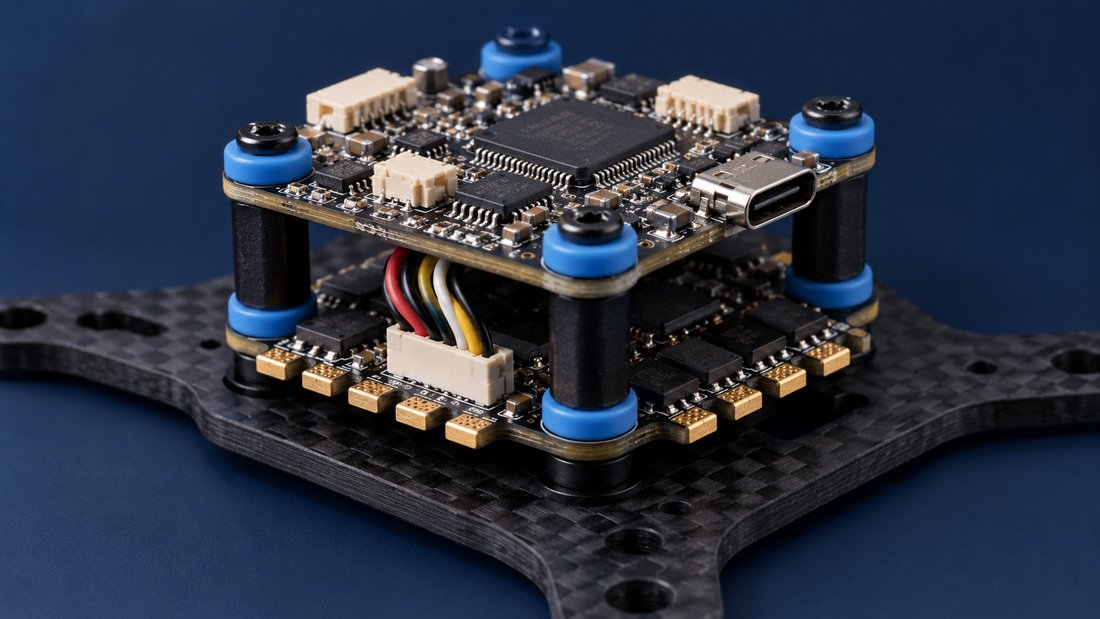
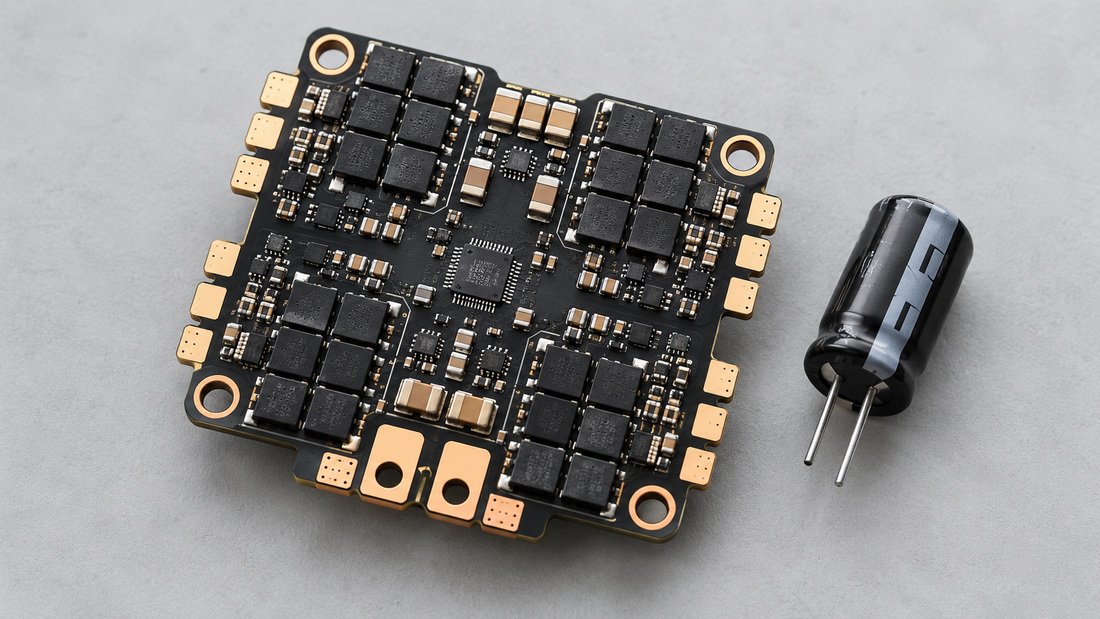
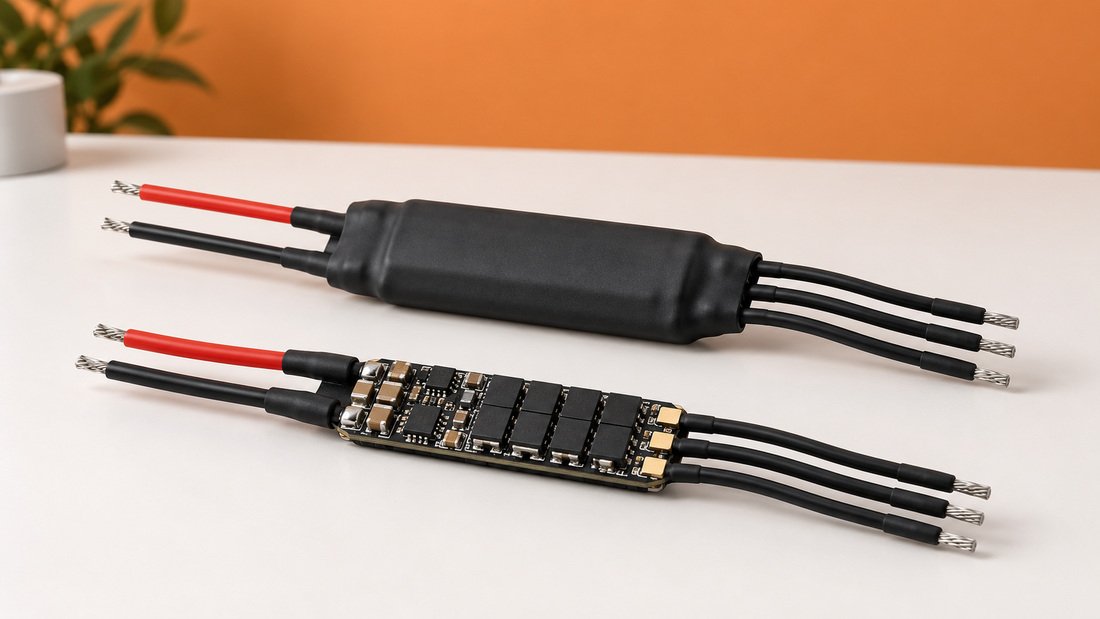
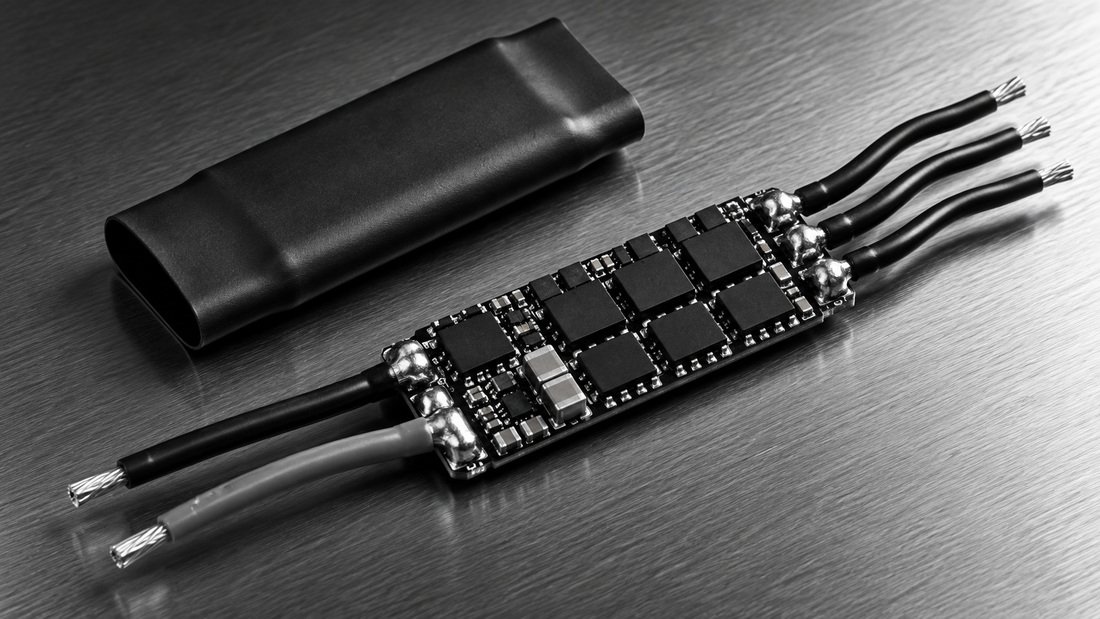
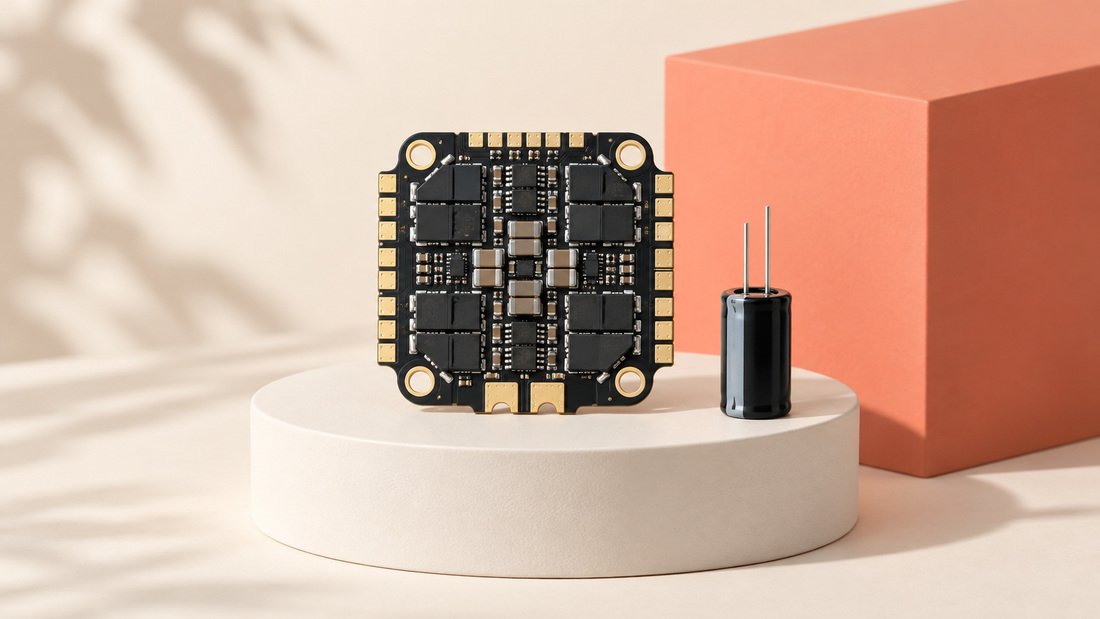
ESC (electronic speed control) modules are the electronic weak point in impact-heavy flight. Manufacturers typically supply either single ESC modules or a four-in-one (4-in-1) board that combines four ESCs on one PCB. Each has a different repair profile.
4. Ball cages, inner frames and structural spares
Cages and frames are the parts people forget to stock. A cracked cage ring can sideline a ball for weeks if it is a special order. Ask your supplier which structural components are sold separately and keep at least one spare set per five balls, adjusted for how hard your team plays.
5. Field tools and consumables
A small, labelled field kit prevents most mid-session panic: the correct hex drivers, spare screws and fasteners, cable ties, threadlocker where specified, tape, a multimeter, a soldering iron with a safe power source, and spare connectors and wiring. None of this is glamorous. All of it decides whether a session finishes.
Comparison: single ESC modules versus 4-in-1 ESC boards
This is the accessory decision that most affects your repair workflow and spare-parts stock.
| Aspect | Single ESC modules | 4-in-1 ESC board |
|---|---|---|
| Repair after one ESC failure | Replace one module | Often replace the whole board |
| Spare stock needed | Several small modules | At least one full board |
| Weight and wiring | More wiring, more solder joints | Cleaner build, fewer joints |
| Cost per repair event | Lower if you diagnose accurately | Higher, but faster to swap |
| Best suited to | Clubs with repair skills and tight budgets | Programs that value speed and simplicity |
Neither option is universally better. If your coaches can solder and diagnose, single modules stretch a budget further. If your priority is getting a ball back in the air during a tournament, a 4-in-1 board is usually the pragmatic choice.
Trade-offs: what not to buy first
Accessory buying goes wrong in two directions.
First, over-buying performance parts. Upgraded motors or high-discharge packs can add speed, but they also stress the ESC and the cage, and they may push your ball outside the specifications your league plays to. For most clubs in their first two seasons, reliability beats peak performance.
Second, under-buying boring parts. Clubs routinely order goggles and transmitters and forget screws, connectors and prop guards. Then a practice is cancelled over a two-dollar fastener.
A useful rule: for every upgrade you buy, buy the equivalent value in consumables. The upgrades get attention; the consumables get you through the season.
Where drone soccer equipment fits into your program
Drone soccer sits at the intersection of sport and technical education. Many clubs are attached to schools, so kit decisions double as STEM drone education and training decisions — students learn soldering, diagnosis and maintenance by repairing real hardware.
That has a procurement implication. If repair is part of the curriculum, single ESC modules and individual motors are teaching tools, not just spares. If the program is competition-first, weigh spares toward fast-swap assemblies instead. Schools and clubs with different remits can compare approaches in the guidance for schools and training organizations.
Planning your first team kit? Get help matching accessories to your fleet
Tell us your fleet size, how often you compete and how much repair your team does in-house, and we can help you build a spare-parts list that matches your season rather than a generic bundle. Request a Team Kit Quote and we will work through the accessories that matter for your program.
Match-day and season planning
Purchasing is only half the job. The other half is how you deploy what you bought.
- Match-day kit: charged packs, chargers, prop packs, one spare ball cage, tools, tape, first-aid basics, and a printed repair checklist.
- Season planning: track which parts fail and when. Two seasons of failure data turns spares buying from guesswork into a budget line.
- Storage: labelled bins by part type, props stored flat and away from heat, batteries stored at the manufacturer’s recommended storage voltage.
If your club runs regular fixtures, the operational side is covered in more detail under drone soccer competitions, and club-specific guidance is available for drone soccer clubs.
One regulatory note for US-based programs
Equipment choice does not remove regulatory obligation. In the United States, drones flown for educational purposes are regulated either under the Exception for Limited Recreational Operations of Unmanned Aircraft (49 U.S.C. § 44809) or under the Small Unmanned Aircraft Systems Rule (Part 107, 14 CFR Part 107).
Crucially, the FAA notes that educational organizations not qualifying as institutions of higher education or as part of a JROTC program must be chartered by an FAA-recognized Community Based Organization to operate under § 44809; otherwise they must operate under Part 107. Educational institutions can also request a FAA-Recognized Identification Area (FRIA), where drones can be flown without Remote ID. Read the FAA’s guidance for educational users at https://www.faa.gov/uas/educational_users and confirm your own operating category with the FAA or your national regulator before buying accessories for competition use.
Common mistakes when buying drone soccer accessories
- Buying one spare of each part. One spare fails as soon as you need it twice. Stock relative to fleet size.
- Assuming compatibility. Propellers, motors, ESCs and battery connectors are not universally interchangeable. Confirm exact specifications in writing.
- Ignoring connector types. A cheaper battery with the wrong connector adds adapters, resistance and failure points.
- Forgetting structural spares. Cages and frames are often the longest-lead items.
- Skipping the failure log. Without data, every season’s spares order is a guess.
- Buying on unit price alone. A part that arrives late has a cost, too — factor lead time and shipping into the total.
Procurement checklist for drone soccer equipment
Use this before you send a purchase request or ask a supplier for a quotation.
- Fleet size and number of active balls per session
- Number of sessions, matches and tournaments per season
- Parts your team can repair in-house versus parts requiring a return
- Exact propeller specification, motor specification, ESC type and battery connector
- Battery chemistry, cell count and charge time required for match rotation
- Soldering and diagnostic capability of your coaches or students
- Storage and charging safety arrangements
- Lead time, shipping method and minimum order quantity — request these in writing
- Warranty terms and how warranty claims are handled for B2B orders — request these in writing
- Spare-part availability for the expected life of the fleet — confirm which parts remain orderable
- Budget split between one-time fleet purchase and recurring consumables
FAQs
Which drone soccer accessory should a new club buy first?
Spare propellers and propeller guards. They are inexpensive, they fail often, and without them a single hard contact can end a practice session.
How many spare batteries does a drone soccer team need?
Enough to cover your longest continuous playing block plus charging time. The practical test is whether every ball can fly through a full match day without waiting on a charger. Confirm your pack’s charge time with your supplier, because charger and battery must be matched.
Should I stock single ESC modules or 4-in-1 boards?
Single modules suit clubs that can solder and want cheaper per-event repairs. A 4-in-1 board suits programs that want fast swaps. Stock at least one replacement per active ball either way, and verify the exact board or module used in your fleet.
Are upgraded motors worth buying?
Usually not in the first seasons. Upgrades can add speed but also stress the ESC, battery and cage, and may conflict with league specifications. Confirm your league’s technical rules before changing motors.
Do I need to register or authorise anything before buying equipment?
Equipment purchase and flight authorisation are separate. In the US, review the FAA’s educational-user guidance at https://www.faa.gov/uas/educational_users to determine whether your organisation operates under § 44809 or Part 107, and whether a FRIA is relevant to your site. Outside the US, check your national aviation authority.
What commercial terms should I confirm before ordering?
Ask for minimum order quantity, lead time, shipping method, warranty terms and warranty claim process, and the list of parts that will remain available as spares. Get all of it in writing; do not rely on a catalogue page.
Is it cheaper to buy a full team kit or individual parts?
It depends on how many of each part you actually need. Run the checklist above, then ask for both a kit quotation and an itemised spare-parts quotation so you can compare total cost of ownership rather than sticker price.
Conclusion
Worth buying, in order: propellers and guards, batteries with a safe charging setup, a small stock of motors and ESCs, structural spares for cages and frames, and a proper field toolkit. Skip the upgrades until your fleet is reliable and your repair process is boring.
The best accessory purchase is the one that means nobody sits out a session. Build your list from fleet size, session frequency and in-house repair capability, then confirm specifications, lead times, MOQ and warranty in writing.
Ready to plan a season’s spares in one conversation? Request a Team Kit Quote and share your fleet size, league and repair setup.