Quick summary
A drone soccer team should carry spare brushless motors, propellers, electronic speed controllers (ESCs), motor screws, bullet connectors, and power leads. For teams flying FPV or drone soccer, the highest‑failure items are propellers, motors, and ESCs after crashes or hard landings. A practical field kit should include at least one full replacement set of motors and ESCs per active drone, plus consumables such as propellers, zip ties, and battery straps. LiPo batteries are also critical spares, but their transport is regulated: spare lithium batteries must be carried in carry‑on baggage only, with terminals protected from short circuit, and lithium‑ion batteries are limited to 100 Wh per battery unless airline approval is granted for larger ones (https://www.faa.gov/hazmat/packsafe/lithium-batteries).
Key Takeaways
- Carry at least one spare brushless motor per drone in use, plus a full set of spare propellers and ESCs.
- For drone soccer, prioritize parts that fail in crashes: propellers, motor bells, ESC, and motor mounts.
- Use a modular approach: pre‑soldered motor/ESC sets reduce field repair time.
- Battery transport rules apply: spare lithium batteries must be in carry‑on baggage, terminals protected, and size limits observed (FAA source).
- Confirm all commercial terms—MOQ, lead time, warranty, and certification—in writing with your supplier.
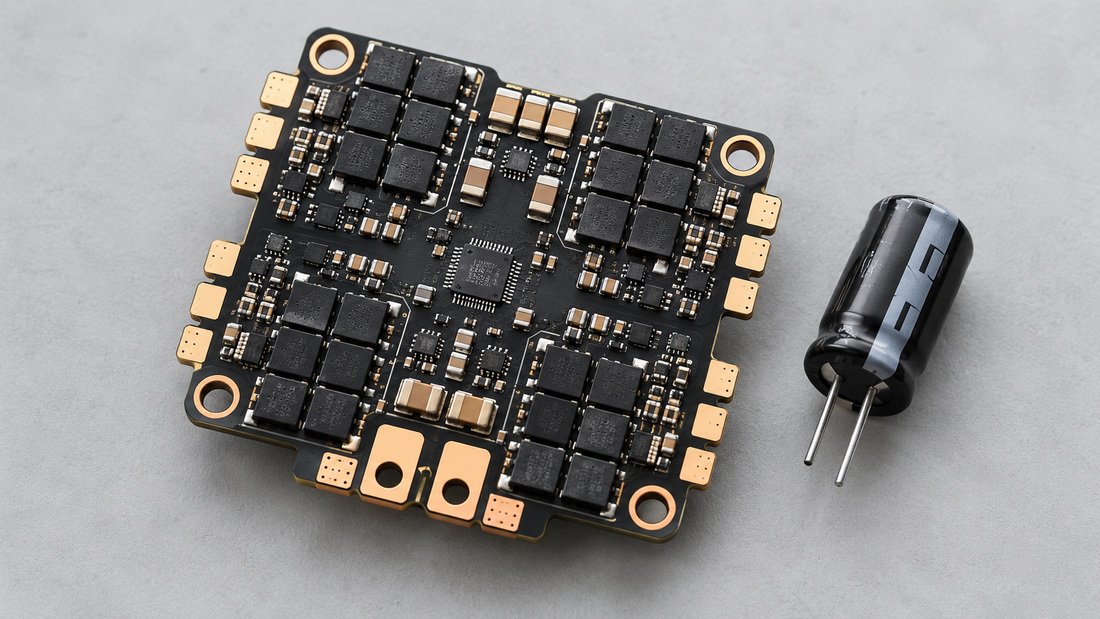
What spare parts should a drone soccer team carry?
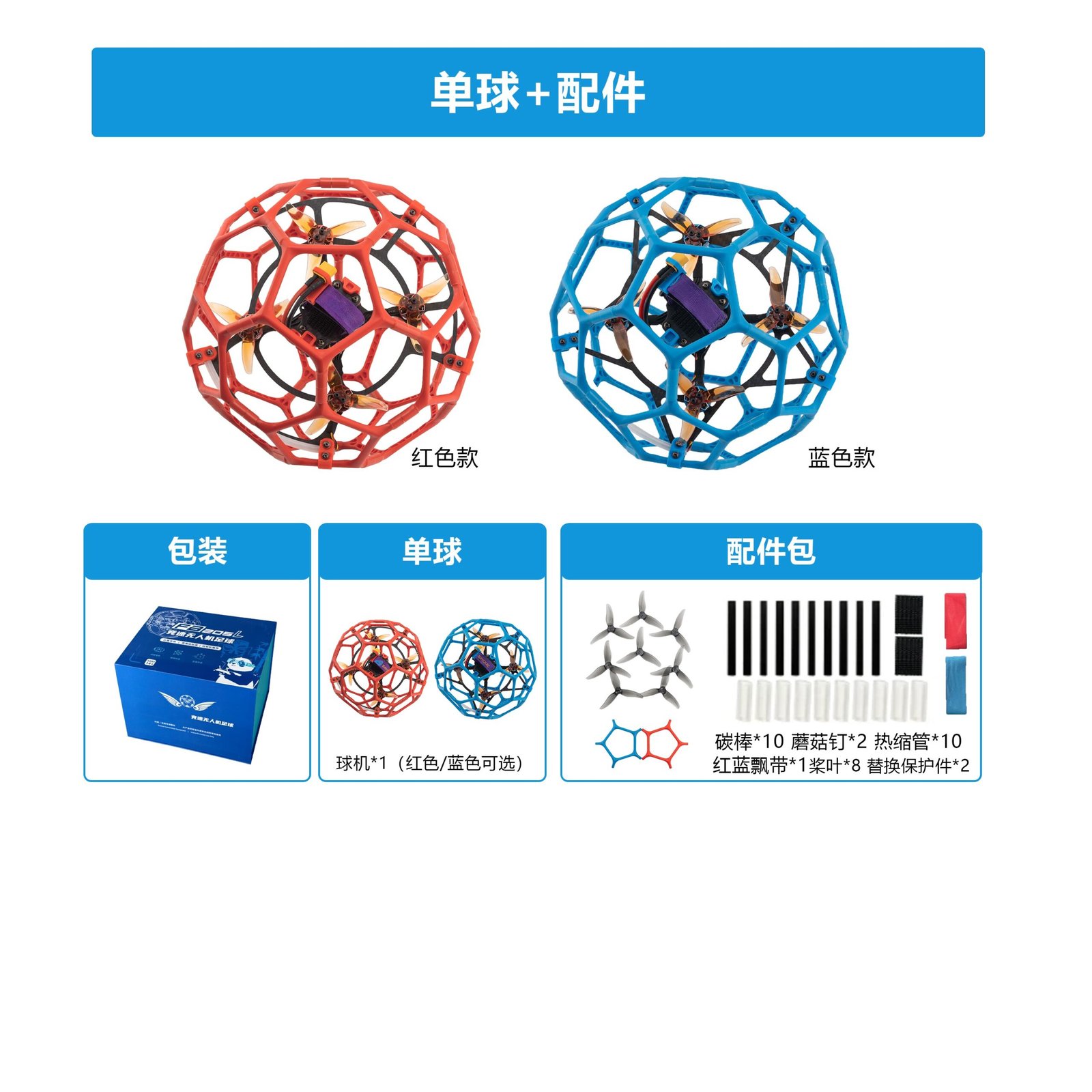
The short answer: a team should carry spare brushless motors, propellers, ESCs, motor screws, and power connectors. For drone soccer, where collisions and rapid direction changes are common, the highest‑wear items are propellers and motor bells. A sensible baseline is one complete motor set (4 motors) and one ESC per active drone, plus a minimum of 4–8 spare propellers per drone. Also include spare battery straps, zip ties, and double‑sided tape for quick fixes.
Because drone soccer uses brushless motors with specific KV ratings and mounting patterns, spare motors must match the original specifications. Mismatched motors can cause uneven thrust, overheating, or flight controller issues. Always verify the motor’s stator size, KV, shaft diameter, and mounting hole pattern before ordering spares.
Essential motor‑related spares
- Brushless motors: At least one spare per drone, ideally a full set of four matching motors.
- Propellers: 4–8 spare pairs per drone; drone soccer propellers are often specific to the league or cage design.
- ESCs: One spare 4‑in‑1 or individual ESC per drone; ensure current rating matches motor draw.
- Motor screws: Assorted M2, M3 screws; soft‑mount screws if applicable.
- Bullet connectors: 2mm or 3.5mm as used by your motors and ESCs.
- Power leads and XT30/XT60 connectors: For quick battery swaps.
- Motor mounts and arms: If your frame uses replaceable arms, carry at least one spare arm and motor mount.
Why brushless motors are the critical spare
Brushless motors are the core of your drone’s propulsion system. In drone soccer, motors endure repeated impacts, sudden throttle changes, and occasional prop strikes. While brushless motors are robust, bearings can wear, bells can bend, and windings can short after a crash. A damaged motor often causes vibration, reduced thrust, or complete failure—any of which can cost a match. Carrying spare brushless motors means you can replace a damaged unit between matches rather than forfeit.
For clubs and schools, standardization is key. If all drones in your fleet use the same motor model, you reduce spare‑part variety and simplify repairs. Work with your supplier to select a motor that balances thrust, efficiency, and durability for your drone soccer cage size. For more on matching motors to propellers and batteries, see our guide on motor, propeller and battery matching.
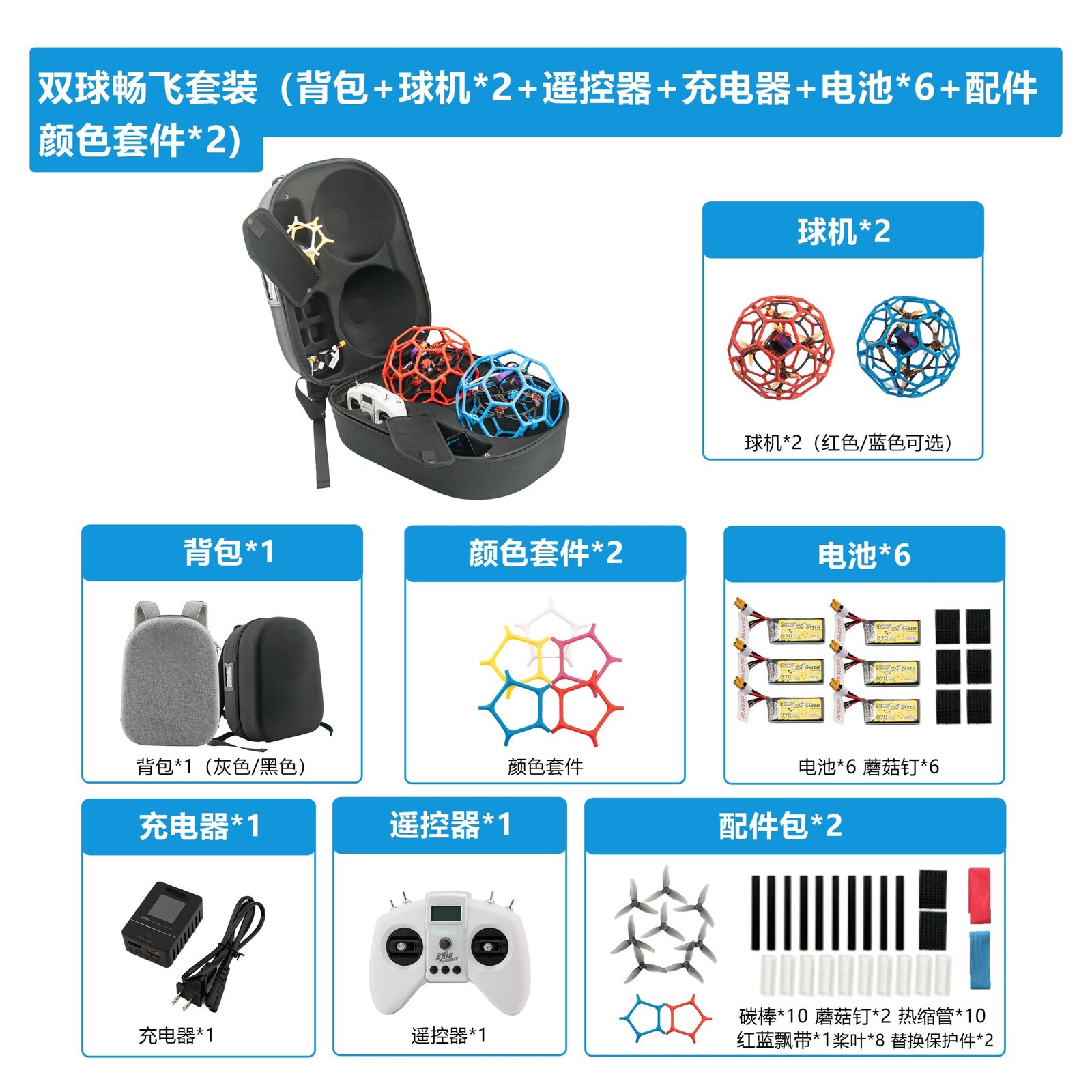
Comparison table: spare parts priorities for drone soccer teams
| Spare part | Typical quantity per drone | Failure likelihood | Field‑replaceable? | Notes |
|---|---|---|---|---|
| Brushless motors | 1–4 | High after crashes | Yes | Match KV, stator size, mounting pattern. |
| Propellers | 4–8 pairs | Very high | Yes | Carry both CW and CCW. |
| ESCs | 1–2 | Medium | Yes | 4‑in‑1 or individual; check current rating. |
| Motor screws | Assorted pack | Low but critical | Yes | M2, M3; threadlocker recommended. |
| Bullet connectors | 10+ | Low | Yes | 2mm or 3.5mm; match motor/ESC. |
| Power leads/connectors | 2–4 | Medium | Yes | XT30/XT60; ensure polarity. |
| LiPo batteries | 2–4 | Medium | Yes | Observe transport rules (FAA). |
| Frame arms/mounts | 1–2 | Medium | Yes | If frame is modular. |
ESCs and power system spares
Electronic speed controllers (ESCs) are the bridge between your battery and brushless motors. They can fail due to overcurrent, overheating, or crash damage. A 4‑in‑1 ESC is common in drone soccer for its compact size and weight savings, but individual ESCs allow single‑unit replacement. Carry at least one spare ESC per drone. If you use a 4‑in‑1 ESC, a spare unit is essential because a single failure disables all four motors.
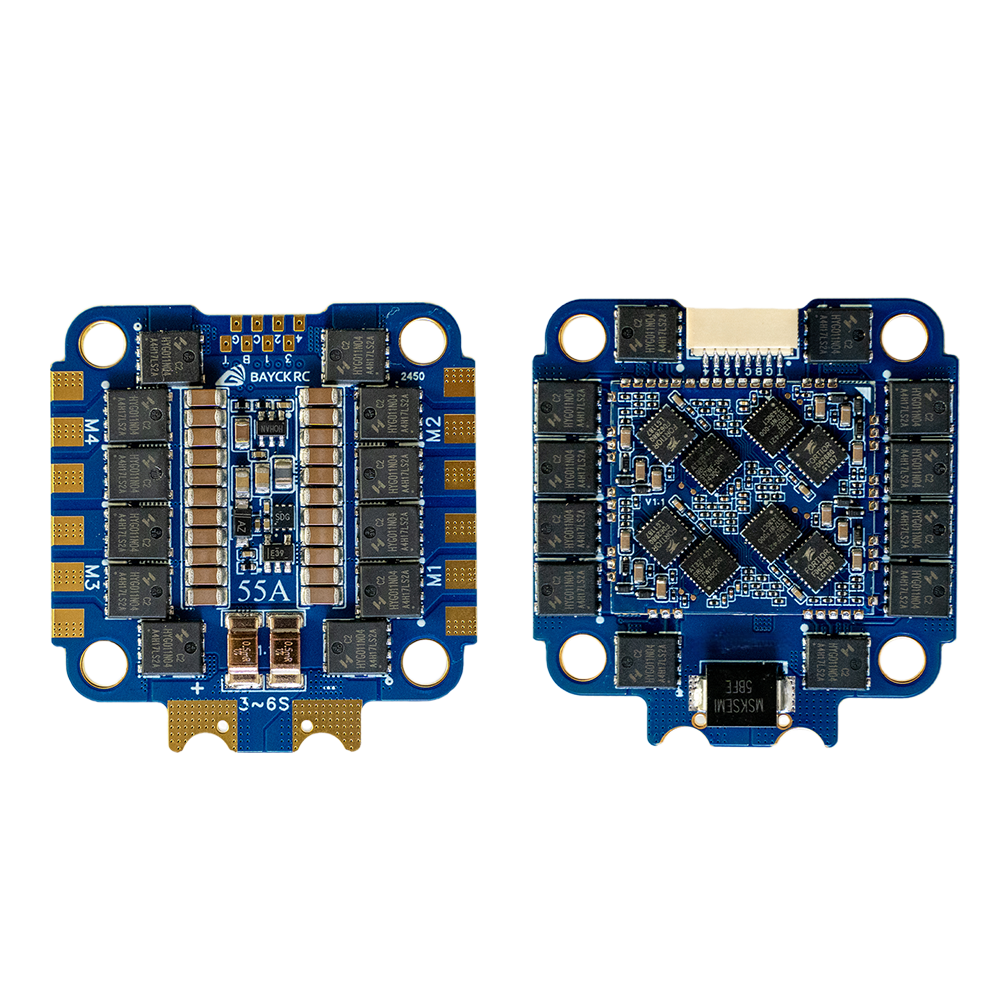
When selecting spare ESCs, match the continuous and burst current ratings to your motor’s maximum draw. Also check firmware compatibility and connector types. For teams that need a complete propulsion solution, propulsion combo kits can simplify spares by providing matched motors, ESCs, and propellers.
Propellers, hardware, and consumables
Propellers are the most frequently replaced item. In drone soccer, propellers are often protected by a cage, but impacts still cause cracks or bends. Carry at least four spare pairs per drone, and inspect after every match. Use only propellers specified for your motor’s KV and cell count; incorrect propellers can overload ESCs.
Hardware includes motor screws, standoffs, and zip ties. Vibration can loosen screws, so threadlocker is recommended. Also carry spare battery straps, Velcro, and double‑sided tape. These low‑cost items prevent bigger failures.
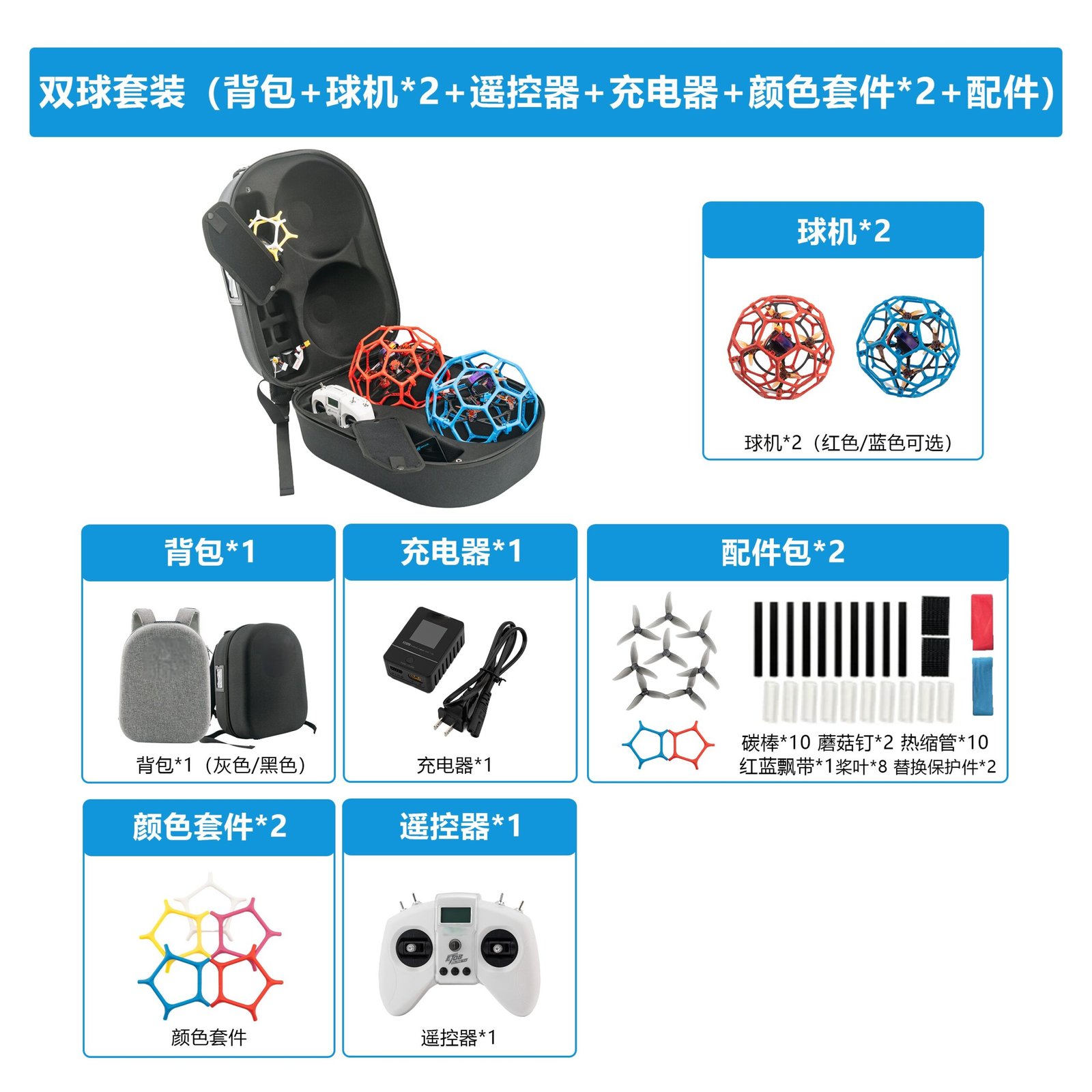
Battery spares and transport rules
LiPo batteries are consumables that degrade over time. Carry at least two spare batteries per drone for a full day of competition. However, if you travel by air, follow aviation regulations. According to the FAA, spare (uninstalled) lithium‑ion and lithium‑metal batteries, including power banks, must be carried in carry‑on baggage only. When a carry‑on bag is checked at the gate, all spare lithium batteries and power banks must be removed and kept in the cabin. Battery terminals must be protected from short circuit—for example, by leaving batteries in retail packaging, covering terminals with tape, using a battery case, or placing them in a protective pouch. Lithium‑ion batteries are limited to 100 Wh per battery; with airline approval, up to two spare larger batteries (101–160 Wh) may be carried. Many airlines have stricter limits, so check with your carrier before traveling (https://www.faa.gov/hazmat/packsafe/lithium-batteries).
These rules apply to US aviation and are based on FAA guidance. Other jurisdictions may have different regulations; always verify with your airline and local authorities.
Common mistakes when building a team spare kit
- Not standardizing motors across the fleet: Different motors mean more spare types and confusion during repairs.
- Ignoring motor mounting patterns: A spare motor that doesn’t fit your frame is useless.
- Forgetting connectors and screws: You can’t mount a motor without the right hardware.
- Carrying too few propellers: Propellers break often; running out mid‑event ends your day.
- Overlooking battery transport rules: Non‑compliant packing can prevent you from flying.
- Assuming spares are plug‑and‑play: Motors and ESCs may need soldering; carry a soldering iron if allowed.
Procurement checklist for team managers
- List all drone models and their motor specifications (stator size, KV, shaft diameter, mounting holes).
- Decide on a standard motor model for the fleet to simplify spares.
- Calculate required spares: 1 motor set per drone, 4–8 propellers per drone, 1 ESC per drone.
- Include hardware: screws, connectors, power leads, battery straps.
- Verify battery transport rules if traveling by air (FAA source).
- Request samples to test fit and performance before bulk order.
- Confirm in writing: MOQ, lead time, warranty, certification, and after‑sales support.
- Ask about OEM/ODM options if you need custom KV or branding.
For teams that need matched propulsion components, our FPV motors and motor and propulsion matching services can help ensure compatibility.
Frequently asked questions
How many spare brushless motors should a team carry?
At least one spare motor per active drone, but a full set of four is safer for tournament play. If budget allows, carry two full sets.
Can I use any brushless motor as a spare?
No. Spare motors must match the original’s KV, stator size, shaft diameter, and mounting pattern. Mismatched motors can cause instability and overheating.
Do I need to carry spare ESCs?
Yes. ESCs can fail due to crashes or overcurrent. Carry at least one spare per drone, especially if using a 4‑in‑1 ESC.
What tools should I bring for motor repairs?
Basic tools: hex drivers, screwdrivers, soldering iron (if allowed), wire cutters, and multimeter. Also bring threadlocker and tape.
How do I transport spare LiPo batteries safely?
Follow FAA rules: carry spare lithium batteries in carry‑on baggage only, protect terminals from short circuit, and observe Wh limits. Check with your airline for stricter rules (https://www.faa.gov/hazmat/packsafe/lithium-batteries).
Are drone soccer motors different from FPV motors?
Drone soccer motors are often similar to FPV motors but may have specific KV and thrust requirements for the cage and ball size. Consult your league rules or supplier.
What should I confirm with a supplier before ordering spares?
Confirm motor specifications, connector types, MOQ, lead time, warranty, and whether the motors are tested for drone soccer use. Ask for samples to verify fit and performance.
Conclusion: build a team kit that keeps you flying
A well‑planned spare parts kit minimizes downtime and keeps your team competitive. Focus on brushless motors, propellers, ESCs, and essential hardware. Standardize your fleet, carry enough consumables, and follow transport rules for batteries. For custom team kits or OEM/ODM projects, Request a Team Kit Quote today.