Quick summary
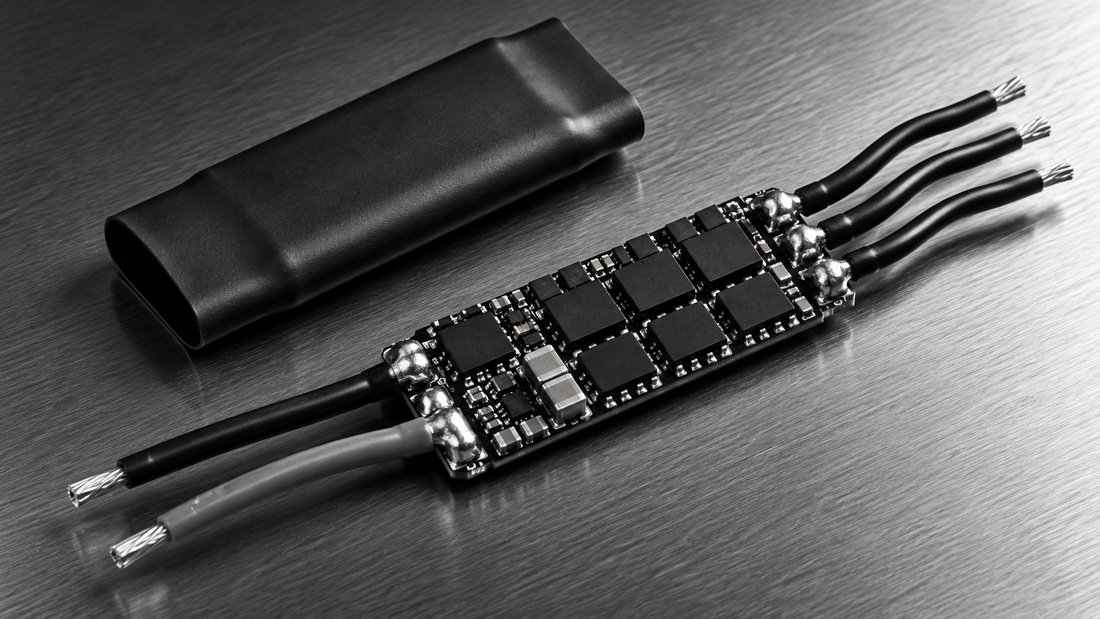
Drone soccer balls use small, low-pitch propellers protected inside a cage. Because they rarely stock what clubs actually break, most buyers source the prop as part of a factory kits and spares package rather than buying it alone. DPF supplies drone soccer (BKZ) platforms and supports prop selection, spare-part planning and OEM/ODM customization through a single contact. If you are budgeting for a program, treat the propeller as a consumable and order it alongside motors, ESCs (electronic speed controllers — the board that drives the motors) and cages.
Key Takeaways
- The propeller is an internal drivetrain part, not a universal accessory; buy it as part of a matched propeller–motor–ESC combo.
- Ducted, cage-protected, low-pitch props are typical for player balls because they prioritize durability and indoor-safe thrust over top speed.
- Prop quality affects flight stability and repair time for youth programs, so spare ratios matter as much as unit price.
- Never mix propeller specs across brands without written confirmation from the platform manufacturer.
- For anything commercial — pricing, MOQ, lead time, warranty — request a written quote and confirm the terms in the order documents.
What propellers do drone soccer balls use?
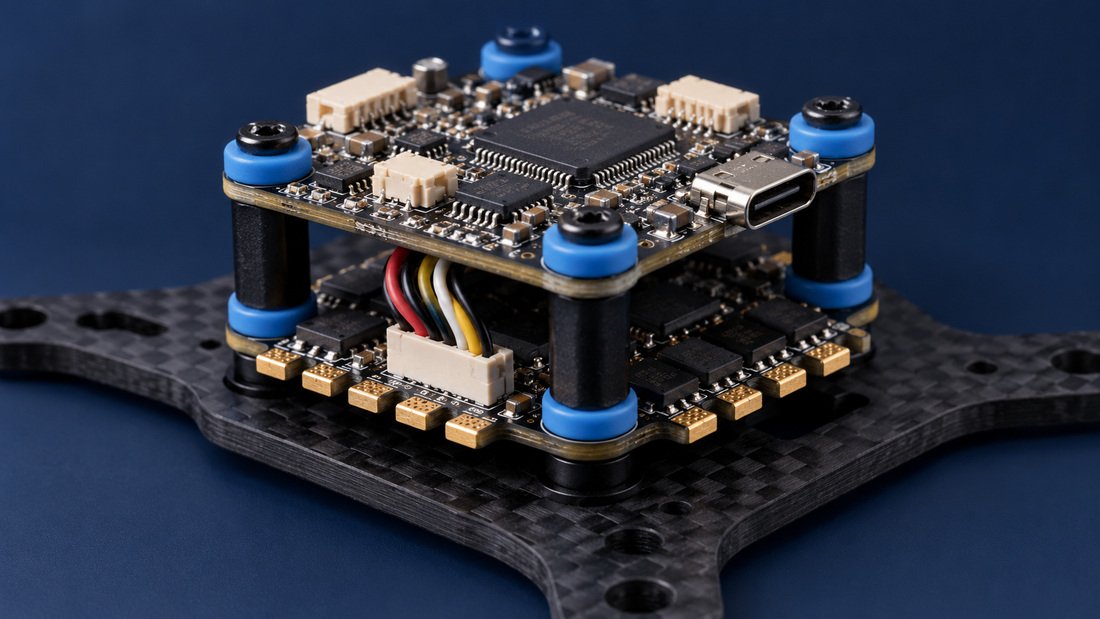
The propeller used in a drone soccer ball is a small, ducted or cage-protected propeller matched to the ball’s motor and ESC. Rather than a standalone product category like the 5-inch props sold for freestyle FPV, it is a sealed drivetrain component: the prop, motor, and ESC are specified together by the ball manufacturer because the cage geometry, thrust curve, and current draw all interact.
That is the practical answer for procurement. Search results for “drone soccer ball propeller” usually return either vague hobby listings or nothing useful, because the part is normally ordered through the factory that builds the ball. For teams, clubs, and schools, the realistic path is to source props through your platform supplier as part of a annual spares budget — not as a generic accessory purchase.
Ducted vs open propellers in drone soccer
A ducted propeller sits inside a shroud or duct. The duct protects the blades, reduces tip losses, and limits exposure to fingers, walls, and other balls. Open propellers, by contrast, are exposed; they are common in freestyle FPV but a poor fit for a ball that is handled, kicked, and crashed repeatedly by students.
For player balls, the duct and cage are usually integral to the shell. This is why the prop cannot be swapped across ball designs without checking fitment: a propeller that physically installs may still produce the wrong thrust, overheat the motor, or vibrate the flight controller into poor stabilization.
Why the propeller is not sold as a universal spare
Because the prop is tuned to a specific motor-and-ESC combination, and because the cage determines blade diameter clearance, factories typically treat it as a captive part. Buyers who try to substitute a generic micro propeller risk hidden costs: arm damage, inconsistent flight feel between balls, and coaching problems when students cannot reproduce the same setup.
How propeller design affects the player ball
Three variables dominate. First, blade pitch: lower pitch means lower top speed but better control response, which suits indoor arenas and beginners. Second, diameter clearance inside the cage: too close and blade strike destroys props on contact. Third, material toughness: props that shatter rather than flex create more debris and downtime in a session with 20-plus students.
For a program, the right question is not “which prop is fastest” but “which prop survives a full training block without replacing the ball.” That is a durability-and-spares question, and it is answered with your supplier.
Drone soccer equipment: how the propeller fits the whole system
Propellers are one line item in a broader drone soccer equipment stack. Standard equipment for a team or school program typically includes:
- Player balls with cage, prop, motor, ESC, flight controller and battery
- Goal and arena structures sized to your competition format
- A charger and battery-management plan for back-to-back sessions
- Spares: props, motors, ESCs, cage sections, batteries
- Safety gear, storage/transport cases and basic tools
If you are building a program from scratch, start with drone soccer systems to understand how balls, goals and support parts are usually packaged, then map the propeller and motor spares to expected crash rates.
Program use vs competition use
Classroom and after-school programs need balls that tolerate repeated mishandling. Competition teams need consistent, repeatable flight feel so players can practice set plays. Both needs point toward the same procurement behavior: standardize on one ball platform, then buy matching prop and motor spares in volume.
Where schools and training organizations fit
For schools and training organizations, the propeller decision is a maintenance-budget decision. If a single damaged prop sidelines a ball for a week, your student-to-aircraft ratio collapses. Ask your supplier for a documented spares list with part identifiers before you commit to a platform.
Where clubs and associations fit
Drone soccer clubs and associations often maintain a pool of shared balls across multiple teams. That makes standardization critical: a mixed fleet multiplies the number of prop and motor variants you must stock. Distributors and event organizers face the same problem at larger scale, where borrowed or rented equipment must be serviceable on-site.
If your program spans multiple sites, our overview of STEM drone education and training is a useful reference for structuring equipment across grade levels.
Propeller and spares comparison at a glance
The table below summarizes typical trade-offs. It is general guidance, not a specification for any specific DPF or third-party model — confirm exact numbers with your supplier.
| Attribute | Ducted/cage-protected prop (typical player ball) | Open FPV prop (not typical for soccer balls) |
|---|---|---|
| Hand safety | Blades shielded by cage/duct | Exposed; high injury risk in youth hands |
| Durability in crashes | Duct absorbs impact; prop often survives | Prop or motor shaft damage common |
| Thrust feel | Tuned for control and stability indoors | Tuned for speed and response outdoors |
| Sourcing | Usually supplied by ball manufacturer | Widely available aftermarket |
| Spare-part complexity | Must match motor, ESC and cage | Broad compatibility within size class |
| Best fit | Schools, clubs, competition balls | Freestyle, racing, DIY builds |
Reading that table for procurement
If a listing advertises a generic “drone soccer propeller,” ask the seller whether the prop is validated against a specific ball platform. If the answer is unclear, treat it as an open FPV part with unknown fitment — and budget for the failure mode.
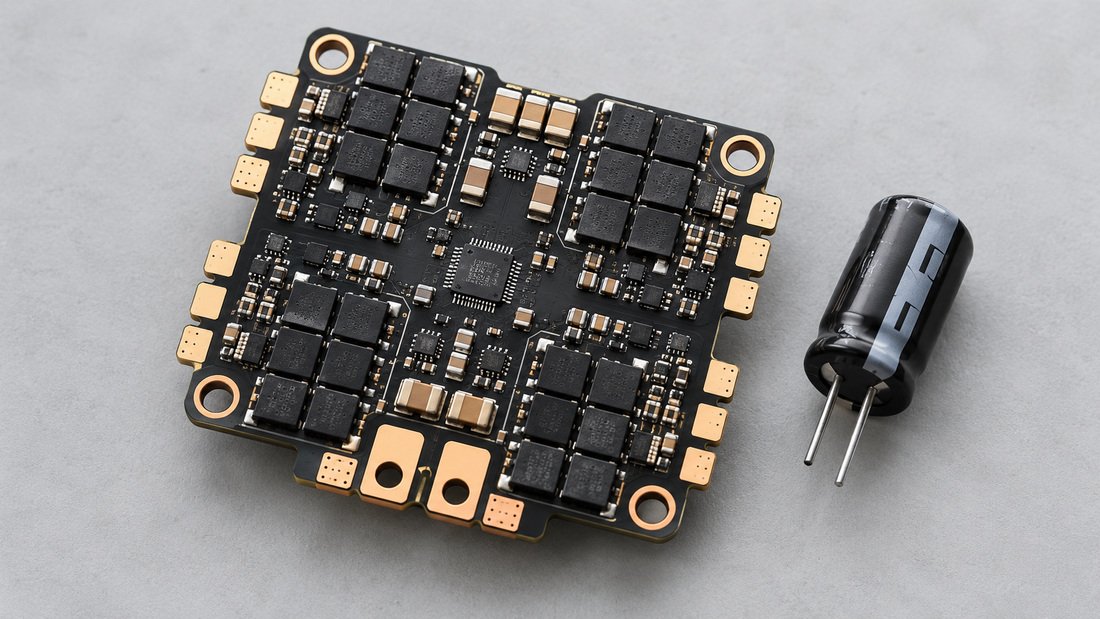
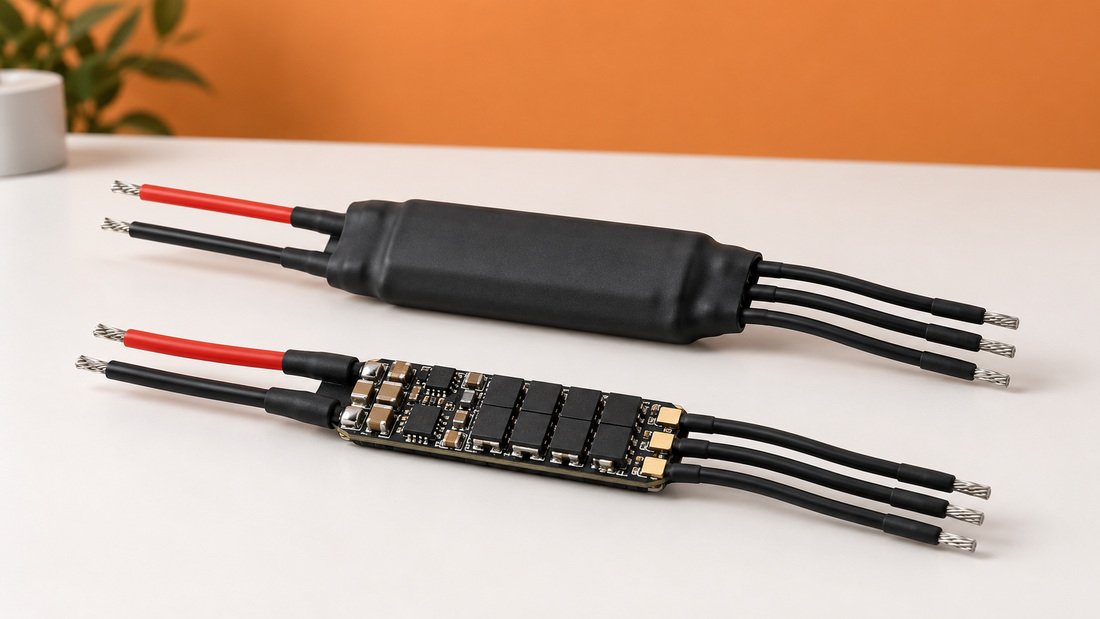
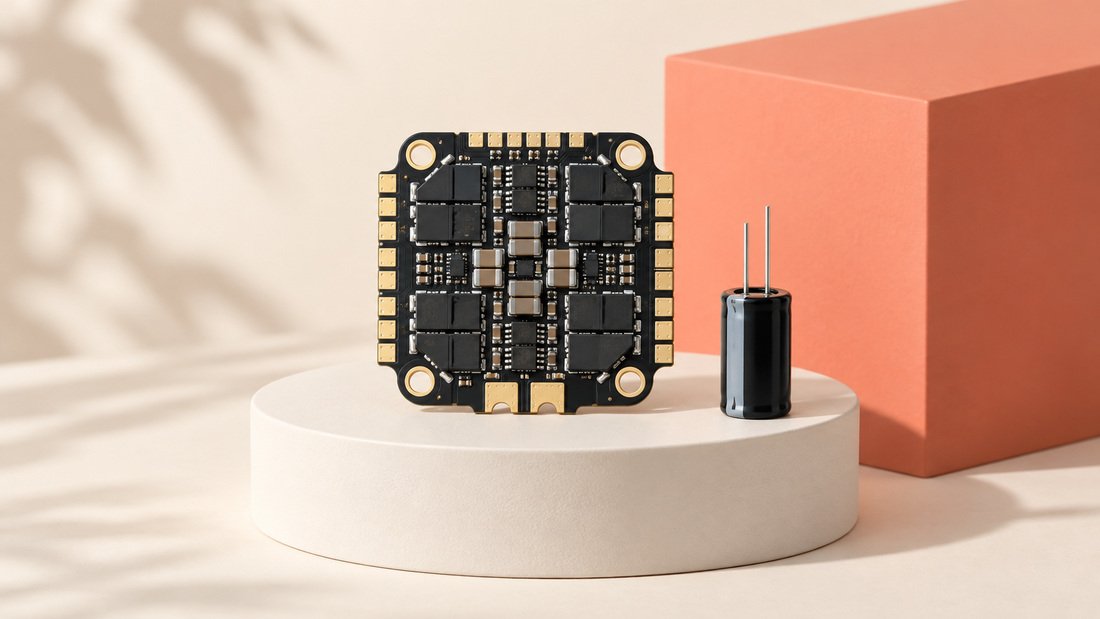
DPF supplies drone soccer (BKZ) platforms along with the motors (BKM) and ESCs (BKE) that sit in the same drivetrain. We do not publish unverified lead times or MOQs here because those depend on your configuration and order size. Request current terms in writing.
The repair loop: why prop durability is a program cost
In a training session, the sequence is predictable: contact, prop strike or cage impact, inspection, replacement, re-flight. Every minute spent diagnosing a subtle prop problem is a minute students are not flying. This is why durable ducted props and quick-swap compatible modules matter more than headline performance figures.
What a realistic spares ratio looks like
Rather than quoting a fixed ratio, track your own data. For each training block, log ball-hours flown, prop replacements, motor replacements, and cage damage. After two or three blocks you will have a defensible spares number to bring to your supplier. Ask about a starting ratio for your class size and confirm it against your own logs.
Common mistakes in propeller and spares purchasing
- Buying props without the ball platform spec. Fitment looks fine until the motor overheats or the ball drifts in hover.
- Mixing platforms across teams. Every added ball type adds another prop, motor and battery SKU to your storeroom.
- Treating props as a one-time purchase. They are consumables; budget for them per session or per term.
- Ignoring cage condition. A cracked duct moves the prop, causing vibration that looks like a flight-controller fault.
- Assuming warranty terms carry across regions. Consumer warranty norms are not automatically B2B or worldwide. Get your terms documented.
- Relying on overseas retail listings for spares. You may get a part that works today and disappears from stock next season.
If you are also running events, the equipment list overlaps heavily with our notes on drone soccer competitions — bring spare props and matched motors, not just spare balls.
Mid-article next step
Building a team kit or a school program and need to confirm which prop, motor and ESC combination your fleet uses? Contact us with your ball model, class size and training frequency, and we will help you map a spares list you can actually maintain.
Buyer checklist before you order drone soccer equipment
- Confirm the exact ball platform and whether the propeller is supplied as a factory part.
- Ask for a written spares list with part identifiers: prop, motor, ESC, cage, battery.
- Request a recommended initial spares ratio for your class or team size — and validate it against your own logs.
- Confirm whether the prop is ducted/cage-protected and how blade clearance is maintained.
- Ask whether replacement props are validated against the same motor-and-ESC combination.
- Get pricing, MOQ, lead time and warranty terms in writing before issuing a purchase order.
- Confirm shipping, duties and handling for your region — do not assume terms from other markets apply.
- Ask about OEM/ODM support if you need branding or a custom configuration.
- Check that training materials or assembly guidance are available for your staff.
- Plan storage and transport so spares stay organized and undamaged between sessions.
Compliance context for school and club programs
Equipment purchasing and flight rules are separate questions. In the United States, the FAA notes that drones flown for educational purposes are regulated under either the Exception for Limited Recreational Operations of Unmanned Aircraft or the Small Unmanned Aircraft Systems Rule (Part 107). The FAA also states that qualifying educational organizations — including institutions of higher education, JROTC programs, and educational programs chartered by an FAA-recognized Community Based Organization — may operate under § 44809, and that other educational organizations must operate under Part 107 unless chartered. Educational institutions are also eligible to request a FAA-Recognized Identification Area (FRIA), where drones can be flown without Remote ID. Read the FAA’s guidance for educational users at https://www.faa.gov/uas/educational_users and confirm your own program’s status. Rules differ by country; verify locally.
This is context, not purchasing advice. Propeller choice does not change your regulatory obligations, but your venue and program structure may affect which ball sizes and configurations you buy.
FAQ: drone soccer propellers and equipment
Do drone soccer balls use standard FPV propellers?
Generally no. Player balls use small, ducted or cage-protected propellers matched to a specific motor and ESC. Standard 5-inch freestyle props are exposed and are not designed for a handled, crash-prone ball. Confirm fitment with your ball supplier.
Can I replace a drone soccer propeller with a generic micro propeller?
Only if the ball manufacturer confirms compatibility. Diameter clearance inside the cage, pitch, and material all affect thrust, current draw and stability. A prop that fits physically may still be wrong for the drivetrain.
How many spare propellers should a school program keep?
There is no universal number. Log prop replacements per ball-hour across a term, then set your stock level from that data. Ask your supplier for a starting recommendation for your class size.
Why are drone soccer propellers hard to buy separately?
Because they are captive drivetrain parts specified with the motor and ESC. Most factories supply them through the ball platform rather than as a standalone retail accessory.
Does the propeller affect how the ball feels to play?
Yes. Pitch and blade design influence thrust response, top speed and stability. Lower-pitch, cage-protected props typically favor control and indoor safety over outright speed.
What else should I order with propellers?
Motors, ESCs, cage or duct sections, batteries and a charger plan. Standardizing on one platform keeps your spare-part list short and your sessions running.
Can DPF supply OEM/ODM drone soccer equipment?
DPF supports OEM/ODM procurement discussions for drone soccer and FPV programs. Share your configuration, branding and volume requirements, and request written terms for pricing, MOQ, lead time and warranty.
Conclusion
Drone soccer balls use small, cage-protected propellers that are matched to the ball’s motor and ESC — not generic FPV props. For schools, clubs and associations, the winning approach is to standardize on one ball platform, source props through the platform supplier, and budget them as consumables alongside motors, ESCs and cages. Confirm every commercial term in writing before you order.
Ready to equip a team or program? Request a Team Kit Quote and tell us your ball model, class size, training frequency and region so we can help you build a maintainable spares list.