Quick summary
A noisy or vibrating brushless motor in a drone soccer or FPV aircraft usually points to one of five things: a damaged propeller or bent shaft, worn bearings, loose mounting screws, an unbalanced motor bell, or incorrect ESC (electronic speed controller) settings. Start by isolating the source, inspect and replace damaged parts, then address settings and mounting. Most club-level noise issues are mechanical and fixable with basic tools and a structured check.
Key Takeaways
- Mechanical faults — bent shafts, worn bearings, damaged props, loose screws — cause most brushless motor noise and vibration in school and club aircraft.
- Electrical and firmware causes — wrong motor timing, damaged ESC, or incorrect PWM settings — are less common but require systematic checking.
- Vibration often precedes failure; inspect motors after every hard landing or collision.
- Standardize spare parts and maintenance procedures across your team to reduce downtime.
- When sourcing replacement brushless motors, confirm bearing type, shaft material, and mounting specifications in writing.
Common Causes of Brushless Motor Noise and Vibration
Most brushless motor noise in educational and club settings comes from mechanical wear or impact damage. Drone soccer aircraft operate in close quarters and collide frequently, so motors take more abuse than in typical FPV flying.
Mechanical Causes
Inspect these first because they are the most frequent and easiest to fix:
- Bent motor shaft: A hard prop strike can bend the shaft, causing the bell to wobble. Spin the motor by hand with the prop removed and watch for runout.
- Worn or damaged bearings: Grit, moisture, or age can degrade bearings. A grinding or scraping sound that changes with RPM usually indicates bearing wear.
- Unbalanced or damaged propeller: A chipped blade or unbalanced prop transfers vibration into the motor. Replace props after any contact.
- Loose mounting screws: Screws that are not fully tightened, or that have crushed soft mounting surfaces, allow the motor to move. Check regularly; consider threadlocker where appropriate.
- Debris in the motor bell: Sand, grass, or broken plastic inside the bell creates imbalance and noise.
Electrical and Firmware Causes
If mechanical checks pass, look at the electrical side:
- ESC timing and PWM settings: Incorrect motor timing can cause rough running or noise. Follow the ESC manufacturer’s guidance for your motor’s pole count and application.
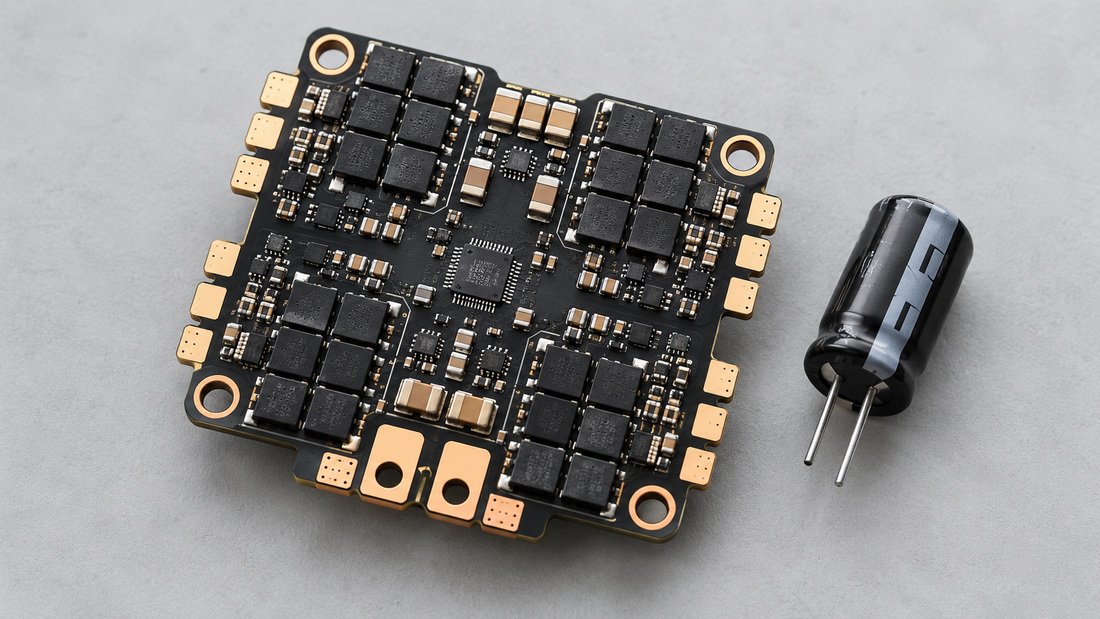
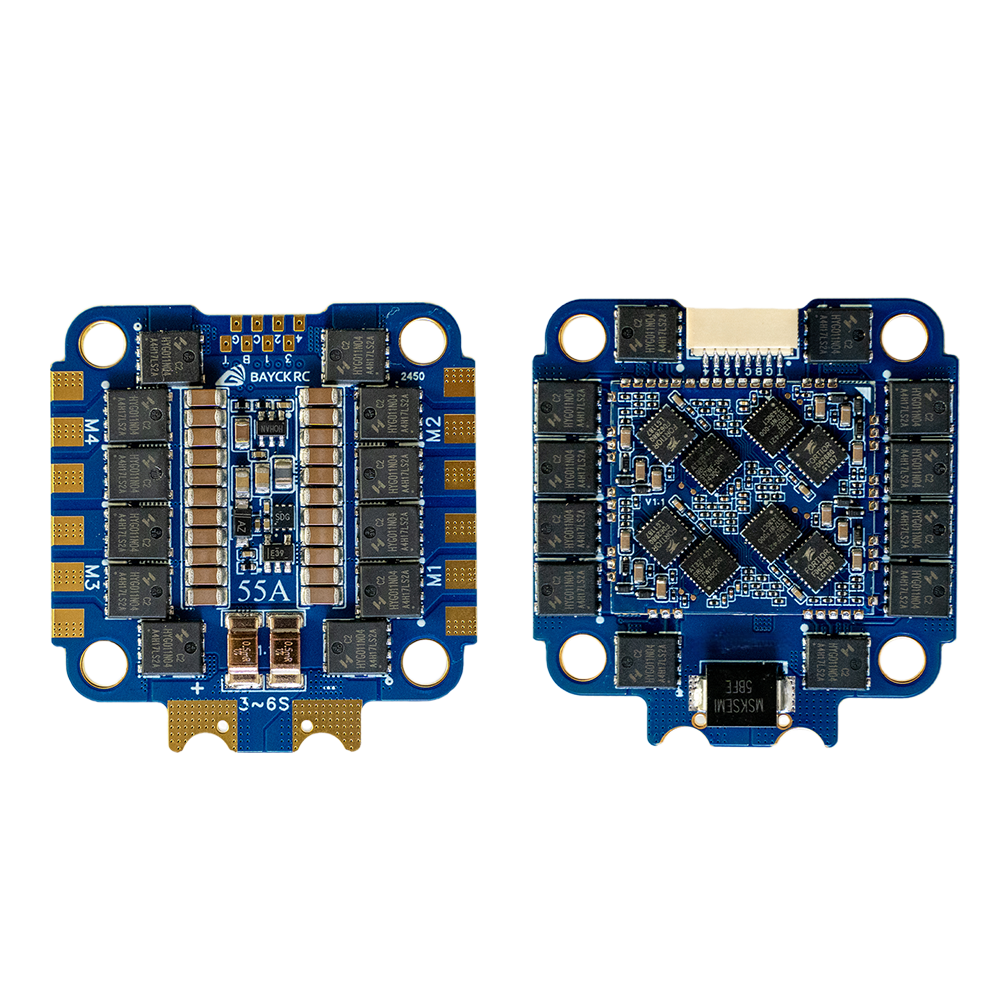
- Damaged ESC or solder joints: A partially failed FET or a cold solder joint can cause erratic commutation and vibration. Inspect for discoloration or loose wires.
- Motor wiring faults: A loose bullet connector or damaged phase wire can cause intermittent operation.
- Frame or arm flex: A cracked frame arm amplifies motor vibration. Inspect the airframe after crashes.
For teams evaluating the electrical side, understanding motor, propeller and battery matching helps rule out system-level mismatches that can stress motors.
How to Diagnose Motor Noise: A Step-by-Step Process
Work from the simplest checks to the most involved. This sequence helps volunteers and coaches without advanced electronics tools.
- Remove the propeller and spin the motor by hand. Listen for grinding and feel for roughness. If noise is present without the prop, the issue is in the motor or mount.
- Check for play in the bell. Axial or radial movement indicates bearing wear or a loose shaft.
- Inspect mounting screws and the frame arm for cracks or soft mounting points.
- Run the motor at low RPM without a prop (if safe to do so) to listen for electrical noise. Never run a motor with damaged windings.
- Swap the suspect motor to another ESC output to see if noise follows the motor or stays with the ESC. This isolates the fault.
- Review ESC settings and compare with the motor manufacturer’s recommended configuration.
- Record findings in a maintenance log so patterns emerge across your fleet.
If you are building or specifying new aircraft, motor and propulsion matching support can help reduce compatibility-related vibration from the start.
Common Mistakes That Make Vibration Worse
Teams often unintentionally increase noise or damage by skipping basic steps. Avoid these:
- Ignoring a bent shaft: Continuing to fly bends bearings and can destroy the motor bell.
- Over-tightening or under-tightening screws: Both cause vibration; use the manufacturer’s recommended torque where specified.
- Mixing motor models on one airframe: Different KV or winding can cause uneven response and vibration.
- Using unbalanced or mismatched propellers: Even minor damage matters at high RPM.
- Replacing motors without cleaning the frame: Debris left in the mount area can cause new motors to run rough.
- Neglecting firmware updates and calibration: ESC calibration and firmware can affect smoothness.
Preventive Maintenance for Clubs and Schools
Regular maintenance reduces noise complaints and extends motor life. Build a simple routine:
- Post-flight inspection: Check propellers, motor screws, and bell play after every session.
- Cleaning: Use compressed air or a soft brush to remove debris from motor bells.
- Propeller replacement schedule: Replace props that show cracks, chips, or imbalance.
- Bearing lubrication: Follow motor manufacturer guidance; some sealed bearings require no lubrication.
- Spare parts inventory: Keep spare motors, ESCs, and props for quick swaps.
- Training: Teach students to identify early warning signs like unusual sound or heat.
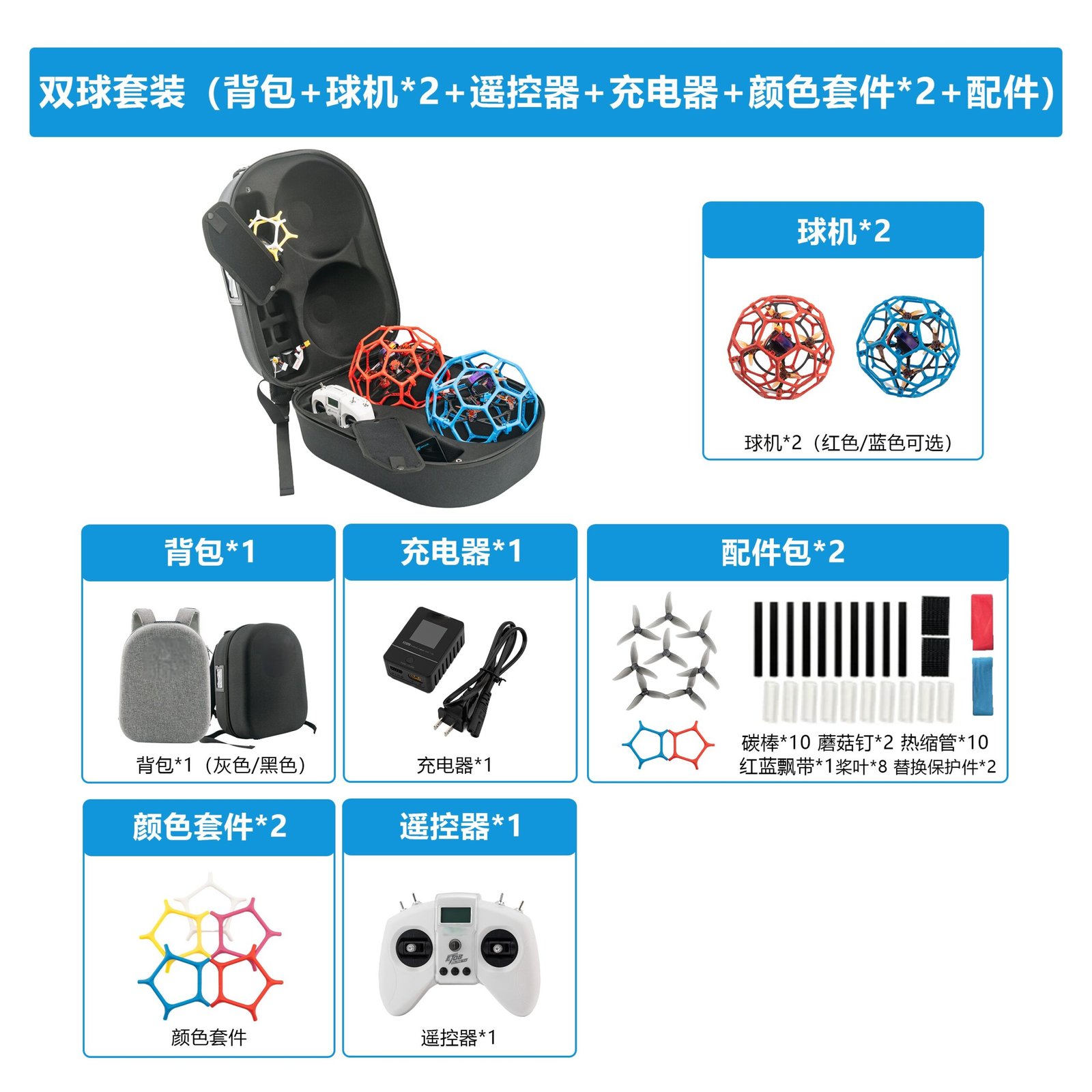
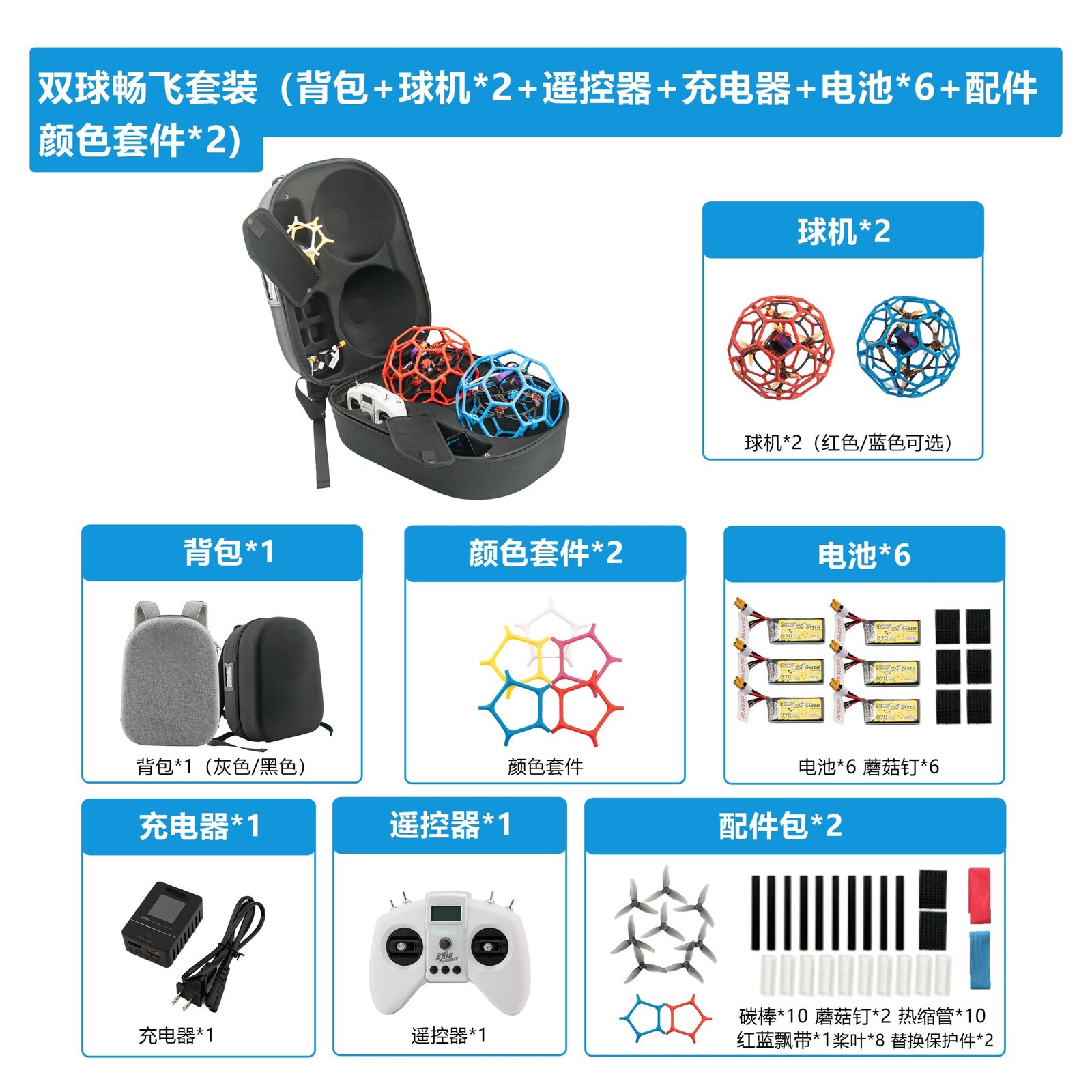
For teams standardizing their fleet, propulsion combo kits can simplify spares management.
Procurement Checklist for Replacement Brushless Motors
When sourcing replacements, confirm these details in writing with your supplier to avoid compatibility surprises:
| Specification | What to Confirm | Why It Matters |
|---|---|---|
| KV rating | Matches existing motor KV within tolerance | Different KV changes RPM and vibration profile |
| Stator size | Same dimensions as original | Affects mounting and performance |
| Bearing type | Ball bearing vs. sleeve; sealed or not | Wear rate and noise characteristics |
| Shaft diameter and length | Exact match | Prop adapter fit and balance |
| Mounting hole pattern | Match frame and screw size | Secure mounting prevents vibration |
| Connector type | Bullet size and wire length | Reduces soldering errors |
| Weight | Within a small range of original | Balance and flight controller tuning |
Also ask about batch consistency, testing procedures, and documentation. For competitive teams, consistent motor batches reduce tuning variability. FPV motors from a reliable supplier help ensure repeatable performance.
What to Ask Suppliers
- Can you provide a sample for testing before bulk order?
- What is your warranty policy for motors used in educational settings?
- Are spare bells, shafts, or bearings available separately?
- Can you supply motors matched to our existing ESC and propeller specifications?
Confirm all commercial terms — MOQ, lead time, and warranty — in writing. DPF does not publish specific values here; request current details for your project.
When to Replace vs. Repair
Not every noisy motor needs replacement. Use this guide:
- Replace if the shaft is bent, windings are damaged, or the bell is cracked.
- Repair if only bearings are worn and replacements are available; bearing swaps require tools and skill.
- Clean and retest if debris is the only issue.
- Retire motors that have been overheated (discolored windings) or run after impact damage.
For school programs, keeping a small stock of pre-tested replacement motors reduces downtime during events.
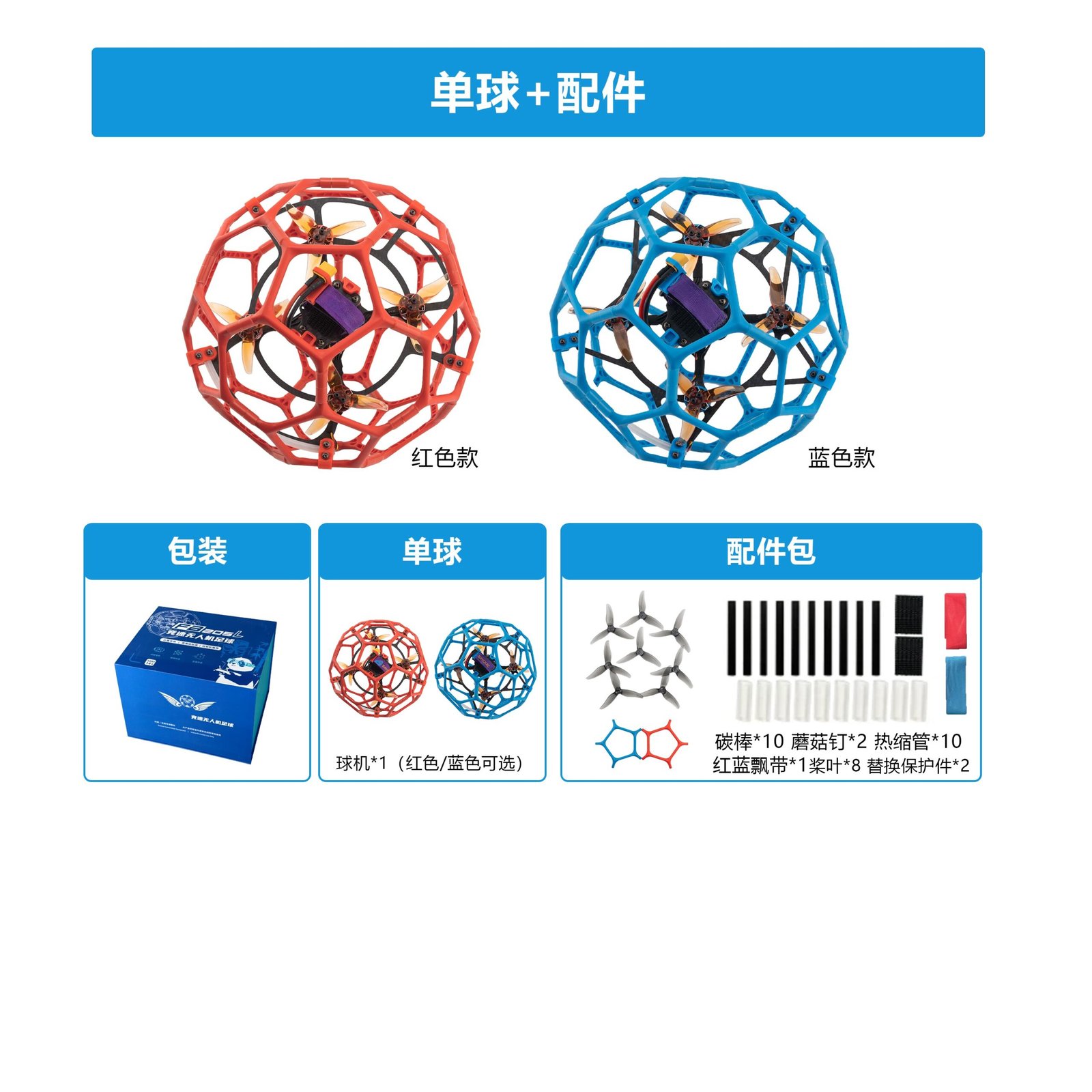
Need help specifying quiet, durable motors for your team? Contact our team to discuss your aircraft and fleet requirements.
Frequently Asked Questions
Why does my brushless motor make a high-pitched squealing sound?
Squealing often indicates ESC timing issues, a failing bearing, or a loose motor bell. Check ESC settings first, then inspect bearings and bell tightness.
Can a noisy motor still be used safely?
It depends on the cause. A slightly noisy bearing may last a while, but vibration can loosen screws and fatigue frames. Investigate before flying in competition.
How often should I replace brushless motors in a drone soccer program?
There is no universal interval. Replace when inspection reveals damage or performance degrades. Keep maintenance logs to identify patterns. Confirm warranty and replacement guidance with your supplier.
Does motor noise affect flight performance?
Yes. Vibration can confuse gyros and accelerometers, leading to unstable flight and reduced control precision. It also accelerates wear on other components.
What tools do I need to diagnose motor vibration?
Basic tools include a hex driver set, small brush, magnifying glass, and a multimeter. A motor test stand is helpful but not required for initial checks.
Can I mix different brands of brushless motors on one drone?
It is not recommended. Different KV, winding, and response characteristics can cause imbalance and tuning problems. Use matched motors for consistent performance.
How should I store spare motors to prevent damage?
Store in a dry, dust-free container. Protect shafts from impact. For lithium battery storage and transport, note that damaged or recalled batteries must not be carried aboard aircraft unless made safe; see FAA lithium battery guidance for general safety context (US jurisdiction).
Conclusion: Diagnose, Fix, and Source with Confidence
Motor noise and vibration in school and club brushless motors are usually mechanical and solvable. Use a systematic diagnostic approach, maintain spares, and source motors with clear specifications. When you are ready to equip your team, Request a Team Kit Quote to discuss your requirements.